Where Does Indiana Stock Saugeye?
It can be incredibly frustrating when you're an angler in Indiana, constantly hearing whispers about a fantastic sport fish that's hardy and aggressive, yet you're not quite sure where to begin your quest to find them. You know about walleye and sauger, but there's this elusive hybrid that seems to offer the best of both worlds, and pinpointing their exact haunts can feel like searching for a needle in a very large haystack. This guide is here to shed light on exactly where Indiana stocks Saugeye, what makes these fish so special, and how you can increase your chances of reeling one in.
Understanding Saugeye: Indiana's Unique Hybrid
For many anglers, the name "Saugeye" sparks curiosity. It's not a fish you often hear about in casual conversation, yet it’s a species that brings a unique blend of traits to Indiana's fisheries, offering exciting opportunities for those willing to learn its secrets. They truly are a fantastic addition to our waters, especially in locations where other species might struggle.
What Exactly is a Saugeye?
Let's clear up the mystery right away: a Saugeye isn't a naturally occurring fish. It's a hybrid, specifically a cross between a female walleye and a male sauger. Think of it like a mule – a hybrid of a horse and a donkey – but in the aquatic world. This intentional crossbreeding is done by fisheries biologists to create a fish that combines the best characteristics of both parent species. You might find yourself wondering, "Why bother creating a hybrid when we already have walleye and sauger?" Well, the Saugeye offers some distinct advantages, particularly for certain types of Indiana waters.
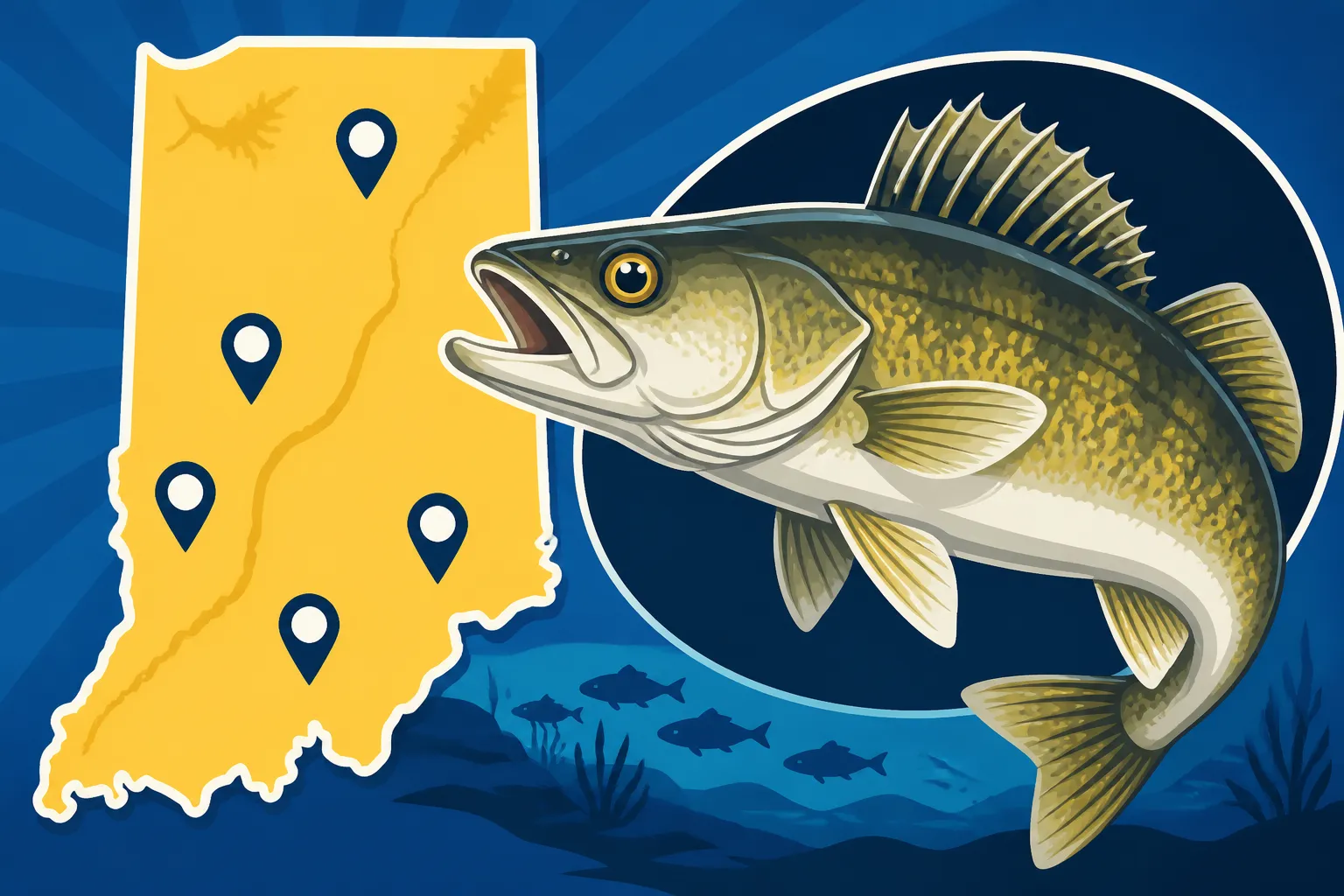
Visually, Saugeye often take on traits from both parents. They typically possess the overall body shape and a similar predatory look to a walleye, but with some key differences. You'll often see distinct dark spots on their dorsal fin, which is a tell-tale characteristic inherited from the sauger. However, these spots usually aren't as pronounced or as uniformly distributed as they would be on a pure sauger. Their body coloration can vary, but generally, they exhibit a beautiful mosaic of olive, gold, and bronze, often with darker blotches along their sides. Learning to distinguish them from their parents is a skill in itself, and it's important for understanding Walleye vs Saugeye: How to Tell Them Apart. Knowing how to spot these subtle differences will definitely help you accurately identify your catch, especially since regulations can sometimes vary by species. For more help with this, check out Saugeye Identification: Spotting a Walleye-Sauger Hybrid.
Why Indiana Loves Saugeye
The reasons Indiana's fisheries managers choose to stock Saugeye are rooted in practical advantages for both the fish and the anglers. Pure walleye, while prized, can be a bit finicky. They prefer clear, cool water and can be slower growing, sometimes struggling in the warmer, more turbid (murky) waters that characterize many of Indiana's larger reservoirs. This is where the Saugeye really shines.
Here's why this hybrid has become a favorite in many Hoosier waters:
- Faster Growth Rate: Saugeye typically grow much faster than their pure walleye counterparts, meaning they reach a catchable size sooner and offer a quicker return on stocking investments. This translates into more opportunities for anglers to hook into a respectable fish.
- Tolerance to Turbid Water: Unlike walleye, Saugeye are far more tolerant of murky or stained water conditions. This is a huge benefit in many Indiana reservoirs and rivers, which can often experience fluctuating water clarity due to rainfall and runoff. This adaptability means they can thrive in places where walleye might struggle to survive or reproduce effectively.
- Hardiness and Survival: They tend to be a hardier fish overall, with higher survival rates post-stocking compared to pure walleye fingerlings. This makes them a more reliable option for establishing and maintaining a robust sport fishery.
- Excellent Table Fare: Just like their walleye parents, Saugeye are renowned for their delicious white, flaky meat. Many anglers consider them one of the best-tasting freshwater fish, making them a highly desirable catch for those looking to fill their coolers for a family meal. Is Saugeye Good Table Fare? is a question often asked, and the answer is a resounding yes!
- Aggressive Biters: Saugeye are often more aggressive and willing to bite than walleye, especially during the daytime. This can lead to higher catch rates and a more exciting fishing experience, particularly for anglers who might get frustrated with the notoriously subtle bite of a true walleye.
To put it in perspective, let's look at a quick comparison:
| Feature | Walleye | Sauger | Saugeye (Hybrid) |
|---|---|---|---|
| Parentage | Pure species | Pure species | Female Walleye x Male Sauger |
| Appearance | Dark back, golden sides, white fin tips | Dark blotches/saddles, spotted dorsal fin | Mix of both, usually spotted dorsal fin |
| Water Preference | Clear, cool water | Turbid, warmer water, riverine | Tolerant of turbid & warmer water |
| Growth Rate | Moderate | Slower | Faster than both parents |
| Hardiness | Moderate | Good | Excellent |
| Fishing Experience | Often finicky, subtle bite | Active, good fighters | Aggressive, good fighters, easier to catch |
| Table Quality | Excellent | Good | Excellent |
This combination of traits makes Saugeye a strategic choice for managing specific Indiana fisheries, providing a fantastic angling opportunity that might not exist otherwise.
Prime Saugeye Stocking Locations in Indiana
Now, for the burning question: where can you actually find these wonderful hybrid fish in the Hoosier State? While the Indiana Department of Natural Resources (DNR) constantly evaluates and adjusts its stocking programs based on scientific data and angler feedback, there are several key reservoirs and lakes that have historically been, and continue to be, prime locations for Saugeye stocking.
Key Reservoirs and Lakes for Saugeye
Indiana's Saugeye program focuses primarily on our larger, man-made reservoirs. These impoundments often have the characteristics – fluctuating water levels, sometimes higher turbidity, and ample forage – that make them less ideal for pure walleye but perfect for the hardier Saugeye.
Here are some of the standout locations where you'll want to focus your efforts:
- Brookville Lake: Located in southeastern Indiana, Brookville Lake is a consistent producer of Saugeye. This vast reservoir offers a mix of deep main lake channels, submerged timber, and rocky points, all of which appeal to Saugeye. Anglers often report good catches here, especially when targeting areas near the old river channel or around the dam. It's a prime example of a reservoir that benefits greatly from Saugeye stocking.
- Monroe Lake: As Indiana's largest inland lake, Monroe Lake near Bloomington is another excellent choice. While known for its incredible bass fishing, it also supports a thriving Saugeye population thanks to regular stocking. Its expansive waters and diverse habitat provide plenty of room for Saugeye to roam and grow. Targeting deeper humps and main lake points here can be very productive. Check out Monroe Lake: Indiana's Largest Lake for Bass Fishing for more on this fantastic fishery, though Saugeye are definitely a highlight too.
- Salamonie Lake: Situated in northeastern Indiana, Salamonie Lake is another top-tier Saugeye destination. This reservoir, like others, offers extensive submerged structure and channels that Saugeye utilize for feeding and holding. Anglers here often have success drifting or trolling the main basin.
- Mississinewa Lake: Just a stone's throw from Salamonie, Mississinewa Lake is another north-central Indiana gem for Saugeye. These two reservoirs, along with a few others in the region, create a fantastic opportunity for anglers to experience the thrill of Saugeye fishing. The fish here benefit from similar habitat features, including deep water access and abundant forage.
It's absolutely crucial to remember that stocking schedules and quantities can change based on hatchery production, habitat conditions, and management goals. The best practice for any angler is always to check the latest stocking reports and fishing guides published by the Indiana Department of Natural Resources (DNR). Their website is the most up-to-date source for what's being stocked where and when. These reports will help you identify not only these major reservoirs but also any smaller lakes or ponds that might receive occasional Saugeye stockings. Furthermore, these bodies of water are well-known as Reservoirs Known for Trophy Saugeye, so patience and persistence can really pay off with a significant catch.
Identifying Saugeye Hotspots
Knowing which lakes are stocked is a great start, but to truly be successful, you need to understand where within those lakes the Saugeye are likely to hang out. Saugeye are predatory fish, and their behavior often mirrors that of their walleye ancestors, with a few sauger-like nuances thrown in.
Here’s what to look for when trying to pinpoint Saugeye hotspots:
- Deep Water Structure: Saugeye love structure in deeper water. Think submerged roadbeds, old creek channels, humps, points that drop off steeply into the main basin, and rock piles. They'll often position themselves near these features, ambushing baitfish as they pass by. Using a good fish finder is almost essential for locating these deeper structures, and you can find a wide range of reliable models, from basic to advanced, for your boat on Amazon to help you map out the bottom. If you're looking for guidance on what to buy, Best Fish Finders for Indiana Lake Fishing offers some excellent advice.
- Transition Areas: Like many predatory fish, Saugeye often relate to areas where different types of habitat meet. This could be where a hard bottom transitions to a soft bottom, or where a shallow flat drops off into deeper water. These transition zones are often rich in baitfish and provide excellent ambush points.
- Main Lake Basins: In larger reservoirs, the main lake basin, especially if it contains deeper water and current, can hold schools of Saugeye. They'll roam these open waters in search of schools of shad or other forage fish. Trolling is often a very effective strategy in these larger, more open areas.
- Low Light Conditions: Saugeye, like walleye, have excellent low-light vision thanks to their large eyes. This means they are often most active during dawn, dusk, and even at night. During these periods, they may move shallower onto flats or points to feed. If you're wondering about their nocturnal habits, Do Walleye Bite at Night in Indiana Reservoirs? can give you some insight into similar behaviors. Overcast days can also provide extended feeding windows, as the reduced light penetration allows them to remain active throughout the day.
Understanding these preferences and using tools like lake maps (both paper and electronic) and sonar will dramatically increase your chances of finding where the Saugeye are holding. Don't be afraid to experiment with different depths and retrieve speeds until you start getting bites.
Tips for Angling Indiana's Stocked Saugeye
So you've found a stocked lake and identified a potential hotspot. Now what? Catching Saugeye requires a blend of technique, the right bait, and a bit of patience. While they can be more aggressive than pure walleye, they still demand respect and thoughtful angling.
Best Baits and Lures for Saugeye
Saugeye are predators through and through, meaning they respond well to baits and lures that mimic their natural prey. Your tackle box should be well-stocked with a variety of options.
Here are some go-to choices:
- Jigs: Jigs are incredibly versatile. You can vertical jig them directly over submerged structure, cast them to points, or even pitch them into shallower areas during low light. Pair your jigs with soft plastic trailers like paddle tails, grubs, or minnow imitators. Colors often depend on water clarity: natural shad or perch patterns in clear water, and brighter chartreuse, orange, or white in stained or murky conditions. You can find a huge selection of jig heads and soft plastics to match any condition on Amazon, making it easy to stock up.
- Crankbaits and Jerkbaits: These lures are fantastic for covering water, especially when trolling or casting to expansive flats and points. Choose diving crankbaits that can reach the depth where you're marking fish, or shallow-running models for those low-light, shallower feeding forays. Jerkbaits are particularly effective when twitched and paused, mimicking a wounded baitfish. Look for lures that imitate shad, perch, or bluegill, which are common forage fish in Indiana.
- Crawler Harnesses: A classic for walleye and equally effective for Saugeye, a crawler harness typically consists of a weight (like a bottom bouncer), a leader, and a series of spinner blades followed by hooks. Tipped with a live nightcrawler, the spinning blades create flash and vibration that can be irresistible. You can troll these slowly along contours or drift them over flats.
- Live Bait: Sometimes, nothing beats the real thing. Live minnows, shiners, or small chubs fished on a simple slip-sinker rig (allowing the bait to move naturally near the bottom) can be deadly. Leeches are another highly effective live bait, especially in cooler water. Just make sure your bait is lively and presented naturally. Rigging a minnow can be as simple as hooking it through the lips or dorsal fin.
Remember to consider water clarity and light conditions when choosing lure colors and sizes. Darker colors or those with UV properties can be better in dark water, while more subtle, natural patterns excel in clearer conditions. Having a diverse selection, easily purchased from online retailers like Amazon, ensures you're ready for whatever the Saugeye are biting on. For more detailed advice, check out Best Lures for Saugeye Fishing or Best Tackle for Indiana Walleye Fishing as many techniques overlap.
When and How to Fish for Saugeye
The "when" and "how" are just as important as the "where" and "what." Saugeye behavior is heavily influenced by factors like light, water temperature, and time of year.
-
Timing Your Trip:
- Low Light Periods: As mentioned, dawn and dusk are prime feeding times. Plan your outings to coincide with these windows.
- Night Fishing: Don't overlook night fishing for Saugeye, especially during warmer months. They can be incredibly active after dark, moving into shallower feeding grounds.
- Overcast Days: Cloudy, drizzly days can keep Saugeye active throughout the day, as the reduced sunlight mimics low-light conditions.
- Seasonal Patterns: While Saugeye can be caught year-round, spring and fall are often considered peak seasons. In spring, they might be more concentrated as water temperatures rise, leading to more aggressive feeding. In fall, they feed heavily to prepare for winter. Even winter ice fishing can be fantastic in certain Indiana lakes if conditions allow. For a broader view, Best Time of Year to Fish in Indiana offers excellent seasonal insights.
-
Effective Techniques:
- Trolling: This is one of the most effective ways to cover large areas of water, especially in the main lake basins of reservoirs. Use crankbaits that run at various depths, or pull crawler harnesses slowly along contours. Vary your speed until you find what the fish prefer.
- Vertical Jigging: When you've located a school of Saugeye on your fish finder, vertical jigging is a precise way to target them. Drop a jig tipped with a minnow or soft plastic directly down to their depth and work it with short hops and pauses.
- Casting: If Saugeye are holding on points, humps, or submerged structure, casting crankbaits, jerkbaits, or jigs can be very productive. Work your lure back to the boat, experimenting with retrieve speeds and pauses.
- Drifting: Similar to trolling but often slower, drifting with the wind or current while presenting a bait (like a crawler harness or live minnow) can be effective over expansive flats or channels. This allows for a more natural presentation.
Always keep an eye on water temperature, as Water Temperature and Fish Feeding Patterns are intrinsically linked. Saugeye are cold-blooded, and their metabolism (and thus their feeding activity) is directly related to water temperature. Pay attention to changes in weather patterns too; a sudden cold front can sometimes put the fish off the bite, requiring slower presentations or more subtle baits. And before you head out, always make sure you have your Indiana Fishing License Requirements Explained sorted out, and check the Indiana Fishing Regulations and Bag Limits Guide for any specific Saugeye rules in the waters you plan to fish.
Indiana's Saugeye fisheries offer a unique and rewarding experience for anglers looking for a challenging yet often productive day on the water. By understanding where they're stocked, what habitat they prefer, and how to effectively fish for them, you'll be well on your way to adding this exciting hybrid to your list of favorite Indiana catches.
Disclaimer
This article is for general informational purposes only and does not constitute professional advice. Laws, prices and regulations vary by location and change over time. Consult a qualified professional for guidance on your specific situation.