Walleye Minimum Length South of State Road 26 in Indiana
It can be incredibly confusing trying to keep up with all the fishing regulations in Indiana, especially when different bodies of water have different rules for the same species. There's nothing more frustrating than catching a beautiful walleye, only to realize you're not entirely sure if it's a keeper because the length limits vary. This guide is going to clear up all that uncertainty, focusing specifically on the minimum length requirements for walleye caught south of State Road 26, so you can fish with confidence and stay on the right side of the law.
Understanding Indiana's Walleye Regulations
Indiana's Department of Natural Resources (DNR) works hard to manage our fish populations, ensuring healthy numbers for future generations of anglers. But because every lake and river is a unique ecosystem, a "one-size-fits-all" approach just doesn't work. This is particularly true for a prized game fish like the walleye, which has different growth rates and population dynamics depending on where it lives.
Why Walleye Regulations Vary Across the State
You might wonder why Indiana doesn't just have one simple rule for walleye across the whole state. The truth is, it's all about science and sustainability. The DNR's fisheries biologists study everything from water temperature and available forage to spawning success rates and fishing pressure in specific bodies of water. For instance, a lake with a robust natural walleye population that reproduces well might have different needs than a reservoir where walleye are primarily stocked and struggle to reproduce on their own.
These differences mean that some areas might need stricter length limits to protect juvenile fish and allow them to reach reproductive maturity, while other areas might have more flexible rules if the population is thriving. The goal is always the same: to create regulations that promote a healthy, fishable population for everyone. It's not about making things complicated; it's about being smart stewards of our natural resources.
The General Statewide Rule and Its Exceptions
Generally, Indiana has a pretty straightforward approach to walleye regulations, but there are some significant geographical distinctions you absolutely need to be aware of. The state is essentially split into two main zones for walleye management, largely determined by a specific highway. North of State Road 26, you'll typically find a 16-inch minimum length limit for walleye, with a daily bag limit of five fish. However, even within that northern zone, there are highly localized exceptions, like specific rules for Bass Lake, Wolf Lake, and Lake George, where length limits can actually be lower to help manage certain population dynamics. These exceptions are critical to know, and it's why we always recommend checking the latest regulations for your specific body of water.
This guide, however, is laser-focused on the other side of that dividing line—the area south of State Road 26. This region operates under a different set of guidelines, which is what we'll dive into next to ensure you're fully prepared for your next fishing adventure downstate.
The Specific Walleye Minimum Length South of State Road 26
Alright, let's get down to brass tacks for those of you casting lines in the southern half of the Hoosier State. The regulations for walleye in this region are designed to promote healthy populations in many of our popular reservoirs and rivers. It’s a common misconception that all walleye rules are the same, but once you cross that invisible line, things change.
What "South of State Road 26" Actually Means
State Road 26 is a major east-west highway that essentially bisects Indiana. It runs from the Ohio border, passing through cities like Portland, Hartford City, Kokomo, and Lafayette, before reaching the Illinois border. So, when the Indiana DNR states "south of State Road 26," they mean any body of water that lies entirely or primarily to the south of this road. This includes popular fishing destinations like Monroe Lake, Patoka Lake, Brookville Lake, and the southern stretches of major rivers like the Wabash and White River. If you're fishing in any of these areas, or other lakes and streams below this geographical marker, the rules we're about to discuss apply to you. Knowing this dividing line is crucial for understanding whether you need to abide by the 16-inch rule up north or the specific limit down south.
The 14-Inch Minimum: A Simpler Rule for Southern Waters
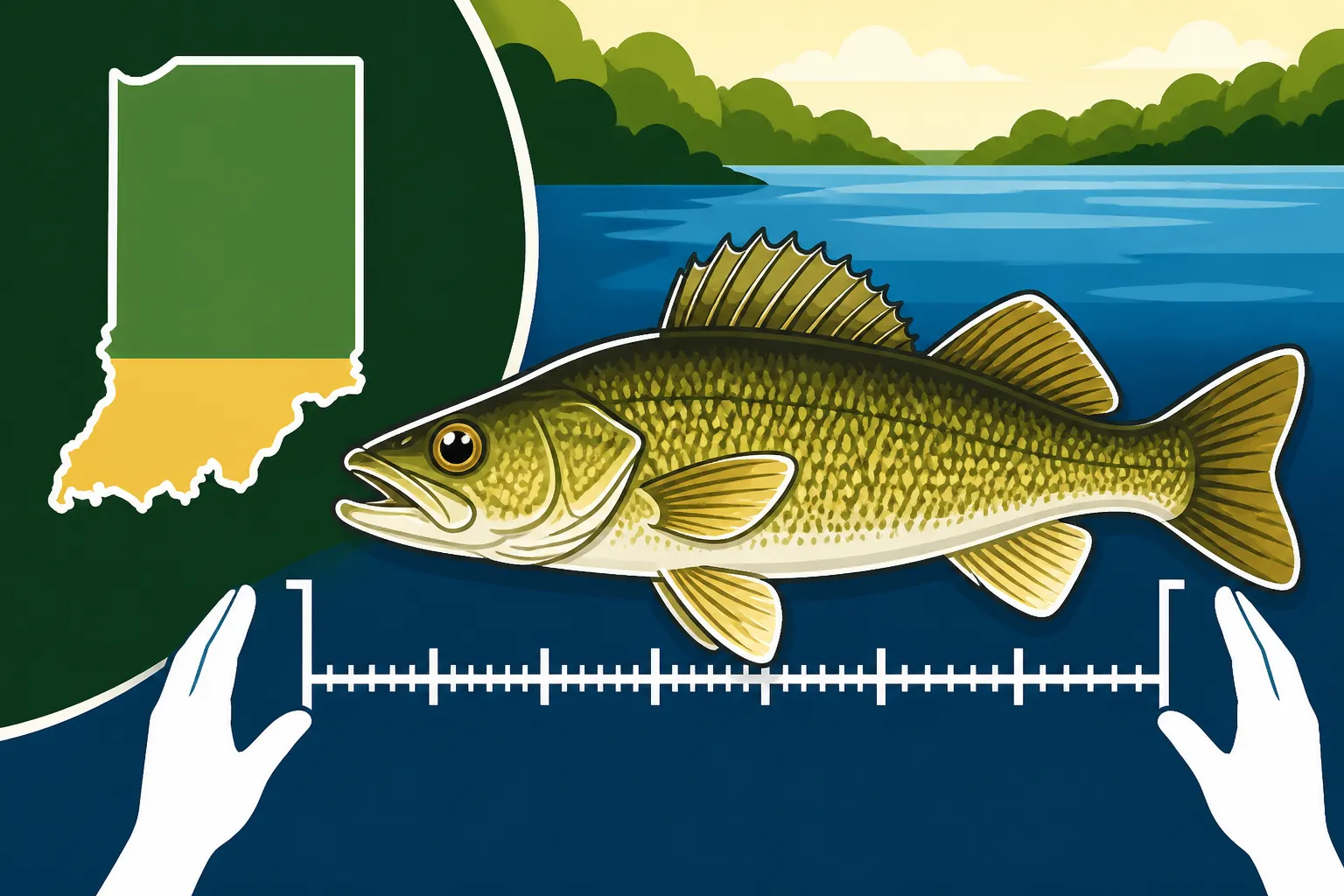
For most waters located south of State Road 26, the walleye minimum length limit is 14 inches. This means any walleye you catch that measures less than 14 inches from the tip of its snout to the end of its tail must be immediately released back into the water. This rule applies uniformly across the vast majority of lakes and rivers in this southern zone, making it a bit simpler to remember than the often more complex regulations found further north.
The daily bag limit remains consistent with the northern zone: you can keep a total of five walleye per day. However, it’s imperative that each of those five fish meets or exceeds the 14-inch minimum length. The reason for this slightly lower minimum length in the south compared to the north often relates to differences in genetics, growth rates, and stocking programs. Many of the walleye fisheries in southern Indiana are maintained through consistent stocking efforts, and this 14-inch limit is deemed optimal by biologists to allow these stocked fish a chance to grow, mature, and contribute to the fishery before being harvested.
Let's look at a quick comparison to highlight the difference:
| Region | Minimum Length | Daily Bag Limit | Notes |
|---|---|---|---|
| North of State Road 26 (General) | 16 inches | 5 fish | Subject to specific lake exceptions (e.g., Bass Lake, Wolf Lake, Lake George often have different, sometimes lower, limits). |
| South of State Road 26 | 14 inches | 5 fish | Applies to most major reservoirs and rivers in the southern half of Indiana. |
This table clearly illustrates the key difference. Remember, if you're ever in doubt about a specific lake or river, always consult the current Indiana Fishing Regulations Guide, which is available online through the DNR website or can be picked up at many bait shops and sporting goods stores. It's your best friend for staying compliant! Knowing these rules is just as important as knowing where to find the fish, and a simple measurement can save you from a potential fine for fishing without a license or other violations.
Practical Tips for Anglers in Southern Indiana
Knowing the regulations is one thing, but putting them into practice on the water is another. To help you navigate the 14-inch walleye minimum south of State Road 26, here are some practical tips to ensure you're measuring correctly and handling your catch responsibly.
Measuring Your Catch Accurately
When you reel in a walleye, that moment of excitement is fantastic, but it's quickly followed by the need to measure it accurately. A fish that looks "close enough" can get you into trouble. The official measurement is always from the tip of the snout (mouth closed) to the very end of the tail, with the tail compressed (squeezed together) to give the longest possible reading.
Here's how to do it right:
- Use the Right Tool: Don't rely on a flimsy tape measure or a ruler stuck to your tackle box. Invest in a proper bump board or a sturdy, easily readable measuring tape. You can find excellent, durable options on platforms like Amazon.
- Lay the Fish Flat: Gently lay the walleye on its side on a flat, wet surface. Avoid rough, dry surfaces that can harm the fish's protective slime coat.
- Snout to Tail: Place the fish with its snout touching the "zero" end of your measuring device. Gently compress the tail fin to get the maximum length.
- Read Clearly: Make sure you can clearly read the measurement. If it's even a hair under 14 inches, it's not a keeper. There's no rounding up!
Best Practices for Catch and Release
Let's face it, sometimes you catch a walleye that's just a bit too small. It happens to the best of us! When it does, proper catch and release techniques are vital to ensure that little guy swims off strong and healthy, ready to grow into a legal keeper for someone else down the line.
- Minimize Handling Time: The less time a fish is out of the water, the better. Have your measuring device and any release tools ready before you even bring the fish in.
- Wet Hands or Gloves: Always wet your hands thoroughly before touching the fish. Better yet, use a pair of fish-handling gloves to protect both the fish's slime coat and your hands from those sharp fins and teeth. You can find quality fishing gloves on Amazon.
- Support the Fish: If possible, support the fish horizontally with two hands, especially if it's a larger "short" fish. Avoid holding it vertically by the jaw or gill plates, which can cause internal damage.
- Remove Hooks Carefully: Use needle-nose pliers or a hook-remover tool to quickly and gently remove the hook. If the fish is deeply hooked and removal would cause significant damage, it's often better to just cut the line as close to the hook as possible. Circle hooks can also significantly reduce deep hooking.
- Revive If Necessary: If the fish seems sluggish, hold it gently upright in the water, facing into any current, and move it back and forth to help water flow over its gills. Release only when it shows signs of being able to swim away strongly on its own.
By following these simple steps, you're not just adhering to the rules, but also contributing to the health and vitality of Indiana's walleye populations. For more comprehensive information, be sure to check out our full guide on Indiana Fishing Regulations and Bag Limits Guide.
Knowing Your Fishing Spot's Specific Rules
While the 14-inch minimum is the general rule south of State Road 26, it's always, always a good idea to double-check for any hyper-local exceptions. The Indiana DNR is good about publishing these details, and sometimes a specific lake or section of a river might have unique rules due to a special management plan or a unique biological situation.
Before heading out, take a few minutes to:
- Consult the Indiana DNR Website: The official DNR website is the most up-to-date source for all fishing regulations. You can search by county or specific body of water.
- Check Local Signage: Many popular fishing spots will have signs posted at boat ramps or access points detailing the specific regulations for that location.
- Ask Local Bait Shops: The folks running local bait and tackle shops are often a wealth of information. They live and breathe local fishing and can usually tell you if there are any specific nuances for the area you plan to fish. They might even have a printed copy of the Indiana Fishing License Requirements Explained or the Indiana Resident Annual Fishing License Cost readily available.
Being informed ensures a stress-free day on the water and helps protect our precious fish stocks. Remember, ignorance of the law is not an excuse, and a little preparation goes a long way. This careful approach is particularly helpful when considering species like walleye, which, as we discuss in Walleye Minimum Length North of State Road 26, have different rules based on geography.
The Importance of Walleye Management
Regulations aren't just arbitrary rules designed to make your fishing trip harder. They are scientifically backed strategies to ensure the long-term health and abundance of our walleye populations. It’s all about finding that delicate balance between angler enjoyment today and a thriving fishery for tomorrow.
Protecting Young Walleye for Future Generations
The 14-inch minimum length limit for walleye south of State Road 26 is a cornerstone of this management strategy. Walleye, like many fish species, need to reach a certain size and age before they become reproductively mature. By imposing a minimum length, we're essentially giving these younger fish a "pass" to grow up, spawn at least once, and contribute to the next generation of walleye. Without such protection, anglers could potentially harvest too many juvenile fish, depleting the breeding stock and leading to a significant decline in the population over time.
Consider this: a walleye needs to survive predation, find enough food, and avoid anglers for its first couple of years to even think about reproducing. That 14-inch minimum gives them that crucial window. It helps ensure that when you're out fishing, you're not just catching the last of a dying breed, but rather participating in a healthy, self-sustaining cycle. This is a vital part of why we even have Indiana Walleye Fishing: A Complete Guide to begin with, to help maintain the species.
Ensuring Sustainable Fishing for Everyone
Ultimately, walleye regulations, including length limits, are about ensuring sustainable fishing for everyone. Whether you're a seasoned angler targeting trophy walleye or a family just hoping to catch dinner, these rules protect your opportunity to do so. A well-managed fishery means more consistent catches, healthier fish, and a better overall experience for all anglers.
Imagine if there were no limits. Some areas would quickly be "fished out," leaving nothing for others. These regulations distribute the harvest pressure, allowing fish populations to rebound and maintain equilibrium. It’s a collective effort, where every angler plays a part by respecting the rules. This commitment to sustainability is why understanding things like Indiana Walleye Length Limits by Lake or the general Walleye Minimum Length South of State Road 26 in Indiana is so critical. It contributes to keeping our waters vibrant and full of fish, whether you're using classic Walleye Jigging Techniques or trying new tactics.
By adhering to these limits, you're investing in the future of Indiana fishing. You're helping to ensure that your kids, and their kids, will also have the chance to experience the thrill of reeling in a beautiful walleye from the productive waters of southern Indiana. Speaking of other rules, don't forget the importance of the Indiana Trout and Salmon Stamp Requirements if you venture into those waters, and always make sure you have your current Indiana Fishing License Year Explained or understand How to Get an Indiana Fishing License. Sometimes even specific license costs like the Indiana Nonresident Annual Fishing License Cost can be an important factor for visiting anglers. Keeping up with all these nuances ensures a responsible and enjoyable angling experience for everyone.
Disclaimer
Please remember that fishing regulations can change. While every effort has been made to provide accurate and up-to-date information, it is the angler's responsibility to verify current regulations with the Indiana Department of Natural Resources (DNR) before fishing. This guide is for informational purposes only and should not be considered a substitute for the official Indiana Fishing Guide.