What Does a Redear Sunfish Eat?
It's incredibly frustrating when you're out on the water, seeing fish activity, but just can't seem to get a bite. You try everything in your tackle box, wondering what in the world these finicky fish are actually looking for. When it comes to species like the Redear Sunfish, known for their distinctive red ear flap and strong fighting spirit, understanding their natural diet is the secret weapon to turning those frustrating days into successful fishing trips. This guide will dive deep into exactly what Redear Sunfish prefer to eat, both in their natural environment and what makes them strike a hook, helping you connect with more of these delightful panfish.
Understanding the Redear Sunfish's Natural Diet
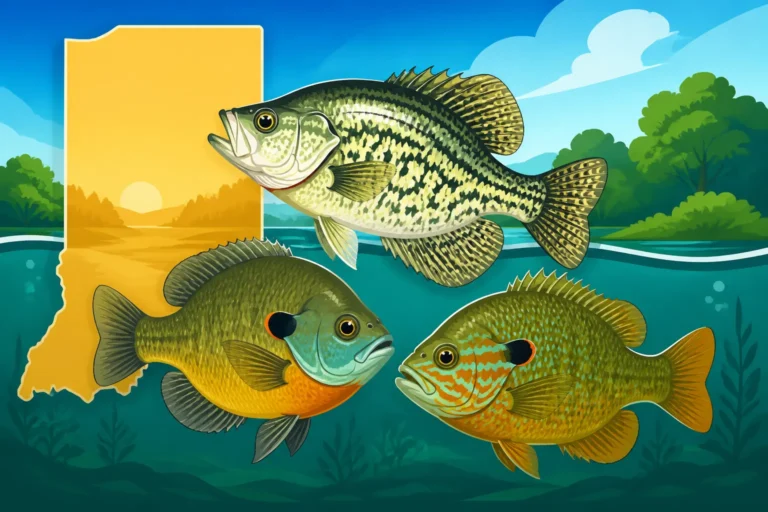
Redear Sunfish (often affectionately called "shellcrackers" here in Indiana) aren't your typical indiscriminate eaters. Their specialized mouth structure and feeding habits set them apart from their bluegill cousins. They're built for a specific kind of meal, and once you understand that, you'll start to see why certain baits and techniques are so effective.
Their Favorite Mollusks and Snails
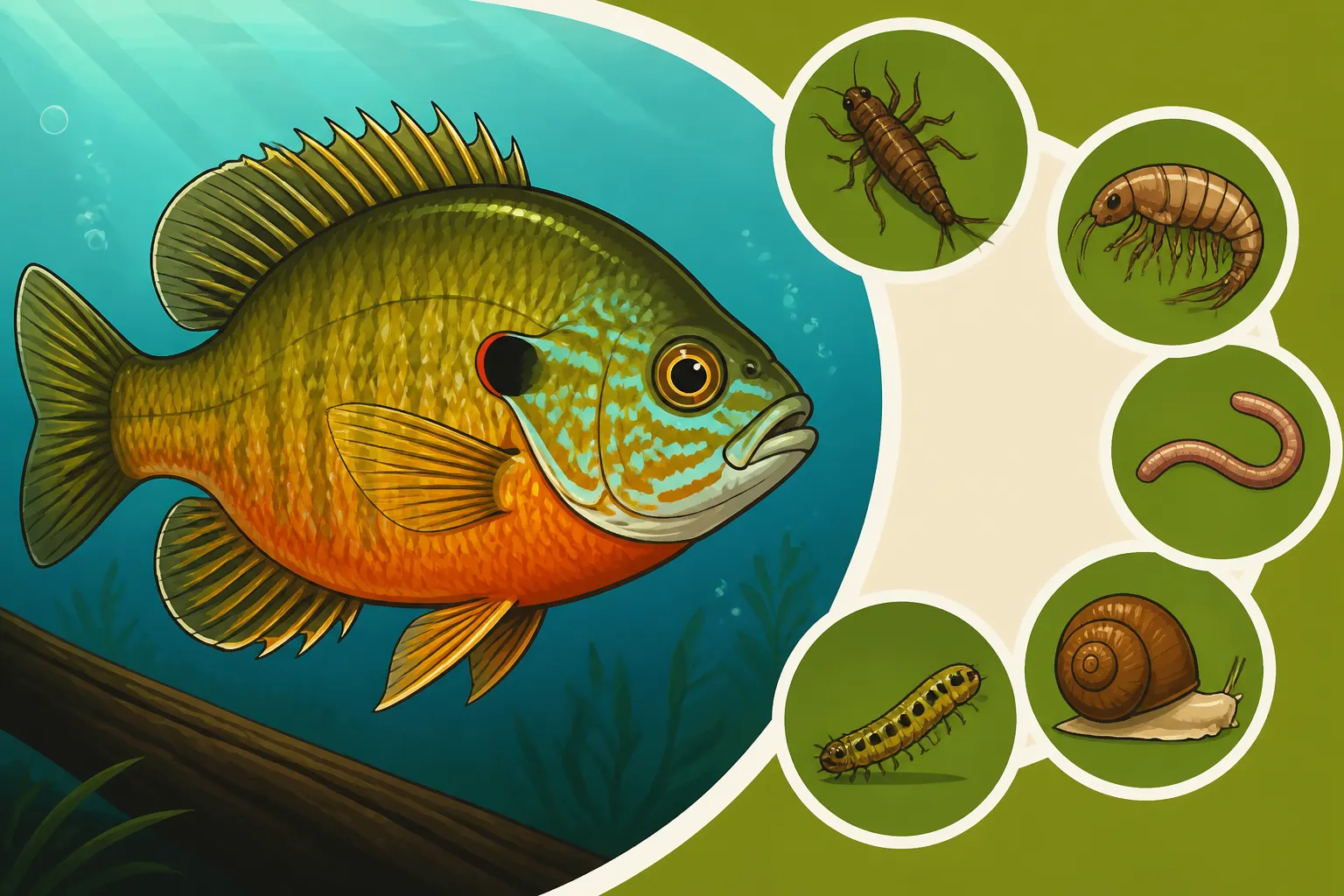
The nickname "shellcracker" isn't just for show – it's a perfect description of their primary natural food source. Redear Sunfish have specialized pharyngeal teeth, which are plate-like structures located in their throat, that are perfectly adapted for crushing the shells of snails, mussels, and other small mollusks. They'll root around in the substrate, picking up these hard-shelled delicacies, crushing them, and then spitting out the shell fragments.
Imagine being a snail clinging to a submerged log or slowly moving across a weedy bottom in a clear Indiana lake. To a Redear, you're a five-star meal! This habit of crunching on shells not only provides them with valuable nutrients but also keeps their teeth strong and healthy. This behavior is a key differentiator from other panfish species, which tend to focus more on insects and smaller aquatic invertebrates. If you're fishing in an area known for abundant snails and mussels, you're likely in prime Redear territory.
Aquatic Insects and Larvae
While mollusks are their top choice, Redear Sunfish are not opposed to a good insect meal. When snails and mussels are less abundant, or during certain times of the year, their diet will broaden to include a variety of aquatic insects and their larvae. This includes things like dragonfly nymphs, mayfly larvae, caddisfly larvae, and midge larvae. These soft-bodied creatures are abundant in the same weedy, submerged structure areas where Redear love to hang out.
They'll often pick these insects off submerged vegetation, rocks, or even sift through soft bottom sediments to find them. This part of their diet is particularly important for juvenile Redear Sunfish, as smaller insects are easier for them to consume before their pharyngeal teeth are fully developed for heavy-duty shell cracking. So, even if you're not seeing shell fragments, you can bet there's a good chance these fish are still actively feeding on the insect life around them. Many anglers find success using small jigs or flies that imitate these natural insect forms, especially when the Redear are being a bit pickier.
Small Crustaceans and Worms
Beyond insects, Redear Sunfish will also consume small crustaceans like scuds and freshwater shrimp, if available. These provide another protein-rich food source and are often found in similar habitats: dense aquatic vegetation, rocky bottoms, or detritus. Additionally, like most freshwater fish, they won't pass up an easy meal like a small earthworm or redworm if it's presented to them.
Think of it like this: if it's small, lives in or near the water, and provides a decent amount of protein, a Redear Sunfish will likely give it a try, especially if their preferred snail buffet is temporarily closed. This adaptability in their diet allows them to thrive in a variety of Indiana's lakes, ponds, and slow-moving rivers. Knowing this broadens your bait options significantly, as you're not limited to just trying to imitate a snail. Understanding their natural prey helps you choose the right artificial lure or live bait.
Seasonal and Environmental Influences on Feeding Habits
Just like us, Redear Sunfish don't eat the same thing all year round, nor do they feed with the same intensity. Their diet and activity levels are heavily influenced by the changing seasons and the specific conditions of their environment. Missing these cues can mean the difference between a full stringer and an empty cooler.
Spring: The Pre-Spawn Feast
Springtime in Indiana is a time of renewed activity for Redear Sunfish. As water temperatures begin to rise into the 60s Fahrenheit, these fish become incredibly active, feeding aggressively to build up energy reserves for the upcoming spawn. This pre-spawn period is often one of the best times to target them. They'll be heavily focused on high-protein meals to fuel their reproductive cycle.
During this time, their primary targets are abundant snails and emerging insect larvae. They'll often be found in shallower, warming waters, near weed beds, submerged timber, and rocky areas where these food sources are plentiful. Spring Fishing Techniques for Crappie also apply to Redear Sunfish in many ways, as both species are focused on feeding and moving into shallower waters. This is when anglers often find success with live baits like redworms or small nightcrawlers, as well as tiny jigs tipped with wax worms or pieces of bait. They are less wary and more opportunistic during this crucial feeding window.
Summer: Deeper Waters and Consistent Feeding
As summer progresses and water temperatures climb, Redear Sunfish tend to move to deeper, cooler waters. While they'll still venture into shallower areas during low-light conditions (dawn and dusk) or on cloudy days, their primary feeding grounds shift. They'll seek out thermal refuges near springs, drop-offs, and deep weed lines where temperatures are more comfortable and oxygen levels are stable.
Their diet remains largely consistent with mollusks and aquatic insects, but their feeding activity might slow down during the hottest parts of the day. Anglers targeting Redear in summer often need to adjust their tactics, fishing deeper with heavier baits or using slow-trolling techniques to present baits effectively. You might find them congregating around specific structures that offer both food and shelter. Summer Fishing Patterns for Crappie can give you an idea of how similar panfish behave when the temperatures soar.
Fall: Stacking Up for Winter
As fall colors emerge and water temperatures start to drop again, Redear Sunfish begin another period of increased feeding, similar to the pre-spawn feast. They're instinctively preparing for the lean months of winter, trying to pack on as much fat and energy as possible. This means they'll be actively searching for high-calorie meals.
You might find them moving back into slightly shallower depths, particularly on sunny days, to exploit areas where snails and insects are still abundant. This can be a fantastic time for shore anglers or those in smaller boats, as the fish are often more accessible. Their metabolism is still relatively high, and they'll readily strike a variety of baits. Live bait is almost always a winner, but small crankbaits or even spinnerbaits can entice a reactionary strike from an aggressive Redear stocking up for the cold.
Winter: Slow and Steady Meals
Winter fishing for Redear Sunfish in Indiana is definitely a different ballgame. As water temperatures dip below 40 degrees Fahrenheit, their metabolism slows significantly. They become much less active and feed infrequently. Finding them requires patience and precise presentations, often through the ice in frozen lakes.
During winter, Redear will congregate in deeper holes, near channel edges, or around submerged timber, where they can conserve energy. Their diet shifts to whatever slow-moving or stationary food sources are available, often focusing on small, dormant invertebrates that they can leisurely pick off the bottom. Small jigs tipped with a single wax worm, a tiny piece of plastic, or even just a bare ice jig, presented slowly and subtly, are the go-to choices. Winter Fishing Patterns on Indiana Lakes will give you more insight into how fish behave when the waters are cold.
Best Baits for Anglers Targeting Redear Sunfish
Knowing what Redear Sunfish naturally eat is one thing, but translating that into a successful fishing strategy requires understanding which baits will entice them to bite. Luckily, there are a few tried-and-true options that consistently produce.
Live Bait: The Irresistible Choice
When it comes to Redear Sunfish, live bait is almost always the king. It perfectly mimics their natural food sources and offers the scent and movement that can trigger a strike even from the most finicky fish.
Worms: Redworms and Small Nightcrawlers
Redworms are perhaps the most popular and effective live bait for Redear Sunfish. Their small size is perfect for the Redear's mouth, and their wiggling action and natural scent are simply irresistible. You can hook a redworm once or twice, leaving plenty of it to wriggle enticingly. Small pieces of a nightcrawler work just as well, especially if you're looking for slightly larger fish that might prefer a more substantial meal.
When presenting worms, keep it simple. A small hook (sizes 6-10 are ideal), a tiny split shot weight a few inches above the hook, and a bobber set to keep your bait just off the bottom or directly on it is often all you need. You'll often feel a gentle tap-tap-tap as the Redear mouths the worm before committing. Many anglers purchase their worms in bulk through various fishing supply stores or even via Amazon for convenience, ensuring they always have fresh bait on hand.
Crickets and Grubs
Crickets and various grubs (like wax worms or mealworms) are also excellent choices, especially when Redear are feeding more heavily on aquatic insects. Crickets provide a lot of frantic action on the hook, mimicking an insect that's fallen into the water. Wax worms and mealworms are soft-bodied, easy for Redear to swallow, and have a rich scent that draws them in.
These baits are best presented on a small jig or a very light hook, often without any added weight if you're fishing shallow weed beds. The goal is a natural, slow fall that imitates an insect descending through the water column. You can find these live baits readily at bait shops, or for larger quantities, online retailers like Amazon often have options for bulk purchases.
Artificial Lures: Mimicking Nature
While live bait often outshines artificials for Redear, there are certainly artificial lures that can be very effective, especially once you've located a school of active fish. The key is to think small and subtle.
Small Jigs and Micro Plastics
Tiny jigs, often 1/32 or 1/64 ounce, dressed with marabou, chenille, or small plastic bodies, are fantastic for Redear. The slow, subtle action of these lures when retrieved or jigged gently can perfectly imitate an insect larva or a small scud. Colors like chartreuse, white, black, or natural earth tones tend to work best. Many anglers keep a variety of these micro jigs in their panfish tackle box.
When fishing with jigs, a very slow retrieve or a gentle lift-and-drop motion is usually all it takes. Let the jig fall naturally, then give it a slight twitch. The strikes can be very light, sometimes feeling like just added weight on your line. You'll find an incredible selection of these specialized micro plastics and tiny jigs on Amazon, making it easy to experiment with different shapes and colors. Crappie Jigging Techniques for Beginners can offer some excellent crossover tips for Redear.
Tiny Spinners and Spoons
While less common for Redear, tiny in-line spinners (like a small Rooster Tail or Mepps Aglia) or micro spoons can sometimes trigger a reactionary strike, especially from larger, more aggressive Redear. These lures create flash and vibration that can attract attention in stained water or from a distance.
The trick is to use the smallest sizes available and retrieve them very slowly. They work best in open areas around weed edges or over submerged structure, where they won't snag too easily. This is more of an aggressive presentation and might not be your first choice, but it's a good option to have if the fish are actively chasing prey.
Tips for Successful Redear Sunfish Fishing
Beyond just knowing what they eat, there are several practical tips that can significantly improve your chances of catching Redear Sunfish. It's about combining knowledge of their diet with smart angling strategies.
Focus on Their Preferred Habitat
Redear Sunfish love structure, especially submerged aquatic vegetation, brush piles, fallen trees, and rocky bottoms. These areas provide both cover from predators and, crucially, a rich buffet of snails, mussels, and insects. In lakes, look for expansive weed beds, lily pads, or areas with healthy submerged grass. In rivers, target slower-moving sections with similar cover.
When you find good habitat, approach quietly. Redear, especially in shallower water, can be spooked easily. Make long casts to avoid disturbing the area. Remember that they are often bottom feeders, so present your bait close to or on the bottom. If you're using a boat, a good fish finder can help you locate these subtle underwater features and mark concentrations of fish. You can find excellent portable fish finders, even those suitable for kayaks, on Amazon. Best Fishing Spots for Big Crappie in Indiana often overlap with prime Redear habitat.
Use the Right Gear and Presentation
Light tackle is key for Redear Sunfish. A lightweight spinning rod (ultralight or light action) paired with a small reel and 4-6 pound test monofilament or fluorocarbon line will give you the sensitivity needed to detect their subtle bites and make fighting even a small fish enjoyable. Using too heavy of a line can make your bait look unnatural and reduce strike sensitivity.
Presentation is paramount. Since Redear often graze on the bottom, a slow, natural presentation is usually best. Whether you're using live bait or a micro jig, let it sink slowly to the bottom or just above it. Experiment with slight twitches, pauses, and very slow retrieves. Don't be afraid to let your bait sit still for a while; sometimes, an unmoving meal is exactly what they're looking for.
Timing Your Trip
While Redear can be caught year-round, certain times offer better opportunities. As mentioned, the pre-spawn in spring and the fall feeding frenzy are often the most productive. During the warmer summer months, focus your efforts during cooler parts of the day, like early mornings or late evenings, or target deeper, shadier areas.
Clear, calm days are often excellent for Redear, as they are visual feeders. However, they can also bite on cloudy days, which might encourage them to move into shallower water. Always check local fishing reports or talk to anglers at bait shops for current conditions. Understanding Indiana Fishing Seasons: A Month-by-Month Guide will also help you plan your Redear expeditions for optimal success.
Consider a Scent Enhancer
Since Redear Sunfish rely on scent to locate some of their natural food sources (especially worms and crushed mollusks), adding a scent enhancer to your artificial lures can make a big difference. There are many commercially available scents designed for panfish that can be applied directly to jigs or soft plastics. This adds an extra layer of attraction, making your artificial bait more enticing and potentially encouraging fish to hold on longer, giving you more time to set the hook.
This article is for general informational purposes only and does not constitute professional advice. Laws, prices and regulations vary by location and change over time. Consult a qualified professional for guidance on your specific situation.