How to Catch Panfish from a Dock
You love the idea of a relaxing day by the water, but maybe you don't have a boat, or you're just looking for a low-key, accessible fishing experience. Docks offer an incredible opportunity to connect with nature and, more importantly, catch some delicious panfish! This guide will walk you through everything you need to know to make your next dockside panfishing trip in Indiana a resounding success, from gear selection to pinpointing those prime fish-holding spots.
Why Dock Fishing for Panfish is an Indiana Angler's Secret Weapon
There’s a certain magic to fishing from a dock. It strips away a lot of the complexities and expenses that can sometimes make fishing feel intimidating. You don't need a fancy boat or a truck to tow it; just a rod, some bait, and a willingness to explore. For many Indiana anglers, especially those just starting out or looking for a quick, convenient outing, dock fishing for panfish like bluegill, crappie, and redear sunfish is an absolute game-changer. It’s an approachable way to enjoy the water and feel that satisfying tug on your line.
The Accessibility Factor: No Boat, No Problem
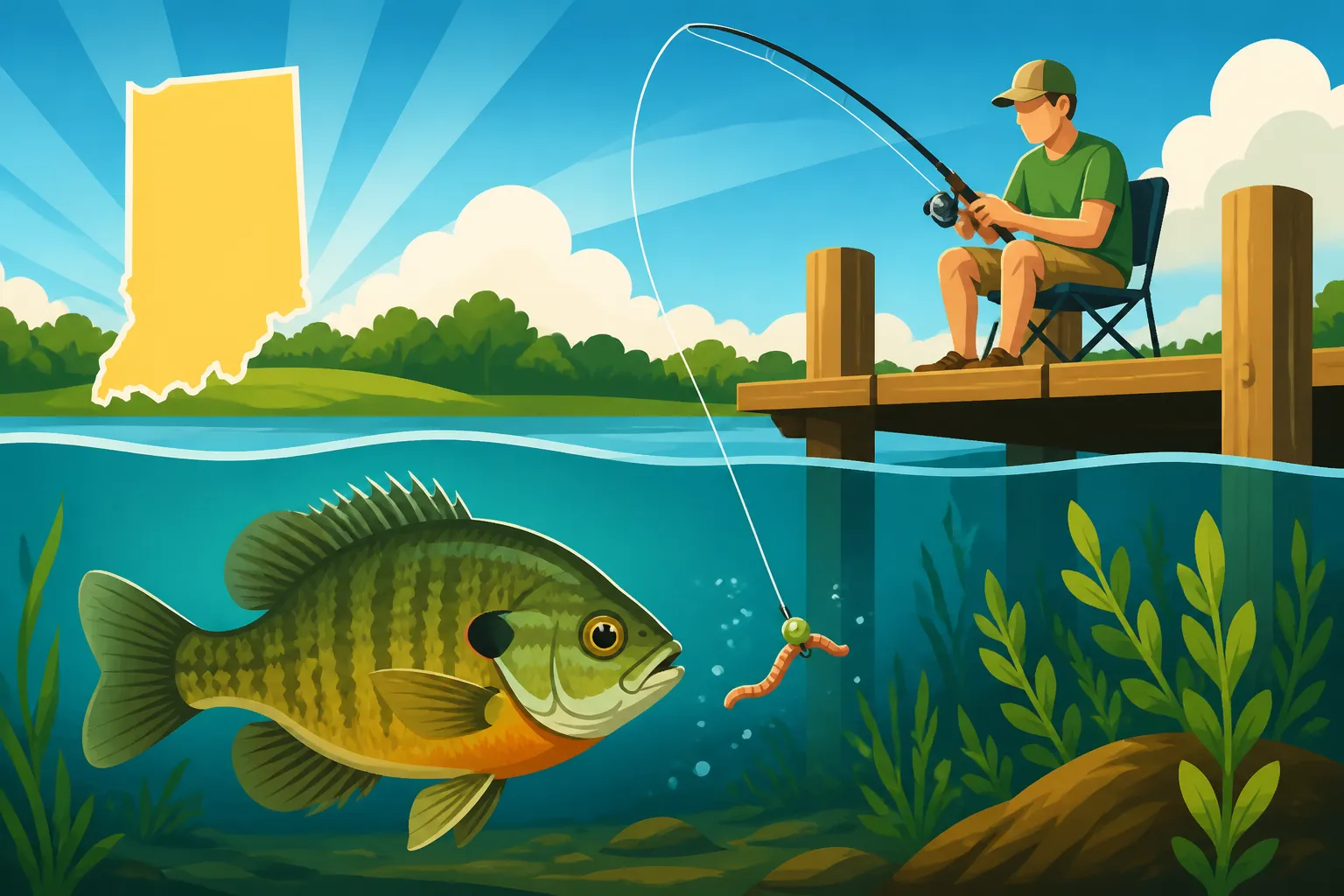
Let's face it, owning and maintaining a boat isn't for everyone. The costs involved, from the initial purchase to fuel, storage, and maintenance, can be significant. Then there's the hassle of launching and retrieving, especially on busy summer weekends. This is where dock fishing truly shines. It eliminates all those barriers, opening up the joy of fishing to virtually anyone. Public fishing piers, marina docks, and even some private community docks (with permission, of course!) provide fantastic access to productive waters without any of the boating overhead. It’s perfect for families with young children who might not have the patience for a long boat ride, or for anglers who simply prefer to keep their feet on solid ground. You can literally walk up, cast a line, and be fishing within minutes.
Think about it: instead of spending hours prepping and driving, you can grab your gear and be on the water in a fraction of the time. This makes spontaneous trips possible, whether it's an hour after work or a lazy Saturday morning. Plus, for those just getting into the sport, it's a less intimidating environment to learn casting techniques, bait presentation, and how to handle fish. You’re often surrounded by other anglers who might be willing to share tips, making it a friendly, communal experience.
Finding the Fish: Panfish Love Structure
Docks aren't just convenient for anglers; they're also irresistible magnets for panfish. Why? Because docks provide precisely what these smaller fish need to thrive: cover, shade, and a consistent food source. The pilings, crossbeams, and associated submerged structures create an ideal habitat. In sunny Indiana summers, the shade provided by a dock offers a cool, dark refuge for fish, protecting them from predatory birds and larger fish, and also making them more comfortable during the hottest parts of the day.
The structure of a dock also acts like a mini-ecosystem. Algae grows on the pilings, attracting insects and small invertebrates, which in turn become food for panfish. Baitfish, seeking protection, will also congregate around docks, creating a food chain that panfish are happy to be a part of. This means that if you can find a dock, chances are you'll find panfish. Understanding this inherent attraction is key to successful dock fishing; you're not just casting randomly, you're targeting a known fish haven. Docks naturally concentrate fish, which is a huge advantage for any angler, especially those who prefer not to explore vast expanses of open water.
Essential Gear for a Successful Dockside Panfish Trip
You don't need to break the bank to catch a mess of panfish from a dock. In fact, one of the beauties of this type of fishing is how minimalist you can be. However, having the right basic gear will significantly improve your experience and your catch rate. We’re talking about light, sensitive tackle that makes every nibble feel like a monster bite, and a selection of baits that panfish simply can’t resist.
Rods, Reels, and Line: Keeping it Light and Right
For panfish, finesse is the name of the game. You'll want to use ultralight spinning combos. These rods are typically 5 to 6 feet long, with a light action that allows you to feel even the most subtle bites. The reels should be small, 500 or 1000 series, perfectly balanced to the rod. This setup makes casting small, light baits a breeze and turns even a small bluegill into a fun fight. When selecting your rod, think about how it feels in your hand – comfortable and responsive. Many anglers swear by a good ultralight setup, and it doesn't have to be expensive. You can find excellent options on platforms like Amazon that offer great value.
As for line, stick to light monofilament or fluorocarbon. A 2 to 4-pound test line is usually perfect. Anything heavier will be more visible to the fish and will reduce your casting distance with light baits. A lighter line also allows for more natural bait presentation, which is crucial when targeting finicky panfish. Some anglers prefer a fluorocarbon leader of similar test strength, as it’s virtually invisible underwater and offers a bit more abrasion resistance around dock pilings. You'll find many excellent choices for Best Panfish Rods for Indiana Ponds that will serve you well. Remember, the goal is to make your bait look as natural as possible, and light line is a big part of that.
Baits and Lures: Tempting Indiana's Panfish
Panfish aren't usually picky eaters, which is great news for anglers. You have a wide array of options, both live bait and artificial, that will get their attention. For live bait, nothing beats the classics. Small worms, red wigglers, crickets, and even wax worms are irresistible to bluegill and redear sunfish. Crappie, on the other hand, often prefer small minnows. You can typically pick these up at your local bait shop. If you're looking for where to find the best squiggly treats, check out our guide on Best Bait for Bluegill Fishing in Farm Ponds. The natural scent and movement of live bait are often the quickest ways to get a bite, especially if the fish are a bit sluggish.
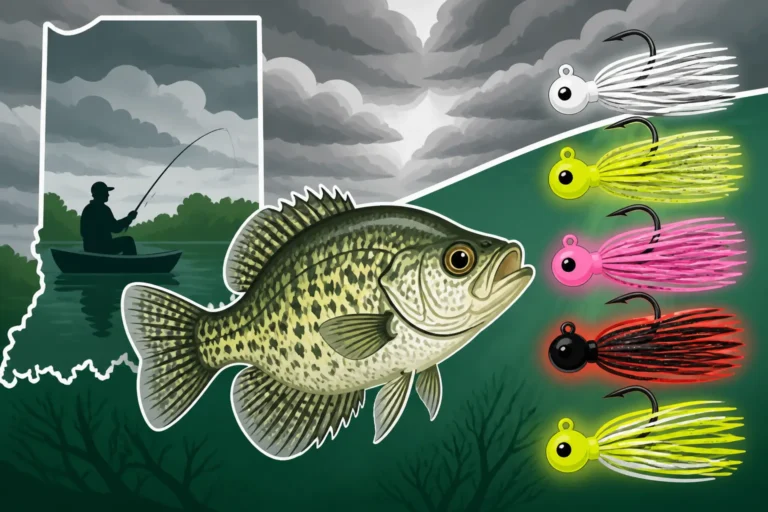
If you prefer artificials, small jigs are incredibly effective. Think 1/32 or 1/64 ounce jigs, often tipped with a tiny plastic grub, tube, or a feather tail. Colors can vary, but chartreuse, white, black, and pink are consistent producers. Small inline spinners can also work, especially for more aggressive panfish. The key with artificials is to impart subtle action – a slow retrieve, tiny twitches, or letting it fall slowly can often trigger a strike. For crappie, specifically, mastering Crappie Jigging Techniques for Beginners can make a huge difference. Many anglers stock up on a variety of colors and styles of micro jigs, and Amazon offers a vast selection, often in convenient multi-packs.
Terminal Tackle and Accessories: The Small Stuff That Matters
While your rod, reel, and bait are the stars of the show, a few essential pieces of terminal tackle and accessories will complete your dock fishing setup. For hooks, go small: size 8 or 10 Aberdeen hooks are perfect for bluegill and redear, while a size 6 or 4 can be better for crappie, especially when using minnows. These thin-wire hooks are less likely to tear a panfish's delicate mouth.
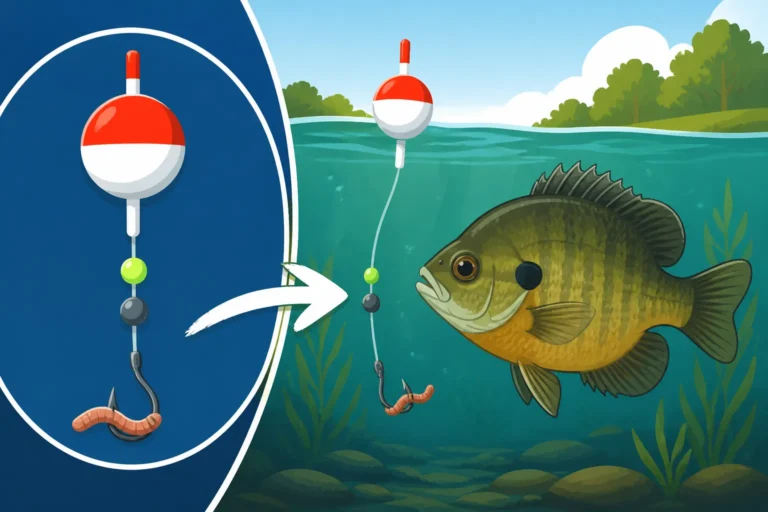
Bobbers are often indispensable for dock fishing, allowing you to suspend your bait at a specific depth and giving you a visual indicator of a bite. Small slip bobbers or clip-on models work well. You'll also need a few small split shot weights to get your bait down to the desired depth. Beyond the immediate tackle, consider a pair of small pliers for hook removal, a stringer or a small cooler to keep your catch fresh (if you plan to keep them), and maybe a small tackle box to keep everything organized. Again, for convenience, many anglers find a good selection of these smaller items by searching on Amazon, allowing them to quickly restock their Best Panfish Tackle for Indiana Anglers setup. Having a small cooler with ice, even if you’re just keeping a few for dinner, makes all the difference in the quality of the fish you bring home.
Unlocking the Dock: Finding the Best Spots and Presenting Your Bait
Fishing from a dock isn't just about casting out and hoping for the best. While panfish are often plentiful, the most successful anglers are those who understand how to "read" the dock and present their bait effectively. Every dock is unique, and learning to identify those prime fish-holding spots can turn a slow day into an unforgettable one.
Reading the Dock: Where the Panfish Hide
Panfish, much like real estate, are all about location, location, location. When approaching a dock, don't just pick the first open spot. Take a moment to observe. Look for areas that offer the most cover and shade. These are usually:
- Shade lines: The edge where the sunlit water meets the dock's shadow is a common holding area. Fish use this boundary for ambush points and protection. As the sun moves, the shade line will shift, so adjust your casts accordingly throughout the day.
- Pilings and Supports: The vertical structures that hold the dock up are covered in algae and small organisms, attracting baitfish and, subsequently, panfish. Cast as close to these pilings as you can without getting snagged.
- Submerged Structures: Often, docks extend over submerged brush, old tires, or other debris. These hidden features are panfish magnets. If you can see anything under the water, even vaguely, that’s a spot worth targeting.
- Weed Lines and Lily Pads: If there are aquatic plants growing near or under the dock, these provide excellent cover and food. Casting to the edge of these weed lines can be incredibly productive.
The time of day also plays a crucial role. During bright midday sun, panfish will often retreat to the deepest, darkest shade directly under the dock. Early mornings and late evenings, or on overcast days, they might be more willing to roam closer to the edges or even in more open water nearby. Being observant and adaptable to these conditions will greatly increase your chances of finding a honey hole.
Presentation Perfection: Getting Your Bait in the Strike Zone
Once you've identified a promising spot, the next step is to present your bait in a way that tempts the fish without spooking them. This requires a delicate touch and an understanding of how panfish feed.
- Casting Accuracy: Precision is key. Instead of a long, wild cast, aim to gently drop your bait exactly where you think the fish are. This might be right next to a piling, at the edge of a weed bed, or just inside a shaded pocket. A soft, accurate cast is less likely to scare away wary fish.
- Depth Control with a Bobber: A bobber allows you to suspend your bait at a specific depth. Panfish often school at certain depths, so experiment. Start by setting your bobber so the bait is a few feet below the surface, and if you're not getting bites, adjust deeper, especially if the fish are seeking shade or deeper structure. The goal is to put the bait right at their eye level.
- Tightlining and Subtle Twitches: Sometimes, especially for crappie or if fishing without a bobber, Tightlining Techniques for Crappie can be very effective. This involves using just enough weight to get your bait down and then slowly lifting and dropping your rod tip, imparting a subtle jigging motion. With either technique, slow and subtle is usually better than fast and erratic. Panfish aren't usually chasing down their prey like a bass; they're more likely to leisurely inspect and then nibble.
- Patience and Persistence: Don't be afraid to leave your bait in one spot for a minute or two, especially with live bait. Let the scent spread and give the fish time to find it. If you're using a jig, small, gentle twitches are often more effective than aggressive retrieves. If a spot isn't producing after several casts, move to another area of the dock.
Dealing with Snags and Other Dockside Challenges
Dock fishing, while rewarding, isn't without its quirks. Snags are a common frustration, especially when fishing around pilings, ladders, or submerged debris. To minimize snags, try to cast just short of the most obvious hazards, and be prepared to lose a few hooks. Using lighter line can sometimes mean losing less terminal tackle if the line breaks at the knot before the hook straightens.
Another challenge can be boat traffic, especially at public docks or marinas. Be mindful of boats coming and going, and be prepared to reel in your line quickly if needed. Other anglers also use docks, so maintain courteous spacing and avoid casting over others' lines. It’s a shared space, and a friendly atmosphere makes for a better day for everyone. Remember, a little respect for your fellow anglers and boaters goes a long way in ensuring pleasant dockside fishing.
Maximizing Your Catch: Seasonal and Species-Specific Tips
Understanding the general principles of dock fishing is a great start, but to truly excel, it helps to tailor your approach to the time of year and the specific panfish species you're hoping to catch. Different species have different habits, and their behavior changes with the seasons.
Prime Time Panfish: When to Hit the Docks
The beauty of panfish is that they can be caught year-round in Indiana, but certain seasons offer prime opportunities, especially from a dock.
- Spring: This is arguably the best time for dock fishing for many panfish. As water temperatures rise, species like crappie and bluegill move into shallower waters to spawn. This means they are often abundant and aggressive around docks. Our guide on Crappie Spawn Timing on Indiana Lakes goes into more detail, but generally, late spring sees a lot of activity. They are hungry and focused on reproduction, making them easier to catch.
- Summer: During the heat of summer, panfish activity can slow down during midday. However, early mornings, late evenings, and overcast days can still be incredibly productive. Panfish will often seek refuge in the deepest shade directly under docks during the brightest parts of the day. Fishing during these cooler periods will yield the best results.
- Fall: As water temperatures begin to drop, panfish become more active again, feeding heavily to prepare for winter. They might spread out a bit more but will still use docks for cover and ambush points. Fall can offer some fantastic fishing, often with less competition from other anglers.
- Winter: Yes, you can still catch panfish from docks in winter, especially if the water isn't completely frozen over or if you're targeting deeper docks on larger lakes. Fish will be more sluggish, so a very slow, subtle presentation is necessary. Sometimes, fishing directly off the edge of docks into deeper water, or even through ice near a dock if safe, can produce results.
For a more comprehensive look at the year, check out Best Time of Year for Panfish Fishing in Indiana. Knowing these seasonal patterns allows you to anticipate where the fish will be and how they'll be behaving, giving you a significant edge.
Targeting Specific Panfish Species from the Dock
While panfish often school together, knowing the specific preferences of bluegill, crappie, and redear sunfish can help you fine-tune your approach.
- Bluegill: These are often the most common catch from docks and are usually found in shallower areas. They love small worms, crickets, and tiny artificial jigs. When fishing for bluegill, keep your bait relatively shallow, from a few inches to a few feet below the surface, especially if there's good cover like lily pads or submerged vegetation. They're identifiable by their distinctive dark spot on their gill flap; learn more with our Bluegill Identification: A Beginner's Guide.
- Crappie: Crappie tend to prefer slightly deeper water than bluegill and often suspend in schools around dock pilings or submerged brush. They are primarily minnow eaters, so small live minnows under a bobber are a classic choice. Small jigs (1/32 to 1/16 oz) tipped with tiny plastic tubes or grubs are also highly effective. Experiment with depth until you find the school. Our guide on How Many Crappie Can You Keep in a Day? provides important details on regulations.
- Redear Sunfish: Often called "shellcrackers" because of their diet of snails and mollusks, redear sunfish are typically found closer to the bottom, especially near sandy or gravelly areas. They respond well to worms, small pieces of nightcrawler, or even small pieces of clam meat if you can find it. Keep your bait near the bottom for these delicious panfish. Their daily limit is generous, as detailed in Redear Sunfish Daily Limit: 25 per Day.
| Species | Preferred Dock Location | Best Bait/Lure | Typical Depth |
|---|---|---|---|
| Bluegill | Shallow shade, near weed lines, around pilings | Worms, crickets, wax worms, tiny jigs (1/64-1/32 oz) | 1-5 feet |
| Crappie | Suspended around pilings, deeper shaded areas, brush | Small minnows, tube jigs, grub jigs (1/32-1/16 oz) | 3-10 feet (often deeper) |
| Redear Sunfish | Near bottom, sandy/gravelly areas, submerged debris | Worms, pieces of nightcrawler | 4-12 feet |
| Yellow Perch | Cooler, deeper water around pilings | Small minnows, tiny jigs, pieces of worm | 5-15 feet |
Respecting the Limits: Catch and Release vs. Keeping Your Catch
One of the great joys of panfishing is the opportunity to bring home a delicious meal. However, it’s crucial to be aware of and respect Indiana's fishing regulations. Most panfish species in Indiana have a daily bag limit of 25 fish per species. This means you can keep 25 bluegill, 25 crappie, and 25 redear sunfish in a single day, but these are separate limits. Always double-check the current Panfish Daily Limit in Indiana: 25 per Species for the specific body of water you're fishing, as regulations can sometimes vary.
Many anglers practice selective harvest, keeping only enough for a meal and releasing the rest, especially larger breeding fish. This helps ensure healthy fish populations for the future. If you do plan to keep fish, make sure to have a stringer or a cooler with ice to keep your catch fresh. Releasing fish gently and quickly, especially those you don't intend to keep, is a cornerstone of ethical angling. For a complete overview of these incredible fish, refer to our Indiana Panfish Guide: Crappie, Bluegill, and Sunfish.
Enjoy your time on the docks, feel that tug on your line, and savor the simplicity and accessibility that dock fishing for panfish offers in our wonderful state!
Disclaimer
This article is for general informational purposes only and does not constitute professional advice. Laws, prices and regulations vary by location and change over time. Consult a qualified professional for guidance on your specific situation.