Best Muskie Lures for Fall Fishing
Fall muskie fishing in Indiana is an exhilarating challenge, but it can also be incredibly frustrating when you're throwing massive baits all day without a strike. Many anglers wonder which lures truly shine when the water cools and these elusive "fish of 10,000 casts" become more active. This guide is all about equipping you with the knowledge of the best muskie lures for fall fishing, helping you zero in on what works when Indiana's waters start to chill and those toothy predators go on the prowl.
Why Fall is Prime Muskie Time in Indiana
When the crisp air of autumn sweeps across Indiana, and the leaves begin their vibrant transformation, a magical shift happens beneath the surface of our lakes and rivers: the muskie bite ignites. It's a time of year that serious muskie anglers live for, often yielding the biggest fish of the season. If you've ever found yourself wondering why your summer tactics aren't quite cutting it anymore, it's because the muskie's entire world changes with the falling temperatures.
Seasonal Changes and Muskie Behavior
As summer transitions into fall, the water temperatures in lakes like Webster, Tippecanoe, and Lake Wawasee begin to drop steadily. This cooling trend is the biological trigger for muskellunge to enter what's often called their "feeding frenzy" or "bulking up" phase. They know that a long, lean winter is approaching, and they need to pack on as much weight as possible. This means they become more aggressive, more willing to chase, and often, more predictable in their hunger for larger prey. They're actively seeking out big meals to sustain them through the colder months, making them more susceptible to your offerings if you present the right lure.
Another key factor is baitfish migration. As aquatic vegetation dies back and water clarity often improves, baitfish schools start to move more openly, often congregating in deeper channels or along distinct structures. Muskie, being apex predators, follow these schools. Understanding these shifts in behavior and location is crucial. You're not just throwing a lure; you're offering a calorie-rich meal to a fish that's increasingly desperate to consume it. This is why you'll often hear about anglers landing their personal bests during this window. You can learn more about specific behaviors in our guide on Fall Muskie Fishing Patterns in Indiana.
Water Temperature Sweet Spots for Aggressive Feeding
Muskie are cold-blooded, and their metabolism is directly tied to water temperature. While they are active in summer, the fall brings water temperatures into their absolute sweet spot for aggressive feeding. Generally, when surface temperatures drop into the 50s Fahrenheit, muskie fishing can be phenomenal. They're still active enough to chase down fast-moving baits, but the cooler water allows them to recover more quickly from the fight, making them more sustainable for catch-and-release.
As temperatures continue to fall into the low 40s, the bite might slow down a bit in terms of sheer numbers, but the quality of fish often goes up. This is when muskie will often hold tighter to structure, waiting to ambush prey. They're conserving energy but will still strike a well-presented lure, often one that mimics a large, slow-moving meal. Understanding these temperature ranges helps you choose not just the right lure, but also the right retrieve speed and depth, giving you a significant advantage in tempting these elusive giants. It's a delicate balance; too warm, and they might be sluggish; too cold, and they become lethargic. Fall nails that perfect window.
Essential Fall Muskie Lure Categories
When it comes to muskie fishing in the fall, you're not just grabbing any old lure out of your tackle box. This is a time when muskie are looking for a substantial meal, and your lure selection needs to reflect that. We're talking about big baits, designed to imitate the larger forage fish that muskie are targeting to pack on weight before winter. Forget the small finesse stuff; fall is for going big or going home.
Crankbaits and Jerkbaits: The Hard-Bodied Hunters
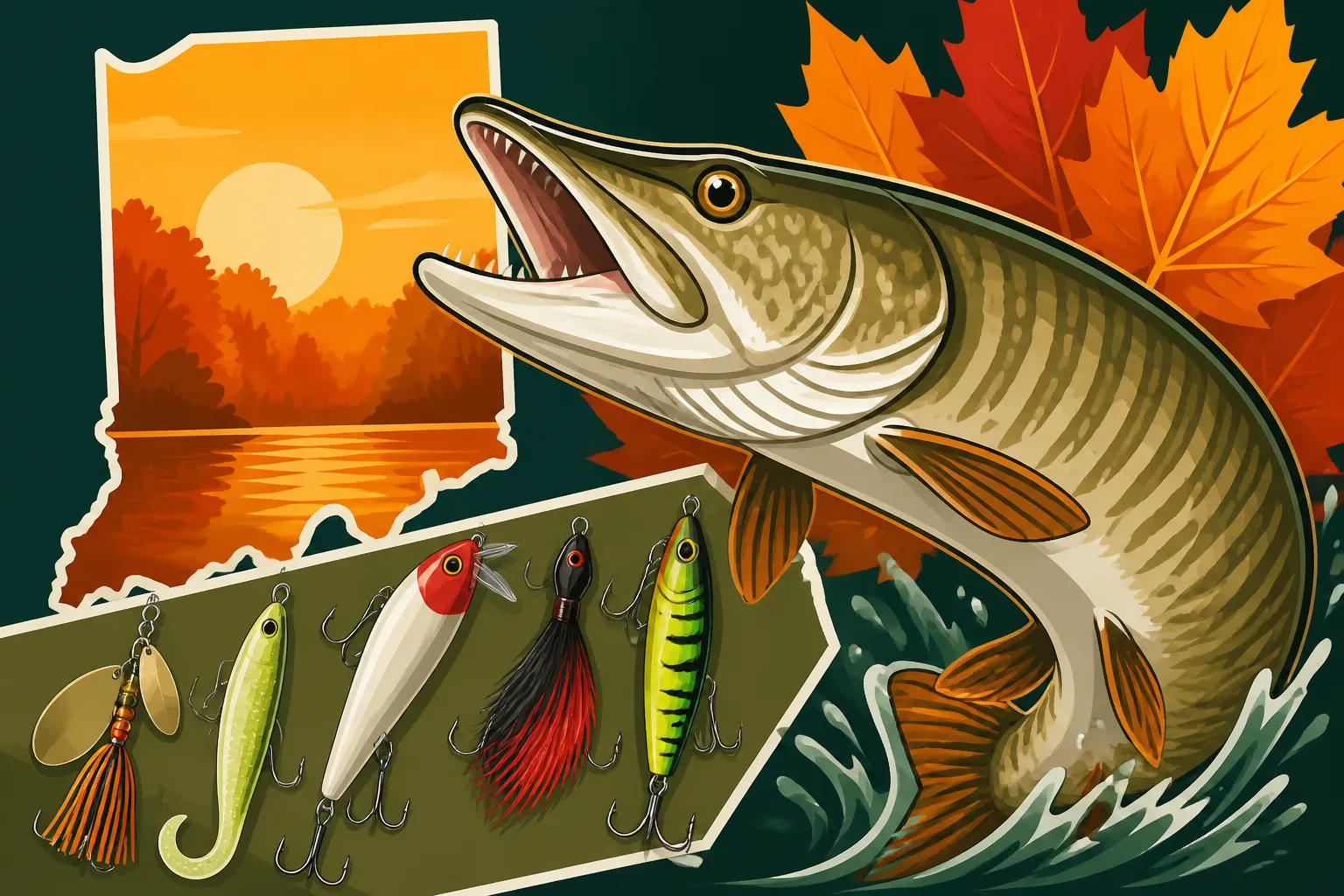
Hard-bodied lures like crankbaits and jerkbaits are absolute staples for fall muskie. These lures excel at imitating larger baitfish like suckers, ciscoes, and shad, which are prime muskie forage in the autumn months. They come in a dizzying array of sizes, shapes, and dive depths, giving you incredible versatility.
Crankbaits are designed to be retrieved steadily, diving to a specific depth and emitting vibrations that attract predators. In fall, you'll often want larger, deeper-diving models that can reach muskie holding on deeper structure or suspended over open water. They present a fat profile, signaling an easy, energy-rich meal. Look for models with realistic baitfish patterns.
Jerkbaits, on the other hand, require a more active retrieve. You twitch, pause, and reel, making the lure dart erratically, mimicking a wounded or disoriented baitfish. This stop-and-go action can be absolutely deadly in cooler water, as muskie often prefer a lure that pauses right in their strike zone, giving them an easy target. Some popular choices include large minnow-imitating jerkbaits that suspend in the water column during pauses. Many anglers find a good selection of these hard-to-find, larger jerkbaits on Amazon, especially if they're looking for specific colors or actions that local shops might not carry.
Bucktails and Spinnerbaits: Flash and Vibration
Bucktails and spinnerbaits are classic muskie getters, and for good reason. They create incredible flash and vibration in the water, mimicking a fleeing baitfish or even a school of smaller baitfish. In the fall, when muskie are actively chasing, these lures can be irresistible.
Fall bucktails often feature larger blades – think #8, #10, or even larger "magnum" blades. These big blades displace a lot of water and create a tremendous thump that muskie can feel from a distance. The combination of flash from the blades and the pulsating action of the bucktail skirt is a powerful attractor. Retrieval speed can vary; sometimes a fast, burning retrieve triggers a reaction strike, while other times a slower, more deliberate retrieve is what they want, especially as water temperatures dip into the low 50s.
Spinnerbaits, particularly oversized muskie spinnerbaits, also have their place. While bucktails typically reign supreme, spinnerbaits can offer a different profile and vibration, sometimes enticing a strike when other lures fail. Their wire frame and single hook can also be advantageous in snaggy cover, though fall muskie often relate to cleaner, deeper structure. Both types of lures are excellent for covering water quickly and locating active fish.
Soft Plastics and Rubber Baits: Slow and Substantial
When the water gets really cold, or muskie are being particularly finicky, soft plastics and large rubber baits can be incredibly effective. These lures offer a different presentation – often slower, more subtle, but with a large, enticing profile.
Massive soft plastics, like large swimbaits, grubs, or even soft jerkbaits, can be rigged weightless or with minimal weight to allow for a slower sink rate and a more natural, undulating action. The key here is the size; these aren't your typical bass plastics. We're talking 8, 10, or even 12-inch creations designed to represent a significant meal. Their soft, lifelike texture can fool even the most cautious muskie.
Rubber baits, such as Bull Dawgs or Medussas, are another fantastic fall option. These heavy, solid rubber lures sink quickly and can be worked effectively at various depths. They have a unique, undulating swimming action on the retrieve and often produce strikes on the fall. Their durability is also a major plus when dealing with muskie teeth. You can find specialty muskie soft plastics and rubber baits from niche manufacturers, many of which are readily available through online retailers like Amazon, offering a wider selection than brick-and-mortar stores. They are excellent for probing deeper breaks or working around sparse cover where muskie might be staging for ambush.
Deep Dive into Top Fall Muskie Lures
Alright, now that we've covered the general categories, let's get down to the specifics of what truly shines for fall muskie fishing in Indiana. Choosing the right lure isn't just about what's popular; it's about matching the conditions, the muskie's mood, and the forage in the particular body of water you're fishing.
Bulldawgs and Other Rubber Baits: The Heavy Hitters
When that cold front rolls in and muskie start to hug the bottom or suspend in deeper water, you absolutely need to have some heavy rubber baits like the original Bulldawg or similar models in your arsenal. These lures are fantastic because they sink quickly, allowing you to get down to those deeper holding fish efficiently. They come in various sizes, from standard to magnum, and for fall, leaning towards the larger side is almost always a good idea.
Why they work: The unique, undulating swimming action of a Bulldawg on the retrieve is incredibly enticing. It's a big, juicy profile that looks like a slow-moving, easy meal. What makes them particularly deadly in fall is their action on the fall. Many strikes occur as the lure sinks after a sweep of the rod, mimicking a dying baitfish. The weight of the lure means you can cast it a country mile, covering vast amounts of water.
How to fish them: A common technique is to cast it out, let it sink to your desired depth, and then use long, sweeping pulls of the rod, reeling in the slack as you drop the rod tip. Think of it like a giant jigging motion. You're trying to make the lure rise, then fall, rise, then fall. Pay close attention to your line on the fall for any sudden twitches or stops, as that's often when a muskie will inhale it. Colors that mimic local forage like perch, cisco, or even simple black and white patterns can be very effective.
Large Blade Bucktails: Flash and Fury
Bucktails are synonymous with muskie fishing, and in the fall, bigger is definitely better when it comes to blades. We're talking about those massive tandem or triple-bladed bucktails that look like miniature lawnmowers. These are designed to create maximum flash and vibration, screaming "look at me!" to any nearby muskie.
Why they work: The sheer commotion generated by these giant blades is hard for a muskie to ignore, especially when they're actively feeding. The flash mimics the scales of a fleeing baitfish, while the vibration translates into a palpable "thump" that the muskie's lateral line can detect from a distance. Fall muskie often position themselves near ambush points, and a fast-moving, high-flash bucktail can trigger an aggressive reaction strike from fish that might otherwise be hesitant. You'll find many specialty muskie bucktails, including custom-tied ones, available for purchase on platforms like Amazon.
How to fish them: The most common retrieve for large bucktails is the "burn." Cast it out and reel it in as fast as you can, keeping your rod tip low. You want those blades spinning at maximum velocity. This speed often elicits a pure reaction strike, as the muskie doesn't have time to think, only to attack. However, don't be afraid to experiment with slightly slower retrieves, especially as the water gets colder, or add a short pause now and then to let the lure flutter momentarily. The "figure-eight" maneuver at the boat, where you draw the lure in a large "8" pattern next to the boat before lifting it out of the water, is absolutely critical when fishing bucktails, as many muskie will follow the lure right up to the boat before striking. You can find more detail on this technique in our guide on How to Figure-Eight a Muskie at the Boat.
Glide Baits and Large Jerkbaits: The Subtle Slayers
For those days when muskie are a bit more finicky, or when you're targeting specific structure in clearer water, glide baits and large, suspending jerkbaits can be incredibly effective. These lures offer a different, more nuanced presentation than the aggressive flash of a bucktail or the heavy thud of a rubber bait.
Why they work: Glide baits, as their name suggests, "glide" from side to side with a twitch of the rod, mimicking a baitfish swimming naturally or even struggling. Their broad profile and subtle, sinuous action can be irresistible to muskie that are unwilling to chase something fast. Large suspending jerkbaits, like a Suick or similar minnow-imitating lures, also excel at this. They dive and dart with a pull, but then pause, hanging tantalizingly in the water column, often driving a hesitant muskie to strike. This pause is often where the magic happens, giving the muskie just enough time to commit.
How to fish them: With glide baits, it's all about the retrieve. Cast it out, let it sink to depth, and then use sharp rod twitches, allowing the lure to glide, then pause. Vary the length of your pauses and the aggressiveness of your twitches until you find what the fish prefer. For suspending jerkbaits, a common cadence is twitch-twitch-pause, then repeat. The length of the pause is critical; sometimes a short pause is all it takes, other times a long, drawn-out pause of several seconds will seal the deal. These lures are fantastic for working around sparse weed lines or submerged timber in lakes like James Lake where trophy muskie are known to lurk.
| Lure Type | Key Characteristics | Ideal Fall Conditions | Retrieval Style | Muskie Behavior Triggered |
|---|---|---|---|---|
| Bulldawgs/Rubber | Heavy, soft body, sinks fast, undulating action | Deeper water, colder temps, finicky fish | Long sweeps, pause on the fall | Ambush, slow chase, easy meal |
| Large Bucktails | Large blades, bucktail skirt, high flash | Active fish, warmer fall temps, covering water | Fast, steady "burn" | Reaction strike, aggressive chase |
| Glide Baits | Hard body, S-motion glide, subtle action | Clearer water, pressured fish, specific structure | Twitch, pause, smooth retrieve | Curiosity, wounded baitfish mimicry |
| Suspending Jerkbaits | Hard body, darts erratically, pauses | Colder water, hesitant fish, ambush points | Twitch-twitch-pause | Erratic movement, easy target on pause |
Presentation and Strategy for Fall Muskie Success
Having the right lures is only half the battle; knowing how and where to present them is equally crucial for fall muskie success. These fish are big, smart, and often solitary, so your strategy needs to be deliberate and adaptable. You're not just casting aimlessly; you're trying to intercept a predator in its hunting grounds.
Targeting Key Structures and Depths
In the fall, muskie often relate to specific structures that offer both ambush opportunities and proximity to deeper water for comfort and escape. Think about what a muskie needs: food, cover, and temperature regulation.
Weed Lines and Edges: Even as shallow weeds die off, deeper, healthier weed lines will often hold baitfish, and thus muskie. Concentrate your efforts along these hard edges, casting parallel to them or working lures over the tops of submerged weeds. The transition zones between weeds and open water are prime ambush points.
Drop-Offs and Ledges: Muskie love vertical structure. Deep contours, ledges, and breaks that drop into deeper water are classic fall holding areas. Baitfish will often congregate along these breaks, and muskie will sit just off the edge, ready to pounce. Use lures that can be worked effectively at varying depths to probe these areas.
Humps and Points: Submerged humps or points that extend into deeper water act like magnets for baitfish and, consequently, muskie. These areas often have current or provide a navigational landmark for fish. Cast across the tops of humps and let your lure sink down the sides, or fan-cast around points to cover all angles. Many of Indiana's best muskie lakes, particularly in the Glacial Lakes region, offer such excellent structures.
Varying Retrieval Speeds and Actions
One of the biggest mistakes anglers make is using a consistent retrieve. Fall muskie can be incredibly particular, and what works one day might not work the next. This is where experimentation comes in.
Fast and Aggressive: Earlier in the fall, when water temperatures are still relatively warm (low 60s to mid-50s), a fast, aggressive retrieve with bucktails or quickly cranked crankbaits can trigger reaction strikes. Muskie are still highly active and willing to chase. This is about generating a lot of flash and vibration to provoke an attack.
Slow and Deliberate: As the water gets colder (low 50s to low 40s), muskie often become more lethargic, conserving energy. This is when slower retrieves with glide baits, large jerkbaits, or slowly worked rubber baits shine. Focus on presenting the lure as an easy meal that doesn't require a lot of energy to catch. Incorporate longer pauses, allowing the lure to suspend or flutter. Sometimes, just one long sweep of a Bulldawg followed by a long pause is all it takes. Remember, even a slight change in speed can make all the difference.
The Importance of Heavy Gear and Proper Handling
Muskie are powerful fish, and fall muskie are often the biggest of the year. This is not the time to skimp on your gear. You need heavy-duty rods, reels, and line to handle these beasts. A good muskie rod will be stout with a strong backbone, often in the 8 to 9-foot range, designed to cast heavy lures all day and control a powerful fish. Pair it with a high-quality baitcasting reel capable of handling heavy braided line (80-100 lb test is common) and a strong leader. You can explore options for Best Rods for Muskie Fishing to find suitable setups.
Beyond the fight, proper handling is paramount for muskie survival, especially with these larger fall fish that are critical for future generations. Always use a large, rubberized landing net specifically designed for muskie. Keep the fish in the water as much as possible, use long-nosed pliers or jaw spreaders for hook removal, and avoid putting your fingers in their gills. If you want a photo, be quick, keep the fish horizontal, support its body, and get it back into the water promptly. A healthy release ensures these incredible fish can continue to thrive in Indiana's waters.
Internal Links and Further Reading
Understanding the seasonal patterns is key to successful fishing. Beyond just muskie, knowing the Best Time of Year for Muskie Fishing in Indiana can help you plan your trips effectively. If you're new to muskie fishing, getting a handle on the basics from our Muskellunge Fishing in Indiana: What Anglers Need to Know guide is a great starting point.
For those eager to get out there and practice their casting, remember that Muskie Casting Techniques are different from bass fishing and require specialized skills. And if you're hitting the water in a boat, make sure you know your Indiana Boat Registration Rules Explained to avoid any surprises on the water.
Finally, while we've focused on lures, don't forget that What's the Best Lure Color for Muskie Fishing? can also be a crucial factor depending on water clarity and light conditions. For specific locations, you might want to read up on Best Muskie Lakes in Indiana to pinpoint your next adventure. Many serious anglers also review options for the Best Tackle for Ice Fishing on Indiana Lakes as the season gets even colder, transitioning from open water muskie to other winter pursuits.
Disclaimer
This article is for general informational purposes only and does not constitute professional advice. Laws, prices and regulations vary by location and change over time. Consult a qualified professional for guidance on your specific situation.