Best Time to Fish Steuben County Lakes in Indiana
The thrill of anticipating a bend in the rod, only to be met with an empty retrieve, can be incredibly frustrating. Many anglers, especially those venturing into the beautiful waters of Steuben County in Indiana, often wonder if their timing is off rather than their technique. It's a valid concern – fish behavior is heavily influenced by the seasons and daily conditions. This comprehensive guide will peel back the layers of Steuben County's unique glacial lakes, helping you pinpoint the best times to cast your line for a truly rewarding experience.
The Unique Charm of Steuben County's Glacial Lakes
Steuben County, nestled in Indiana's northeast corner, is renowned for its stunning chain of glacial lakes. These aren't your typical reservoirs; they're deep, clear, and rich with structure left behind by ancient glaciers, offering a distinct fishing experience. Understanding the characteristics of these lakes is the first step to mastering when and how to fish them effectively.
Understanding the Diverse Fish Population
These clear, deep lakes like Lake James, Lake George, and Crooked Lake are home to a diverse array of sport fish that behave differently throughout the year. You'll find strong populations of walleye, northern pike, largemouth bass, smallmouth bass, and a fantastic assortment of panfish including bluegill, crappie, and redear sunfish. Each of these species has its own seasonal patterns influenced by spawning, feeding, and water temperature. For example, walleye might be found shallow during colder periods but retreat to deeper, cooler waters as summer heat sets in. Knowing what you're targeting allows you to align your visit with their peak activity periods. If you're keen on finding other toothy predators, you might also be interested in our guide on Muskellunge Fishing in Indiana What Anglers Need to Know, as these giants also inhabit some of the larger glacial lakes, though often requiring specialized tactics.
Impact of Glacial Formations on Fishing
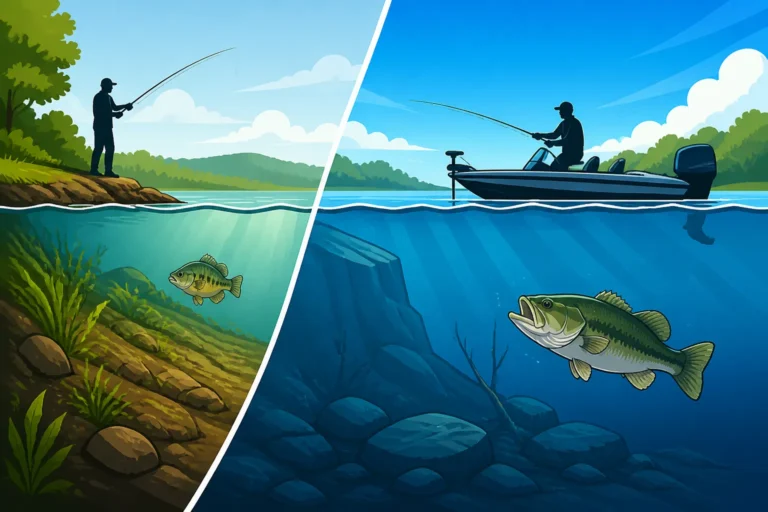
The geology of Steuben County's lakes is a huge factor in their productivity. These lakes are deep, often reaching 80 to 100 feet in some areas, with varying bottom contours from rocky reefs to sprawling weed beds. This depth means that even in the heat of summer, there are always cooler, oxygen-rich waters for fish to retreat to. The clear water, while beautiful, also means fish can be more wary of presentations, requiring lighter lines and more subtle approaches. During different seasons, understanding where the thermocline (the boundary between warmer surface water and cooler deep water) sits becomes crucial for locating fish, especially cold-water species like walleye and pike. The numerous points, drop-offs, and submerged structures offer fantastic ambush points for predators and shelter for forage, making topographical maps an invaluable tool for any angler here.
Spring Fishing in Steuben County: A Season of Renewal and Opportunity
Spring in Steuben County is a time of awakening, both for nature and for the fish beneath the surface. As ice melts and water temperatures slowly climb, fish become incredibly active, shaking off winter lethargy and preparing for their annual spawns. This season offers some of the most exciting and productive fishing of the year.
Pre-Spawn Frenzy for Walleye and Pike
As soon as the ice leaves the lakes, usually by late March or early April, the pre-spawn activity for walleye and northern pike kicks into high gear. These fish move from their deep winter haunts into shallower staging areas, congregating near rocky points, sand flats, and channel mouths that lead to spawning grounds. The water temperature is key here; once it hits the mid-40s to low 50s Fahrenheit, they become incredibly aggressive, trying to pack on weight before the rigors of spawning. Targeting these areas with jerkbaits, lipless crankbaits, or live bait like shiners can lead to some truly memorable catches. This is often regarded as one of the Best Months for Walleye Fishing in Indiana's Glacial Lakes.
The window for this intense pre-spawn bite can be relatively short, often lasting only a few weeks before the actual spawn. After spawning, which typically happens when water temperatures reach the mid-50s, the fish may become lethargic for a brief period before resuming a post-spawn feeding pattern. Understanding these subtle shifts is crucial. Many local anglers will focus on areas where current or natural channels provide access to shallower water, knowing that these will be migratory routes for the hungry predators. For more on these toothy fish, check out our Northern Pike Fishing in Indiana A Complete Guide.
Panfish Explosion: Crappie and Bluegill in the Shallows
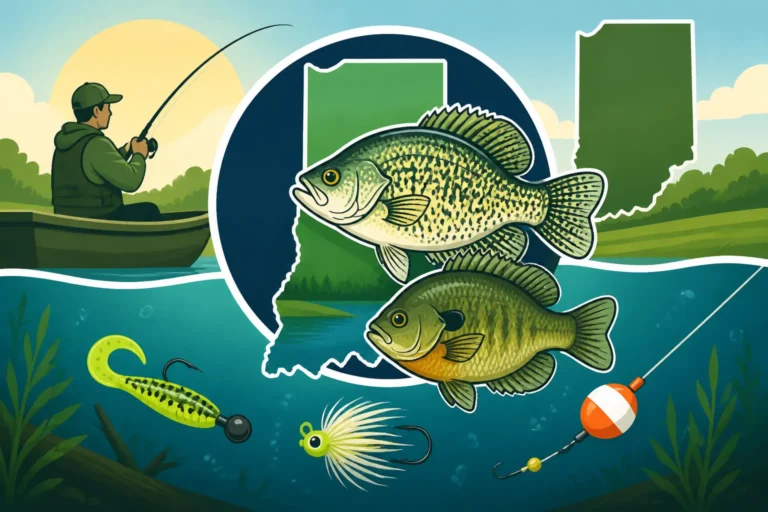
Spring is arguably the best time to target panfish like crappie and bluegill in Steuben County. As water temperatures push into the 50s and 60s, these abundant species move into very shallow water to spawn. You'll find them in protected coves, around submerged brush, lily pad stems, and near docks, sometimes in water as shallow as one to three feet. This makes them incredibly accessible for shore anglers and those in smaller boats or kayaks.
The sheer numbers of panfish during this time can provide non-stop action, perfect for introducing kids to fishing or for anglers looking for a high-volume catch. Small jigs tipped with a grub, wax worm, or a tiny minnow under a bobber are exceptionally effective. You can often spot their "beds"—small circular depressions in the sand or gravel—making sight fishing a real possibility on clear days. A light action rod and reel combo, easily found on platforms like Amazon, is ideal for feeling the subtle bites of these pan-sized fighters. If you're new to catching these tasty fish, our guide on Crappie and Panfish Fishing Techniques for Beginners offers some great starting points.
Best Spring Tactics and Gear
For spring success, a versatile tackle box is your best friend. For walleye and pike, focus on crankbaits that dive to medium depths, swimbaits, and live shiners or suckers fished on slip bobbers or bottom rigs. For panfish, ultralight spinning gear loaded with 4-6 pound test line is perfect. Small jigs (1/32 to 1/16 ounce) in bright colors like chartreuse, pink, or white, tipped with live bait or soft plastics, will often elicit strikes.
Consider also bringing a variety of soft plastics that mimic baitfish for bass, which will also be moving shallow as temperatures rise. Remember, the waters are still cool, so a slower retrieve is often more effective than aggressive presentations. You'll want to choose a rod with a sensitive tip to detect those light spring bites. Many anglers find great deals on these specialized rods and reels on Amazon before the season officially kicks off.
Summer's Bounty: Deep Water, Early Mornings, and Evening Bites
While summer brings warmer weather and more recreational boat traffic to Steuben County's lakes, it still offers fantastic fishing opportunities. The key is to adapt your strategies to account for increased water temperatures and fish behavior changes.
Walleye and Pike in Deeper, Cooler Waters
As the surface waters heat up in summer, typically reaching the 70s Fahrenheit, walleye and northern pike retreat to deeper, cooler sections of the lakes. They'll often be found near the thermocline, which provides the ideal combination of cooler temperatures and oxygenated water. Look for them on deep humps, along steep drop-offs, and over submerged structure in 20-40 feet of water. This means your traditional shallow-water tactics from spring won't be as effective.
Trolling with deep-diving crankbaits or spinner rigs tipped with nightcrawlers (often referred to as 'crawler harnesses') is a highly productive method for covering water and locating these deeper fish. Downriggers can be invaluable for presenting baits at precise depths. Alternatively, vertical jigging with spoons or heavy jigs, especially during low-light periods, can also tempt strikes from lethargic fish. Our article on Walleye Trolling Techniques provides an excellent overview for mastering this summer approach. Remember that Indiana Walleye Length Limits by Lake can vary, so always check the specific regulations for the lake you're fishing.
Bass and Panfish: Adapting to Warmer Conditions
Largemouth and smallmouth bass in Steuben County also adjust their behavior as summer progresses. They'll often seek refuge in areas with shade and cover during the brightest parts of the day. Think thick weed beds, submerged timber, docks, and pontoon boat covers. Early mornings, late evenings, and even night fishing become prime times for bass as they move out of cover to feed. Topwater lures can be incredibly exciting during these low-light periods, generating explosive strikes.
Panfish, while still abundant, might move slightly deeper than their spring spawning grounds. You'll find them around the deeper edges of weed lines, under docks that provide shade, or suspended over deeper structure. Crappie especially will school up, making them a prime target if you can locate a school using a fish finder. Jigging small jigs or fishing with crickets or red worms under a bobber remain effective, just be prepared to fish a bit deeper than in spring.
Overcoming Summer Challenges
Summer fishing in Steuben County comes with its own set of challenges. Increased boat traffic from recreational users can make certain areas less productive during peak daylight hours. This is why early morning or late evening trips often yield the best results. The heat can also be a factor for both anglers and fish, so staying hydrated and being mindful of fish handling are crucial.
Consider using heavier line and gear, especially around thick vegetation, as summer weeds can be dense and fish will often try to bury themselves in it once hooked. Lure colors might also shift; natural baitfish patterns often work well in clear water, but brighter or darker colors can be effective in stained water or low light. Keeping a variety of soft plastics in different sizes and colors, easily ordered through Amazon, can be a game changer when trying to "match the hatch" or fish specific cover.
Fall Fishing: The Autumnal Feeding Frenzy in Steuben County
As summer's heat gives way to cooler autumn air and falling leaves, Steuben County's lakes undergo another significant transformation, ushering in one of the most productive fishing seasons of the year. Fall is when many species engage in a "feeding frenzy" as they instinctively prepare for the long winter months ahead.
Aggressive Walleye and Pike Preparing for Winter
The cooling water temperatures of fall trigger a strong instinctual feeding response in walleye and northern pike. They know winter is coming and they need to build up fat reserves. This means they become incredibly aggressive, often willing to chase down larger baits. You'll find them transitioning back from their deep summer haunts to shallower to mid-depth areas, especially around points, rocky structures, and weed lines that haven't completely died back.
Unlike the precise, structure-oriented fishing of summer, fall walleye and pike often roam more freely, actively hunting baitfish. Trolling with larger crankbaits, casting big spinnerbaits, or fishing hefty live bait such as suckers or large shiners on slip bobbers can be incredibly effective. The bite can be fantastic from dawn till dusk, and often extends well into the night, especially for walleye. This period is a prime opportunity to land some of the biggest fish of the year as they are at their heaviest. Many anglers consider this the Best Time of Year for Muskie Fishing in Indiana and similarly for pike, given their shared aggressive feeding patterns.
Bass and Panfish: Last Chance for Surface Action
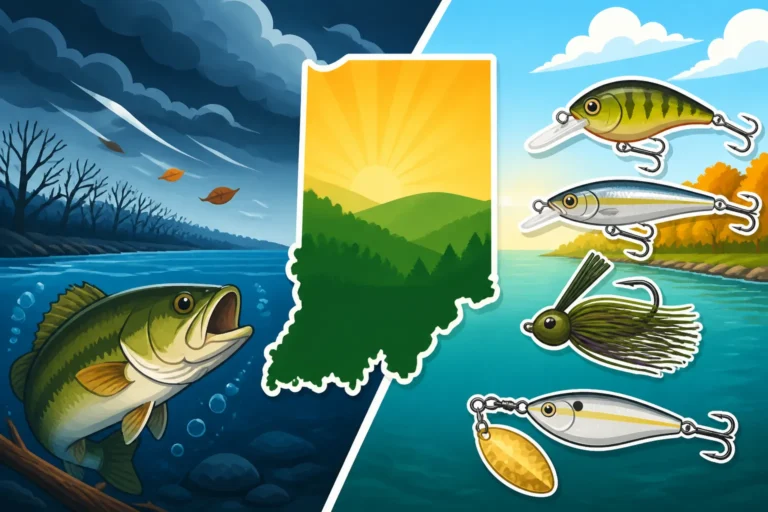
Fall also offers a fantastic "last hurrah" for bass and panfish before they settle into their winter patterns. As water temperatures drop into the 60s and 50s, bass become very active, chasing schools of baitfish in open water or along prominent points. Topwater action can remain excellent during the early fall, especially on cloudy days or during low light, as bass are less wary. Spinnerbaits, chatterbaits, and crankbaits that mimic fleeing baitfish are go-to lures.
Panfish, too, are still very active, feeding heavily on insects and smaller baitfish. While they might not be in the ultra-shallow spawning areas, they'll still be accessible in mid-depth weed beds, around brush piles, and near deeper docks. They'll readily take small jigs, live worms, or crickets. As water temperatures continue to drop, they will gradually move deeper, so keep an eye on your fish finder for schools suspended over structure or hunkered down on the bottom.
Optimal Fall Baits and Techniques
Variety is key for fall fishing. For predators like walleye and pike, consider bigger baits than you might use in spring or summer. Large crankbaits, swimbaits, and even large jigs tipped with substantial soft plastics can draw vicious strikes. Colors that mimic local forage like shad, perch, or bluegill are often highly effective. For bass, jerkbaits, lipless crankbaits, and medium-diving crankbaits are excellent for covering water.
A slower retrieve can sometimes be more effective than a fast one, as fish are trying to conserve energy while still feeding. For panfish, stick with proven small jigs, minnows, or worms, but be prepared to fish them a bit deeper. Don't forget to layer up; fall mornings can be crisp, but afternoons can warm up considerably. Having a good, waterproof jacket, available on Amazon, can make all the difference for comfort during these changeable conditions.
Winter Wonderland: Ice Fishing on Steuben County's Frozen Gems
When the bitter cold descends upon Steuben County, transforming its beautiful lakes into vast sheets of ice, a unique and incredibly rewarding fishing season begins: ice fishing. This specialized pursuit allows anglers to access parts of the lake unreachable by boat in other seasons, opening up new opportunities for catching cold-water species.
Prime Species for Ice Anglers
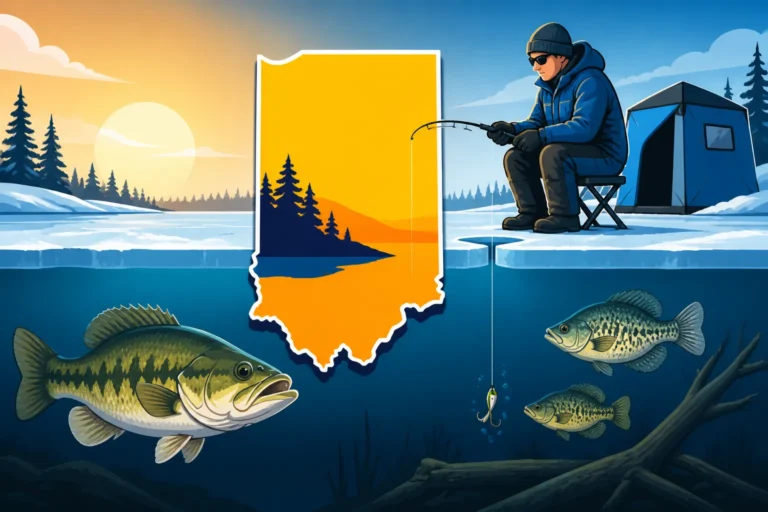
Steuben County's glacial lakes are truly an ice angler's paradise, offering consistent action for several popular species. Panfish, particularly bluegill and crappie, are a top target. They often school up in predictable patterns, and once located, can provide fast and furious action. Walleye are another popular species, often caught during low light hours, especially at dawn and dusk. Northern pike, with their aggressive nature, can also be a thrilling catch through the ice.
Targeting these species requires slightly different approaches. For panfish, tiny jigs tipped with wax worms, spikes, or small plastics are deadly. For walleye, vertical jigging with spoons or specialized walleye lures, often tipped with a minnow head or tail, can be highly effective. Pike are often caught on larger baits fished on tip-ups, allowing them to take the bait and run before setting the hook. Our guide on Winter Fishing Patterns on Indiana Lakes can give you even more insights into staying successful during the colder months.
Safety First on the Ice
Ice fishing, while exhilarating, demands an unwavering commitment to safety. The number one rule is never venture onto ice that isn't at least 4 inches thick for individual foot travel, or 5-7 inches for small groups. Always check ice conditions locally and never assume ice is safe based on appearance alone. Factors like currents, springs, and fluctuating water levels can create weak spots.
Essential safety gear includes ice picks (worn around your neck for quick access), a spud bar or auger to test ice thickness as you go, and a throwable flotation device. It's always best to fish with a buddy and inform someone of your plans and expected return time. Dressing in layers, including waterproof outer layers, is also crucial to prevent hypothermia in case of an accidental fall into the frigid water.
Essential Ice Fishing Gear and Strategies
Beyond safety gear, specific equipment makes ice fishing much more enjoyable and productive. An ice auger (manual or powered) is essential for drilling holes. A portable ice shanty or shelter provides protection from the elements, making long days on the ice much more comfortable. A portable fish finder or flasher is incredibly valuable for locating fish and determining their depth.
Rods for ice fishing are typically much shorter, ranging from 24 to 36 inches, and often paired with small spinning reels. They are designed for sensitivity to detect subtle bites. Spoons, small jigs, and soft plastics are popular lure choices. The key strategy is often to locate schools of fish and then present your bait directly to them, sometimes using a "jigging" motion to attract attention. For larger species like pike, tip-ups set with live minnows are a classic and effective method, allowing you to cover more area. Many of these specialized items, from augers to shelters, can be found with ease on Amazon.
| Season | Target Species | Key Tactics | Optimal Water Temp (F) | Notes |
|---|---|---|---|---|
| Spring | Walleye, Pike, Crappie, Bluegill, Bass | Shallow casting, live bait, jigs under bobbers | 40-60 | Pre-spawn bite, panfish in shallows, aggressive feeding after ice-out. |
| Summer | Walleye, Pike, Bass, Panfish | Deep trolling, vertical jigging, topwater (low light) | 65-75 | Fish retreat to thermocline, early/late bites for bass/panfish, increased boat traffic. |
| Fall | Walleye, Pike, Bass, Panfish | Larger crankbaits, live bait, jigs, topwater (early fall) | 50-65 | Aggressive feeding frenzy, fish move shallower again, preparing for winter. |
| Winter | Panfish, Walleye, Pike | Ice jigs, spoons, tip-ups, vertical presentations | 32-39 | Ice fishing safety crucial, fish in deeper schools, low light bites for walleye. |
Beyond the Seasons: Daily Factors Influencing Your Success
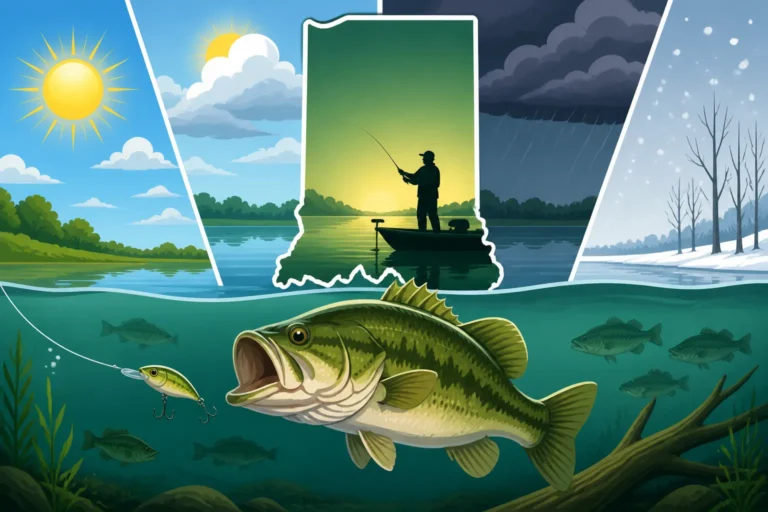
While understanding the seasonal patterns is crucial for consistent success in Steuben County's lakes, a truly prepared angler also considers the daily variables that can turn an average day into an exceptional one. Fish don't just react to calendar dates; they respond to immediate environmental cues.
Weather's Whims: Fronts, Winds, and Precipitation
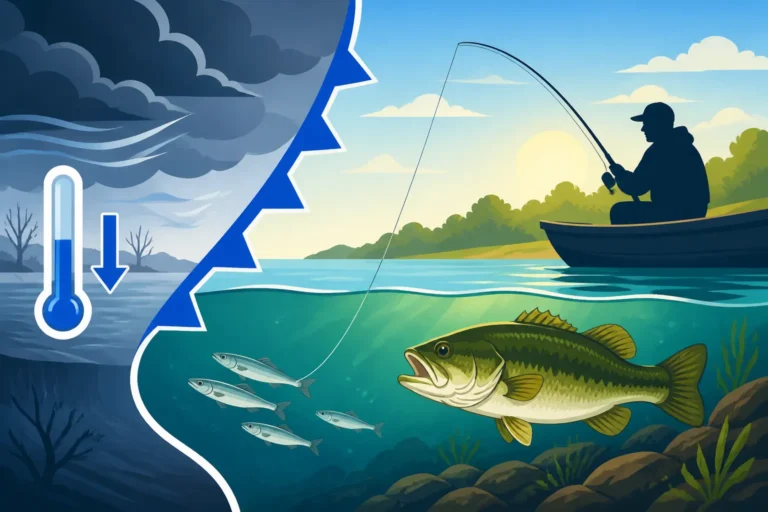
Weather plays a massive role in fish behavior. A stable period of weather, even if it's hot or cold, often leads to more predictable fishing. However, sudden changes, especially cold fronts or rapidly dropping barometric pressure, can shut down the bite almost instantly. Fish often become lethargic and less willing to feed after a major front. Conversely, a warm front or rising pressure can often stimulate feeding, leading to excellent action.
Wind can be both a blessing and a curse. A light breeze can create a 'chop' on the water, breaking up the surface and making fish less wary, often concentrating baitfish and drawing in predators. However, strong winds can make boat control difficult and create muddy conditions in shallow areas. Rain, especially a light, warm rain, can sometimes improve fishing by washing insects and nutrients into the water, while heavy thunderstorms can scatter fish and create unsafe conditions. Always check the forecast and adjust your plans accordingly.
Timing Your Cast: Dawn, Dusk, and Night Fishing Advantages
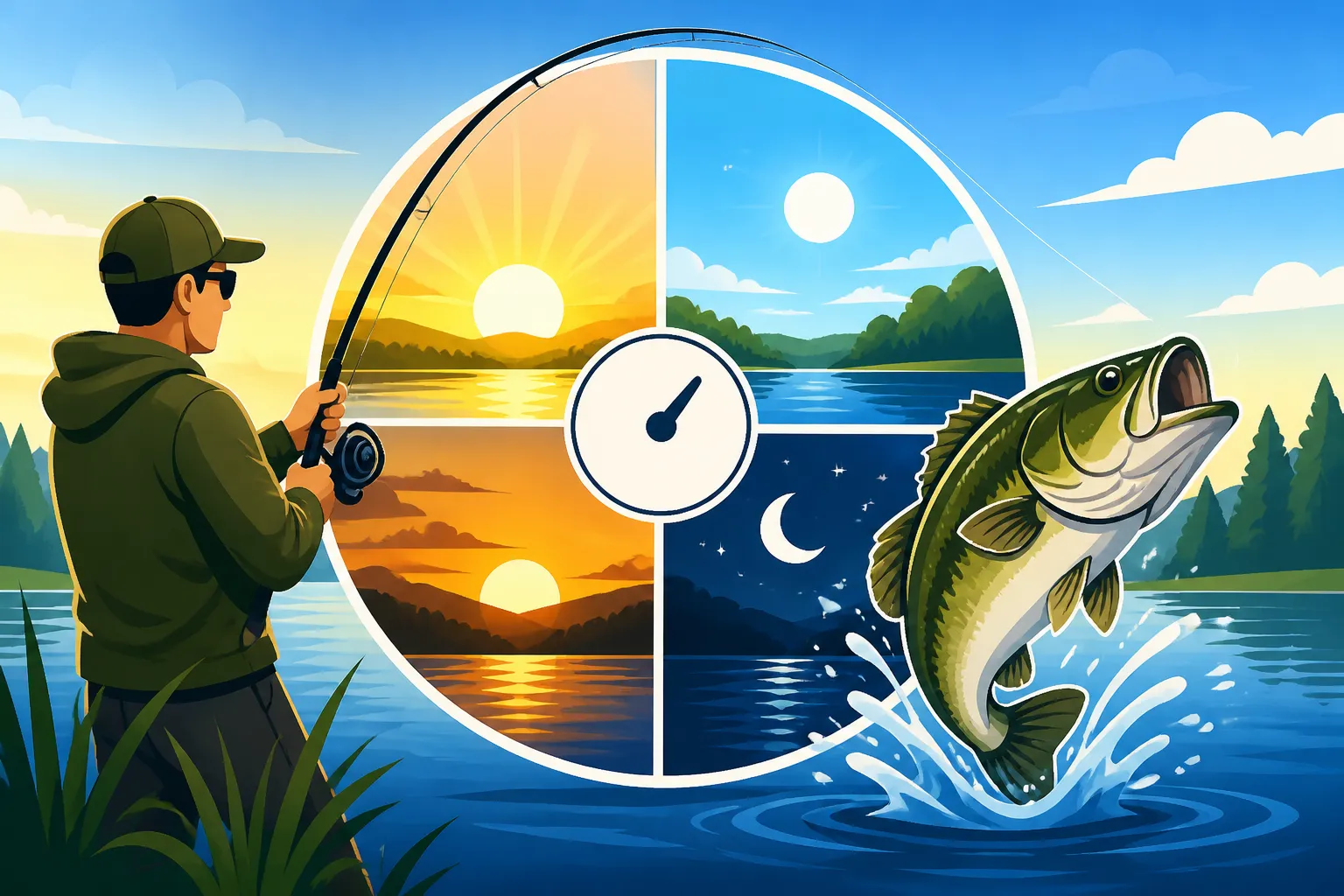
While you can catch fish throughout the day, certain times offer distinct advantages. Dawn and dusk are universally recognized as prime fishing windows. During these low-light periods, many predatory fish, like walleye, pike, and bass, are most active. The reduced light penetration makes them feel more secure to hunt in shallower water, and baitfish are often more exposed. A calm, cool morning or evening often signals a great time to hit the water.
Night fishing, particularly for walleye and catfish, can also be incredibly productive in Steuben County's clear lakes. Walleye, with their large, light-sensitive eyes, are particularly adept at hunting in the dark. Using glow-in-the-dark jigs or crankbaits that make noise can be very effective. Ensure you have proper lighting, like a headlamp (easily found on Amazon), and take extra safety precautions when fishing after dark.
Leveraging Local Knowledge and Resources
No matter how much research you do, there's no substitute for local knowledge. Visiting bait and tackle shops in towns like Angola or Fremont can provide invaluable, up-to-the-minute information on what's biting, where, and on what. Shop owners and employees are often avid local anglers themselves and are usually happy to share tips, especially if you're purchasing bait or gear.
Additionally, checking the Indiana Department of Natural Resources (DNR) website can offer insights into recent stocking reports, fish surveys, and specific regulations for each lake. Online fishing forums dedicated to Indiana angling can also be a treasure trove of information from fellow enthusiasts. Combining your seasonal understanding with real-time local intelligence will significantly increase your chances of a successful and enjoyable fishing trip to Steuben County's beautiful lakes.
Disclaimer
Fishing regulations and conditions can change. Always consult the latest Indiana Department of Natural Resources (DNR) rules and advisories before heading out on the water. Stay safe and practice responsible angling.