Best Season for Bluegill Fishing in Indiana
Many Indiana anglers, especially those new to the sport or fishing with family, often wonder when the absolute best time is to target bluegill. It can be frustrating to spend a beautiful day on the water only to come home empty-handed, and it often comes down to timing. This guide will walk you through the prime seasons for bluegill fishing across the Hoosier State, detailing exactly why these periods are so productive and how you can maximize your chances for a successful catch.
Understanding Bluegill Behavior Through the Seasons
Bluegill are truly one of Indiana's most beloved panfish, offering fantastic action for anglers of all ages and skill levels. However, like any fish, their behavior, location, and feeding patterns change dramatically with the seasons. What works like a charm in spring might leave you scratching your head in summer. Learning to anticipate these shifts is the key to consistent success and avoiding those disappointing trips. We're going to dive deep into how these little fighters react to the changing temperatures and conditions throughout the year.
The Impact of Water Temperature
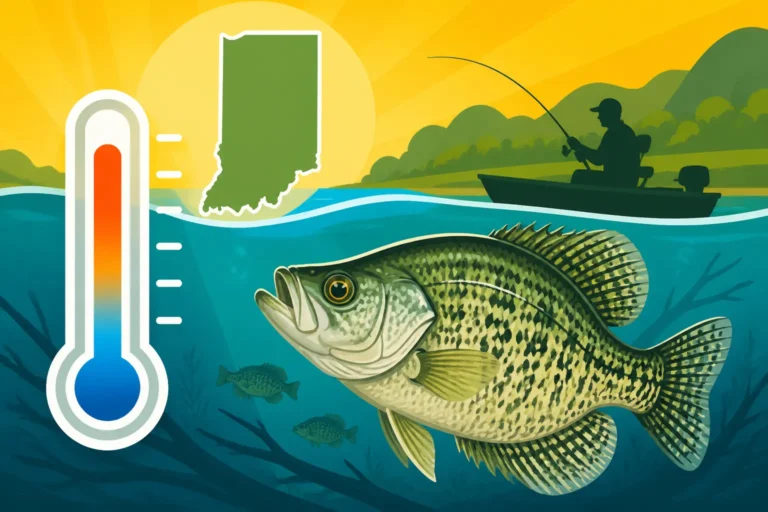
Water temperature is, without a doubt, the single most critical factor influencing bluegill activity. These fish are cold-blooded, meaning their body temperature mirrors their surroundings. When the water is too cold, their metabolism slows down, making them sluggish and less likely to feed aggressively. Conversely, when the water gets too warm, they might seek deeper, cooler water or become less active during the hottest parts of the day.
Think of it like us humans: we don't feel like running a marathon in freezing temperatures or sweltering heat. Fish are similar. Bluegill thrive in a comfortable range, typically between 65 and 75 degrees Fahrenheit. Knowing this sweet spot helps us predict when and where they'll be most active, whether that's in shallow spawning beds or deeper weed lines. A good thermometer can be one of your most valuable pieces of gear, allowing you to fine-tune your approach as you explore different depths and locations.
Seasonal Movement Patterns
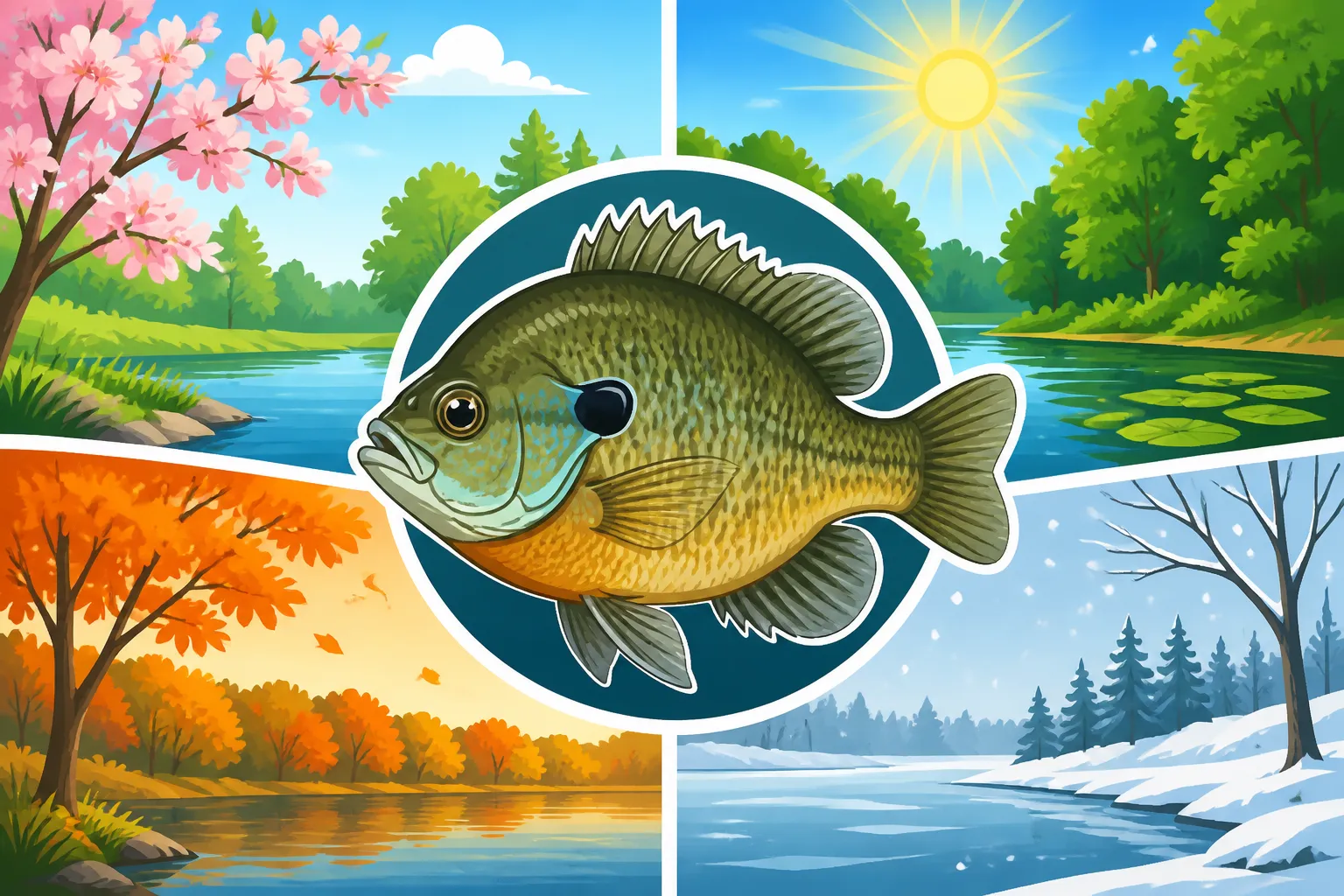
Beyond just feeding activity, water temperature also dictates where bluegill will hang out. In spring, as waters warm, they move from deeper wintering holes into shallower areas to feed and eventually spawn. During the scorching summer, many will retreat to deeper, cooler sanctuaries or dense cover to escape the heat. Fall brings a renewed feeding frenzy as they pack on calories for winter, often scattering across different depths before finally settling into their winter patterns.
Understanding these migrations is vital. If you're fishing a shallow cove in July where you caught dozens in May, you're probably going to be disappointed. You need to follow the fish, which means understanding their preferred habitats for each season. This often involves looking for specific types of cover, like submerged logs, weed beds, docks, or brush piles, at varying depths depending on the time of year. Don't be afraid to move around and experiment with different spots until you find where the bluegill are holding.
Spring: The Golden Age of Bluegill Fishing
When spring finally arrives in Indiana, shaking off the last vestiges of winter, a collective sigh of relief seems to ripple through the fishing community. For bluegill anglers, this isn't just a relief; it's a call to action. Spring is often touted as the absolute best season for bluegill fishing in Indiana, and for very good reason. The combination of warming waters and the impending spawn makes these panfish incredibly active and relatively easy to locate.
The Pre-Spawn Build-Up
As ice recedes and the sun begins to warm the shallow waters, usually from April into early May, bluegill start to shake off their winter lethargy. Water temperatures climb from the high 40s into the low 60s, signaling a dramatic increase in their metabolism. During this pre-spawn period, bluegill are hungry, very hungry. They've spent months in deeper, colder water, conserving energy and eating minimally. Now, with the spawn on the horizon, they need to bulk up.
You'll find them moving into shallower bays, flats, and coves, especially those with dark bottoms that absorb sunlight, warming the water faster. They'll often school up in these areas, feeding aggressively on whatever they can find – small insects, larvae, and tiny minnows. This is a fantastic time to target them with small jigs, worms, or even tiny spinnerbaits. Look for areas where the sun hits first and where there's some cover, like fallen trees or docks. They'll stage here, preparing for the main event, and often offer some of the most consistent action of the year.
The Glorious Spawn
The bluegill spawn is truly a magical time for anglers. Typically, when water temperatures consistently reach the mid-60s to low 70s, usually from mid-May through June in most of Indiana, these fish move into very shallow water, sometimes just a foot or two deep, to build their saucer-shaped nests. You can often spot these circular depressions on sandy or gravelly bottoms, sometimes clustered together in colonies that stretch for yards.
During the spawn, male bluegill guard the nests aggressively, making them incredibly territorial and willing to strike almost anything that invades their space. This is when bluegill are arguably the easiest to catch, as they're congregated and highly agitated. A simple red worm, a small piece of nightcrawler, or even a tiny jig under a bobber can lead to non-stop action. This is the perfect time to introduce kids to fishing, as success is almost guaranteed. Remember to check the "Indiana Panfish Daily Limits by Species" to ensure you're fishing legally. You can find excellent panfish tackle, including tiny jigs and bobbers, readily available on Amazon, often in convenient starter kits.
Post-Spawn Recovery
After the rigors of spawning, typically by late June into early July, bluegill need a little R&R. The males, exhausted from guarding nests, and the females, spent from laying eggs, will retreat slightly from the very shallowest water. They won't go far, often moving to the immediate edge of the spawning beds, settling into slightly deeper water near submerged weeds, brush, or docks.
They're still hungry, but perhaps not as aggressively territorial. They'll continue to feed to regain their strength. This period can still offer fantastic fishing, though you might need to cast a little further or fish slightly deeper edges than during the peak spawn. Small worms, crickets, or tiny grubs are still very effective. Focus on those first drops off the spawning flats, or any cover that provides a bit of shade and security in 3-6 feet of water. This transition marks the shift into summer patterns.
Summer: Adapting to the Heat
While spring might be the easiest time to fill a cooler with bluegill, summer still offers incredible opportunities for those willing to adapt their tactics. Indiana summers can get hot, and those rising water temperatures dramatically change where and when bluegill will bite. The key here is to understand their need for comfort and security.
Beating the Summer Heat
As air temperatures soar into the 80s and 90s, the surface water in Indiana's lakes and ponds can heat up significantly. Bluegill, while tolerating warmer water than some species, will seek refuge from the sun and heat. This usually means moving to deeper water, seeking out thermal refuges, or hiding in dense cover during the brightest parts of the day.
Early morning and late evening become prime times for summer bluegill fishing. During these cooler periods, bluegill will often move into shallower areas to feed. Think dawn patrols before the sun is high, or evening sessions as the sun dips below the horizon. During midday, you'll need to go deeper or target heavily shaded areas like under large overhanging trees, dense lily pads, or beneath docks. These spots offer both cooler water and protection from predators.
Deep Water Tactics and Cover
When the sun is high and the mercury is climbing, bluegill will often retreat to deeper water, sometimes 8-15 feet or even more in larger lakes. Here, they seek cooler, more stable temperatures. They'll still relate to structure, so look for submerged brush piles, weed lines that extend into deeper water, rock piles, or old creek channels. This is where a "Fish Finder Buying Guide for Freshwater Lakes" can be incredibly helpful for locating these deeper honey holes.
To reach these deeper bluegill, you'll need to adjust your setup. While a bobber and worm are great in shallows, in deeper water, a small jig tipped with a wax worm, a piece of nightcrawler, or a micro soft plastic bait (like those you can find on Amazon) fished directly on the bottom or slowly retrieved can be deadly. Ultralight rods with light line are crucial for feeling those subtle bites. Consider a "Best Ultralight Rods for Bluegill Fishing" to ensure you have the right gear. Patience is often rewarded, as the bites can be lighter in deeper, cooler water.
Fall: The Autumn Feeding Frenzy
Just when you think the best fishing is behind you, fall swoops in with its crisp air and vibrant colors, bringing another fantastic opportunity for bluegill anglers in Indiana. As the days shorten and water temperatures begin to cool, bluegill enter a pre-winter feeding frenzy, trying to pack on as much fat as possible to sustain them through the lean months ahead.
Autumn's Bounty
From late September through October, and sometimes even into early November, Indiana's bluegill become incredibly active. Water temperatures are typically falling back into that comfortable 60-70 degree range, signaling to the fish that winter is coming. This is when they will often spread out from their deep summer haunts, moving into a variety of depths to forage aggressively.
You might find them in shallow flats in the morning, soaking up the last of the sun's warmth, then moving to transition areas like points or submerged humps as the day progresses. They'll hit a wide variety of baits, from small jigs and spinnerbaits to live offerings like crickets and worms. The action can be fast and furious, as schools of bluegill gorge themselves. This is a great time to experiment with different presentations and cover a lot of water. The fish are often fat and feisty, making for excellent sport and table fare.
Transitional Bites and Locations
Fall is a season of transition, and bluegill will follow the baitfish and insect activity. As vegetation begins to die off, bluegill will often concentrate around the remaining green weeds or switch their focus to deeper structural elements that hold heat longer. Look for weed lines that still show signs of life, or areas with submerged timber and rock piles that offer both cover and potential ambush points for feeding.
The key is to understand that they're not locked into one pattern. They're opportunistic and will move to wherever the food is most plentiful. Fishing the edges of drops-offs, where shallow flats meet deeper water, can be particularly productive. This allows them easy access to both the warmer, shallower feeding grounds and the deeper, more stable water they'll eventually retreat to for winter. Don't be surprised to find larger bluegill mixed in with other panfish species during this time, all looking for that last big meal before the cold truly sets in.
Winter: Ice Fishing for Bluegill
Even when Indiana's lakes freeze over, the bluegill fishing doesn't necessarily stop. For dedicated ice anglers, winter presents a unique and often very rewarding opportunity to target these tasty panfish. While it requires different gear and techniques, ice fishing for bluegill can be incredibly productive and a fun way to beat the winter blues.
Chasing Panfish Through the Ice
Once safe ice forms, typically from late December through February in northern and central Indiana, bluegill will gather in large schools in specific areas of a lake. Their metabolism is much slower in the frigid water, so their bites will be more subtle, but they're still catchable. They tend to congregate in deeper flats, basins, or around submerged cover like brush piles and weed beds, where they can find stable conditions and some protection.
The beauty of ice fishing is that you can often pinpoint a school of bluegill and enjoy consistent action once you find them. Small jigs, often tipped with a tiny live bait like a wax worm or a specialized ice fishing plastic, are the go-to baits. Using a sensitive ultralight ice rod and a small reel is essential for detecting those light bites. Make sure you're familiar with "Indiana Fishing Regulations and Bag Limits Guide" before you head out, as rules for ice fishing might have specifics.
Essential Ice Fishing Gear
For a successful bluegill ice fishing trip, you'll need specialized gear. Beyond the rod and reel, an ice auger (manual or powered) is necessary to drill holes. A small scoop helps clear slush from your hole. Portable shelters, like those offered by brands such as Eskimo or Clam (which you can often find competitive prices for on Amazon), provide welcome warmth on bitter days. And, of course, proper layering of warm clothing is paramount.
A small portable fish finder, often called a flasher, is invaluable for ice fishing. It allows you to see the depth, the fish, and your lure in real-time, helping you present your bait precisely and detect those subtle takes. Always prioritize safety on the ice – check ice thickness frequently, fish with a buddy, and never venture onto unsafe ice. Knowing "Indiana's Best Lakes for Yellow Perch Fishing" might also lead you to good bluegill ice fishing spots, as these species often share similar winter habitats.
Recommended Baits and Lures by Season
Choosing the right bait or lure can make all the difference in your bluegill success, no matter the season. While bluegill aren't typically picky eaters, presenting them with what they're most likely to be keying on can lead to a much more productive day on the water. It's not just about what you use, but how you use it.
Live Bait Favorites
Live bait is almost always a surefire bet for bluegill, especially for beginners or when the bite is tough.
- Spring: Red worms, small pieces of nightcrawlers, and crickets are irresistible as bluegill are aggressively feeding for the spawn. During the spawn itself, these are perfect for keeping on a hook near their beds.
- Summer: As bluegill go deeper, crickets and small worms remain excellent choices. Wax worms (which you can find at most bait shops) or mealworms become highly effective for enticing bluegill in cooler, deeper waters.
- Fall: Similar to spring, bluegill will readily take crickets, worms, and even grasshoppers as they fatten up for winter. Larger pieces of bait might attract bigger fish.
- Winter (Ice Fishing): Wax worms are king for ice fishing bluegill. Spikes (maggots) are another fantastic option. Their small size and wiggling action are perfect for slow-biting fish in cold water.
Remember, presentation is key. Use a small hook (size 8 or 10 is usually perfect) and just enough weight to get your bait down. A small bobber is great for visual bite detection in shallower water. For deeper bluegill, a split shot or two above your hook is usually all you need. Consider "Best Bait for Bluegill Fishing in Farm Ponds" for more specific tips.
Artificial Lures and Their Uses
While live bait is hard to beat, artificial lures can also be incredibly effective, especially for covering water or when you want to avoid dealing with live bait.
- Small Jigs: These are perhaps the most versatile artificial lure for bluegill. Tiny marabou jigs, grub jigs (1/32 to 1/64 ounce), or even micro-plastic baits in bright colors (chartreuse, pink, white) are deadly. In spring, cast them near spawning beds. In summer, slowly vertical jig them in deeper cover. In fall, retrieve them slowly along weed lines. For ice fishing, specialized tungsten jigs in even smaller sizes (often found on Amazon) are essential.
- Spinnerbaits (Micro): Ultra-light spinnerbaits, sometimes called "beetle spins," can be surprisingly effective in spring and fall, especially when bluegill are actively chasing baitfish in shallow water. The flash and vibration can trigger aggressive strikes.
- Flies: For fly fishing enthusiasts, small poppers, sponge spiders, or wet flies like nymphs are incredibly effective for bluegill, especially during the spring and summer evenings when bluegill are feeding on insects near the surface.
Learning "Bluegill Fishing Techniques for Beginners" will give you a great foundation for mastering both live bait and artificial presentations. The key to artificials is often a slow, subtle presentation. Bluegill have small mouths, so tiny lures are a must.
Seasonal Bluegill Fishing Quick Reference
To help you quickly pinpoint the best approach for bluegill throughout the year, here's a handy table summarizing the key aspects of each season. This can be a great cheat sheet to consult before you head out, helping you remember the ideal conditions, baits, and depths for success in Indiana.
| Season | Typical Water Temp. Range | Best Time of Day | Typical Depth | Recommended Baits/Lures | Activity Level |
|---|---|---|---|---|---|
| Spring (Pre-Spawn) | 50-65°F (10-18°C) | Mid-morning/Afternoon | 2-5 feet | Worms, crickets, small jigs | High, aggressive feeding |
| Spring (Spawn) | 65-72°F (18-22°C) | All day | 1-3 feet | Worms, crickets, small jigs | Very High, territorial |
| Summer (Early/Late) | 70-80°F (22-27°C) | Early morning/Late evening | 3-8 feet | Worms, crickets, wax worms, small jigs | Moderate to High |
| Summer (Midday) | 75°F+ (24°C+) | Mid-morning/Late afternoon | 8-15+ feet | Wax worms, mealworms, small jigs | Moderate, subtle bites |
| Fall | 60-70°F (15-21°C) | Mid-morning/Afternoon | 4-12 feet | Worms, crickets, grasshoppers, small jigs, micro-spinnerbaits | High, pre-winter feeding |
| Winter (Ice Fishing) | 32-40°F (0-4°C) | Mid-morning/Mid-afternoon | 10-25+ feet | Wax worms, spikes, tiny tungsten jigs | Low to Moderate, subtle bites |
This table provides a generalized overview, and local conditions can always vary, so be sure to check local reports and trust your instincts on the water! "Indiana Fishing Seasons: A Month-by-Month Guide" can offer even more detailed monthly insights.
Final Thoughts on Your Bluegill Adventures
No matter if you're a seasoned angler chasing those elusive monster bluegill or a parent hoping to create lasting memories with your kids on an "Indiana's Best Ponds for Kids to Catch Panfish" trip, understanding the seasonal nuances of bluegill fishing in Indiana will dramatically improve your success rate. While spring, particularly the spawn, offers some of the easiest and most prolific fishing, don't write off summer and fall. Each season brings its own unique challenges and rewards.
The most important thing is to get out there! Experience is the best teacher, and every trip to the lake or pond offers new lessons. Experiment with different baits, depths, and locations. Pay attention to water temperature and what the fish are telling you through their bites (or lack thereof). With a little knowledge and a lot of patience, you'll be consistently catching bluegill throughout the year. You might even find some excellent "Best Beginner Fishing Kits for Kids" on Amazon to get the next generation hooked!
Disclaimer
Please remember that fishing regulations, including license requirements and bag limits, can change. Always consult the latest Indiana Department of Natural Resources (IDNR) rules and regulations before heading out on any fishing trip. This guide is for informational purposes only and should not replace official state guidelines.