How to Catch Bass from the Bank
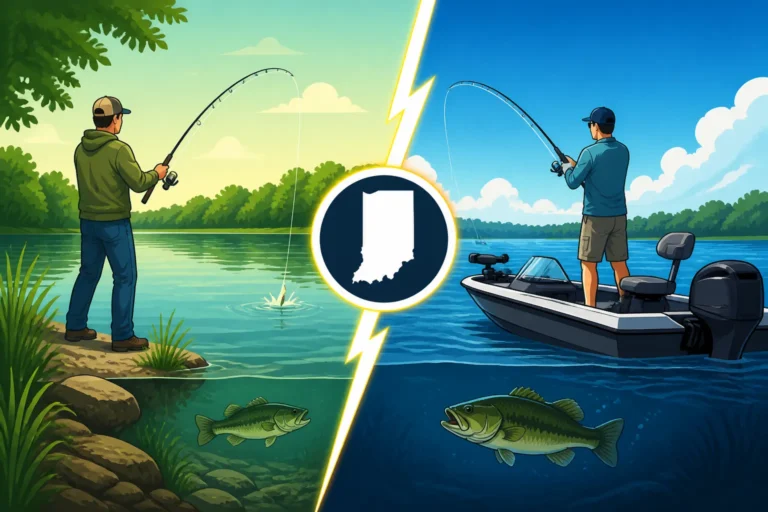
It’s a common scenario: you’re standing on the shoreline, watching boats motor out to their favorite spots, and a little voice inside wonders if you’re at a disadvantage. Maybe you don't own a boat, or perhaps you're just looking for a simpler, more accessible way to enjoy a day on the water. Whatever your reasons, the good news is that you absolutely can have incredible success catching bass right from the bank here in Indiana, and this guide is going to show you exactly how.
Understanding Bank Fishing for Bass
Many anglers assume that without a boat, you’re relegated to the leftovers, unable to reach the prime bass territories. While it's true that a boat offers unparalleled access, bank fishing comes with its own unique set of advantages and requires a slightly different mindset. It's not about what you can't do, but rather how you maximize what you can do from the shore.
Why Bank Fishing Can Be Challenging
Let's be real, bank fishing has its frustrations. You're limited by how far you can cast, and those enticing structures in the middle of the lake? They're often out of reach. Public access points can sometimes be crowded, and heavy vegetation or private property can block off promising stretches of shoreline. You might feel like you're constantly fighting snags from unseen underwater obstacles close to the bank, or that fish are too easily spooked by your presence. It's a valid concern, and many anglers give up before they've truly learned to adapt to these challenges.
The biggest hurdle for many is the perception that all the big fish are out deep or in areas only accessible by boat. This often leads to a lack of confidence, which can be a real killer in fishing. It’s easy to get discouraged when you see others on boats pulling in fish, especially if you’re struggling from the shore. However, with the right approach and a bit of local knowledge, you’ll discover that plenty of bass call the shallow, accessible waters home.
The Hidden Advantages of Shoreline Angling
Here’s the thing many boat anglers miss: bank fishing offers a level of stealth and intimacy with the water that’s hard to replicate in a noisy boat. When you approach the water quietly on foot, you’re less likely to spook fish that are cruising the shallows. You can often get much closer to cover and structure right along the bank without casting a huge shadow or creating a disturbance. This quiet, unobtrusive approach is incredibly effective, especially in smaller ponds and lakes, or even the back coves of larger reservoirs like Monroe Lake or Patoka Lake.
Think about it: bass are ambush predators. They love to hide in shallow cover – submerged logs, lily pads, rock piles, or undercut banks – waiting for unsuspecting prey. These are precisely the areas that are often most accessible from the bank. You gain a unique, almost "eye-level" perspective of the water, allowing you to observe subtle clues like baitfish activity or insect hatches that might be missed from a boat. Plus, the simplicity of bank fishing – just you and your rod – can be incredibly therapeutic and often leads to a deeper understanding of the specific stretch of water you're fishing. It's about focusing your efforts, not spreading them thin.
Essential Gear for Bank Bass Anglers
When you're fishing from the bank, portability and versatility are your best friends. You can't haul a ton of gear, so every item in your arsenal needs to earn its spot. The goal is to be light, agile, and prepared for various conditions without feeling weighed down.
Rods, Reels, and Line for the Bank
For bank fishing, a versatile medium-heavy to heavy action spinning rod, typically 6'6" to 7'6" in length, is a fantastic choice. The longer rod aids in casting distance, which is crucial when you can't get closer to your target. Spinning setups are also generally easier for beginners to cast accurately and handle lighter lures, which can be essential for finesse presentations near the bank. Many anglers also opt for a medium power, fast action rod for a good balance of sensitivity and backbone. If you're looking to upgrade or just starting, you can find a wide array of Best Rods and Reels for Indiana Largemouth Bass options, including excellent all-around spinning combos, on retailers like Amazon that are perfect for bank fishing.
Pair your rod with a reliable spinning reel in the 2500-3000 series. For line, I recommend 10-20 lb braided line for your main line, tied to a 6-12 lb fluorocarbon leader. Braid offers incredible casting distance, sensitivity, and strength, helping you pull bass out of heavy cover. The fluorocarbon leader is virtually invisible underwater, which is key for spooky bass, and provides abrasion resistance against rocks and wood. If you prefer mono, a good quality 10-15 lb monofilament will also serve you well, offering a bit more stretch for shock absorption.
What to Pack in Your Tackle Bag
Think minimalist, but effective. Instead of a bulky tackle box, opt for a small backpack or a specialized fishing sling bag. You'll want to carry a select assortment of lures (we'll get into those next), a pair of needle-nose pliers or hemostats for hook removal, line clippers, and a small first-aid kit. A reliable pair of polarized sunglasses is a must for spotting underwater structure and cruising bass, and a hat provides sun protection. Don’t forget water and a few snacks!
Consider a small, waterproof box to keep your most-used lures organized and accessible. This helps prevent tangles and keeps your favorites ready to go. You might even find dedicated bank fishing tackle organizers on Amazon that are designed for easy carrying. For a deeper dive into organizing your lures, check out tips on Tackle Box Setup by Species. A small weigh scale and a measuring tape are also handy if you plan to practice catch and release and want to record your catches.
Key Techniques for Bank Bass Success
Fishing from the bank demands a strategic approach to compensate for your limited mobility. It's all about precision, observation, and making every cast count.
Reading the Water from Shore
One of the most crucial skills for any bank angler is learning how to "read" the water. Since you can't motor around to scan vast areas, you need to rely on visual cues and your intuition. Look for anything that breaks up the uniformity of the water:
- Irregularities: Points, coves, changes in shoreline composition (e.g., from rock to mud).
- Cover: Overhanging trees, docks, logs, brush piles, lily pads, reeds, emergent weeds. Bass love to ambush prey from these spots.
- Structure: Submerged humps, drop-offs, rock piles, ledges. Look for visual clues on the surface that suggest underwater changes.
- Shade: Especially on sunny days, bass will seek out shady spots to escape direct sunlight.
- Baitfish Activity: Look for schools of minnows flickering on the surface, or larger baitfish jumping, indicating predators are nearby.
- Current: Even subtle currents in rivers or spillways can concentrate bait and, therefore, bass.
Walk the bank slowly and quietly, observing. Imagine what the bottom looks like. Where would a bass hide to ambush prey? That's where you want to cast.
Presenting Baits Effectively Without a Boat
Since you don't have the luxury of positioning your boat perfectly, your casting technique becomes paramount. You'll often be "fan casting," making casts at various angles to cover as much water as possible from a single spot. Start by casting parallel to the bank, working your lure along any visible cover. Then, gradually extend your casts further out, covering the water in a fan shape.
Mastering techniques like "skipping" lures under docks or overhanging branches can be a game-changer. Skipping involves sidearm casting a weedless lure, like a soft plastic, so it bounces across the water's surface, reaching spots otherwise inaccessible. Accuracy is key; practice hitting tight spots. Don't be afraid to make repeated casts to a promising spot, changing your retrieve speed or angle slightly with each cast. Remember, sometimes a bass needs a little convincing, or your lure needs to hit just the right spot to trigger a strike.
Targeting Specific Cover and Structure
From the bank, your targets are often quite specific. Focus your efforts on easily identifiable cover and structure close to shore. This includes things like:
- Fallen Trees and Log Jams: These are bass magnets. Cast your weedless lures right into the branches.
- Docks and Piers: Bass often hang out under docks for shade and cover. Skip your lures underneath them.
- Weed Lines and Lily Pads: The edges of weed beds are prime ambush points. Work your lures along these edges.
- Rock Piles and Boulders: These provide excellent habitat and often hold crayfish, a favorite bass meal.
- Bridge Pilings: In rivers or larger lakes, bridge pilings create current breaks and cover.
When you find a promising spot, work it thoroughly before moving on. Make casts from different angles if possible, and try various lures and retrieve speeds. Don't just cast over the cover; cast into it with weedless presentations. Even seemingly barren stretches of bank can hold fish, so pay attention to subtle depth changes or isolated rocks. Many productive Best Bank Fishing Spots for Catfish are also excellent for bass, as they share similar preferences for cover and access to food.
Best Baits and Lures for Bank Fishing
Choosing the right lures for bank fishing is crucial. You want baits that are versatile, cast well, and can be fished effectively in various types of cover without getting snagged constantly.
Top Artificial Lures for Bank Bass
For bank anglers, a curated selection of artificial lures will typically outperform a vast, unorganized collection. Here are some of the go-to choices that cast well and are effective from shore:
| Lure Type | Best Use Case | Why it Works from the Bank | Common Sizes (inches) |
|---|---|---|---|
| Soft Plastic Stick Baits (e.g., Senko) | Versatile for various depths, weedless presentations | Easy to cast, falls slowly, highly effective on a weightless Texas Rig | 4-6 |
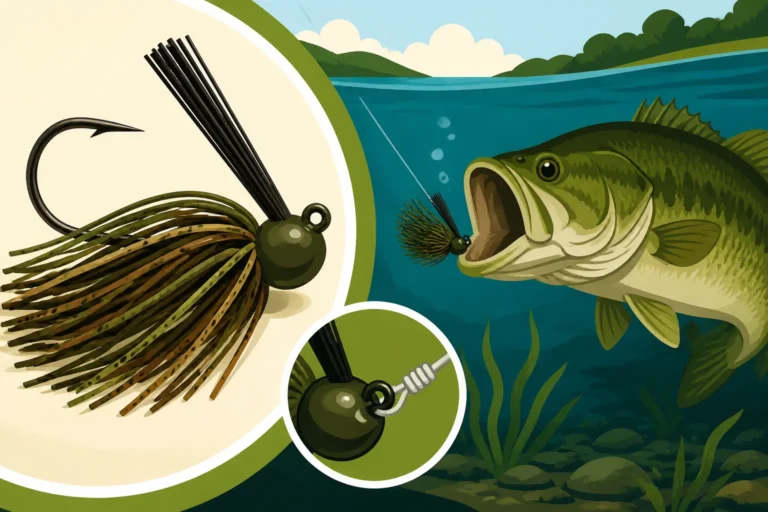
| Jigs (Football, Skirted, Swim) | Flipping/pitching into cover, mimicking crawfish/baitfish | Penetrates cover well, weedless options, versatile retrieves | 1/4 – 1/2 oz |
| Crankbaits (Squarebill, Lipless) | Covering water, targeting rocky banks, shallow dives | Excellent for reaction strikes, good casting distance | 2-4 |
| Spinnerbaits | Covering water, through moderate cover, windy conditions | Weedless, creates flash and vibration, good for searching | 1/4 – 1/2 oz |
| Topwater Lures (Frog, Popper, Whopper Plopper) | Over lily pads, thick weeds, low light conditions | Exciting strikes, draws fish from cover, snag-resistant (frogs) | 2-5 |
Soft plastic stick baits, like a Gary Yamamoto Senko or its many imitators, are absolute gold for bank fishing. Rigged weightless on a Texas rig, they’re virtually snag-proof and have a subtle, seductive fall that bass can't resist. They cast well even without added weight and can be fished in almost any cover. Jigs, whether a skirted jig flipped into a brush pile or a swim jig worked through grass, are also highly effective. You can find a huge variety of these effective lures on Amazon.
Crankbaits and spinnerbaits are fantastic for covering water and eliciting aggressive strikes. Squarebill crankbaits are particularly good for bouncing off rocks and wood near the bank without getting hung up. When the bass are active or in low light, topwater lures, especially frogs over thick mats of vegetation or poppers near docks, can provide some of the most thrilling strikes. For more detailed recommendations, explore articles like Best Bait for Largemouth Bass in Indiana Lakes or Best Lures for Summer Fishing for additional ideas.
Live Bait Options for Shore Anglers
Sometimes, simplicity wins. If you’re struggling with artificials or just want a guaranteed bite, live bait is incredibly effective for bank fishing. Worms (nightcrawlers, redworms) are a classic and can be found at almost any bait shop or even your backyard. Rig them on a simple hook under a bobber or on a bottom rig, and cast them near cover. Minnows are another excellent choice, especially for larger bass. Just make sure to check local regulations for minnow use in your specific Indiana waterway.
Live bait works wonders because it’s a natural food source, and fish can’t resist a struggling meal. They require less skill in presentation than artificial lures, making them perfect for beginners or a relaxing day out. For more details on easy-to-use options, check out Best Live Bait Choices for Beginners.
Timing Your Bank Fishing Adventures
Just like real estate, fishing is often about "location, location, location," but timing is equally crucial. Being at the right place at the right time significantly increases your chances of success, especially from the bank.
Best Times of Day for Bank Bass
Bass are most active and therefore most accessible in the shallows during low-light conditions. This means dawn and dusk are prime times for bank fishing. As the sun rises or sets, the light intensity decreases, making bass feel more comfortable moving out of their deeper hideouts to feed along the banks. These are also the times when baitfish are most active in shallow water, creating a feeding frenzy opportunity. During midday on bright, sunny days, bass will often retreat to deeper, cooler water or seek dense shade under docks or thick cover.
If you can only fish during the day, focus on those shaded areas or look for overcast conditions. A good strategy is to prioritize early morning or late evening trips. For a deeper understanding of why these times are so productive, consider reading Why Dawn and Dusk Are the Best Times to Fish and Best Time of Day to Catch Bass.
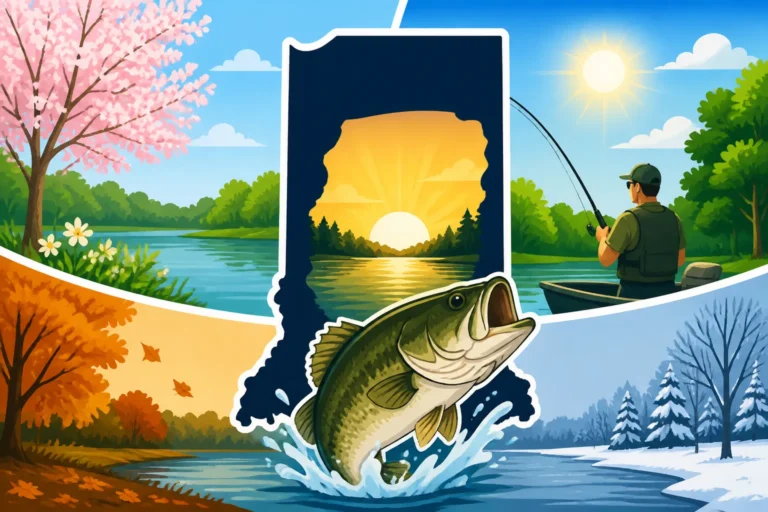
Seasonal Considerations for Shoreline Fishing
The time of year dramatically impacts where bass are located and how they behave, which is especially important for bank anglers.
- Spring: This is arguably the best time for bank fishing. As water temperatures rise, bass move shallow for the spawn. They'll be found in protected coves, shallow flats, and around emergent vegetation. This period, often around April and May in Indiana, offers excellent opportunities for sight fishing or targeting visible nests. Understanding the Indiana Bass Spawn Timing and Pre-Spawn Patterns can give you a significant advantage.
- Summer: During the heat of summer, bank fishing can be more challenging. Bass either move deep during the day or hug tight to dense, shady cover. Focus on early mornings, late evenings, or even night fishing. Look for areas with deeper water access close to the bank, or dense lily pads and overhanging trees that provide shade.
- Fall: As water temperatures cool, bass become very active, feeding heavily in preparation for winter. They will often chase baitfish back into the shallows, making the banks productive again. This is a great time to cover water with crankbaits and spinnerbaits, looking for active schools of bait.
- Winter: Winter bank fishing for bass in Indiana can be tough but not impossible. Bass are lethargic and often hold in deeper, more stable water. If you can find a deep drop-off or a channel swing close to the bank, slow-fished jigs or finesse plastics might entice a bite. Patience is key. For a broader overview of seasonal strategies, check out Best Season to Catch Largemouth Bass.
Mastering the Approach and Stealth
When you're fishing from the bank, you are part of the landscape, and every movement can potentially alert wary bass. Your approach is just as important as your cast.
Minimizing Your Presence
Bass have excellent eyesight and can detect vibrations. Walking heavily along the bank, talking loudly, or wearing bright, contrasting clothing can easily spook fish, especially in clear, shallow water. Try to approach the water's edge quietly, staying low and out of sight as much as possible. If there's tall grass or brush, use it as natural camouflage. Avoid casting your shadow over the water where you intend to fish. If you need to move, do so slowly and deliberately.
Think like a predator yourself – observe before you act. Take a moment to scan the water for any signs of fish or baitfish before making your first cast. This stealthy approach is critical for success, particularly when targeting pressured fish in frequently fished public access points.
Making the Most of Limited Access
One of the realities of bank fishing is that you often have limited physical access to the shoreline due to private property, dense vegetation, or difficult terrain. Instead of getting frustrated, see this as an opportunity to focus and master a specific stretch of water. If you can only access a 100-yard section of bank, work that section thoroughly. Walk it back and forth, casting from different angles, trying different lures, and varying your retrieve speeds.
If you find a particularly promising spot, like a fallen tree, spend extra time dissecting it. Cast to the front, sides, and behind the structure. Change your retrieve to see what triggers a bite. Often, the bass holding tight to cover won't strike until the lure is presented just right. Patience and persistence in these high-potential areas will often lead to rewarding catches. Remember, you might not cover miles of water like a boat, but you can achieve an intimate understanding of a small, productive area.
Final Tips for Consistent Bank Bass Catches
Consistency in bank fishing for bass comes down to a few key principles: patience, observation, and adaptability. Don't get discouraged if the bites aren't coming immediately. Take a moment to observe the water, look for patterns, and consider changing your lure or retrieve. Experimentation is part of the fun!
Always explore new bank access points. Indiana has countless public fishing opportunities, from state park lakes to county ponds and river access points. Each spot offers unique challenges and rewards. Dress appropriately for the weather, bring plenty of water, and always practice responsible angling by packing out all your trash. With the right mindset and techniques, you'll find that catching quality bass from the bank is not just possible, but incredibly satisfying.
Disclaimer
The information provided in this guide is for general informational purposes only. Fishing regulations, license requirements, and local conditions can change. Always consult the latest Indiana Department of Natural Resources (IDNR) fishing regulations before heading out. Be mindful of private property boundaries and always prioritize safety on and near the water.