Best Beginner Fishing Kits for Kids
There's nothing quite like the joy of seeing a child's face light up when they feel that first tug on the line, but let's be honest, trying to introduce kids to fishing can feel like a daunting task for us parents. We want them to love it, but wrestling with oversized, complicated adult gear or fumbling with tiny hooks and tangles can quickly turn excitement into frustration. This guide is here to help you cut through the confusion and choose the best beginner fishing kits for kids, ensuring their first forays into Indiana's waters are filled with fun, not fuss.
Why a Dedicated Kid's Fishing Kit is a Game Changer
It's easy to think, "Oh, I'll just let them use one of my old rods!" but trust me, that's often a recipe for disaster. Kids' fishing kits aren't just scaled-down versions of adult gear; they're thoughtfully designed with young, eager anglers in mind. They address the unique challenges kids face, making the learning process smoother and much more enjoyable for everyone involved.
Overcoming Initial Frustrations for Young Anglers
Imagine trying to drive a semi-truck when you've just learned to ride a bike. That's a bit what it's like for a small child trying to handle a full-sized fishing rod and reel. Adult rods are often too long, too heavy, and the reels too complicated for little hands to manage effectively. This leads to awkward casting, poor control, and inevitably, frustration. A child-specific kit, however, offers a rod that's the right length and weight, paired with a reel that's incredibly simple to operate. This immediate comfort and control build confidence, allowing them to focus on the fun of fishing rather than battling their equipment. It's about setting them up for success from the very first cast. For instance, knowing that Kids Fish Free Until Age 18 in Indiana is a great motivator, but having the right gear is what makes that freedom truly enjoyable.
Safety Features Designed for Little Hands
Safety is always paramount, especially when fishing with youngsters. Standard tackle can have sharp hooks, heavy weights, and lines that can easily tangle around little fingers. Beginner kits for kids often come with features that prioritize safety without sacrificing functionality. Many include pre-tied rigs with covered hooks or practice plugs that allow kids to get the hang of casting before real hooks are introduced. The reels are typically enclosed (spincast models, which we'll discuss more later), preventing line snags and reducing the chances of a backlash or tangles that can lead to frustration or minor injuries. These thoughtful designs mean you can relax a little more, knowing their gear is built with their well-being in mind.
The All-in-One Convenience Factor for Parents
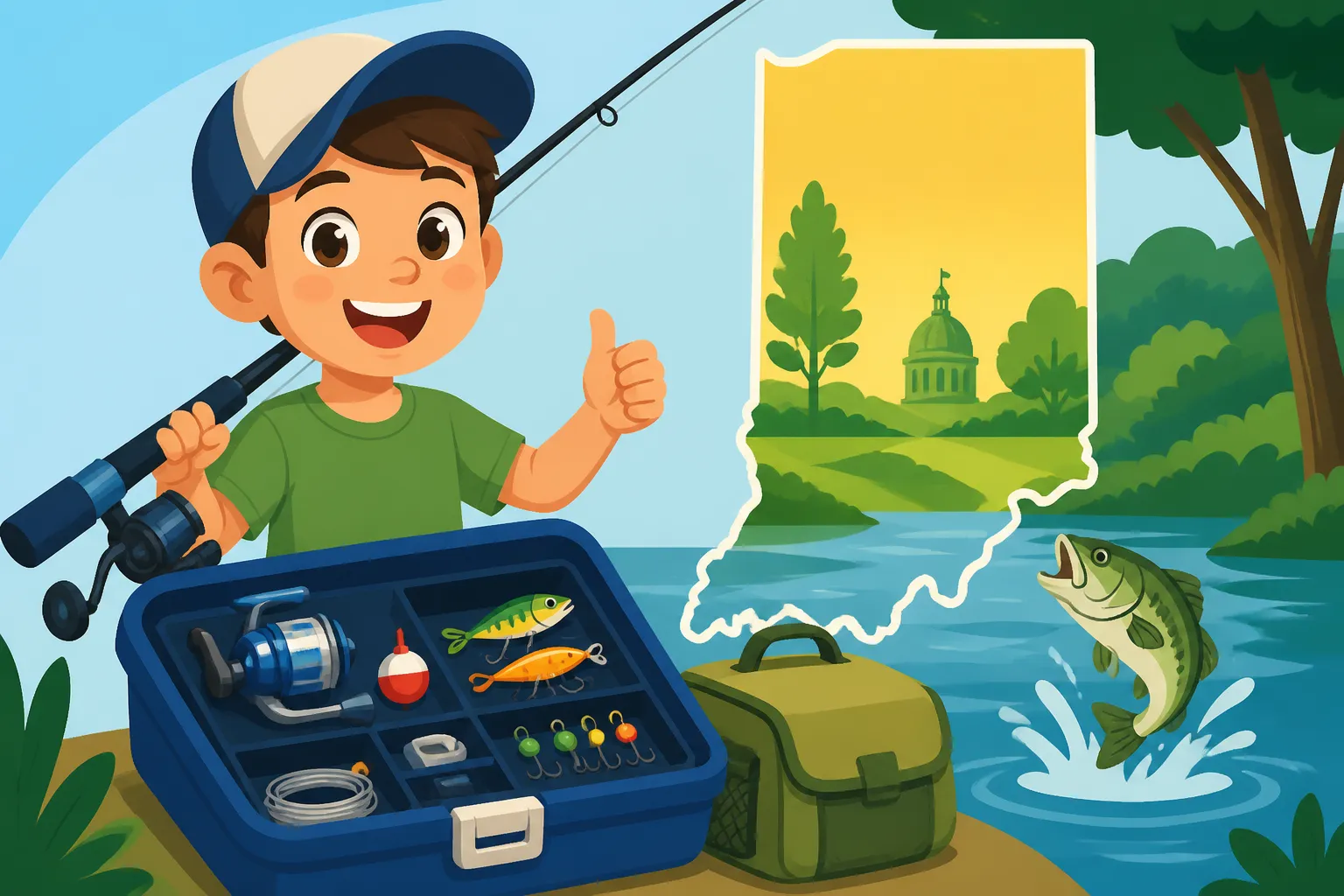
Let's face it, parenting is busy. The last thing you need is another complex task added to your mental load. This is where the "all-in-one" aspect of a kid's fishing kit truly shines for us parents. Instead of having to piece together a rod, reel, line, bobbers, hooks, and weights, these kits come pre-assembled or with all the necessary components neatly packaged. It means less time spent rummaging through your own tackle box and more time actually at the water's edge, creating memories. Many kits even come with a small tackle box or bag, teaching kids organization from the start. It's a huge time-saver and stress-reducer, allowing you to focus on teaching, bonding, and enjoying the great outdoors.
Key Features to Look For in a Kid's Fishing Kit
Choosing the right kit can still feel a bit overwhelming with all the options out there. But by focusing on a few critical features, you can make an informed decision that will lead to countless happy hours on the water.
Rod and Reel Type: Spincast Reigns Supreme
When it comes to beginner fishing kits for kids, the spincast reel is almost universally the best choice, and for good reason. Unlike spinning reels, which require manually opening a bail and precise timing to cast, or baitcasting reels, which are notorious for backlashes, a spincast reel is incredibly user-friendly.
Here's how it works: the line is contained within a cone-shaped cover, and to cast, all a child needs to do is press and hold a button, then release it at the right moment in their forward cast. It's intuitive, simple, and minimizes tangles. This ease of use dramatically reduces the learning curve and prevents much of the early frustration associated with more complex reels.
When looking at the rod itself, consider length and action. For very young children (ages 3-6), a shorter rod (2-4 feet) with a light action is ideal. It's easier for them to wield and feels more responsive with small fish like bluegill. For older kids (7-12), a slightly longer rod (4-5.5 feet) might be appropriate, giving them a bit more casting distance and control. The key is that it should be manageable for their size and strength, not yours.
Durability to Withstand Kid-Level Enthusiasm (and Drops!)
Let's be realistic: kids are going to drop their fishing rods. They're going to bang them against trees, docks, and probably each other. A flimsy, poorly constructed rod and reel combo will not survive more than a couple of outings. Look for kits made with durable materials. Fiberglass rods are often a good choice for kids' kits because they are more flexible and less prone to breaking than graphite. The reel housing should feel solid, not cheap and plastic-y. Even if a kit costs a little more, the investment in durability will pay off when you don't have to replace it after the first clumsy adventure. You want gear that can handle a bit of rough and tumble, just like your adventurous angler.
What Essential Tackle Should Be Included?
A good beginner kit won't just have a rod and reel; it'll come with a basic assortment of tackle. But what exactly should that include?
- Hooks: For panfish (which are ideal for beginners), look for small hooks, generally sizes 6 to 10. These are perfect for bluegill, sunfish, and small crappie. Some kits even include blunt, practice hooks.
- Bobbers: Small, brightly colored bobbers are essential. They provide a visual cue for bites, which is incredibly exciting for kids. Look for snap-on bobbers as they are easiest to attach and adjust.
- Sinkers: A few small split-shot sinkers will help get the bait down to where the fish are. They should be easy to pinch onto the line.
- Lures/Plugs: While live bait is often best for beginners, some kits include a simple jig or a practice plug. These are great for practicing casting accuracy in the backyard before heading to the water.
You'll often find that the best initial tackle for kids' kits focuses on live bait, which is incredibly effective for species like bluegill and crappie. Think about picking up some worms or crickets. You can read more about options for this in Best Live Bait Choices for Beginners.
Comfort and Ergonomics for Small Hands
Just like a good pair of shoes, a fishing kit needs to fit. The grip on the rod should be comfortable for small hands, not too thick or too thin. Many kid-specific rods feature EVA foam grips that are easy to hold even when wet and provide a bit of cushioning. The overall weight and balance of the setup are also crucial. A well-balanced rod will feel lighter and less tiring for a child to hold for extended periods. This might seem like a minor detail, but discomfort can quickly lead to a child wanting to quit, no matter how exciting the fishing might be. The goal is to make the entire experience as pleasant and effortless as possible for them.
Popular Brands and Where to Find Great Kids' Kits
When you're ready to pick up a kit, you'll find a wide range of options, from budget-friendly choices to slightly more robust setups. Knowing where to look and what to expect from different price points can guide your purchase.
Examining Popular Options from Trusted Retailers
You'll often find excellent beginner fishing kits from well-known brands that specifically cater to young anglers. These brands understand the needs of kids and parents alike, offering designs that are both fun and functional.
Retailers like Bass Pro Shops and Amazon are great places to start your search. Bass Pro Shops, being a dedicated outdoor outfitter, often carries a wide selection of branded kits that might include fun colors or popular character themes, which can really spark a child's interest. They also have knowledgeable staff who can offer advice on the spot.
Amazon, on the other hand, provides the convenience of online shopping with a vast array of options, often including customer reviews that can give you real-world insights into a kit's performance and durability. You'll find a mix of well-known fishing brands and some more affordable, entry-level options. When browsing, look for kits that explicitly state they are for "beginners" or "kids" and pay attention to reviews regarding ease of use and the quality of included tackle. Many of these kits are perfectly suited for catching the common fish you'll find in Indiana's farm ponds and smaller lakes, like those mentioned in Common Fish Species You'll Find in Farm Ponds.
When to Splurge vs. When to Save on a Kid's Kit
The price range for kid's fishing kits can vary quite a bit, from under twenty dollars to fifty dollars or more. So, when should you spend a little extra, and when is a budget-friendly option perfectly fine?
- When to Save: If you're not sure if your child will stick with fishing, or if they're very young (under 5) and primarily interested in splashing around and the novelty of it, a less expensive kit is often a smart choice. These kits typically offer basic functionality, just enough to get them started without a significant financial commitment. The key is to ensure even budget options still have that easy-to-use spincast reel and a rod that's appropriately sized.
- When to Splurge: If your child has shown a keen interest, is a bit older (6+), or you plan on making fishing a regular family activity, investing a bit more can be worthwhile. Higher-priced kits often feature more durable construction, better-quality line, smoother-operating reels, and sometimes a more comprehensive tackle assortment. These kits are more likely to last through several seasons and withstand more rigorous use, providing a more consistent and less frustrating experience over time. Think of it as investing in their enthusiasm! Sometimes, a slightly better kit means fewer tangles and broken parts, which means more smiles. You can think of it as a stepping stone to eventually getting them a Best Rod and Reel Combos for Kids Fishing when they're ready to upgrade.
Setting Up and Using Your Kid's First Fishing Kit
Getting the kit is just the first step! The real magic happens when you teach them how to use it. A patient, fun approach is key to nurturing a lifelong love for the sport.
Simple Line Setup and Tying Basic Knots
Most beginner kits come with line pre-spooled on the reel, which is a huge convenience. If not, don't fret; spooling a spincast reel is usually straightforward – just feed the line through the rod guides and tie it to the reel's arbor.
For tying tackle, keep it to the absolute basics:
- Tie on a Hook: Use a simple knot like the improved clinch knot or even a basic overhand knot for now, ensuring it's secure. You can always refine knot-tying skills later.
- Add a Sinker: Pinch a small split-shot sinker about 6-12 inches above the hook. This helps the bait sink.
- Attach a Bobber: Clip a small bobber about 1-3 feet above the sinker. This depth depends on how deep you expect the fish to be.
The goal here isn't to become a master knot-tier on day one, but to get them fishing quickly and easily. Show them each step and let them try to help, even if it's just holding the line. Patience is your best tackle!
Practicing Casting Without the Pressure
Before heading to the water, take some time to practice casting in a low-pressure environment. Your backyard or a local park is perfect. Replace the hook with a casting plug (often included in kits) or even a small, brightly colored washer.
- Start Simple: Have them hold the rod, press the button on the spincast reel, and simply cast into the grass.
- Target Practice: Place a bucket or a hula hoop on the lawn and encourage them to aim for it. Make it a game!
- Repetition is Key: The more they practice, the more natural the casting motion will become. Celebrate every successful cast, no matter how short or off-target.
The key is to make practice fun and free of judgment. They'll build muscle memory and confidence, so when they get to the water, they're ready for the real thing.
The First Fishing Trip: Creating a Positive Experience
This is where all your efforts come together! For a child's first fishing trip, choose your location wisely. Look for calm, easy-access spots where panfish are plentiful. Small ponds, local park lakes, or public fishing piers in Indiana are often ideal. Sites like those covered in Best Fishing Spots for Beginners in Indiana are perfect examples.
- Target Panfish: Bluegill, sunfish, and small crappie are perfect first catches. They're usually abundant, eager to bite, and provide that thrilling "tug" that hooks kids on fishing. Check out Bluegill Fishing Techniques for Beginners for specific tips.
- Live Bait Advantage: Small pieces of worms, crickets, or corn are irresistible to panfish and usually lead to quicker bites. Instant gratification is huge for kids!
- Focus on Fun, Not Just Catching: While catching fish is exciting, emphasize the entire experience: being outdoors, seeing wildlife, enjoying time together, and learning. If the fish aren't biting, pivot to skipping rocks, looking for frogs, or simply chatting. The goal is to build positive associations with fishing, not just to fill a stringer. Teach them about Panfish Daily Limit in Indiana: 25 per Species so they understand responsible harvesting, but emphasize releasing fish to grow bigger.
- Keep it Short: Young attention spans are real. Plan for a shorter outing, perhaps an hour or two, and be ready to pack up when their enthusiasm wanes. It's better to end on a high note, leaving them wanting more.
Expanding Beyond the Beginner Kit: Next Steps
As your child grows, so will their fishing skills and interests. That beginner kit, while invaluable for starting out, might eventually be outgrown. Recognizing when they're ready for the next step is part of the journey.
When Your Young Angler is Ready for More Advanced Gear
There are a few clear signs that your child might be ready to graduate from their beginner kit:
- Mastered Casting: They can consistently cast with reasonable accuracy and minimal tangles, even when you're not hovering over them.
- Sustained Interest: Their enthusiasm for fishing isn't just a fleeting phase. They ask to go fishing regularly, talk about different fish, and show genuine curiosity.
- Desire for Variety: They start asking about catching different kinds of fish, like bass or walleye, which often require different techniques and tackle.
- Handling the Current Gear with Ease: Their beginner rod and reel now feel too small or too light for their growing strength and skill.
At this point, you might consider moving them to a slightly longer spinning rod and reel combo, which offers more versatility and better performance for various fishing situations.
Graduating to Species-Specific Tackle
Once they've mastered the basics, your young angler might express an interest in targeting specific fish. This is where you can start introducing them to more specialized tackle.
- Bass Fishing: If they're dreaming of big bass, you might look into slightly heavier action spinning rods, a selection of plastic worms, spinnerbaits, or small crankbaits. Best Rods and Reels for Indiana Largemouth Bass would be a good resource at this stage.
- Crappie Fishing: For crappie, tiny jigs, minnows, and a sensitive rod that can detect subtle bites will be key. You can find more detailed advice on this in Crappie and Panfish Fishing Techniques for Beginners.
- Walleye or Catfish: These species might require heavier line, different bait presentations, or more robust rods.
This progression can be gradual. You don't need to buy everything at once. Start with one new type of lure or a slightly different setup, and teach them how it works. This not only expands their skills but also deepens their understanding and appreciation for the nuances of fishing. And, as their tackle collection grows, you might even consider getting them a Best Tackle Box Organizers for Anglers to keep everything neat and tidy!
Disclaimer
This article is for general informational purposes only and does not constitute professional advice. Laws, prices and regulations vary by location and change over time. Consult a qualified professional for guidance on your specific situation.