Indiana Fishing Seasons: A Month-by-Month Guide
It can feel a bit overwhelming trying to figure out when and where to drop a line in Indiana, especially with our state's incredible diversity of lakes, rivers, and even a Great Lake shoreline. The fish aren't always biting in the same spots or on the same lures year-round, which can lead to frustrating outings if you're not clued into the seasonal shifts. This comprehensive guide is here to untangle the mysteries of Indiana's fishing seasons, offering a month-by-month breakdown to help you maximize your success on the water.
Understanding Indiana's Fishing License Year
Before we dive into the nitty-gritty of seasonal fishing, it's absolutely crucial to touch on Indiana's unique fishing license year. Many anglers, especially those new to the state or just getting back into the hobby, often assume their license runs for a full 12 months from the date of purchase. However, that's not quite how it works here, and misunderstanding this can lead to an unexpected citation from a conservation officer.
The April 1st Renewal Cycle
In Indiana, your annual fishing license isn't valid for a year from when you buy it. Instead, it runs from April 1st of the current year through March 31st of the following year. This means that if you buy a license in, say, August, it will still expire the following March 31st, not the next August. It's a common point of confusion, and frankly, a bit of a curveball if you're used to other states' systems. You can learn more about this by checking out our guide on the topic: Indiana Fishing License Year Explained
This standardized renewal date is super important to remember, especially as spring approaches. If you're planning an early spring trip in March, your license from the previous year is still valid. But as soon as April 1st hits, you'll need a new one. It's not fun to get to your favorite fishing hole, cast a line, and then realize you're technically fishing illegally. Many seasoned anglers just make it a habit to renew their license online through the DNR website or pick one up at a local bait shop right at the start of April, just to be safe and avoid any last-minute scrambles.
Planning Around Free Fishing Days
Now, here's a little silver lining for those who might miss the April 1st deadline or are just looking to try out fishing without the commitment of a full license: Indiana offers several Free Fishing Days throughout the year. These are fantastic opportunities for beginners, families, or even experienced anglers from out of state to enjoy Indiana's waters without needing to purchase a state fishing license or a Indiana Trout and Salmon Stamp Requirements.
Typically, these days fall in May, June, and September, offering a chance to experience spring, summer, and fall fishing. During these specific dates, both residents and non-residents can fish Indiana's public waters without a license. However, all other fishing regulations, such as bag limits and size restrictions, still apply. It's a brilliant way to introduce kids to the joys of fishing or to simply enjoy a spontaneous day on the water. Always double-check the exact dates each year on the Indiana DNR website or our detailed guide: Indiana Free Fishing Days Guide.
Spring Fishing: Awakening Waters and Spawning Frenzy
Spring in Indiana is a magical time for anglers. As the ice melts and water temperatures slowly climb, fish become incredibly active, shaking off their winter lethargy and moving into shallower waters for their annual spawning rituals. This is often when some of the biggest fish are caught, as they're actively feeding to prepare for or recover from spawning.
March: The Pre-Spawn Pulse
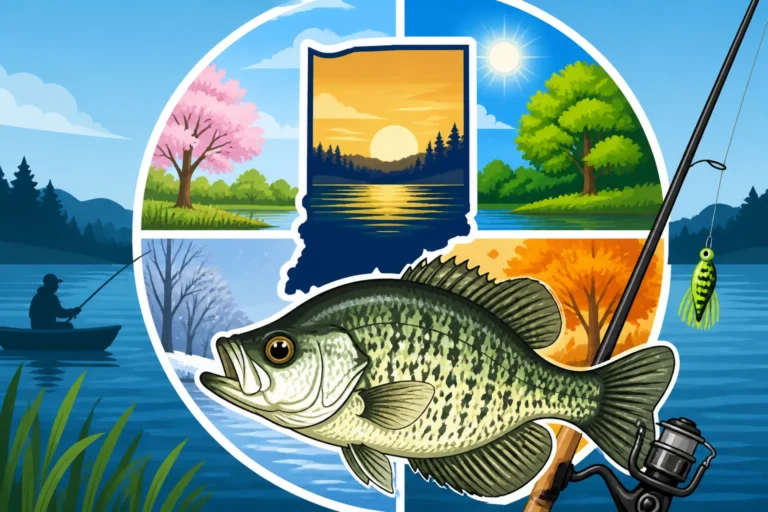
March in Indiana can be a real mixed bag weather-wise. One day it feels like spring, the next a late-winter cold front rolls through, reminding you winter isn't quite done yet. However, beneath the surface, the fish are definitely feeling the lengthening days and slowly warming water. This is prime pre-spawn action for many species, especially largemouth bass, crappie, and northern pike.
Bass, after spending the winter in deeper, more stable water, will start making their move towards shallower staging areas, typically relating to points, humps, and submerged timber near deeper access. They're looking for baitfish that are also becoming more active. Slow-moving baits like jerkbaits, jigs, and lipless crankbaits can be incredibly effective right now. Anglers targeting crappie will often find them schooling up in brush piles or around submerged structures in 10-20 feet of water, often near creek channels in our larger reservoirs like Patoka Lake or Monroe Lake. Minnows and small jigs fished slowly are the go-to baits. Pike also become very aggressive this time of year, often found in shallow weed beds looking to ambush prey. This is a fantastic time to break out your heavier gear and larger lures.
April: Bass on the Move
April truly marks the full onset of spring fishing throughout Indiana. Water temperatures are consistently rising, and many species are in full-on pre-spawn mode, or even beginning to stage for the spawn itself. This is often cited as one of the best months for consistently catching a variety of species.
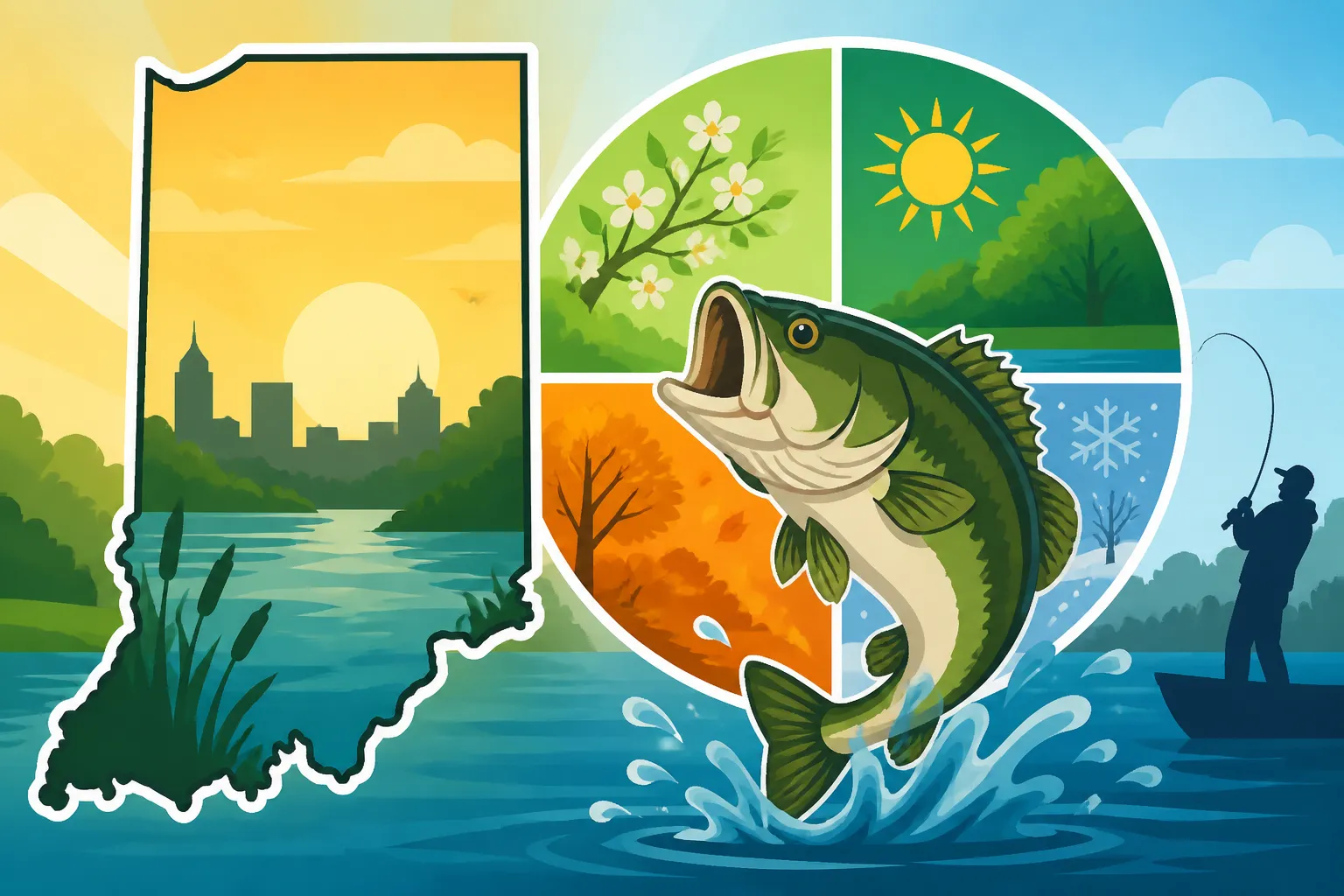
Largemouth bass are typically very aggressive in April. They'll be feeding heavily, building up energy for the upcoming spawn. Look for them in areas that receive good sunlight, like north-facing banks or shallow coves, especially those with some kind of cover such as laydowns, emergent weeds, or docks. Spinnerbaits, chatterbaits, and medium-diving crankbaits work wonders. Don't forget about Smallmouth Bass Daily Limit in Indiana Rivers in our river systems, which will also be pushing into faster-moving current breaks. Crappie continue to be active and can be found a bit shallower than in March, often migrating to brush piles and submerged cover closer to the banks. This is also a fantastic month for trout fishing, particularly in stocked streams and lakes. If you're planning a trout trip, remember to confirm if you need an Indiana Trout and Salmon Stamp Cost: $11 in addition to your regular license.
May: Peak Spawn Action and Panfish Paradise
May is, for many Indiana anglers, the quintessential fishing month. The weather is generally pleasant, the days are long, and most of our popular sportfish are either actively spawning or have just finished, making them predictable and often very catchable. If you want to take advantage of this prime time, you'll also need to make sure you have your Indiana Resident Annual Fishing License Cost ready to go.
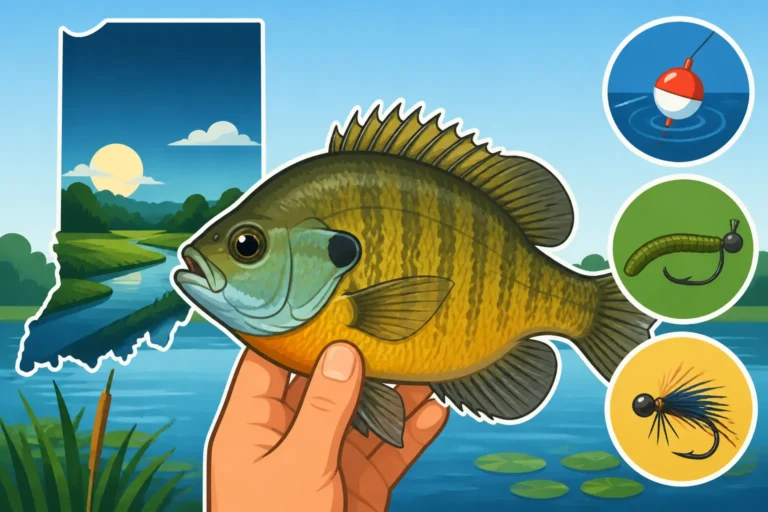
This is prime time for largemouth bass, with the spawn often peaking in central and southern Indiana lakes like Lake Monroe and Patoka Lake. They'll be on beds in shallow, protected coves, often visible if you have polarized sunglasses. While sight fishing for bedding bass is popular, remember that a fish on a bed is often guarding eggs or fry, and ethical anglers minimize stress. Soft plastics like wacky-rigged Senkos or creature baits are excellent for these fish. Panfish, including bluegill and redear sunfish, also hit their spawning peak in May. They gather in huge numbers in shallow water, making them incredibly fun and easy to catch for anglers of all skill levels, especially kids. Look for their distinctive "beds" – circular depressions on the bottom – near shorelines in almost any pond or lake. Worms, crickets, and small jigs are irresistible to them. For those interested in crappie, many will be done spawning and begin to disperse, but active fish can still be found around deeper cover.
Summer Fishing: Warm Waters and Deep Retreats
As Indiana transitions into summer, fishing patterns shift dramatically. The warm water can make some species sluggish during the day, forcing anglers to adapt their tactics and target different times or deeper, cooler waters. Don't worry though, there are still plenty of fantastic opportunities to be had.
June: Post-Spawn Feasts and Catfish Mania
June kicks off summer with generally stable weather and warm water. For many species, the spawn is over, and fish are now focusing on recovering and feeding aggressively. This is often the start of really good topwater action for bass in the early mornings and late evenings.
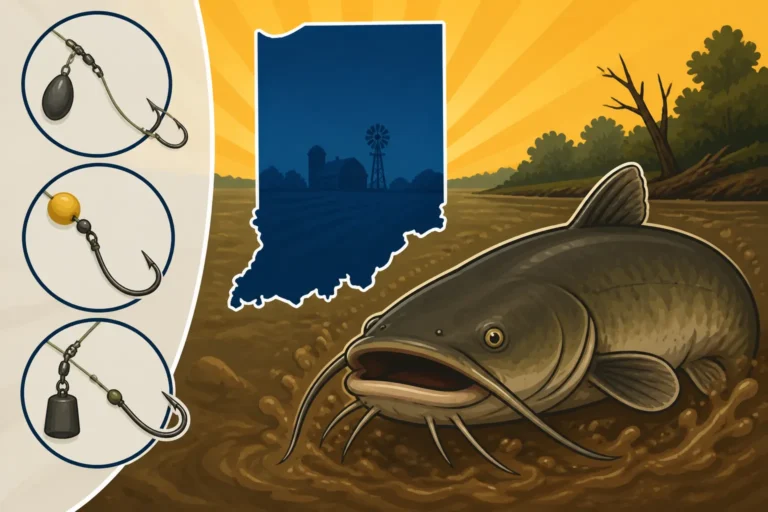
Largemouth bass, having finished spawning, will often move to ambush points and cover near deeper water, such as submerged grass lines, rock piles, or shaded areas under docks. Topwater lures like poppers, frogs, and buzzbaits shine in low-light conditions, while jigs, Texas-rigged worms, and crankbaits can entice bites during the brighter parts of the day. Crappie will typically be found suspended over deeper brush piles or along creek channels, often requiring electronics to locate them effectively. One of the absolute stars of June fishing, however, is the channel catfish. As water temperatures rise, catfish become incredibly active. Our major rivers like the Wabash River and White River are fantastic spots for them, as are our larger reservoirs. They'll readily take stink baits, cut bait, or even chicken livers fished on the bottom.
July: Mid-Summer Challenges
July in Indiana brings some of the hottest weather and warmest water temperatures of the year. This can make fishing a bit more challenging, especially for popular game fish that prefer cooler conditions. Anglers often need to adjust their timing and techniques to find success.
During the peak heat of the day, many bass will retreat to deeper, cooler water, often suspending over deep humps, along thermoclines, or nestled deep within heavy cover to escape the sun. Early mornings, late evenings, and even night fishing become incredibly productive. Look for bass feeding on shad schools in open water or hiding in dense lily pads. Jigs, deep-diving crankbaits, and heavy Texas-rigged plastics are effective for probing deep cover. Panfish like bluegill might still be around shallow cover, but often in less numbers than May. Catfish, however, remain a strong bet, especially at night when they actively forage. This is also a great time for night fishing in general, as the cooler air and water surface temperatures can really bring fish out to play.
August: Early Fall Signs and Evening Bites
As August progresses, while the days are still hot, subtle changes in day length and occasionally cooler nights can start to hint at the coming fall. This transitional period can spark renewed activity in some fish species, especially as baitfish begin to school up.
Bass might start to become more predictable as they follow schooling baitfish, particularly in the larger reservoirs. Topwater action can remain strong in low light, but anglers will also find success with finesse presentations like shaky heads or drop shots fished around deeper structure. White bass and hybrid striped bass (wipers) in reservoirs like Brookville Lake and Patoka Lake become highly active, often pushing baitfish to the surface in explosive feeding frenzies, creating opportunities for fast and furious action with spoons, crankbaits, or topwater lures. Catfish continue to be a reliable target, and the evenings are often the most comfortable and productive times to fish. Remember to grab all your essential gear, perhaps a new tackle box or specialized lures from Amazon, before heading out for those long summer evenings.
Fall Fishing: Cooler Temperatures and Feeding Frenzies
Fall is arguably one of the most productive and enjoyable seasons for fishing in Indiana. The dropping water temperatures, combined with fish instinctively trying to put on weight for winter, create incredible feeding frenzies across many species. The beautiful autumn foliage is just an added bonus!
September: Lake Michigan's Salmon and Trout Run
September is a prime month for anglers targeting the legendary salmon and trout runs on Indiana's Lake Michigan shoreline and its tributaries. As lake temperatures begin to drop, mature Chinook and Coho salmon start their migratory push towards the rivers and streams where they will spawn. This is an epic event that draws anglers from all over.
The piers and harbors along the Indiana coast, especially in places like Michigan City and Portage, become hotbeds of activity. Anglers will target these powerful fish using various techniques, including casting spoons, crankbaits, or drifting spawn bags under bobbers. As the month progresses and water levels allow, some fish will begin to enter the tributary streams. This is also a fantastic time for steelhead and brown trout fishing, as these species often follow the salmon into the rivers, eager to feast on their eggs. Always be sure to check the specific Lake Michigan Fishing Rules for Indiana Anglers as they can differ significantly from inland waters. Beyond Lake Michigan, inland bass and walleye fishing can also pick up significantly as water temperatures become more comfortable for these species.
October: Walleye and Muskie on the Prowl
October in Indiana offers some of the best fishing of the year, especially for cool-water species like walleye and muskellunge. The cooling water temperatures invigorate these predators, and they become highly aggressive, actively feeding to bulk up for the winter ahead.
Walleye fishing truly shines in October. They'll often move from their deeper summer haunts to shallower flats, humps, and points, especially during low-light conditions. Trolling crankbaits, jigging with minnows or plastics, and casting stickbaits are all effective methods. Lakes in the glacial lake region of northern Indiana, such as Lake Wawasee or Tippecanoe River systems, are renowned for their excellent walleye populations. This is also the absolute prime time for muskie fishing. These elusive "fish of 10,000 casts" become more accessible as they aggressively pursue large baits. Anglers will typically use large jerkbaits, bucktails, or glide baits, focusing on weed lines, rock piles, and points in lakes like Webster Lake or James Lake. The Best Time of Year for Muskie Fishing in Indiana is often considered to be now, and it’s when many trophy fish are caught.
November: Last Bites Before Winter
As November rolls around, the temperatures continue to drop, and many of Indiana's lakes and rivers begin their slow transition into winter. However, this month can still offer some incredible fishing opportunities for dedicated anglers willing to brave the colder weather.
Many species, particularly walleye, bass, and panfish, will continue their aggressive feeding patterns as long as water temperatures remain above freezing. Walleye can still be caught jigging or trolling in transition areas. Largemouth bass will often be found holding tight to deep cover like rock piles or submerged timber. Slow presentations with jigs, spoons, or blade baits can be very effective for these lethargic fish. Crappie often school up tightly in deep water, making them a great target for vertical jigging or slow-trolling minnows. This is also a fantastic month for trout fishing in our stocked streams and tailwaters, which remain cold and productive. For those willing to dress warmly, November can offer some of the largest fish of the year as they consume their last big meals before the deep chill sets in.
Winter Fishing: Ice and Coldwater Tactics
When winter truly settles in, many anglers pack away their gear. But for a dedicated few, and those in the northern parts of the state, a whole new world of fishing opens up: ice fishing. Even without ice, coldwater tactics can yield surprisingly good results in open water.
December: First Ice and Early Season Success
December in Indiana usually brings the first consistent ice to our northern lakes and smaller ponds. "First ice" is often considered one of the safest and most productive times for ice fishing, as fish are still relatively active and haven't experienced heavy fishing pressure.
Target species include bluegill, crappie, perch, and occasionally walleye and pike. Bluegill and crappie are often found in relatively shallow water (5-15 feet) near weed lines, brush piles, or subtle structure. Small jigs tipped with wax worms, spikes, or minnows are irresistible to them. Walleye and pike might be found on points, humps, or flats near deeper water. Utilizing a good portable fish finder can be invaluable for locating fish and understanding depth. Always exercise extreme caution on early ice; never go out alone, and make sure to check ice thickness thoroughly. Safety should be your absolute top priority when venturing onto frozen waters.
January: Mid-Winter Chill and Strategic Drills
January is typically the coldest month in Indiana, bringing thicker ice but also more challenging fishing conditions. Fish activity often slows down significantly due to the cold, clear water and reduced light penetration. This is when patience and precision become key.
Fish tend to suspend or hold tight to structure in deeper water. For panfish, this means targeting brush piles, submerged trees, or channel edges. Walleye might be found on deeper flats or breaklines. Downsizing your baits, slowing down your presentation, and using electronics to pinpoint fish become even more crucial. Many anglers will "hole hop," drilling multiple holes across different depths and structures until they locate active fish. Ice fishing shelters can provide much-needed warmth and comfort, allowing you to stay out longer and focus on the subtle bites. Don't forget a warm beverage and plenty of layers!
February: Late Ice Opportunities
As February rolls around, the days begin to lengthen, and temperatures might start to creep up slightly, even if only marginally. This subtle change can sometimes trigger a late-season burst of activity, making "late ice" a productive time for those who brave the cold.
Often, fish will start to become more active as they sense the approaching spring. Panfish, especially bluegill and crappie, may begin to move towards shallower areas, particularly those with vegetation or structure, in preparation for their spring spawn. Walleye can also be very active, especially during low-light conditions around points and structural elements. The ice may start to become less stable later in the month, so continued vigilance regarding ice safety is paramount. Check ice conditions daily, especially if temperatures have been fluctuating. This can be a great time to catch a memorable fish before the ice fully gives way, ushering in the open-water season once more. Make sure you have the right gear, and check for reliable ice fishing accessories on Amazon to make your experience more comfortable and safe.
Monthly Fishing Overview Table for Indiana
Here's a quick summary to help you visualize the general fishing opportunities throughout the year in Indiana. Remember, these are general guidelines, and local conditions, weather, and specific species behavior can always vary.
| Month | Primary Target Species | Key Techniques / Locations | Important Considerations |
|---|---|---|---|
| March | Largemouth Bass, Crappie, Northern Pike | Slow-moving baits (jigs, jerkbaits) near deep cover; creek channels in reservoirs | Pre-spawn movement; watch water temps; check for "Indiana Anglers Need a New License Every April 1" |
| April | Largemouth Bass, Smallmouth Bass, Crappie, Trout | Spinnerbaits, jigs, crankbaits in shallow coves; minnows for crappie | Bass pre-spawn; license renewal on April 1st; trout stocking programs |
| May | Largemouth Bass, Bluegill, Redear Sunfish, Crappie | Soft plastics for bedding bass; worms/crickets for panfish in shallow beds | Peak spawn for bass/panfish; "Indiana Free Fishing Day: May 10, 2026" and other dates; kids fish free |
| June | Channel Catfish, Largemouth Bass, Panfish | Bottom fishing with cut/stink bait; topwater/jigs for bass in low light; deep brush piles | Post-spawn feeding; excellent catfish action; "Free Fishing Days: June 6 and 7, 2026" |
| July | Channel Catfish, Hybrid Striped Bass, Deepwater Bass | Night fishing for catfish; deep-diving crankbaits; spoons for schooling hybrids | Hottest month; early/late day fishing best; find deep, cool water for most species |
| August | Hybrid Striped Bass, Largemouth Bass, Catfish | Topwater/spoons for schooling fish; deep jigs for bass; night fishing for catfish | Transitional month; baitfish schooling; check for "Indiana Fishing License Options for Visiting Anglers" for visitors |
| September | Chinook/Coho Salmon, Steelhead, Brown Trout, Walleye | Casting spoons/crankbaits from piers; drifting spawn in tributaries; walleye on flats | Lake Michigan salmon/trout run begins; "Indiana Free Fishing Day: September 26, 2026"; check Lake Michigan rules |
| October | Walleye, Muskellunge, Largemouth Bass | Trolling/jigging for walleye; large jerkbaits/bucktails for muskie; jigs for bass | Prime fall feeding frenzy; excellent for cool-water predators; check "Indiana Walleye Fishing: A Complete Guide" |
| November | Walleye, Crappie, Bass, Trout | Slow presentations with jigs/spoons in deep cover; vertical jigging for crappie; stocked streams | Last aggressive feeding before winter; dress warmly; focus on deep structure |
| December | Panfish (Bluegill, Crappie, Perch), Walleye, Pike | Small jigs/minnows for panfish; spoons/tip-ups for walleye/pike; hole hopping | First ice fishing; check ice safety constantly; "Winter Fishing Patterns on Indiana Lakes" |
| January | Panfish, Walleye | Downsized baits; slow presentations; electronics to pinpoint fish in deep water | Mid-winter chill; slower bites; ice safety critical; consider "Best Ice Fishing Shelters for Cold Weather" on Amazon |
| February | Panfish, Walleye, Pike | Small jigs/minnows; focus on slightly shallower areas; spoons/tip-ups | Late ice opportunities; potential pre-spawn movement; continued ice safety diligence |
Mastering Techniques for Seasonal Success
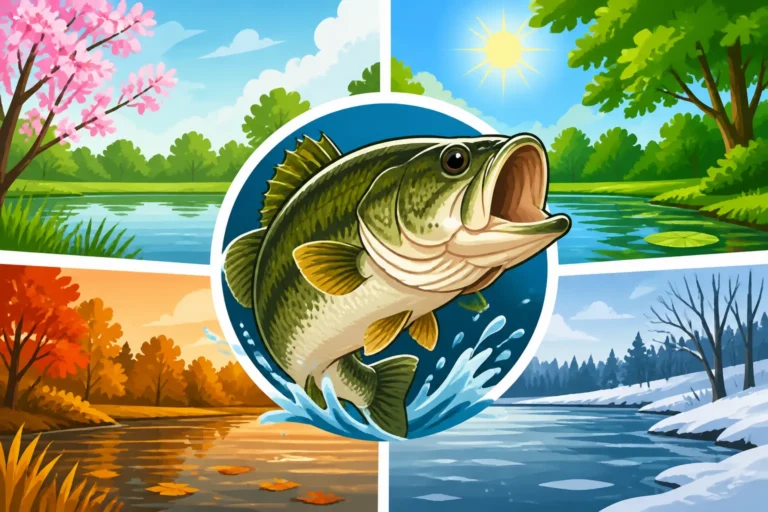
Understanding which fish are active when is just the first step. To truly excel, you'll need to adapt your fishing techniques to the prevailing conditions of each season. Fish behavior changes dramatically with water temperature, light penetration, and spawning cycles. What works in May for a spawning bass won't typically be effective for a deep-water walleye in January.
Spring: Slow and Steady Wins the Race
During early spring, when water temperatures are still in the 40s and low 50s, fish metabolism is slower. They're not going to chase down fast-moving baits like they might in summer. This is why slow, deliberate presentations are often the most effective. For bass, a jig-and-trailer combo slowly dragged along the bottom or a suspending jerkbait that can be twitched and paused for several seconds can be deadly. Crappie anglers will find success with a small minnow under a bobber or tiny jigs fished vertically over brush piles. The key is to keep your retrieve painfully slow, giving the fish ample time to decide to strike. Many anglers find their patience tested, but those who stick to the slow retrieve are often rewarded with bigger fish.
As the water warms into the high 50s and 60s closer to spawn, fish activity increases, and you can start to incorporate slightly faster retrieves or more aggressive baits. Spinnerbaits and chatterbaits become very effective for covering water and triggering reaction strikes from pre-spawn bass. For panfish, while still preferring slow presentations, you might find them hitting more readily as they move to shallower spawning beds. Don't be afraid to experiment with different jig colors or bait types, but always start with a slower approach and gradually increase speed if fish aren't responding. A good variety of jigs and soft plastics, easily found on Amazon, can make all the difference.
Summer: Early Mornings and Deep Diving
Summer fishing requires a different mindset. With hot air and water temperatures, many game fish become lethargic during the bright, midday hours. This means adjusting your fishing schedule and targeting specific times or depths. Early mornings, just before and after sunrise, are often magical. The cooler water and low light encourage bass, walleye, and even panfish to move shallower and feed aggressively. Topwater lures are a blast during this time, creating exciting blow-ups on the surface.
As the sun climbs higher, fish will retreat to deeper, cooler water, or seek refuge in dense shade. This is when deep-diving crankbaits, heavy jigs, and Texas-rigged or Carolina-rigged soft plastics become your best friends. You'll need to probe creek channels, submerged humps, rock piles, and deep weed lines. Using a good fish finder is almost essential for locating these deeper holding areas. Night fishing is another fantastic summer strategy, particularly for catfish and even some walleye and bass. The cooler air and water surface temperatures bring fish out to actively forage, and the lack of boat traffic can make for a peaceful and productive outing.
Fall: Matching the Hatch and Aggressive Retrieves
Fall is all about fish putting on the feedbag for winter, and their activity levels soar as water temperatures drop into the comfortable zone for most species. Matching the hatch – or mimicking the prevalent baitfish – becomes crucial, especially for bass and walleye that are actively chasing schools of shad or other forage fish.
For bass, crankbaits, spinnerbaits, and swimbaits that imitate baitfish are incredibly effective. Look for them on points, creek channel bends, and flats where baitfish are congregating. Walleye will often respond well to trolling crankbaits along breaklines or jigging with minnow-imitating lures. For salmon and steelhead on Lake Michigan, spoons and stickbaits are staples, often trolled or cast from piers. As the water gets colder in late fall, presentations might need to slow down again, similar to early spring, but the fish are generally more willing to strike. Don't be shy about trying different lure colors and sizes until you find what triggers a bite.
Winter: Precision and Patience on Ice
Winter fishing, especially ice fishing, demands precision and immense patience. Fish are slow, and their strike zones are often very small. Small baits, light lines, and sensitive rods are key to detecting subtle bites. For panfish, tiny tungsten jigs tipped with a single wax worm, spike, or a piece of plastic are the go-to. Present these baits right in the fish's face and impart very subtle movements – a tiny jigging motion, then a long pause.
Electronics, such as a flasher or a small fish finder, are game-changers in winter. They allow you to see your bait, the fish, and their reaction to your presentation in real-time, helping you adjust your depth and technique instantly. When targeting walleye or pike through the ice, tip-ups rigged with live minnows are effective for covering multiple holes, while jigging spoons or larger soft plastics can also draw strikes. Remember, fish are often concentrated in specific areas, so moving around and drilling multiple holes until you find a productive spot is a common and effective strategy. Staying warm with proper layers and an insulated ice shelter, which you can find a wide selection of online, is paramount for an enjoyable winter fishing experience.
Navigating Indiana's Diverse Fishing Landscapes
Indiana offers a surprising variety of fishing environments, from the vast expanse of Lake Michigan to countless small farm ponds, each with its own character and best approach. Understanding these different landscapes will further refine your seasonal strategies.
Large Reservoirs: Monroe, Patoka, Brookville
Indiana's large reservoirs like Monroe Lake, Patoka Lake, and Brookville Lake are gems for species like largemouth bass, crappie, catfish, and hybrid striped bass. These lakes offer extensive main lake points, coves, creek channels, and standing timber, providing a complex habitat that changes with the seasons.
In spring, focus on the shallow coves and creek arm points where fish migrate for spawning. The northern arms of Monroe Lake, for example, warm up faster and are bass magnets. Come summer, fish retreat to deeper channels and thermoclines. Look for submerged humps and old creek beds using your electronics. Fall brings renewed activity, with fish chasing baitfish schools on main lake points and flats. Winter fishing, while challenging, can be productive for crappie suspended over deep timber or catfish in the warmest parts of the reservoir. Mastering these vast waters often requires a boat and a good understanding of contour maps and sonar. Consider exploring our guide to Best Fishing Spots in Indiana for more specific locations.
Natural Lakes: Wawasee, Webster, Tippecanoe Chain
Northern Indiana is home to a beautiful collection of natural, glacial lakes, renowned for their walleye, muskie, and northern pike populations, along with excellent panfish opportunities. Lakes like Wawasee, Webster, and the Tippecanoe River chain offer clear waters and abundant aquatic vegetation.
Spring sees walleye moving to shallower rock humps and points, while muskie and pike will be found in shallow weed beds. May and June are fantastic for panfish in these lakes, with bluegill and crappie abundant in shoreline cover. Summer fishing demands precision: walleye will be found on deep weed edges and breaks, often requiring trolling or deep jigging, and muskie might be found suspended over deep water or relating to specific weed structures. Fall is prime time here for aggressive muskie and walleye feeding. Winter is when these lakes become prime ice fishing destinations, particularly for panfish, walleye, and pike. These clear-water lakes often mean fish are more sensitive to boat noise and shadows, so a stealthy approach can be key.
Rivers and Streams: Wabash, White, St. Joseph
Don't overlook Indiana's extensive network of rivers and streams! The Wabash River, White River, and St. Joseph River provide fantastic fishing for smallmouth bass, channel catfish, and even some walleye and migratory salmon/steelhead (in the St. Joseph).
Spring and fall are typically the best times for smallmouth bass in rivers. They'll be found around current breaks, rock piles, downed trees, and undercut banks. Moving baits like crankbaits, spinnerbaits, and jigs are excellent choices. Catfish are active throughout the warmer months, particularly in the slower pools and deeper holes of rivers. Fish cut bait, chicken liver, or worms on the bottom. The St. Joseph River in northern Indiana is unique for its excellent runs of Chinook salmon and steelhead in the fall and spring, providing a completely different type of fishing experience compared to inland waters. For more detailed information on river fishing, check out our guide on Fishing the Wabash River in Indiana. Always be mindful of water levels and currents when river fishing, as conditions can change rapidly.
Disclaimer
Fishing regulations, license requirements, and seasonal patterns can change. Always check the latest Indiana Department of Natural Resources (DNR) regulations before heading out on the water. This guide is for informational purposes only and should not be considered a substitute for official DNR publications.