How to Tightline for Crappie
Have you ever been out on an Indiana lake, watching your bobber for what feels like an eternity, only to realize the crappie were nibbling just enough to steal your bait without ever pulling it under? It's incredibly frustrating, and it happens to the best of us! That's why mastering the art of tightlining for crappie can be a game-changer, giving you direct contact with those notoriously finicky bites. This guide is all about equipping you with the knowledge and techniques to feel every bump, tap, and subtle tug, so you can start catching more slabs.
What Exactly Is Tightlining for Crappie?
Tightlining, at its heart, is a direct-contact method of fishing that removes the visual indicator of a bobber, relying instead on your rod tip and your hands to detect bites. Imagine feeling every single vibration from your lure as it moves through the water – that's the essence of tightlining. It's not about casting and retrieving long distances; it's about precision, feeling the bottom, feeling the brush piles, and most importantly, feeling that almost imperceptible "tick" when a crappie mouths your bait.
For crappie anglers in Indiana, this technique is particularly effective when fish are holding tight to structure like submerged trees, brush piles, or bridge pilings in lakes such as Monroe Lake or Patoka Lake. Instead of guessing where your bait is, tightlining gives you a direct connection, allowing you to "feel" your way through the underwater jungle and place your offering exactly where those paper-mouths are hiding. It’s a method that demands focus but rewards you with an incredible sense of what’s happening beneath the surface.
Beyond the Bobber: The Philosophy of Direct Contact
The core philosophy of tightlining is to eliminate any slack in your fishing line, creating an uninterrupted path for vibrations from your bait directly to your rod tip and into your hand. This is a stark contrast to traditional bobber fishing, where the bobber acts as a visual intermediary. While bobbers are great for suspension and depth control, they inherently introduce slack or absorb some of the subtle energy from a bite.
With tightlining, you're becoming an extension of your line and lure. Every tick against a submerged branch, every swirl of current, and every curious bump from a fish sends immediate feedback. This instant feedback loop is crucial for crappie, which are known for their incredibly light bites. Sometimes, it's not even a "bite" in the aggressive sense, but rather a slight change in pressure or a tiny, almost imperceptible "mushy" feeling. Learning to distinguish these nuances is what makes tightlining so effective and, frankly, so addictive for serious crappie anglers.
When to Choose Tightlining Over Other Methods
Tightlining truly shines in specific scenarios where other techniques fall short. If you're fishing in relatively shallow water with dense cover, like sunken timber or thick weeds, where a bobber might get hung up or be difficult to see, tightlining is your best friend. It allows you to meticulously probe these areas, dropping your bait into small pockets and feeling exactly when it makes contact with structure, preventing snags before they happen.
It's also a superior method when crappie are being particularly finicky due to cold fronts, post-spawn lethargy, or heavy fishing pressure. In these situations, crappie often won't commit to a hard strike, barely mouthing the bait. A bobber might not even twitch, but with a tight line, you'll feel that subtle weight or change in vibration. Think about those chilly early spring days on Lake Wawasee when crappie are just starting to become active; that's prime tightlining time. It’s also incredibly effective when you’re vertically jigging directly under the boat in deeper water, allowing you to precisely target fish you see on your fish finder.
Essential Gear for Tightlining Crappie in Indiana
Getting the right equipment is paramount for successful tightlining. You don't need the most expensive gear, but you do need components that work together to maximize sensitivity. We're talking about rods, reels, lines, and of course, the right baits and jigs to entice those crappie. Remember, the goal is to feel everything, so every piece of your setup should contribute to that sensitivity.
Rods: Sensitivity is King
For tightlining, the rod is your primary sensory tool. You'll want a longer, lighter rod with a fast or extra-fast action and a sensitive tip. A length of 9 to 14 feet is common, especially if you're "spider rigging" multiple rods from the front of a boat, which is a popular method on reservoirs like Mississinewa Lake. The longer rod helps you reach out further from the boat, covering more water and keeping your boat further away from the fish.
Look for graphite rods, as this material transmits vibrations much better than fiberglass. An ultralight or light power rod is ideal because it will bend easily under the slightest pressure, making even the most timid crappie bite feel like a definitive tug. You might even want to check out some specific models often recommended for panfish on Amazon, as they frequently have great options for Best Ultralight Rods for Bluegill Fishing that work perfectly for crappie. The key is a delicate tip that quickly transitions into a strong backbone.
Reels and Line: The Unseen Connection
When it comes to reels, a small, ultralight spinning reel in a 500 or 1000 series size is perfect. You don't need a heavy-duty reel since crappie aren't known for making long, powerful runs. The most important features are a smooth drag (for when you hook a really big slab) and lightweight construction to balance your long rod.
The fishing line is arguably as crucial as the rod for tightlining sensitivity. Monofilament line in 4 to 6-pound test is a classic choice for crappie. It has a bit of stretch, which can be forgiving, but its relatively thin diameter helps with sensitivity. However, many experienced tightliners prefer fluorocarbon or even braided line for ultimate sensitivity. Fluorocarbon has less stretch than mono and is nearly invisible underwater. Braided line, with almost zero stretch, transmits every vibration directly. If you go with braid, consider a 6- to 10-pound test main line with a 2- to 4-foot fluorocarbon leader tied with a small swivel to make it harder for crappie to see. This allows you to combine the sensitivity of braid with the stealth of fluorocarbon. You can find excellent quality crappie lines from brands like Berkley or P-Line on Amazon.
Here's a quick reference for common tightlining gear:
| Gear Type | Recommendation | Why It Matters |
|---|---|---|
| Rod | 9-14 ft, ultralight/light power, fast/extra-fast action, graphite | Max sensitivity, reach, vibration transmission |
| Reel | 500-1000 series spinning, lightweight, smooth drag | Balances rod, handles light line, smooth fight |
| Line | 4-6 lb mono, fluorocarbon, or braid w/fluoro leader | Maximize feel, stealth, strength |
| Jigs | 1/32 to 1/8 oz, various colors, soft plastics | Mimics forage, appropriate weight for depth |
| Bait | Live minnows, crappie nibblers, Gulp! Alive | Natural presentation, scent attraction |
Jigs and Baits: The Crappie Connoisseur's Choice
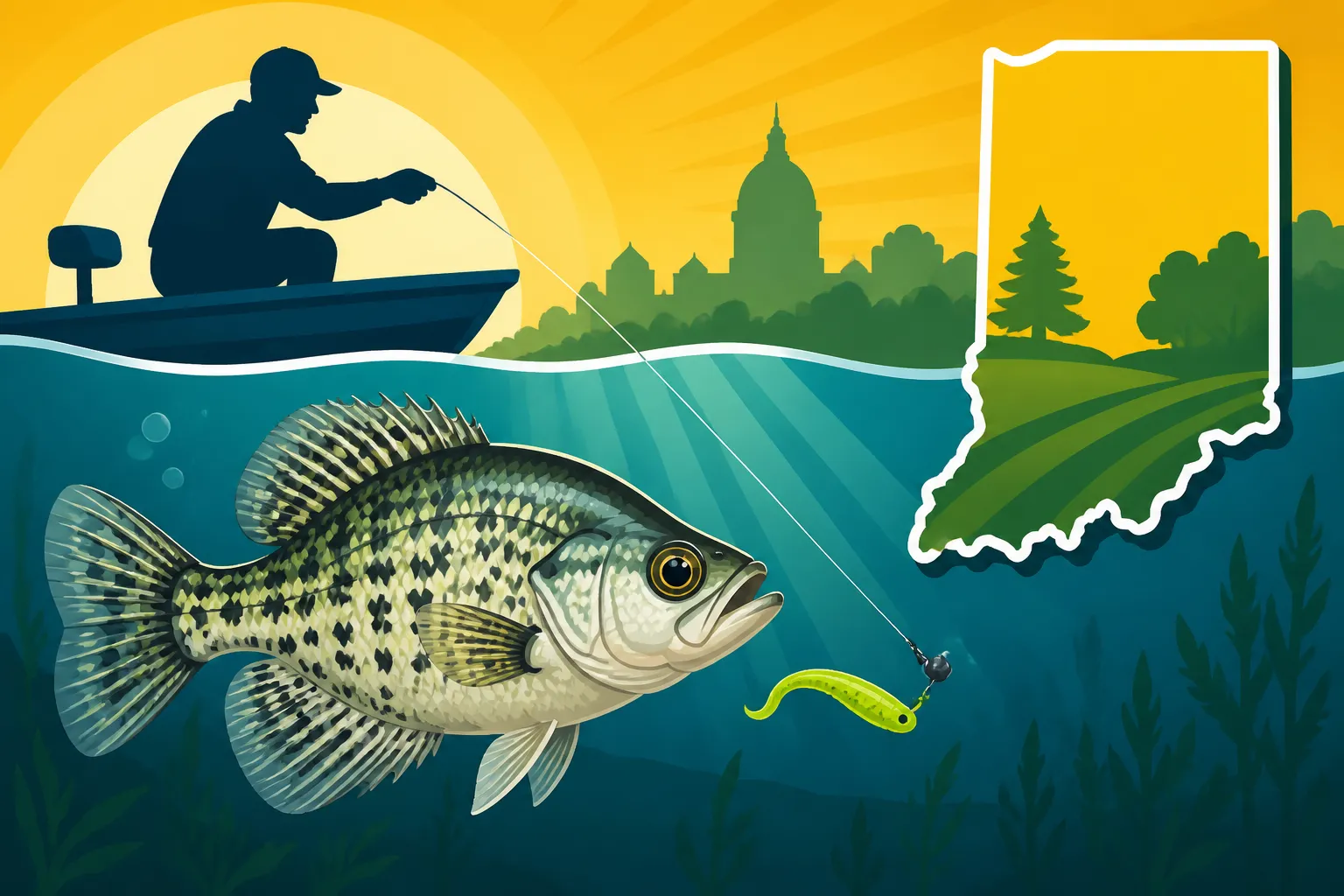
For tightlining crappie, jigs are usually the star of the show. Small jigs, typically in the 1/32 to 1/8 ounce range, are perfect. The weight needs to be heavy enough to get down to the fish quickly but light enough to maintain excellent sensitivity. You can pair these jigs with tiny soft plastic bodies like tube jigs, grub tails, or minnow imitations. Colors can vary widely depending on water clarity and crappie preferences on any given day, but common favorites include chartreuse, white, black, and various greens. You might find that Best Crappie Jig Colors for Cloudy Water differ from clear water conditions, so it's good to have a variety.
Live bait, especially small minnows, can also be deadly when tightlining. Hook a minnow lightly through the lips or just behind the dorsal fin on a small hook (size 4 or 6, Aberdeen style) with a small split shot weight placed a foot or so above the hook. This allows the minnow to swim naturally and entice those crappie. Many anglers combine a jig with a minnow for the ultimate crappie magnet! Don't forget crappie nibblers or scented soft baits, which can add an extra layer of attraction. When planning your Best Tackle for Crappie Fishing in Indiana, make sure to include a good selection of these options.
A Step-by-Step Guide to Tightlining for Crappie
Now that we've covered the gear, let's get down to the actual fishing. Tightlining is a patient game, but with practice, you'll develop an intuition that dramatically increases your catch rate. This method is all about precision and feel, which means you need to slow down and really connect with what's happening beneath the water.
Locating Crappie and Approaching the Spot
Before you even drop a line, you need to find the crappie. In Indiana, crappie are often found near structure. Use your electronics, if you have them, to locate brush piles, standing timber, submerged creek channels, or even schools of baitfish. Best Crappie Lakes in Indiana often have excellent underwater structure. Pay attention to the Crappie Spawn Timing on Indiana Lakes as fish will relate to different depths and types of cover throughout the year.
Once you've identified a likely spot, approach it slowly and quietly. Crappie are easily spooked. Use a trolling motor to slowly ease into position, or anchor upwind/upcurrent so you can gently drift over the area. Your goal is to get your boat positioned directly over or very close to the structure without making a ruckus. If you're bank fishing, find accessible spots that allow you to reach cover, such as piers or rocky outcroppings.
The Drop: Vertical Presentation and Depth Control
With your boat positioned, it's time to drop your lure. Lower your jig or bait straight down, maintaining constant tension on your line. This is crucial for feeling those subtle bites. Don't just free-spool the line; guide it down with your thumb or forefinger. As your bait descends, keep a close eye on your line where it enters the water – any sudden twitch, hesitation, or unexpected movement could indicate a bite.
Pay close attention to your depth. Crappie often suspend at a very specific depth, especially when How to Find Crappie in Summer. If you see fish on your sonar at 12 feet, aim to present your bait right at that depth. Start by dropping your bait to the bottom, then slowly retrieve it a foot or two at a time, pausing briefly at each depth, until you find the fish. Mark the productive depth on your line with a permanent marker or note the depth reading on your reel, so you can easily return to that strike zone.
Feeling the Bite: Subtle Signals
This is where the "art" of tightlining really comes into play. A crappie bite is rarely a violent strike. Often, it's:
- A "tick": A sharp, light tap on the line or rod tip.
- A "mushy" feeling: Your bait suddenly feels heavier, or the resistance changes slightly, as if it's caught in something soft.
- Line movement: The line might twitch sideways, jump up, or just go slack when it should still be falling.
- Lack of feel: You expect to feel your jig tap the bottom or brush, but you don't. This often means a fish has picked it up on the drop.
Any of these signals, no matter how small, warrant a hookset. Don't wait for a huge tug. If something feels even slightly "off," set the hook! You'll be surprised how many crappie you catch this way. This is a technique where developing a keen sense of touch is more important than sight. It takes practice, but once you start recognizing these nuances, your confidence will soar.
Tips and Tricks for Mastering Indiana Crappie Tightlining
Tightlining is a skill that improves with practice and attention to detail. Beyond the basic steps, there are several advanced tips and considerations that can significantly boost your success on Indiana's crappie waters.
The Importance of Boat Control
When tightlining from a boat, particularly if you're "spider rigging" (fishing with multiple rods from rod holders, fanning them out from the bow), boat control is paramount. A good trolling motor, especially one with GPS anchoring capabilities like those from Minn Kota or Lowrance, is a huge asset. It allows you to hold your position precisely over structure or slowly creep along contour lines. This steady movement (or lack thereof) is key to keeping your lines vertical and feeling every subtle tap.
If you don't have a high-tech trolling motor, practice using your electric motor in short bursts to maintain your position, or use small anchors to keep your boat stable. Remember, the goal is to present your bait in a controlled manner, so it’s not wildly swinging or being dragged too fast through the water. This also helps with depth control, ensuring your bait stays in the strike zone longer.
Varying Presentations and Baits
Even when tightlining, don't be afraid to experiment with your presentation. Crappie can be picky. Try different jig colors. On a given day, black and chartreuse might be ignored, but a subtle bluegill pattern or a simple white grub could be irresistible. Consider jig size – sometimes a tiny 1/64 ounce jig is all it takes, especially for smaller crappie or in clear water. Other times, a slightly heavier 1/16 ounce jig might be needed to get down through current or to target bigger fish.
Don't just hold the rod still. Try subtle lifts and drops, tiny twitches, or slow drifts. Sometimes a completely motionless bait is best, but other times, a little action can trigger a bite. If you're using live minnows, let them swim freely for a while before giving them a gentle twitch. Remember, variety is the spice of life, especially in fishing! You can learn more about general crappie strategies in guides like Crappie Fishing Techniques for Beginners.
Understanding Crappie Behavior in Indiana Waters
Knowing when and where crappie are likely to be found throughout the year is invaluable. In early spring, look for crappie moving into shallower bays and creek arms as water temperatures rise, often staging around brush or emergent vegetation. Where to Catch Crappie in Indiana in Spring can give you some specific ideas. As the water warms in summer, they often move to deeper offshore structure, suspending over channels or in the thermocline. During fall, they might transition back to shallower feeding grounds, then retreat to deep, stable cover for winter.
Paying attention to factors like water temperature, weather changes (like cold fronts), and time of day (dawn and dusk are often prime crappie times) will help you pinpoint their location and predict their mood. This kind of knowledge, combined with a sensitive tightlining setup, will make you a formidable crappie angler on any of Indiana's fantastic fishing lakes. Also, be sure to keep an eye on local regulations for How Many Crappie Can You Keep in a Day?.
The Benefits of a Good Fish Finder
While tightlining emphasizes feel, a quality fish finder can significantly aid your success. It helps you locate structure and, more importantly, see the crappie holding on that structure or suspending in the water column. Knowing precisely how deep the fish are allows you to set your bait at the exact right depth from the start, saving you valuable time. Modern side-imaging and down-imaging units from brands like Humminbird or Garmin can reveal brush piles and fish that would otherwise remain hidden. While tightlining is about feeling the bite, the fish finder helps you put your bait in the right neighborhood.
Ultimately, tightlining is about building a strong connection to what's happening beneath the waves. It's a technique that hones your senses and rewards patience and precision. So next time you're on the water, ditch the bobber, pick up a sensitive rod, and get ready to feel those subtle crappie bites!
Disclaimer
Fishing regulations and conditions can change. Always consult the latest Indiana Department of Natural Resources (IDNR) regulations before heading out. The information provided in this guide is for general informational purposes only and should not be considered legal advice.