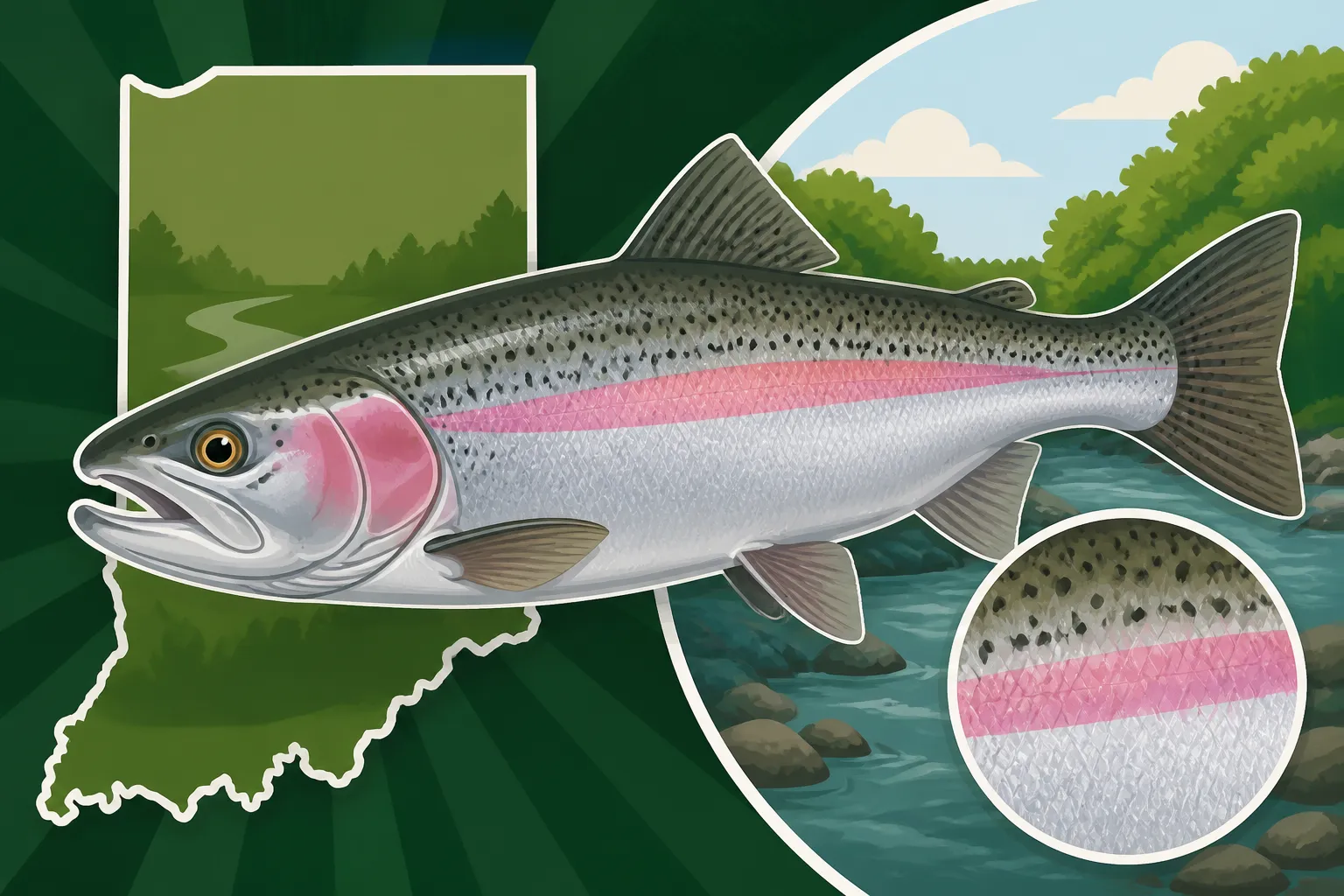
Steelhead Identification: Silver Sides and a Pink Stripe
You've heard the whispers around the bait shops and seen the photos online—those magnificent, chrome-bright fish that fight like demons and leap like acrobats. But when you’re out on the chilly banks of a Lake Michigan tributary or casting off a pier in the fall, how do you really know if that flash of silver at the end of your line is a true steelhead? It's a common dilemma, and one that can stump even experienced anglers. This comprehensive guide is here to clear up the confusion, walking you through the distinct characteristics that define a steelhead, helping you identify these incredible fish with confidence, and ensuring you know exactly what you've hooked into.
Understanding the Steelhead's Unique Identity
Before we dive into the nitty-gritty of identification, let's get one thing straight: a steelhead isn't just any rainbow trout. While genetically identical to their landlocked cousins, steelhead are anadromous—meaning they live most of their lives in the vast expanse of Lake Michigan (or the ocean, in the case of Pacific Coast steelhead) and return to freshwater rivers and streams to spawn. This migratory lifestyle profoundly impacts their appearance, behavior, and the fight they put up on the line. It's this remarkable journey that earns them their distinct name and reputation.
The Anadromous Lifestyle: A Journey of Transformation
Imagine growing up in a small stream, then venturing out into an inland sea like Lake Michigan, spending years feasting on baitfish and growing to an impressive size, only to instinctively return to that same small stream to reproduce. That's the life of a steelhead. This incredible migration and the rich diet they find in the open waters of the Great Lakes give them a different look than your typical stream-dwelling rainbow trout. They become sleeker, more powerful, and develop that unmistakable steely sheen that makes them such a prized catch. It's a testament to nature's adaptability and the incredible resilience of these fish.
The "Rainbow Trout" Connection: One Species, Two Lifestyles
It's easy to get confused because, scientifically speaking, steelhead are rainbow trout (Oncorhynchus mykiss). They share the same DNA. However, the term "steelhead" is specifically reserved for those rainbow trout that exhibit this anadromous behavior. Resident rainbow trout, on the other hand, spend their entire lives in freshwater rivers, streams, or lakes, never migrating to the larger body of water. This distinction is crucial for anglers, not just for identification, but also because it often comes with different regulations or expectations for where and how you might encounter them. Think of it like a wild salmon versus a farmed salmon; same species, but very different lives and resulting characteristics. If you're looking for a deeper dive, check out our article on Steelhead vs Rainbow Trout: What Sets Them Apart.
Key Identification Features of a Steelhead
So, you've got a fish on the line, and it's flashing silver and making your reel sing. How do you confirm it's a steelhead? There are several tell-tale signs that, when combined, paint a clear picture. Pay close attention to the overall body shape, coloration, fin structure, and spotting patterns. These details are your best friends in the field.
Coloration and the Iconic Stripe
The most striking feature of a fresh steelhead, especially when it first enters a river from Lake Michigan, is its incredibly bright, silvery coloration. This chrome-like sheen covers most of its body, reflecting the light beautifully. However, as they spend more time in the freshwater tributaries, preparing to spawn, this silver hue can begin to darken, and the famous "rainbow" stripe becomes much more pronounced.
Typically, this stripe is a broad, rosy-red or pink band running horizontally along the lateral line, from the gill plate all the way to the tail. It can be quite vibrant, especially in males during the spawning season. While resident rainbow trout also have a pink stripe, a steelhead's stripe tends to be more diffused and less intense when it's fresh from the lake, becoming bolder as it matures in the river. It's a subtle but important distinction that experienced anglers often pick up on.
Fin Anatomy and Appearance
A close look at the fins can also offer valuable clues. Steelhead often have fins that appear more streamlined and somewhat larger in proportion to their body compared to many other salmonids. Their dorsal fin, the one on their back, typically has 10-12 rays.
One key detail to observe is the tail fin (caudal fin). In steelhead, the tail is usually squared off or only very slightly forked, and it's generally well-spotted. This contrasts with some other trout and salmon species that might have more deeply forked tails or less spotting. The adipose fin, that small, fleshy fin located between the dorsal and tail fins, is also present, which helps distinguish them from some species like Atlantic salmon that might have theirs clipped. If you are comparing a lot of different fish species and need a good resource for understanding anatomy, you might find some useful guides on Amazon.
Spotting Patterns and Head Shape
Steelhead are known for having numerous small, dark spots scattered over their body, particularly on their back, sides, and fins. These spots often extend onto the head and gill covers, and crucially, they are almost always present on both lobes of their tail fin. The sheer density and distribution of these spots are a strong indicator.
Their head shape is another identifier. Steelhead tend to have a relatively small head compared to their robust body size, with a sleek, somewhat pointed snout. The mouth is usually terminal (at the very front of the head) and can extend back to the eye. As they age and move into spawning mode, the jaws of male steelhead, particularly, can become more elongated and hooked, forming what's called a "kype," although this is more pronounced in true Pacific salmon.
Here's a quick comparison table of key features:
| Feature | Steelhead (Fresh from Lake) | Steelhead (River/Spawning) | Resident Rainbow Trout (River/Lake) |
|---|---|---|---|
| Body Color | Bright, chrome silver, often with blue-green back | Silver to olive-green, darkening | Olive-green to brownish, varied |
| Lateral Stripe | Faint, diffused pink/red, often absent | Prominent, vibrant pink/red band | Distinct pink/red band, varies intensity |
| Spots | Numerous small spots on back, sides, and tail | Numerous small spots, similar pattern | Numerous spots, can be larger/sparser |
| Tail Fin | Squared or slightly forked, spotted | Squared or slightly forked, spotted | Squared or slightly forked, spotted |
| Head Shape | Sleek, relatively small, pointed snout | More pronounced jaw/kype in males | Varied, typically proportional |
| Overall Build | Powerful, robust, streamlined | Robust, often thicker for spawning | Slender to robust, depending on habitat |
Distinguishing Steelhead from Other Fish
In Indiana, especially along the Lake Michigan shoreline and its connecting tributaries, you're likely to encounter a variety of salmon and trout species. Being able to tell them apart is not only good for bragging rights, but it's also important for adhering to specific fishing regulations, as limits and sizes can vary significantly between species. Let's compare steelhead to some of the common look-alikes.
Steelhead vs. Chinook Salmon
Chinook salmon, often called King salmon, are another popular target in Lake Michigan. While they share the silvery complexion, there are distinct differences. Chinook are generally much larger and bulkier than steelhead, often sporting a more robust, almost blocky head. Their gum line is a key identifier: Chinook have black gum tissue where their teeth meet the lower jaw, while steelhead have white gums.
Furthermore, Chinook salmon have irregular, large spots on their back and a heavily spotted tail fin, but the spots are typically concentrated on the upper lobe of the tail, whereas steelhead have more evenly distributed spots on both lobes. The overall body shape of a Chinook is often deeper, giving them a more powerful, less torpedo-like appearance than a steelhead. For anglers gearing up for salmon fishing, finding reliable identification guides, perhaps through Amazon or specialized fishing forums, can be really helpful.
Steelhead vs. Coho Salmon
Coho salmon, sometimes known as Silver salmon, are perhaps the most frequently confused with steelhead, especially when both are fresh from the lake. Both are sleek and silvery. However, coho generally have a deeper, more blue-green tint to their backs compared to the steelhead's more olive-green or grayish back.
The real giveaway is the gum line: Coho salmon have white or pale gums, just like steelhead, but they typically have spots only on the upper lobe of their tail fin, and these spots are much sparser and less defined than those on a steelhead. Steelhead, as mentioned, have spots on both lobes of their tail. Coho also tend to have a slightly more slender caudal peduncle (the narrow part connecting the body to the tail) compared to steelhead. Our article on Chinook vs Coho Salmon: Key Differences for Anglers might offer even more clarity if you're frequently targeting both species.
Steelhead vs. Brown Trout
Brown trout are another common species in Indiana's Lake Michigan system and its tributaries. While they can grow quite large and put up a strong fight, their coloration is usually distinct from a steelhead. Brown trout typically have a yellowish-brown to olive-brown body, often with dark spots surrounded by lighter halos, and sometimes red or orange spots on their sides.
Their tail fin is usually unspotted or has very few spots, which is a major difference from a heavily spotted steelhead tail. Brown trout also tend to have a more pronounced, somewhat larger head. When a brown trout is fresh from Lake Michigan, it might appear more silvery, but it still often retains some of that golden-brown hue, and the distinct spotting pattern and lack of tail spotting usually give it away. You can learn more about this by checking out Brown Trout Identification: Spots and Coloring.
Steelhead vs. Resident Rainbow Trout
This is where the "one species, two lifestyles" concept comes into play. From a pure genetic standpoint, they are the same. However, their appearance can differ significantly due to their environment. A resident rainbow trout, living its entire life in a river or smaller lake, will typically have a more vibrant and consistent rainbow stripe, often with more pronounced reddish tones, and less of the brilliant silver chrome of a lake-run steelhead.
Their overall body shape might also be less streamlined, possibly a bit thicker or shorter, depending on the river habitat and food availability. The key is understanding that while the underlying features are similar, the steelhead's anadromous life in the open waters of Lake Michigan imbues it with that distinct "silver bullet" appearance, a tougher fighting spirit, and generally a larger size than most resident rainbows you'll encounter in the same river. Being able to tell these subtle differences apart is part of the joy and challenge of fishing these waters.
Where to Find Steelhead in Indiana
Now that you're a budding expert in steelhead identification, where do you go to put your knowledge to the test? In Indiana, the prime locations for steelhead fishing are inextricably linked to Lake Michigan and its network of tributary streams. These fish are creatures of habit when it comes to spawning, and understanding their migration patterns is key to finding them.
Lake Michigan and its Tributaries
The vast waters of Lake Michigan serve as the primary feeding ground and home for Indiana's steelhead population for most of their lives. Here, they grow large and powerful, feasting on smaller baitfish. However, it's their spawning migrations into the rivers that offer the most accessible opportunities for shore and wading anglers.
Key tributaries in Northwest Indiana, such as the St. Joseph River, Trail Creek, Salt Creek, and the Little Calumet River, become steelhead highways during their runs. These rivers provide the gravelly bottoms and colder, oxygen-rich waters that steelhead seek for reproduction. Anglers flock to these areas, particularly at public access points, parks, and around dams or deeper pools where fish tend to congregate. Always be sure to consult Lake Michigan Fishing Rules for Indiana Anglers before heading out, as regulations can be very specific to this unique fishery.
Timing Your Steelhead Search: Seasonal Runs
Steelhead in Indiana's Lake Michigan system typically exhibit two main migratory runs into the rivers, creating distinct fishing seasons:
- Fall Run: This is often the first major push of steelhead into the rivers, usually beginning in late September or early October and continuing through November. These fish are staging for the winter and will often hold in deeper pools or slower stretches of the river until the true spring spawn. The fall run offers some incredible fishing opportunities, often coinciding with the salmon runs, providing a true mixed-bag experience. If you plan to head out during this time, our guide on Steelhead Fishing in Indiana: A Fall Run Guide has more detailed information.
- Spring Run: This is the primary spawning run, kicking off as water temperatures begin to rise in late February, March, and April. Fish that overwintered in the rivers, along with new arrivals from the lake, move upstream to complete their reproductive cycle. This is often considered the peak steelhead season for many anglers, offering intense action as the fish are highly active. You can find more information on Peak Steelhead Fishing Season in Indiana to help plan your trip.
During these runs, fishing techniques often involve float fishing with jigs, spawn bags, or beads, as well as casting spoons or spinners, or even fly fishing. Understanding the species you're targeting, not just the steelhead, but also other trout and salmon, will enhance your experience and ensure you're following all local regulations. So grab your gear, check the water conditions, and get ready to experience the thrill of identifying and catching one of Indiana's most magnificent game fish! Knowing what you're looking for makes the whole experience that much richer. For specific guidance on fishing methods for these powerful fish, consider reading How to Fish for Steelhead in Rivers or How to Fish for Steelhead from the Bank.
Disclaimer
This article is for general informational purposes only and does not constitute professional advice. Laws, prices and regulations vary by location and change over time. Consult a qualified professional for guidance on your specific situation.