How to Fish for Steelhead in Rivers
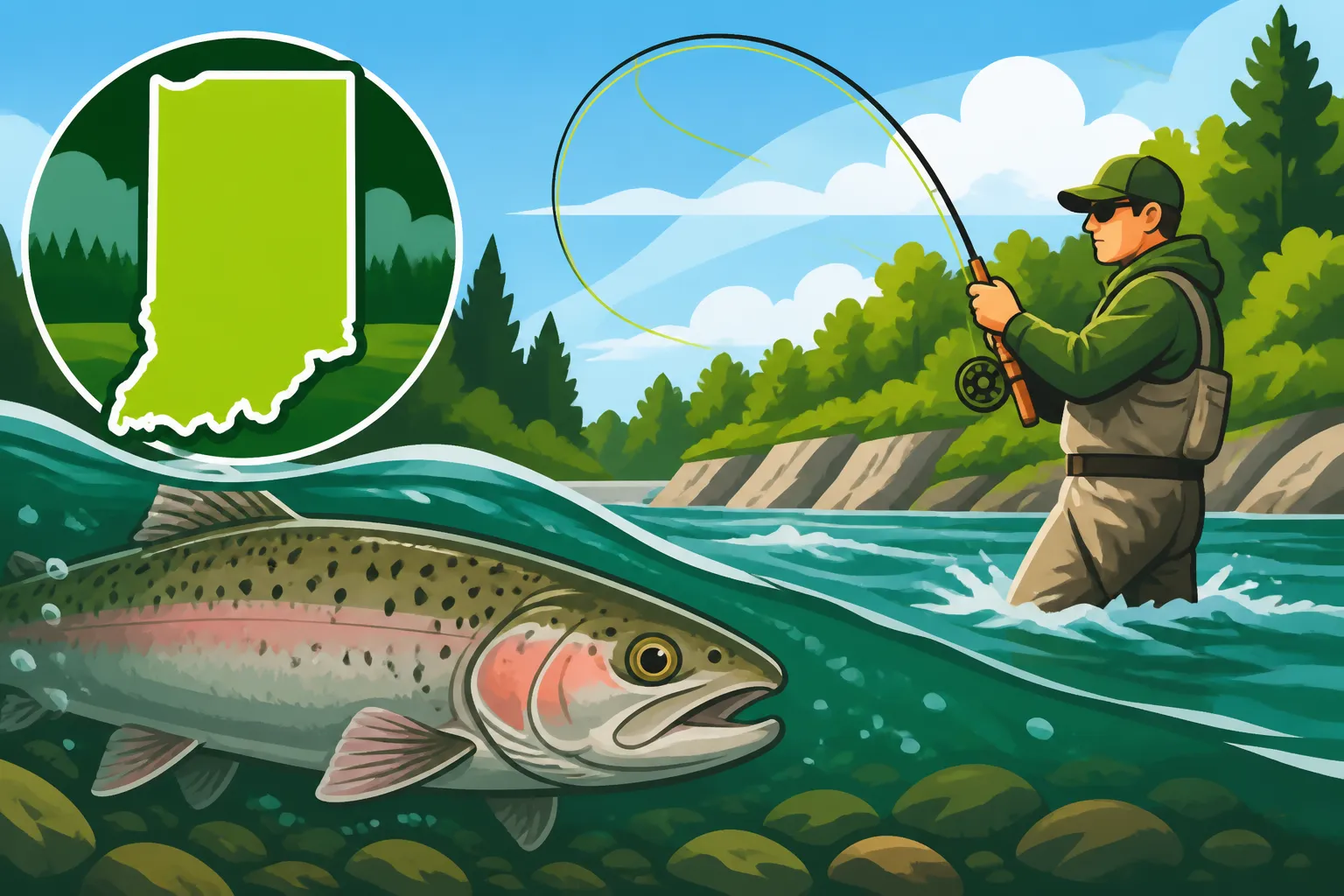
Catching steelhead in Indiana's rivers can feel like chasing a ghost – these powerful, migratory rainbow trout are notoriously elusive, demanding a special blend of skill, patience, and the right approach. Many anglers get frustrated because what works for bass or panfish just doesn't cut it in the swift, cold currents where steelhead thrive. This guide is here to unravel the mysteries of river steelhead fishing, giving you the practical techniques and insights you need to successfully hook into one of these incredible sportfish right here in the Hoosier State.
Understanding Indiana's River Steelhead
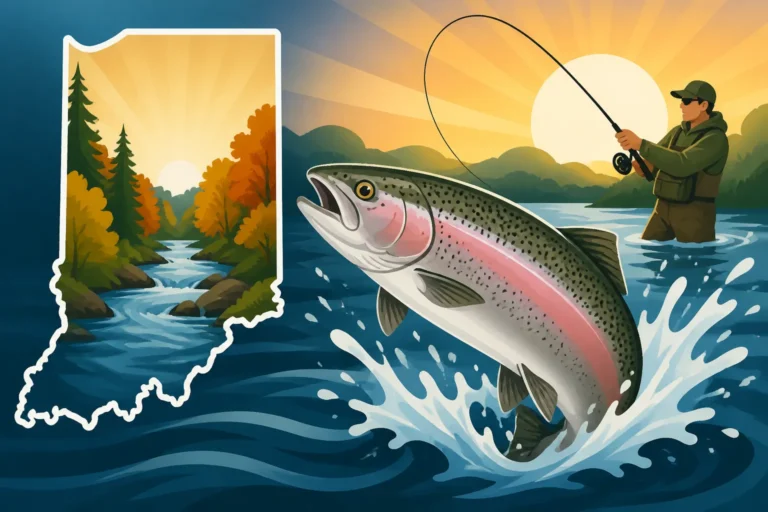
Before you even think about casting a line, it's crucial to understand what you're up against: the steelhead. These aren't your typical stocked trout you find in a local pond; they're an anadromous form of rainbow trout, meaning they spend most of their lives growing large in Lake Michigan before returning to tributary rivers to spawn. This migratory lifecycle makes them incredibly strong, challenging, and a truly rewarding catch. You'll often find them with a more silvery, streamlined body compared to their resident rainbow trout cousins, a testament to their time in the big lake.
Where to Find Them: Key River Systems
In Indiana, when we talk about river steelhead fishing, we're primarily talking about the tributaries that feed into Lake Michigan. These rivers, especially in the northwest corner of the state, become vital highways for steelhead during their spawning runs. Think about places like Trail Creek in Michigan City, the Little Calumet River, and the East and West Branches of the Little Calumet. These aren't vast, meandering rivers; often, they're smaller, more intimate waterways that flow through urban and suburban landscapes.
The key to finding steelhead in these river systems is to think about their journey. They're pushing upstream, looking for gravelly beds to spawn. That means focusing on areas with good current, deeper pools, and structure that offers them a bit of a resting spot or cover. Public access points are often well-known and can get crowded, so doing a bit of scouting to find less pressured stretches can really pay off. For more localized information, check out our guide on Where to Catch Steelhead in Indiana's Tributary Streams.
Steelhead Behavior in River Environments
Steelhead in rivers behave quite differently than they do in the vastness of Lake Michigan. Once they enter the tributaries, their primary focus shifts from feeding aggressively to navigating upstream and eventually spawning. While they will still strike a lure or bait, it's often more out of aggression, instinct, or opportunism rather than hunger. They tend to hold in specific spots, conserving energy against the current, and can be easily spooked by heavy foot traffic, shadows, or clumsy casts.
You'll find them holding behind large rocks, in the slower water on the inside bends of a river, or in deep pools where the current isn't as strong. Understanding these holding lies is paramount to success. They also become incredibly sensitive to water temperature and flow. A sudden cold snap or a significant rain event can change their behavior dramatically, either by pushing them further upstream or making them less active. They're incredibly wary, so a stealthy approach and presentation are crucial.
Timing Your Trip: Peak Seasons for River Steelhead
Knowing when to fish is just as important as knowing where and how. Indiana's river steelhead runs typically occur twice a year, offering distinct fishing opportunities. The primary run is in the fall, usually starting in October and continuing through November. This is when the initial push of fish comes in from Lake Michigan, attracted by cooler water temperatures and shorter days. This is often considered the peak time for pure numbers of fish entering the rivers.
Then, there's a strong spring run, often from March through April, sometimes even into early May, when the steelhead are actively spawning. Many of the fish you encounter in spring will have been in the river all winter, but new waves of chrome-bright fish will also enter. Both seasons offer fantastic fishing, but the tactics might need to adjust slightly. Fall fish can be a bit more aggressive, while spring fish might be more focused on spawning and thus more territorial. Our Steelhead Fishing in Indiana: A Fall Run Guide delves deeper into these seasonal patterns.
Essential Gear for River Steelhead Fishing
You wouldn't bring a butter knife to a sword fight, and the same goes for fishing for powerful steelhead in strong currents. Having the right gear isn't just about convenience; it's about giving you the best chance to hook and land these magnificent fish without breaking your heart (or your rod!). The strength of steelhead and the challenging river environment demand specialized tackle that can handle the fight.
Rods, Reels, and Line Choices
For river steelhead, you'll generally want a medium-heavy spinning or casting rod, typically between 8 to 10 feet in length. The longer rod provides better line control for mending (keeping your line free of drag) in current, cushioning for head shakes, and the leverage needed to steer a big fish away from snags. A fast action tip with a powerful backbone is ideal. Popular choices often range from 8'6" to 9'6" for their versatility.
Pair this with a reliable spinning reel in a 2500-4000 series size, or a baitcasting reel designed for heavy freshwater applications. Smooth drag is non-negotiable; a sticky drag will lead to snapped lines and lost fish. For line, many anglers opt for a main line of 8-12 lb monofilament or fluorocarbon, or a braid of 15-20 lb with a fluorocarbon leader of 8-12 lb. Braid offers sensitivity and strength, while fluorocarbon's low visibility and abrasion resistance are perfect for leaders. You can find a wide range of options on platforms like Amazon, but always prioritize quality for steelhead. For more general advice, check out Best Rods and Reels for Freshwater Fishing.
Terminal Tackle: Rigs, Weights, and Leaders
This is where the rubber meets the road, or rather, the hook meets the fish. Steelhead fishing in rivers relies heavily on presenting your bait or lure naturally in the current. This means using lighter leaders, appropriate weights, and specific hook styles.
Here's a breakdown of common terminal tackle:
- Leaders: Fluorocarbon leaders are king. Their near-invisibility in water is a huge advantage for wary steelhead. Use 6-10 lb test, depending on water clarity and pressure.
- Weights: Slinky weights, pencil lead, or split shot are commonly used. The goal is to get your bait down to the fish without hindering its natural drift. Use just enough weight to tick the bottom occasionally without dragging heavily.
- Hooks: Sharp, strong, single hooks are a must. Size 6 to 10 octopus or egg hooks are popular for bait, while jigs will come pre-rigged. Barbless hooks are often preferred or required in some waters to facilitate catch and release, which is common for steelhead.
- Swivels: Small, high-quality barrel swivels or three-way swivels help prevent line twist and can be crucial for certain rigs, like drift fishing setups.
Remember to rig your leaders correctly to allow for a natural presentation. For example, a popular rig involves a small swivel above a short fluorocarbon leader (18-36 inches) tied to your hook, with your weight placed a foot or two above the swivel. This ensures your bait drifts freely with the current.
Waders and Footwear for River Navigation
You simply cannot effectively fish for river steelhead without proper waders and footwear. These fish often hold in areas that are inaccessible from the bank, requiring you to get into the water to reach prime casting lanes or to properly drift your presentation. Standing on the bank often means casting over fish or not getting a good drift.
- Waders: Chest waders are the standard. Neoprene waders offer excellent insulation for cold Indiana mornings and frigid river water, while breathable waders are lighter and more comfortable for longer hikes or warmer days, though you'll need to layer underneath. Look for durable, well-fitting waders that allow for freedom of movement. Companies like Simms, Frogg Toggs, and Hodgman are popular, and you can compare styles and prices easily on Amazon.
- Wading Boots: Crucially, you need sturdy wading boots with good ankle support. Felt soles provide superior grip on slippery river rocks, though some states have banned them due to invasive species concerns (always check Indiana's current regulations). Rubber soles with aggressive treads and maybe even studs can also work. Never go barefoot or in flimsy shoes; falling in a cold, fast-moving river can be dangerous. Our guide on Best Waders for River Fishing offers more specific recommendations.
Proven Techniques for River Steelhead
Now that you're geared up, let's talk tactics. Steelhead fishing in rivers is a nuanced game, and having a few different techniques in your arsenal will significantly increase your success. The key across all methods is a natural, drag-free presentation.
Drifting Baits and Jigs
Drift fishing is arguably the most common and effective technique for river steelhead, especially when they're not actively chasing lures. The idea is to present a small, natural bait or jig in a way that mimics something drifting downstream with the current, right into the fish's strike zone.
- Scented Baits: Cured salmon eggs, egg sacs (mesh bags filled with roe), or even small pieces of shrimp are classic steelhead baits. The scent trail is a powerful attractant, especially in murky water.
- Jigs: Small marabou jigs or plastic worm jigs (often tipped with a waxworm or a piece of bait) can be incredibly effective. Pink, chartreuse, and white are popular colors.
- The Setup: Typically, you'll use a fluorocarbon leader tied to your hook or jig, with split shot or a small pencil lead crimped onto your main line a foot or two above your swivel. The amount of weight is critical: just enough to get your bait ticking the bottom, but not dragging. You want your bait to tumble naturally.
- Presentation: Cast upstream and across the current, letting your bait drift down through likely holding water. Keep your rod tip high and maintain just enough slack to allow a natural drift, but not so much that you can't detect a subtle bite. Many strikes feel like a slight "tick" or a sudden heaviness. Set the hook quickly and firmly!
Float Fishing: A Stealthy Approach
Float fishing, also known as "indicator fishing," is an incredibly effective and often more precise method for presenting baits or jigs to steelhead. It allows for superior depth control and a very natural, drag-free drift, making it ideal for wary fish in clear water.
- The Concept: Instead of directly feeling the bottom with weight, you use a buoyant float (often a large, specialized float designed for rivers) to suspend your bait or jig at a predetermined depth. The float acts as your strike indicator.
- Rigging: A float is placed on your main line, followed by a small weight (split shot or a pencil lead) that is sufficient to cock the float, and then your fluorocarbon leader and hook/jig. The distance between the float and the weight/bait is adjusted to match the depth of the water you're fishing.
- Drift Control: The beauty of float fishing is the drag-free drift. You cast upstream and mend your line (picking up slack and repositioning it) to ensure your float drifts at the same speed as the current, allowing your bait to tumble naturally below. Any dip, stutter, or disappearance of the float signals a bite.
- Benefits: Float fishing is excellent for targeting specific depths, navigating over snags, and teaching you to read currents. It's often favored in clear water where a fish might inspect a bait for longer. For anglers looking to perfect their approach, this method often yields impressive results.
Casting and Swinging Lures
While drift fishing and float fishing often get the most attention, casting and swinging lures can be incredibly effective, especially for more aggressive fish or when trying to cover water quickly. This method appeals to a steelhead's predatory instincts and can provoke a reaction strike.
- Spinners: In-line spinners, like those from Mepps or Panther Martin, can be deadly. Sizes #2 to #4 are good starting points. The flash and vibration mimic baitfish, and the blades spin enticingly in the current.
- Spoons: Small, thin spoons (e.g., Little Cleos, Koho spoons) flutter and wobble, resembling injured baitfish. Silver, gold, and vibrant colors work well.
- Plugs/Stickbaits: Diving crankbaits or minnow-imitating plugs, especially those with natural patterns or bright colors, can be effective when retrieved across current or twitched in deeper pools.
- Swinging Presentation: When casting lures, you typically cast across or slightly downstream and allow the current to "swing" the lure downstream and across the river, keeping tension on the line. This gives the lure a natural, swimming action. Vary your retrieve speed and add twitches to entice a strike.
- Targeting: Lures are great for covering pockets, eddies, and the deeper sections of runs where steelhead might be holding, waiting to ambush prey. They're also an excellent choice when you're looking for a more aggressive fish. For ideas on what to throw, check out Best Bait and Lures for Fall Fishing.
Reading the River and Finding Steelhead Holds
Understanding the river itself is paramount to consistently catching steelhead. It’s not just about getting your bait in the water; it’s about putting it exactly where a fish is likely to be. Rivers are dynamic environments, and conditions change constantly, so developing your river reading skills will serve you well for years to come.
Identifying Prime Lies and Current Seams
Steelhead, like most fish, are energy conservers. They seek out spots where they can rest out of the main current but still have access to passing food or an escape route. These "prime lies" are the spots you want to target.
- Current Seams: These are the visible lines where fast water meets slower water. Steelhead often sit in the slower water, just out of the main current, waiting for food to be swept by. Focus on the transition zones.
- Pools: Deeper, slower-moving sections of the river. Steelhead will rest here, especially if there's overhead cover from trees or undercut banks. The heads and tails of pools are often prime holding areas.
- Riffles and Runs: Faster, shallower sections with broken water. Steelhead will move through these areas, but may hold in the deeper pockets or behind larger rocks that break the current.
- Structure: Anything that breaks the current or provides cover: large boulders, fallen trees (logjams), bridge pilings, or undercut banks. These create ambush points and resting areas.
- Inside Bends: The water on the inside of a river bend is typically slower and deeper, creating an ideal resting spot. The outside bend is usually faster and shallower.
- Confluences: Where two streams or rivers meet can create excellent holding water, as different currents combine and food sources funnel together.
Learning to visually identify these features will dramatically improve your chances. It's like solving a puzzle; each part of the river offers a clue.
Understanding Water Conditions and How They Affect Fish
River conditions are never static, and understanding how they impact steelhead behavior is crucial for adapting your strategy. Ignoring these factors can lead to frustrating, fishless days.
- Water Temperature: Steelhead are cold-water fish, generally most active in water temperatures between 40-55 degrees Fahrenheit. Too cold, and they become sluggish; too warm, and they might not even be in the river, or they'll be stressed. A thermometer is a valuable tool to carry.
- Water Clarity: This is a huge factor.
- Clear Water: When the water is crystal clear, steelhead become incredibly wary. You'll need to use lighter leaders (6-8 lb fluorocarbon), smaller baits/lures, and a stealthier approach. Long casts and a quiet demeanor are essential. Float fishing is often superior in these conditions.
- Stained/Turbid Water: After a rain, the water can become cloudy or muddy. While this makes fish harder to spot, it also makes them less spooky. This is when scent becomes crucial (like egg sacs) and slightly brighter, larger presentations can be effective. Sometimes, a little stain actually encourages fish to move further upstream.
- Water Flow (Level):
- High Water: A fresh pulse of high water (from rain or snowmelt) often triggers new runs of steelhead from Lake Michigan. While it can make fishing challenging due to strong currents, it can also bring in a lot of fish. Focus on slower eddies, slack water along banks, and behind large obstructions where fish can rest.
- Low Water: Very low water can make steelhead extremely spooky and concentrated in deeper holes. This usually calls for the most delicate presentations and a very stealthy approach. Fish might also be less inclined to move upstream.
A quick check of local river gauges online before you head out can give you a significant advantage, helping you anticipate conditions and plan your day.
Safety First: Navigating Indiana's Steelhead Rivers
Steelhead rivers, while beautiful, can also be dangerous if you're not prepared. Prioritizing safety is non-negotiable.
- Wading Safely: Always use a wading staff, especially in unfamiliar water. It helps you maintain balance and probe the depth and stability of the bottom before you step. Take slow, deliberate steps, shuffle your feet, and always face upstream when moving. The current can be deceptively strong, and a slip can quickly turn serious.
- Know Your Limits: Don't wade beyond your comfort level or into water that's too deep or too fast. It's better to miss a potential fish than to put yourself in a dangerous situation.
- Layer Your Clothing: Even if it seems mild on the bank, river water is cold. Dress in layers, including moisture-wicking base layers, insulating mid-layers, and a waterproof outer shell. Hypothermia is a real risk.
- Buddy System: Whenever possible, fish with a buddy. If something goes wrong, you'll have someone there to help.
- Emergency Gear: Always carry a small first-aid kit, a whistle (to signal for help), and a fully charged cell phone (though service can be spotty in some river stretches).
- Life Vest: Consider wearing an inflatable life vest, especially if you're wading in deeper, faster currents. A fall in cold water can quickly incapacitate you, and a life vest can be a literal lifesaver.
Table: River Steelhead Fishing Techniques Comparison
| Technique | Primary Lure/Bait | Best Conditions | Advantages | Disadvantages |
|---|---|---|---|---|
| Drift Fishing | Egg sacs, waxworms, jigs | Stained to clear water, moderate flow | Natural presentation, high success rate | Requires constant adjustment, line control |
| Float Fishing | Jigs, egg imitations | Clear water, slower to moderate flow | Excellent depth control, visual strike detection | Can be tricky in fast, turbulent water |
| Casting & Swinging | Spinners, spoons, plugs | Moderate to fast flow, aggressive fish | Covers water quickly, triggers reaction strikes | Less subtle, can be less effective on wary fish |
By combining the right knowledge, gear, techniques, and a healthy respect for the river, you'll be well on your way to experiencing the thrill of catching steelhead in Indiana's beautiful waterways.
Disclaimer
This article is for general informational purposes only and does not constitute professional advice. Laws, prices and regulations vary by location and change over time. Consult a qualified professional for guidance on your specific situation.