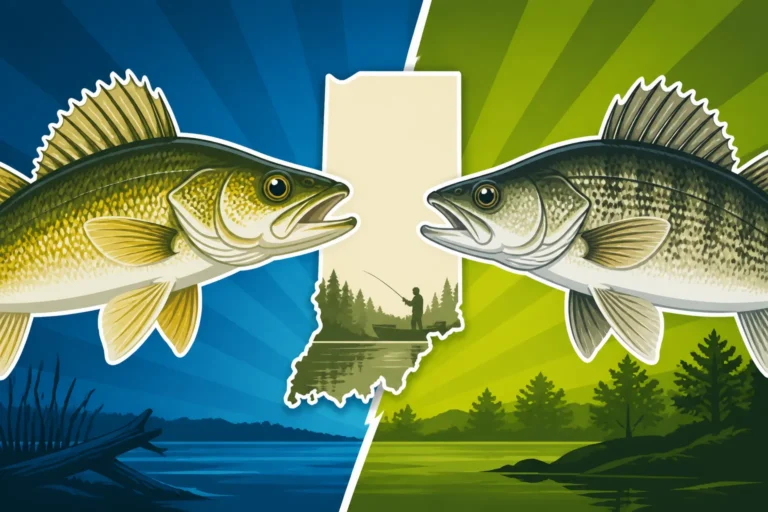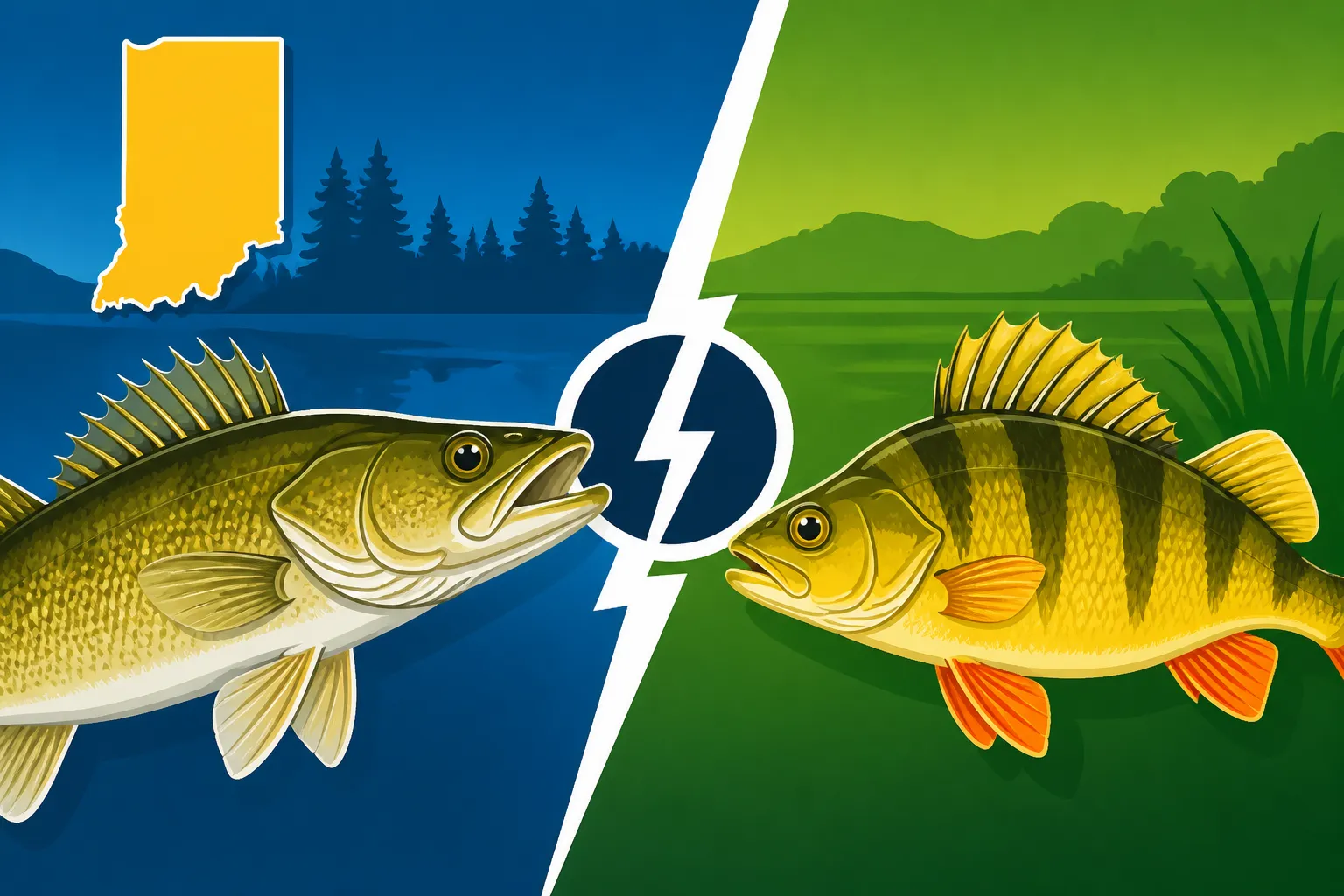
Walleye vs Yellow Perch: How to Tell Them Apart
It's a familiar scenario for any angler hitting the lakes and rivers of Indiana: you've got a bite, you reel it in, and as the fish emerges from the water, you pause. Is it a walleye, with its prized fillets, or is it a common yellow perch? While both are fantastic sport fish and delicious table fare, they have distinct characteristics and often different regulations. This guide is designed to help you confidently tell the difference between these two frequently confused species so you can be sure of your catch.
Understanding the Walleye's Distinctive Features
The walleye (Sander vitreus) is truly a fan favorite in Indiana, revered for its challenging fight and exceptional taste. These fish are predatory by nature, and their appearance reflects that of a sleek, efficient hunter. When you pull one of these beauties out of the water, several key features should immediately jump out at you, setting it apart from its perch cousin.
Body Shape and Size of the Walleye
First, take a good look at the walleye's overall body. It's typically elongated and torpedo-shaped, designed for cutting through the water quickly to ambush prey. Think of it as a streamlined predator. They can grow quite large in Indiana waters, with adult fish commonly ranging from 15 to 25 inches, and occasionally much bigger. This larger, more stretched-out profile is one of the first clues that you're holding a walleye. They tend to be much larger and heavier than most yellow perch you'll encounter, making for a substantial catch. For more on their markings, check out Walleye Identification: Olive-Gold Color and White-Tipped Tail.
Mouth, Teeth, and Eye Characteristics
Now, let's talk about that mouth. The walleye has a noticeably large mouth, extending back to beneath the middle of its eye. What's most striking are the prominent, sharp canine teeth that line its jaws. These teeth are unmistakable and clearly adapted for grasping and holding onto slippery prey. You won't find teeth quite like these on a yellow perch. Another hallmark feature is their eyes. Walleye are famous for their large, somewhat 'glassy' or 'pearlescent' eyes, often described as having a milky or cloudy appearance. This unique eye structure helps them see incredibly well in low-light conditions, giving them a significant advantage during dawn, dusk, and even night fishing. If you're out there Best Time of Year to Catch Walleye in Indiana, you'll notice how these eyes glow when caught in a beam of light.
Dorsal Fin and Tail Markings
Turn your attention to the fins. A walleye has two dorsal fins along its back. The front dorsal fin is spiny and well-separated from the second, softer-rayed dorsal fin, though sometimes they appear very close. On the spiny dorsal fin, you'll often see a distinct, dark blotch at the very rear base. This blotch is a reliable identifier. But perhaps the most iconic walleye marking is on its tail, or caudal fin: the lower lobe of the tail fin will almost always have a prominent white tip. This white tip is one of the easiest ways to confirm you have a walleye, especially when quickly glimpsing a fish in the net or in the water.
Identifying the Yellow Perch
The yellow perch (Perca flavescens) is another beloved fish in Indiana, particularly popular with families and new anglers due to its abundance and willingness to bite. While smaller than walleye, they are equally delicious and provide a lot of fun on the water. Distinguishing them from walleye is quite straightforward once you know what to look for, as their features are notably different.
Body Shape and Size of the Yellow Perch
Unlike the walleye's sleek design, the yellow perch has a more compact, somewhat "humped" body profile. Their backs tend to rise more abruptly from their head, giving them a stockier appearance. They are generally much smaller than walleye, with typical catches in Indiana ranging from 6 to 12 inches. While you might hook into a particularly chunky perch, it will rarely have the long, stretched-out body of a walleye. Their overall demeanor suggests a fish that often feeds in schools and doesn't rely on raw speed as much as the walleye.
Mouth, Teeth, and Eye Characteristics
The mouth of a yellow perch is comparatively smaller than a walleye's, and it lacks those intimidating canine teeth. Instead, they have small, fine teeth that are better suited for munching on insects, small crustaceans, and tiny baitfish. If you run your finger along their jaws (carefully, of course!), you'll notice a much smoother feel compared to a walleye. Their eyes, while perfectly functional, do not possess the large, glassy, light-gathering qualities of a walleye's. They are more proportional to their head size and don't have that distinctive milky appearance.
Dorsal Fin and Body Markings
The dorsal fins of a yellow perch are perhaps their most defining characteristic when compared to a walleye. They also have two dorsal fins, but unlike the walleye, these two fins are distinctly separated from each other. There's a clear gap between the spiny front dorsal fin and the soft-rayed rear dorsal fin. This separation is a dead giveaway. Beyond the fins, the yellow perch is famous for its vibrant coloration and unique body markings. They typically have a golden-yellow to brassy green body color, often fading to white on their belly. The most prominent feature, however, is the series of 6 to 8 dark, vertical bars that run down their sides, almost like stripes. These bars are incredibly clear and consistent, making Yellow Perch Identification: Vertical Bars and Golden Sides quite easy.
Key Distinguishing Features at a Glance
Let's break down the most critical differences that will help you tell these two fish apart in a snap. Knowing these key points will make your identification swift and accurate, whether you're just starting out or have been fishing Indiana waters for years.
Body Shape and Overall Impression
The first impression is often the most telling. A walleye presents a more elongated, slender, and powerful silhouette. It looks like it was built for speed and chasing prey across open water. On the other hand, a yellow perch has a shorter, deeper body with that characteristic humped back, giving it a more compact, almost chunky appearance. If you're holding a fish and it feels long and sleek, think walleye. If it feels shorter and thicker, lean towards perch.
Mouth and Dentition
This is arguably the easiest and most reliable differentiator. Open the fish's mouth and look inside. If you see prominent, sharp, needle-like canine teeth, you have a walleye. These teeth are hard to miss and are unique to the walleye among commonly caught panfish and game fish in Indiana. Yellow perch have small, brush-like teeth that you'd barely feel, certainly nothing like the walleye's fangs. If you're ever in doubt, a quick check of the dental work will solve the mystery instantly.
Dorsal Fin Arrangement
Next, examine the dorsal fins. This is another very strong identifier. The walleye's two dorsal fins, while distinct, are usually very close together, often appearing to almost touch. Crucially, the spiny dorsal fin often has a dark blotch at its rear. The yellow perch, however, has two dorsal fins that are clearly and distinctly separated by a noticeable gap. You can easily slide your finger between the two fins without touching either. This separation is a consistent trait for yellow perch.
Coloration and Markings
While both fish share some yellowish hues, their overall patterns are quite different. Walleye typically display a darker, olive-green to brown coloration on their back, fading to a lighter, often gold or brassy side, and a white belly. Their most distinctive marking is the white tip on the lower lobe of their caudal (tail) fin. Yellow perch, in contrast, are much brighter in their base color, often a vibrant golden-yellow, and are characterized by those unmistakable, dark vertical bars running down their sides. If you see strong vertical stripes, it's a perch. If you see a white tail tip, it's a walleye. If you're ever looking for lures, you can find many great options for perch and walleye on Amazon, including those designed to mimic their respective forage.
Summary of Key Differences
To help you keep these distinctions straight, here's a quick comparison table:
| Feature | Walleye | Yellow Perch |
|---|---|---|
| Body Shape | Elongated, streamlined, torpedo-like | Deeper body, compact, often "humped" back |
| Size | Generally larger (15-25+ inches) | Generally smaller (6-12 inches) |
| Mouth/Teeth | Large mouth, prominent sharp canine teeth | Smaller mouth, small brush-like teeth, no canines |
| Dorsal Fins | Two, close together; spiny fin often has a dark blotch | Two, distinctly separated by a gap |
| Color/Markings | Olive-green/gold, white tip on lower tail fin | Golden-yellow body, 6-8 distinct dark vertical bars |
| Eyes | Large, glassy, reflective, good for low light | Smaller, more proportional, not glassy |
Remember, knowing the specific characteristics is important not only for identification but also for adhering to Indiana Walleye Length Limits by Lake and Indiana Panfish Daily Limits by Species. For anglers keen on chasing walleye, understanding these distinctions is paramount to enjoying a successful and compliant day on the water. If you're equipping yourself, you might find a handy fish identification guide or even a portable fish finder on Amazon that could help spot these differences underwater before the catch!
Habitat and Behavior Clues
Beyond their physical appearance, walleye and yellow perch often occupy slightly different niches within Indiana's waterways, offering additional clues to their identity. While there can be overlap, understanding their typical preferences can aid your identification before the fish is even in your hand.
Walleye Habitat Preferences
Walleye are generally fish of deeper, cooler, and often darker waters. They thrive in large lakes, reservoirs like Monroe Lake and Patoka Lake, and larger rivers such as the Wabash and Tippecanoe. They prefer areas with structural elements like rock piles, drop-offs, submerged timber, or weed lines adjacent to deeper water. Their low-light vision means they are most active during dawn, dusk, and throughout the night, using the reduced visibility to ambush prey. If you're fishing these types of areas, especially when the sun is low or after dark, your chances of hooking into a walleye are higher. Do Walleye Bite at Night in Indiana Reservoirs? is a great question to explore further if you're targeting these nocturnal predators.
Yellow Perch Habitat Preferences
Yellow perch, while also found in many of Indiana's lakes and rivers, tend to be more prevalent in shallower, often weedier areas. They are frequently found near docks, along shorelines with submerged vegetation, or in areas where baitfish congregate. They are more active during daylight hours, often forming schools and cruising for smaller prey items. If you're catching fish consistently in relatively shallow, well-lit, weedy environments, especially during the middle of the day, there's a good chance you're encountering schools of yellow perch. Their preference for these shallower, more accessible areas also makes them a fantastic target for beginners and kids. You can find many suitable rigs and baits for catching yellow perch on Amazon to help you get started.
By combining visual identification with an understanding of where and when these fish are typically found, you'll become a much more confident and successful angler in Indiana. Whether you're targeting the elusive walleye or enjoying a relaxing day catching perch, knowing your catch is half the fun!
Disclaimer
This article is for general informational purposes only and does not constitute professional advice. Laws, prices and regulations vary by location and change over time. Consult a qualified professional for guidance on your specific situation.