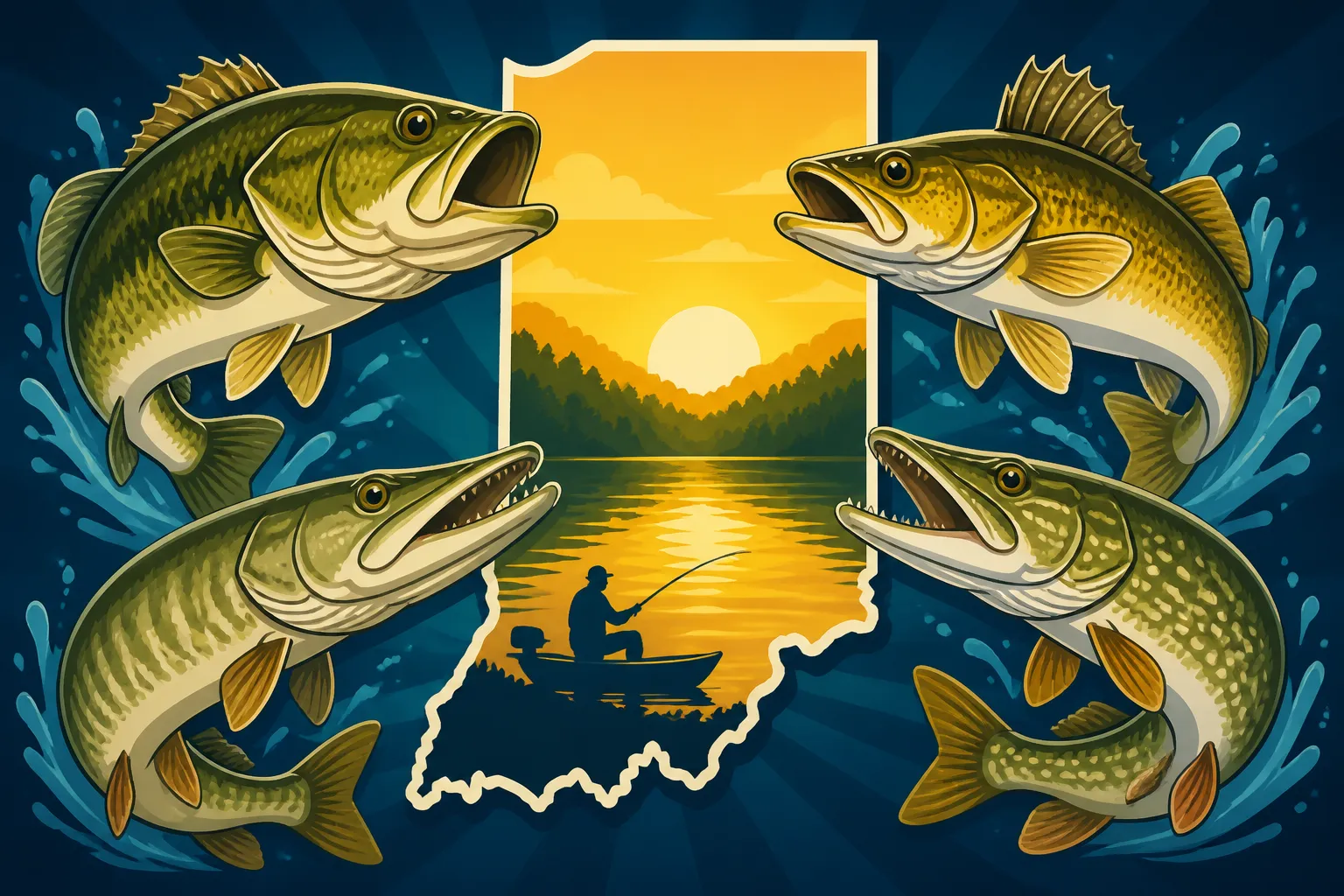
The Big Four Sport Fish: Bass, Walleye, Muskie, and Pike
There's a special thrill that comes with chasing Indiana's premier game fish, but for many anglers, especially those new to our waters, deciding which species to target first can be overwhelming. You might be focused on one type, unaware of the diverse challenges and rewards other iconic fish offer. This guide is here to unravel the mysteries of Indiana's "Big Four" sport fish—largemouth bass, walleye, muskie, and northern pike—helping you understand their unique characteristics, habitats, and the best ways to bring them to your net.
The All-American Favorite: Largemouth Bass
Ah, the largemouth bass. If there's one fish that epitomizes freshwater angling in America, it's this green-backed warrior. Here in Indiana, bass fishing is a way of life for countless enthusiasts, from the casual weekend angler to the seasoned tournament pro. Its aggressive strikes and acrobatic fights make it a perennial favorite, and thankfully, our state offers some fantastic opportunities to pursue them.
Identification and Habitat
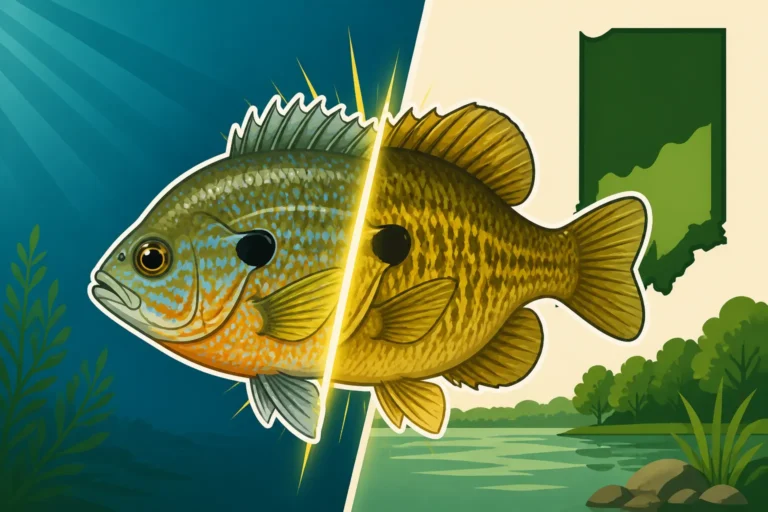
Distinguishing a largemouth bass is pretty straightforward once you know what to look for. Their most prominent feature is that the corner of their mouth extends beyond the back of their eye, hence the "largemouth" moniker. They typically have a dark, horizontal stripe or a series of blotches along their sides, fading into a lighter belly. Colors can vary quite a bit depending on the water clarity and bottom composition, ranging from nearly black in dark, tannin-stained waters to a much lighter, greener hue in clear lakes with sandy bottoms. They're also known for their dorsal fin, which is deeply notched, almost appearing as two separate fins. For a deeper dive, check out What Does a Largemouth Bass Look Like?.
When it comes to where to find them, largemouth bass are creatures of cover and structure. Think about shallow, weedy bays, submerged logs, brush piles, lily pads, docks, and even rocky points or drop-offs. They love areas where they can ambush prey, hiding just out of sight. In Indiana, you'll find healthy populations in almost every lake, pond, and slow-moving river. Reservoirs like Monroe Lake and Patoka Lake are legendary for their bass fisheries, offering expansive stretches of prime habitat. Even smaller farm ponds often hold surprisingly large bass. They thrive in warmer water than some of our other sport fish, making them a fantastic target throughout the spring, summer, and into the fall.
Fishing Techniques and Best Times
The beauty of largemouth bass fishing is the sheer variety of techniques you can employ. For a lot of us, starting with simple presentations like casting a plastic worm, a spinnerbait, or a crankbait near cover is often the most productive. In the spring, as the water warms and bass move shallow to spawn, pitching jigs or Texas-rigged soft plastics into dense cover can be incredibly effective. As summer heats up, bass might move to deeper water during the day, making crankbaits, deep-diving jerkbaits, or even Carolina rigs excellent choices. Early mornings and late evenings are often prime times, especially during warmer months, as bass are more active and less spooky in lower light conditions. Topwater lures fished at dawn can create some of the most exciting blow-ups you'll ever experience.
Beyond the specific lures, understanding bass behavior is key. They are aggressive eaters, so a bait that mimics a struggling baitfish, a crawfish, or even a frog can trigger a strike. Pay attention to changes in water temperature, as this significantly impacts their feeding patterns and location. For instance, after a cold front, bass often become lethargic and might require slower presentations, while a steady warming trend can really get them fired up. Don't be afraid to experiment with different lure colors and retrieves until you find what they're hitting on that particular day. You can find a huge variety of tackle on Amazon, from beginner-friendly kits to specialized tournament gear, to help you get started.
The Elusive Golden Eye: Walleye
The walleye, with its distinctive milky eye and delicious fillets, holds a special place in the hearts of many Indiana anglers. Known for their challenging nature and incredible table fare, these fish require a bit more finesse and understanding than the aggressive bass. But when you hook into a solid walleye, the reward is well worth the effort.
Identification and Preferred Waters
Walleye are easily identified by their torpedo-shaped body, golden-olive coloration, and, most notably, those large, glassy, light-sensitive eyes. They have sharp teeth, so a strong leader is always a good idea. A key distinguishing feature is the white tip on the lower lobe of their tail fin, which is a reliable way to differentiate them from their close relative, the sauger, or the hybrid saugeye. Their dorsal fin is also spiny, and they possess a prominent canine tooth. For help telling them apart, check out Walleye vs Saugeye: How to Tell Them Apart.
Unlike bass, walleye prefer cooler, deeper water and generally avoid bright sunlight. They often hang out near the bottom, around rocky reefs, humps, ledges, and channels in larger lakes and rivers. In Indiana, excellent walleye fishing can be found in our northern glacial lakes, such as Lake Wawasee, and many of our large reservoirs like Brookville Lake and Shafer Lake. They are also present in some of our larger river systems. These fish are light-sensitive, so you'll often find them most active during low-light conditions—dawn, dusk, cloudy days, or even well into the night. This preference for dim conditions is a crucial piece of the puzzle for successful walleye angling.
Effective Strategies for Catching Walleye
Catching walleye often involves slower, more subtle presentations than bass fishing. Trolling with crankbaits or spinner rigs is a highly effective method, especially on larger bodies of water where walleye might be scattered. Using planer boards can help spread out your lines and cover more water. When fishing smaller areas or vertical structure, jigging with live bait like minnows or nightcrawlers, or soft plastic baits, can be incredibly productive. A slow, controlled retrieve, keeping your bait near the bottom, is usually the ticket. Many anglers swear by a "bottom bouncer" rig when drifting or slowly trolling live bait or worm harnesses.
Patience is a virtue when targeting walleye. They can be finicky eaters, sometimes just "pecking" at a bait rather than aggressively striking it. Setting the hook too quickly can result in missed fish. Many anglers find success by using light lines and sensitive rods to detect those subtle bites. Night fishing can be exceptionally good for walleye, especially during the warmer months when they move into shallower feeding grounds under the cover of darkness. Make sure you have a headlamp and are familiar with your spot if you venture out after dark. A good fish finder, readily available on Amazon, can make a huge difference in locating structure and schools of baitfish where walleye are likely to be lurking.
Indiana's Apex Predators: Muskie and Pike
If you're looking for the ultimate freshwater challenge in Indiana, then targeting muskellunge (muskie) or northern pike should be high on your list. These two toothy titans are often grouped together due to their similar appearance and shared predatory nature, but each offers a distinct angling experience that separates the patient from the faint of heart.
Distinguishing Muskie from Pike
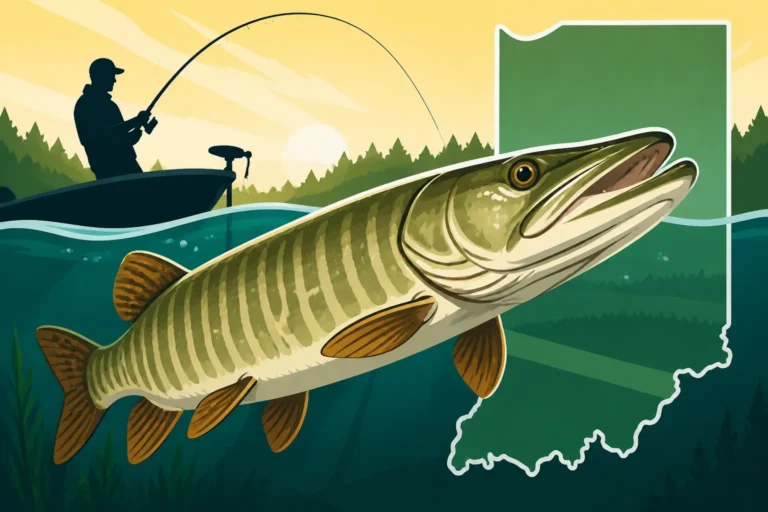
While both muskie and northern pike are long, slender, and possess a mouth full of razor-sharp teeth, there are distinct differences that help anglers tell them apart. The easiest way to differentiate them is by looking at the markings on their bodies and their gill plates. Northern pike typically have light, bean-shaped spots or markings on a darker body, and their cheeks are fully scaled. Muskies, on the other hand, usually have dark spots, bars, or blotches on a lighter body, and a significant portion of their lower gill plate is without scales. Also, a muskie's tail fin is typically more deeply forked. Another key identifier is the number of pores on the underside of the jaw: pike usually have 5 or fewer on each side, while muskie have 6 or more. For a comprehensive guide on their differences, you can read Northern Pike vs Muskie: Jaw and Fin Differences.
In Indiana, both species often inhabit clearer, cooler water, frequently associated with submerged weed beds, rock piles, and sharp drop-offs. The northern glacial lakes in the northeast corner of the state, particularly in Kosciusko and Steuben counties, are renowned for their muskie and pike fisheries. Lakes like Webster, Barbee, Tippecanoe, and James Lake are prime muskie territory, while numerous other glacial lakes hold excellent populations of northern pike. These fish are true ambush predators, so they're often found lurking in areas that provide cover for them to surprise unsuspecting prey.
Trophy Hunting Tactics
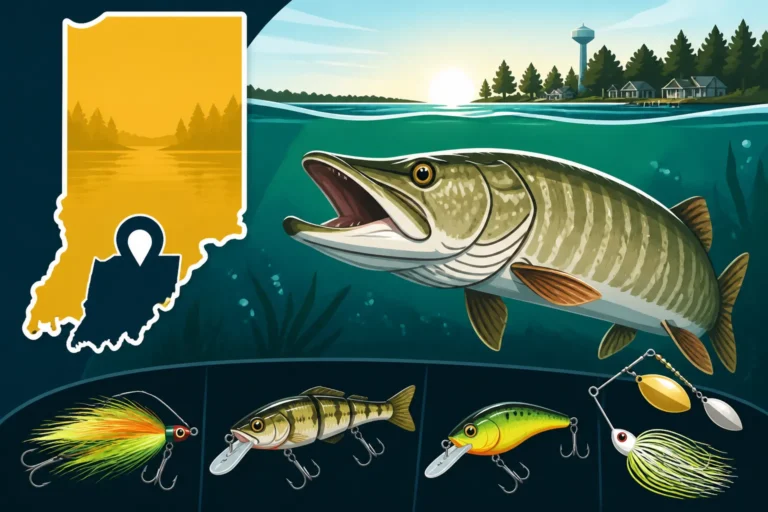
Chasing muskie and pike is not for the faint of heart or the impatient. These fish are often called "the fish of 10,000 casts" for a reason. They require heavy-duty gear, large lures, and an immense amount of dedication. For both species, big baits are the name of the game: large bucktails, oversized crankbaits, jerkbaits, and soft plastics. The technique often involves casting and retrieving these large lures with powerful rods and reels, sometimes for hours on end, waiting for that one explosive strike. A good net, a pair of long-nosed pliers, and jaw spreaders are absolutely essential for safe handling and release, as these fish are typically catch-and-release trophies.
For muskie, especially, the "figure-eight" maneuver at the boat is a critical technique. After a retrieve, many muskie will follow a lure right up to the boat but won't strike until you continue the lure in a wide "figure-eight" pattern next to the boat, often triggering a last-second attack. Pike can be a bit less demanding and more numerous, making them a great target for those looking to get into big-fish angling. Both species have seasonal patterns, with colder water often activating larger fish. Fall, for example, is a prime time for muskie fishing as they bulk up for winter. Researching the best lakes and specific patterns for these giants can significantly increase your odds. Many specialized muskie and pike lures can be found on Amazon, offering a vast selection to dedicated anglers.
Key Differences and Why They Matter to Anglers
Understanding the distinctions between these four fantastic sport fish isn't just about identification; it's about tailoring your approach, maximizing your chances of success, and truly appreciating the diverse angling experiences Indiana has to offer. Each species presents its own set of challenges and rewards, shaping how and where we choose to fish.
Habitat and Diet Variations
The most significant differences among the Big Four lie in their preferred habitats and diets. Largemouth bass are the warm-water, cover-loving kings, thriving in weedy, shallow environments where they can ambush smaller fish, frogs, crawfish, and even ducklings. Their diet is incredibly varied, which is why so many different lures work for them. They are opportunistic predators, often found near the top of the water column or suspended in vegetation.
Walleye, in stark contrast, are the cool-water, bottom-dwelling specialists. Their large, reflective eyes are perfectly adapted for low light, making them masters of deeper, rockier structures, ledges, and channels. Their diet primarily consists of baitfish like shad, perch, and shiners, which is why jigging minnows or trolling crankbaits that imitate these forage species are so effective. They tend to be more sensitive to light and temperature, dictating their movements and feeding windows. You'll often find them schooled up, making a concentrated effort in the right spot incredibly rewarding. Learn more about Walleye Fishing Tips for Indiana's Large Rivers.
Muskie and northern pike bridge the gap between these two, often preferring cooler, clearer water than bass but still heavily relying on dense weed beds and structure for ambushing large prey. Both are apex predators that will eat almost anything that moves, from smaller fish to muskrats and waterfowl. Muskie, however, typically seek out larger forage and are often found in more expansive, open water areas near deep breaks and reefs, whereas pike can be more commonly found in shallower, dense cover. Their sheer size dictates a diet of larger prey, and their slower metabolism means they don't need to eat as frequently as a bass, contributing to their reputation as challenging catches.
Gear Considerations for Each Species
The tackle you choose is directly linked to the species you're targeting and their behavior. For largemouth bass, a versatile medium-heavy spinning or baitcasting combo is often sufficient, capable of handling a wide array of lures from soft plastics to spinnerbaits and topwater frogs. Line weights typically range from 10-20 lb test, depending on the cover. You'll find a wide range of Best Rods and Reels for Indiana Largemouth Bass to suit any budget or style.
Walleye fishing usually calls for a more sensitive setup. A medium-light to medium power rod with a fast action tip, paired with a spinning reel, is ideal for detecting those subtle bites. Lighter lines, often 6-10 lb fluorocarbon or braided line with a fluorocarbon leader, are common to ensure bait presentation is natural and bites are felt. Specialized walleye rods are designed for precise jigging and trolling applications, providing the sensitivity needed.
For muskie and northern pike, you're stepping into the heavy artillery. These fish demand robust, heavy-action rods—often 7 to 9 feet long—paired with large baitcasting reels capable of handling heavy lines (50-80 lb braid is common) and launching massive lures. Wire or heavy fluorocarbon leaders are absolutely mandatory to prevent their sharp teeth from severing your line. Everything about muskie and pike gear is scaled up to handle the immense power and size of these fish, from the lure's treble hooks to the landing net itself. You simply cannot go after these toothy critters with bass gear; it's a recipe for lost fish and broken equipment. Whether you're upgrading your tackle box or starting fresh, checking out reviews on Amazon can help you narrow down the best choices for your next big fishing adventure.
Here's a quick comparison of Indiana's Big Four sport fish:
| Feature | Largemouth Bass | Walleye | Muskellunge | Northern Pike |
|---|---|---|---|---|
| Appearance | Dark horizontal stripe, mouth past eye, notched dorsal | Golden-olive, white tail tip, milky eyes, sharp teeth | Dark bars/spots on light body, scaleless gill plate | Light spots on dark body, fully scaled gill plate |
| Preferred Habitat | Shallow, weedy cover, logs, docks, brush | Deeper, cooler water, rocky reefs, ledges, channels | Clear, cool water, weed edges, deep breaks, open water | Weed beds, submerged timber, shallower clear water |
| Diet | Baitfish, crawfish, frogs, insects, small animals | Baitfish (shad, perch, shiners), insect larvae | Large fish, muskrats, waterfowl | Fish, frogs, small mammals, waterfowl |
| Typical Techniques | Casting (worms, jigs, crankbaits, topwater) | Trolling (crankbaits, spinner rigs), jigging (minnows) | Casting/Trolling (large bucktails, jerkbaits, plugs) | Casting (spoons, spinnerbaits, large soft plastics) |
| Fight Style | Aggressive, acrobatic jumps, strong runs | Subtle bites, deep runs, head shakes | Explosive strike, powerful runs, head thrashing | Aggressive strike, strong runs, thrashing |
| Best Time to Fish | Spring, Summer (dawn/dusk), Fall | Low light (dawn/dusk, night), cloudy days | Fall, Spring | Spring (post-spawn), Fall |
Regardless of which of Indiana's Big Four you choose to pursue, each offers a unique challenge and a chance to connect with our state's rich aquatic environment. From the thrilling fight of a bass to the elusive nature of a walleye, or the sheer power of a muskie or pike, there's a lifetime of angling adventure waiting.
Disclaimer
This article is for general informational purposes only and does not constitute professional advice. Laws, prices and regulations vary by location and change over time. Consult a qualified professional for guidance on your specific situation.