Steelhead Fishing in Indiana: A Fall Run Guide
The thrill of a strong, acrobatic fish on the end of your line is unmatched, but for many Indiana anglers, the thought of chasing steelhead feels like a distant dream reserved for other states. It can be frustrating to know these magnificent fish swim in our waters but not quite grasp how or when to connect with them. This guide aims to demystify fall steelhead fishing in Indiana, offering you the practical knowledge and strategic insights you need to successfully target these incredible sport fish during their exciting autumn run.
Understanding Indiana's Steelhead Fishery
Many anglers might be surprised to learn that Indiana offers a fantastic steelhead fishery, especially considering we're often thought of as a warmwater bass and panfish state. But thanks to Lake Michigan and its tributaries, we have access to a truly unique and exhilarating coldwater fishing experience. The fall run is a prime example of this, offering a distinct challenge and reward for those willing to brave cooler temperatures and flowing waters.
The Allure of Lake Michigan's Tributaries
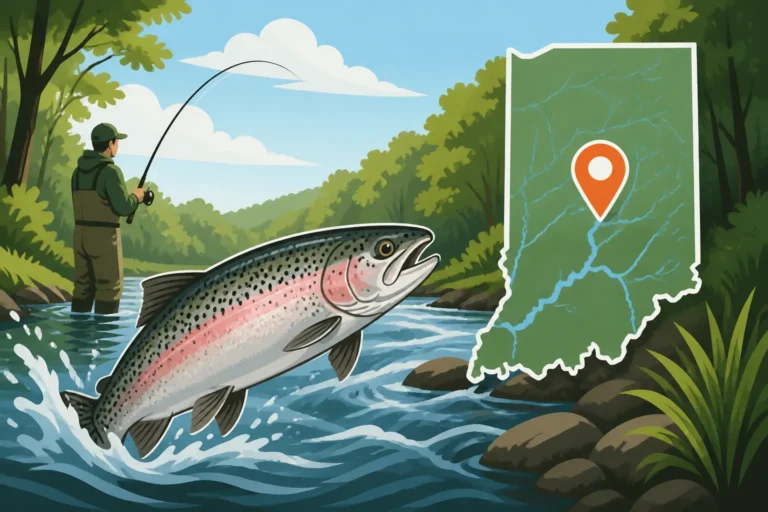
When we talk about steelhead fishing in Indiana, we're primarily talking about the streams and rivers that flow into Lake Michigan. These waterways, like the Little Calumet River, Trail Creek, and most famously, the St. Joseph River, become highways for steelhead making their migratory journey. These fish spend the majority of their lives in the vast, open waters of Lake Michigan, growing large and strong on a diet of baitfish. They enter these tributaries for spawning, creating incredible opportunities for anglers. The sheer power and speed of a Lake Michigan steelhead in a relatively small river environment is something every angler should experience.
The dynamic nature of these tributary fisheries means that conditions are constantly changing. Water levels can fluctuate rapidly after rain, and water temperatures dictate when fish will move and how active they'll be. This is part of the challenge, but also part of the excitement. Knowing which rivers to focus on and Where to Catch Steelhead in Indiana's Tributary Streams can make all the difference. While the bigger water of Lake Michigan itself holds steelhead year-round, the magic truly happens when these chrome beauties enter the rivers.
Steelhead vs. Rainbow Trout: Clearing Up the Confusion
It's common for anglers to get a little mixed up when it comes to steelhead and rainbow trout, and honestly, who can blame them? They're scientifically the same species, Oncorhynchus mykiss, but their life histories and behaviors are what set them apart, especially in the context of fishing. Steelhead are essentially anadromous rainbow trout—meaning they hatch in freshwater, migrate to saltwater (or in this case, a large freshwater lake like Lake Michigan) to grow, and then return to freshwater to spawn. This migration to a larger body of water for feeding and growth is what gives them their distinctive silver, chrome-like appearance and their incredible fighting prowess.
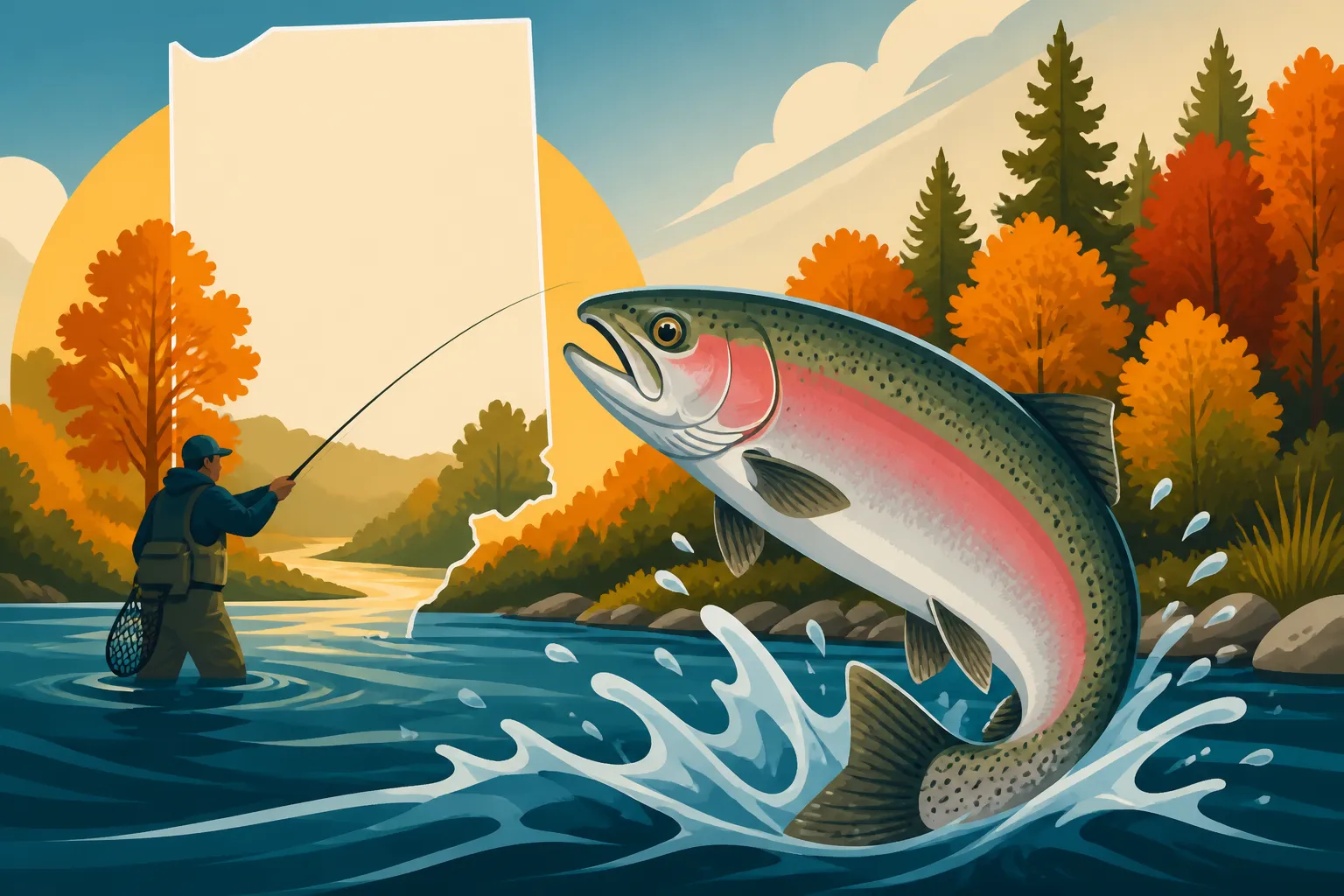
Rainbow trout, on the other hand, are typically resident fish that complete their entire life cycle within freshwater streams or stocked ponds. They often retain more vibrant coloring, like the prominent pink stripe along their sides, which gives them their "rainbow" name. Steelhead, having spent most of their lives in open water, are typically larger, stronger, and more streamlined. They also display that famous "silver sides and a pink stripe" coloration, but often less pronounced until they've been in the river for a while. Understanding Steelhead vs Rainbow Trout: What Sets Them Apart can help you appreciate the specific challenge and reward of targeting true steelhead.
Timing Your Indiana Steelhead Fall Run Adventure
The fall run for steelhead is one of the most anticipated times of year for coldwater anglers in Indiana. It's when these hard-fighting fish leave the vastness of Lake Michigan and push into the tributaries, making them accessible to river anglers. Knowing when to go is almost as important as knowing where to go.
When the Steelhead Start to Move
Generally, the fall steelhead run in Indiana's Lake Michigan tributaries kicks off as water temperatures in the lake and rivers begin to cool. This typically starts in late September, gains momentum through October, and often peaks in November. It’s not a switch that flips overnight; rather, it's a gradual process driven by a combination of declining water temperatures, increased rainfall, and the biological urge to spawn. Early in the fall, you might find a few eager fish, often called "skis" or "early runners," making their way up the rivers. As the season progresses and colder weather truly sets in, the numbers of fish entering the rivers tend to swell, offering more consistent action.
Think about those crisp autumn days after a good rain. That's often when the conditions align perfectly. The rain adds flow to the rivers, making it easier for fish to navigate upstream and masking their presence from predators. The cooling temperatures trigger their migratory instincts. This period also coincides with the Fall Salmon Run Timing on Lake Michigan in Indiana, meaning you might encounter salmon alongside the steelhead in the lower stretches of the rivers, adding an exciting mixed bag potential to your trip.
Factors Influencing the Run
Several key factors really dictate the intensity and timing of the fall steelhead run. One of the biggest is water temperature. Steelhead prefer cooler water, generally below 60 degrees Fahrenheit. As lake and river temperatures drop into the 50s and 40s, it signals to the fish that it’s time to move. Another critical factor is water levels and flow. Heavy rains can trigger a surge of fish into the rivers, as higher water provides cover and easier passage over obstacles. Conversely, prolonged dry spells can slow the run down considerably, as fish might stack up at river mouths waiting for a push of fresh water.
Photoperiod, or the decreasing length of daylight, also plays a role in signaling the change of seasons and stimulating migratory behavior in fish. While we can't control the weather or the sun, being aware of these environmental cues helps us anticipate when and where the best fishing opportunities will arise. Keeping an eye on local weather forecasts and river gauges is a crucial part of planning a successful fall steelhead outing. Fishing after a significant rain event, especially when temperatures are on a downward trend, can be incredibly productive.
Essential Gear for Indiana Steelhead Fishing
Getting into steelhead fishing can feel a little intimidating because it's a bit different from your typical bass or panfish setup. But really, it’s about having the right tools for the job, tailored to the unique challenges of fishing in flowing water for powerful, often large, fish. You don’t need to break the bank, but investing in a few key pieces of gear will make a huge difference in your success and enjoyment.
Rods, Reels, and Line Choices
For river steelhead, you'll want a rod that offers a good balance of backbone to fight strong fish and sensitivity to detect subtle bites. A medium-heavy spinning rod, typically 8 to 10.5 feet long, is a fantastic choice for float fishing or drifting baits. The longer length helps with line control in current, casting lighter presentations, and cushioning the shock of a hard-fighting fish. Paired with this, a spinning reel in the 2500 to 4000 series size, with a smooth drag system, is ideal. Your drag is your best friend when a steelhead makes a blistering run. Look for reputable brands that offer reliable performance without unnecessary frills. For instance, you can find excellent starter combos on Amazon that will get you on the water.
When it comes to line, a good monofilament mainline in the 8 to 12-pound test range is a popular choice for its stretch, which acts as a shock absorber. Some anglers prefer braided line for its sensitivity and strength, often opting for 15-20 pound test and then adding a fluorocarbon leader of 8-10 pound test for invisibility and abrasion resistance. The leader material is important because steelhead, especially in clear river conditions, can be quite wary. Remember, these are wild fish that have survived in open water, so they're not easily fooled.
Baits, Lures, and Flies for Success
Steelhead in rivers can be enticed by a variety of offerings. The key is often finding what they're biting on that particular day, and what presents naturally in the current.
- Natural Baits: Cured salmon or steelhead eggs (roe bags) are incredibly effective, mimicking a natural food source in the river. Worms, especially nightcrawlers, can also be productive. These are often drifted under a float or on the bottom.
- Jigs: Small jigs (1/32 to 1/8 ounce) tipped with a wax worm, a piece of corn, or soft plastic baits are deadly, especially when fished under a float. Colors like pink, chartreuse, and white are often popular.
- Spinners and Spoons: Small inline spinners (like Mepps or Rooster Tail) and casting spoons can be effective, particularly in faster runs or when fish are aggressive. Flashy colors often trigger strikes.
- Flies: For fly anglers, patterns like egg-sucking leeches, stonefly nymphs, or various egg patterns are staples. Streamers can also draw aggressive strikes. If you're looking to stock up on a variety of steelhead flies or jigs, checking out the selection on Amazon can give you a good head start.
Having a diverse tackle box with a few options from each category will help you adapt to changing conditions and fish preferences. Sometimes, the fish want a subtle presentation; other times, they're looking for something aggressive. Being prepared for both scenarios is crucial.
Key Techniques for Catching Fall Steelhead
Steelhead fishing in rivers is a unique discipline that often requires a nuanced approach compared to stillwater fishing. The moving water presents both challenges and opportunities, and mastering a few key techniques will dramatically increase your chances of success during the fall run. It’s all about presenting your bait or lure naturally to fish that are often holding in specific current breaks or deeper pockets.
Drifting Baits and Jigs
One of the most classic and consistently effective methods for river steelhead is drifting. This technique involves presenting a natural bait or a small jig downstream with the current, aiming to have it tumble along the bottom in a natural, uninhibited manner. The goal is to make your offering look like a dislodged piece of food or an insect larva drifting along. You'll often use a small amount of split shot or a slinky weight above your bait to achieve this bottom-bouncing presentation. The art of drifting lies in maintaining a "drag-free drift," meaning your line isn't pulling your bait faster or slower than the current. This often requires mending your line (making adjustments upstream with your rod tip) to keep a natural presentation.
When drifting, you're constantly feeling for subtle taps, bumps, or an unnatural stop in your line, which could indicate a bite. Sometimes a steelhead will simply inhale the bait without much fanfare, so paying close attention to your line is paramount. This method is particularly effective in runs, riffles, and seams where steelhead tend to hold and feed on passing morsels. Knowing How to Fish for Steelhead in Rivers often begins with mastering this fundamental technique.
Float Fishing: A Popular and Effective Method
Float fishing, also known as "chucking and ducking" or centerpin fishing (though a spinning reel works perfectly fine), is incredibly popular and effective for steelhead. This method uses a specialized float (often a Drennan, Raven, or Thill style float, many of which are readily available on Amazon) to suspend your bait or jig at a precise depth, allowing it to drift naturally with the current. The float acts as a visual strike indicator, dipping or disappearing when a fish takes your offering. The primary advantage of float fishing is its ability to present a bait neutrally in the water column, often just above the bottom where steelhead are holding, without snagging.
The setup usually involves tying your float on your mainline, then adding split shot or small weights below the float, strategically spaced to balance it and get your bait down quickly. A small leader (often fluorocarbon) is then tied to the main line, with your hook and bait attached. The idea is to adjust your float depth so your bait is just ticking the bottom or slightly suspended above it. This method works wonders in both slow, deep pools and faster runs, allowing for precise depth control and excellent strike detection. It's especially good for targeting specific seams and pockets that hold fish.
Understanding Water Conditions and Presentation
No matter which technique you choose, truly successful steelhead fishing hinges on understanding and adapting to the prevailing water conditions and then perfecting your presentation.
- Water Clarity: Clear water often means fish are warier. You'll need lighter leaders, smaller baits or flies, and a more subtle approach. In stained or murky water, fish might be less spooky, allowing for heavier line and brighter, more visible baits or lures.
- Water Flow/Speed: In faster currents, you might need heavier weights to get your bait down, or you might focus on slower seams and eddies where fish exert less energy. In slower water, lighter weights and a very slow, methodical drift are often best.
- Fish Holding Patterns: Steelhead will often hold in specific areas to conserve energy or ambush food. Look for current breaks behind rocks, logs, or subtle bottom contours. Deeper pools, especially those with some overhead cover, are also prime holding spots. Learning to read the river and identify these "fishy" spots is an acquired skill that comes with experience.
Your presentation needs to be as natural as possible. A bait or lure that tumbles unnaturally or drags through the water will often be ignored. Spend time practicing your casting, mending, and drift control. The more natural your presentation, the higher your chances of fooling these wary fish. Remember, every river and even different sections of the same river will present unique challenges and opportunities, so adaptability is key.
Top Spots for Steelhead Fishing in Indiana
While Indiana might not have the sheer number of steelhead rivers as some of its neighboring states, we are incredibly fortunate to have some truly world-class opportunities, especially during the fall run. Knowing where to focus your efforts can save you a lot of time and increase your chances of success significantly.
Familiarizing Yourself with Lake Michigan Tributaries
When it comes to steelhead in Indiana, the focus is almost entirely on the tributaries that feed into Lake Michigan in the northwest corner of the state. These rivers provide the critical spawning habitat that steelhead seek during their migratory runs.
- St. Joseph River (South Bend Area): This is arguably Indiana's premier steelhead fishery. The St. Joseph River offers diverse water, from faster runs to deeper pools, and receives consistent stocking efforts. The area around South Bend, particularly, has excellent access and holds a reputation for producing big, hard-fighting steelhead. It's a fantastic place to start, and many anglers travel from all over to fish its waters. You can find detailed information on specific areas by researching St. Joseph River Steelhead Fishing Spots Near South Bend.
- Trail Creek (Michigan City): Flowing through Michigan City, Trail Creek is another vital steelhead river. It's generally smaller than the St. Joseph, offering a more intimate river fishing experience. Due to its size, fish are often more concentrated, but can also be spookier. Access points are available within the city limits and in surrounding park areas.
- Little Calumet River: This river system, particularly its East Branch, also sees a decent fall run of steelhead. It's another excellent option for anglers looking for flowing water opportunities within Indiana. The river varies in size and character along its length, so exploring different sections can yield good results.
These rivers, while distinct, share common characteristics: they offer cool, clean water necessary for steelhead, and they provide the gravelly bottoms these fish seek for spawning. Local bait shops near these rivers are often invaluable resources for up-to-the-minute information on water conditions and what baits are working best.
Access Points and Public Lands
Finding legal and accessible spots to fish these rivers is crucial. Thankfully, many areas are managed for public access.
- State and City Parks: Several state and city parks along these rivers offer excellent public access, often with designated parking areas and established trails to the riverbanks. These spots are usually well-maintained and provide safe places to fish. For instance, in Michigan City, parts of Trail Creek flow through public park land, making it easy to get to the water.
- Public Access Sites: The Indiana Department of Natural Resources (IDNR) works to maintain and improve public access points along these valuable fisheries. Look for signs indicating public fishing access or boat launches, even if you’re fishing from the bank. These sites are designed to give anglers a place to enjoy the resource.
- Consider Local Guides: If you're new to the area or steelhead fishing in general, hiring a local guide can be an excellent investment. They know the rivers intimately, understand current conditions, and can put you on fish quickly, saving you years of trial and error. They also know exactly where to access the best water legally and safely.
Before heading out, always double-check local regulations and property lines. Respect private property, pack out everything you pack in, and leave no trace. This ensures that these incredible fishing opportunities remain open and healthy for future generations of anglers. Always be aware of other anglers and give them space; these fisheries can get popular, especially during peak runs. A good resource for checking Lake Michigan Fishing Rules for Indiana Anglers is the IDNR website.
Conservation and Regulations for Indiana Steelhead
Being a responsible angler is just as important as knowing how to catch fish, especially when dealing with a valuable migratory species like steelhead. Indiana's steelhead fishery, while robust, relies on sound management practices and the cooperation of anglers to remain healthy for years to come. Understanding and adhering to regulations, and practicing ethical angling, are fundamental responsibilities for everyone who casts a line.
Understanding Bag and Size Limits
Like all game fish in Indiana, steelhead are subject to specific bag and size limits designed to protect the population and ensure sustainable fishing. These regulations can vary, and it's absolutely crucial to check the most current Indiana Fishing Guide published by the Indiana Department of Natural Resources (IDNR) before each fishing season. While I can't give specific numbers that might become outdated, generally, steelhead will have a minimum length requirement and a daily bag limit. For example, you might encounter a rule like "no more than 5 trout/salmon in combination, with a minimum length of 14 inches." Always confirm the precise figures for steelhead, as these can be different from other trout species or change based on specific water bodies.
These limits are in place for a reason: to allow enough fish to complete their spawning cycle and replenish the population, while still offering anglers a chance to harvest some fish if they choose. Ignoring these regulations isn't just illegal; it actively harms the fishery. Penalties for violations can be significant, ranging from fines to loss of fishing privileges, so it's simply not worth the risk. Always be absolutely certain of the current Indiana Fishing Regulations and Bag Limits Guide before you hit the water.
Practicing Catch and Release and Ethical Angling
Beyond legal requirements, practicing responsible catch and release, especially for larger breeding-size steelhead, is a hallmark of ethical angling. Many anglers choose to release most, if not all, of the steelhead they catch, recognizing their value as a sport fish and contributor to the overall health of the fishery.
Here are some tips for effective catch and release:
- Minimize Fight Time: Try to land the fish as quickly as possible to reduce stress.
- Handle with Care: Keep the fish in the water as much as you can. If you must remove it for a quick photo, support its weight horizontally with two hands. Avoid holding it vertically by the jaw.
- Use Barbless Hooks: Crushing the barb on your hooks or using specific barbless hooks makes removal much easier and causes less damage to the fish. You can find a good selection of barbless hooks and tools to help you de-barb hooks on Amazon.
- Use a Rubber Net: A knotless, rubberized landing net is much gentler on a fish's slime coat and fins than traditional nylon nets.
- Revive the Fish: If a fish seems sluggish, hold it gently in the current, facing upstream, until it can swim away under its own power. Don't just toss it back if it's struggling.
Remember, the future of Indiana's steelhead fishing depends on all of us doing our part. By understanding and respecting the rules, and by handling fish ethically, we contribute to a vibrant and sustainable fishery for generations of anglers to come.
Disclaimer
This article is for general informational purposes only and does not constitute professional advice. Laws, prices and regulations vary by location and change over time. Consult a qualified professional for guidance on your specific situation.