Peak Steelhead Fishing Season in Indiana
For anglers in Indiana, there’s nothing quite like the electrifying pull of a steelhead on the end of your line. Yet, pinning down the exact peak season for these acrobatic fighters can often feel like a moving target, leaving many frustrated as they miss prime fishing windows. Unpredictable weather, fluctuating water levels, and the steelhead’s own migratory whims all play a part in this challenge. This comprehensive guide is designed to cut through the confusion, helping you understand the rhythms of Indiana's steelhead runs and pinpoint the absolute best times to hit the water for an unforgettable experience.
Understanding Indiana's Steelhead Runs
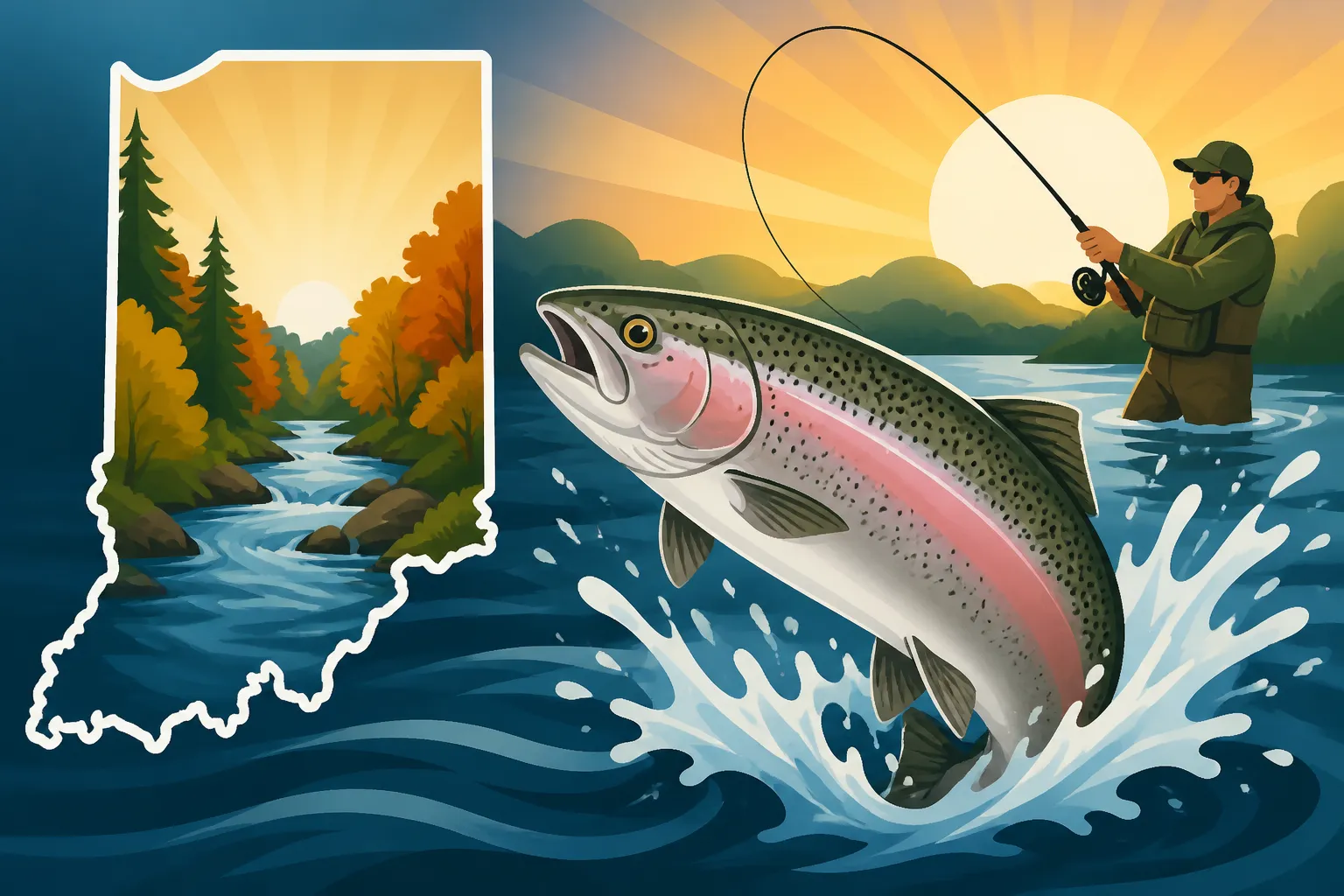
Steelhead fishing in Indiana is a truly unique experience, primarily focused on the tributaries that feed into Lake Michigan. These aren't your typical resident river fish; they are anadromous rainbow trout, meaning they live most of their lives in the vast waters of Lake Michigan before making spawning migrations up streams and rivers. Understanding this crucial connection to the Great Lakes is key to unlocking their peak fishing seasons.
The Lake Michigan Connection and Steelhead Life Cycle
Indiana's steelhead fishery thrives because of Lake Michigan. These fish spend years growing large and strong in the nutrient-rich lake, feasting on baitfish and invertebrates. When the time comes to spawn, or sometimes just to stage for spawning, they instinctively head upstream into the rivers and creeks of northwestern Indiana. This migration is triggered by a combination of biological urges and environmental cues, most notably changes in water temperature and flow. Unlike Pacific salmon, steelhead don't necessarily die after spawning; many are "repeat spawners" and will return to the lake only to migrate again in subsequent years, which makes them such a resilient and exciting sport fish. They are true survivors and incredible fighters.
There are a few different strains of steelhead that call Lake Michigan home, with the most common being the "Skamania" strain, known for its summer and fall runs, and various "winter-run" or "spring-run" strains that tend to move into rivers during colder months. Each strain has its own general migratory patterns, but all are influenced by the same fundamental factors. Knowing that these fish are coming from Lake Michigan explains why the streams closest to the lake, like Trail Creek in Michigan City or the Little Calumet River, are often the hottest spots. It also explains why you'll often find these powerful fish lingering in the lower reaches of rivers, waiting for the right conditions to push further upstream. For a deeper dive into the overall regulations, check out our guide on Lake Michigan Fishing Rules for Indiana Anglers.
Key Factors Influencing the Run
Successfully intercepting steelhead during their peak runs requires a keen eye on several environmental factors. These fish are incredibly sensitive to their surroundings, and understanding their preferences can dramatically increase your chances of success. It’s not just about the calendar; it’s about reading the water and the weather.
The most critical factor is undoubtedly water temperature. Steelhead prefer cooler water, typically between 38 and 55 degrees Fahrenheit, for their upstream migrations. If the water is too warm, they’ll hold in the cooler depths of Lake Michigan or in the deeper, slower pools of the lower river. Too cold, and they can become sluggish and less willing to bite. Rainfall and subsequent stream flow are also paramount. A significant rain event can trigger a surge of fresh, cooler water, acting as a natural highway for steelhead to push upstream. Conversely, low, clear water conditions can make fish wary and less active, forcing them to seek cover and making them harder to approach without spooking. Anglers often keep a close eye on USGS stream gauges to monitor water levels in their favorite rivers. Lunar cycles and barometric pressure can also play a subtle role, with some experienced anglers swearing by certain moon phases for increased activity, though temperature and flow remain the dominant influences.
Pinpointing the Peak Seasons
While steelhead can be found in Indiana's tributaries for a good portion of the year, there are specific windows when their numbers swell, and their activity levels are at their highest. These are the "peak" seasons that every dedicated steelhead angler lives for.
Spring Steelhead: The Early & Late Push
Spring offers a fantastic opportunity for steelhead fishing in Indiana, often beginning as early as March and extending into May, depending on how quickly the ice melts and the water warms. This run is primarily driven by the fish's natural spawning instinct. As the lake water begins to warm slightly and winter's icy grip loosens on the rivers, steelhead that have been holding in Lake Michigan or in the deeper river pools start to make their move.
The early spring run, often in March, can be characterized by cold water and often high flows from snowmelt or early rains. These conditions can make the fish a bit more sluggish, but they are also less pressured and incredibly strong after a winter of feeding in the lake. Anglers often find success drifting spawn bags or small jigs under a float in the deeper runs and pools. As spring progresses into April and May, you'll encounter a mix of pre-spawn fish, actively spawning fish, and post-spawn "dropbacks" returning to the lake. The post-spawn steelhead can be incredibly aggressive, having rested and regained energy after their arduous spawning journey, making for some truly memorable fights. This period often coincides with a more stable weather pattern, making for more comfortable fishing days. Don't forget that a valid Indiana Trout and Salmon Stamp Requirements is crucial for targeting these species.
Fall Steelhead: The Pre-Spawn & Main Event
For many Indiana anglers, the fall steelhead run is the peak season, offering some of the most consistent and exciting action of the entire year. This pre-spawn migration typically kicks off in late September or early October, gaining momentum through November and often extending well into December, particularly if a mild winter allows rivers to remain unfrozen. The cooler lake temperatures in autumn signal to the steelhead that it’s time to move towards their spawning grounds, even if they won't actually spawn until spring. They enter the rivers to feed, stage, and find suitable habitat.
What makes the fall run so spectacular is the sheer aggression of these fish. They are actively feeding, preparing for the long winter ahead and the energy demands of the upcoming spawn. They’ll readily strike a variety of presentations, from drifted egg imitations and beads to swung flies and twitching jigs. A good rain event in the fall, following a dry spell, can ignite a massive push of steelhead from Lake Michigan into the tributaries, turning a quiet river into a hotspot overnight. Anglers often find success focusing on classic holding water like current seams, logjams, and deeper pools where fish can rest and ambush food. This season truly offers the best chance at both quantity and quality of steelhead in Indiana, making it a must-experience for any serious angler. This is truly the period when you'll find the most concentrated numbers of active fish.
Winter Steelhead: The Persistent Angler's Reward
While not as heavily trafficked as the fall or spring runs, winter steelhead fishing in Indiana offers a unique and often rewarding challenge for those brave enough to face the cold. From January through February, when many anglers have packed away their gear, hardy individuals can still find steelhead in the rivers. These fish are typically the "resident" steelhead that entered the river during the fall and have decided to overwinter, or fresh waves of fish pushing in during milder periods.
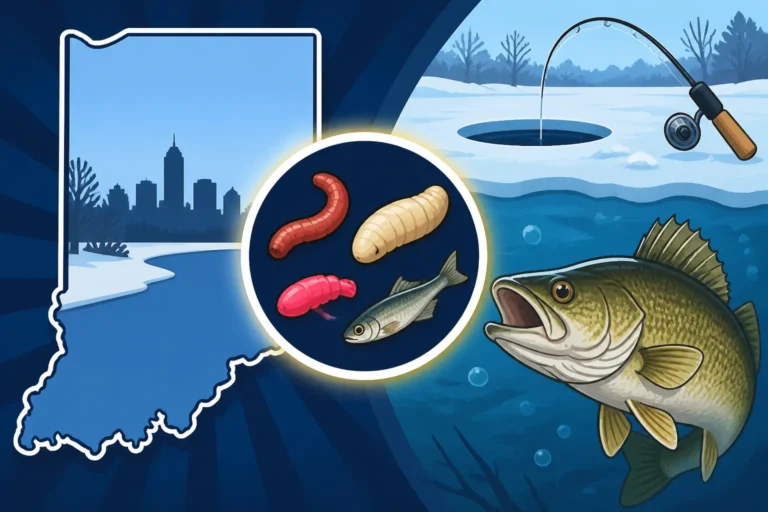
Winter steelhead tend to be a bit more lethargic due to the cold water temperatures, which means slower presentations and more subtle bites are usually required. The key is to find deeper, slower-moving pools and runs where fish conserve energy. Small, natural presentations like tiny jigs tipped with wax worms or single salmon eggs, drifted patiently under a float, can be incredibly effective. Success in winter often comes down to perseverance and precision. You might not catch as many fish as during the fall run, but the steelhead you do hook are often large, strong, and incredibly beautiful against a snowy backdrop. Plus, the solitude on the river during winter can be a welcome change from the crowds of peak fall fishing. Just remember to dress in layers and take all necessary precautions for cold weather fishing.
Prime Locations and Best Practices During Peak Season
Knowing when to fish is only half the battle; knowing where and how to fish during the peak seasons is equally important. Indiana offers a few key waterways that consistently produce steelhead, and employing the right tactics can make all the difference.
Indiana's Top Steelhead Tributaries
When it comes to steelhead, not all Indiana rivers are created equal. The prime locations are those rivers and streams that flow directly into Lake Michigan, providing a clear migration path for these anadromous fish.
- Trail Creek: Located in Michigan City, Trail Creek is arguably Indiana's most famous steelhead stream. Its close proximity to Lake Michigan means it often sees the first and strongest runs of fish. There are numerous public access points, including Washington Park and the public access areas along the creek. The lower stretches often hold fish early in the run, with fish spreading upstream as water conditions allow.
- Little Calumet River (East and West Branches): Running through Porter and Lake counties, the Little Calumet River offers significant steelhead opportunities. The East Branch near Portage and the West Branch near Munster and Hammond are popular spots. These rivers can be a bit harder to access in some areas, but persistent anglers can find productive stretches. The urban backdrop in some areas doesn't diminish the fishing quality; these fish are tough no matter where you find them.
- Salt Creek: Flowing into the Little Calumet River, Salt Creek in Porter County is another vital tributary. It's often a bit smaller and more intimate than Trail Creek, offering a different fishing experience. Access can be found in various parks and public lands.
- St. Joseph River (South Bend): While most of Indiana's steelhead action is closer to Lake Michigan, the St. Joseph River, particularly around South Bend, also receives a strong run of steelhead. These fish migrate up from Lake Michigan, through Lake Michigan, and then up the St. Joseph River via the navigational lock system. This is a robust fishery known for both size and numbers, especially during the spring and fall runs. Anglers often target the river below the South Bend dam. You might find our article on St. Joseph River Steelhead Fishing Spots Near South Bend useful for more targeted advice here.
Essential Gear and Techniques for Peak Runs
Having the right gear and knowing how to use it is critical for success, especially when targeting powerful fish like steelhead in fluctuating river conditions. You don't need to break the bank, but reliable equipment makes a difference.
For rods, a medium-light to medium-heavy spinning or float rod, typically 9 to 13 feet long, is ideal. The extra length helps with line control, mending, and fighting fish in current. Pair this with a sturdy spinning reel in the 2500-4000 size range, spooled with 8-10 lb monofilament or fluorocarbon main line, often with a lighter leader. Many anglers use braid as a main line for its sensitivity, attaching a fluorocarbon leader. You can find excellent quality rods and reels for steelhead fishing on Amazon, offering a wide range of options to fit any budget. Waders are almost a necessity for accessing prime spots and effectively working your presentation in the river.
As for techniques, float fishing (or "bobber dogging" as some call it) is incredibly popular and effective. This involves drifting a small jig (often tipped with a wax worm or piece of spawn), an egg imitation, or a cluster of salmon eggs under a bobber or float. This allows your bait to drift naturally at the same speed as the current, directly into the fish's strike zone. Drift fishing with a bottom-bouncing weight and a small amount of bait is another productive method, especially in faster, deeper runs. Fly fishing for steelhead, using nymphs, egg patterns, or swung streamers, is also incredibly effective and offers a truly engaging experience. Make sure to use strong hooks and check your knots regularly, as these fish will test your tackle to its limits. For specific techniques, consider checking out articles like How to Fish for Steelhead in Rivers or Trolling Techniques for Salmon and Steelhead if you're also considering fishing for them in the lake itself.
Navigating Water Conditions
During peak seasons, river conditions can change rapidly, often multiple times within a single day. A river that was low and clear in the morning can become high and muddy after an afternoon downpour. Learning to "read" the water is a skill that comes with experience, but some basic principles can guide you.
After heavy rains, rivers will often swell and become discolored. While this might seem intimidating, it can actually be a good thing, as it draws more steelhead from the lake and provides them with cover. In these conditions, focus on the edges of the main current, slack water, and areas where fish can escape the strongest flow, such as behind large rocks or logjams. Using brighter colored baits or larger presentations can help fish see your offering in cloudy water. Conversely, in low and clear conditions, steelhead become incredibly wary. You’ll need to use lighter lines, smaller baits, and approach fishing spots with extreme stealth to avoid spooking them. Longer casts and fishing from a distance can be advantageous. Always prioritize safety: high, fast water can be dangerous, so wear a reliable pair of wading boots with good traction and always use a wading staff if you're unsure of the bottom. A sturdy fishing vest, available on Amazon, can help keep your essential gear organized and accessible, while also providing extra flotation in an emergency.
Maximizing Your Chances During Peak Steelhead Runs
Even armed with the knowledge of peak seasons and prime locations, there are always ways to refine your approach and ensure you're making the most of your time on the water.
Checking Conditions Before You Go
Never head out blindly! The biggest mistake an angler can make when targeting steelhead is not checking current conditions. Water levels, temperature, and clarity are dynamic variables that dictate fish behavior and can change overnight. Before you even leave the house, spend a few minutes checking online resources.
The U.S. Geological Survey (USGS) provides real-time streamflow data for many Indiana rivers, which is an invaluable tool. Look for gauges on Trail Creek, the Little Calumet River, and the St. Joseph River. These graphs will show you current water height and flow, indicating whether the river is high and fast, or low and clear. Pair this with local weather forecasts to anticipate future changes, such as upcoming rain or temperature drops. Many local bait shops and online fishing forums also offer up-to-the-minute fishing reports, providing insights into what’s biting and what conditions are like. These reports can often tell you what kind of bait or lure has been most effective recently. Even a quick search on Amazon for "river temperature gauge" can get you a tool for on-the-spot readings, though knowing the general trend from home is key. This pre-trip intelligence gathering can save you a wasted journey and dramatically increase your chances of finding active fish.
Understanding Regulations and License Requirements
It might sound obvious, but understanding and adhering to Indiana's fishing regulations is non-negotiable. Steelhead fishing, particularly in Lake Michigan tributaries, often has specific rules that differ from general statewide regulations. Ignorance of the law is never an excuse, and a citation can quickly ruin an otherwise perfect day on the water.
Firstly, make sure your Indiana Fishing License Requirements Explained is current. Indiana's fishing license year runs from April 1st to March 31st, so always double-check your expiration date. Beyond the general fishing license, you absolutely need an Indiana Trout and Salmon Stamp Requirements if you plan to fish for steelhead (or any trout or salmon) in Lake Michigan or its tributaries. This stamp is an additional purchase, but it's vital for legal compliance. Specific bag limits and size restrictions for steelhead often apply, and these can sometimes vary by water body or change seasonally. For instance, the daily bag limit for trout and salmon (including steelhead) is generally five fish in total, but always verify the latest regulations directly from the Indiana Department of Natural Resources (IDNR) website or their annual fishing guide. Failing to carry a valid license and stamp, or keeping undersized fish, can result in significant fines and the forfeiture of your catch. So, do your homework and fish responsibly!
Peak Steelhead Season Overview
Here's a quick rundown of the prime steelhead fishing seasons in Indiana:
| Season | Typical Months | Primary Triggers | Common Techniques | General Fish Behavior |
|---|---|---|---|---|
| Fall | Oct – Dec | Cooling water, rainfall, pre-spawn | Float fishing, drift fishing, fly fishing | Aggressive, actively feeding, staging for winter/spawn |
| Winter | Jan – Feb | Cold water, mild days, overwintering | Float fishing, small jigs, slow presentations | Less active, holding in deep pools, subtle bites |
| Spring | Mar – May | Thawing, increasing flow, spawning | Float fishing, drift fishing, fly fishing | Mix of pre-spawn, spawning, and post-spawn (dropbacks) |
Disclaimer
Fishing conditions and regulations can change rapidly. While we strive to provide the most accurate and up-to-date information, it is always your responsibility to verify current rules and conditions with the Indiana Department of Natural Resources (IDNR) before heading out. Stay safe, fish legally, and respect the environment.