What Does a Striped Bass Eat in Freshwater Reservoirs?
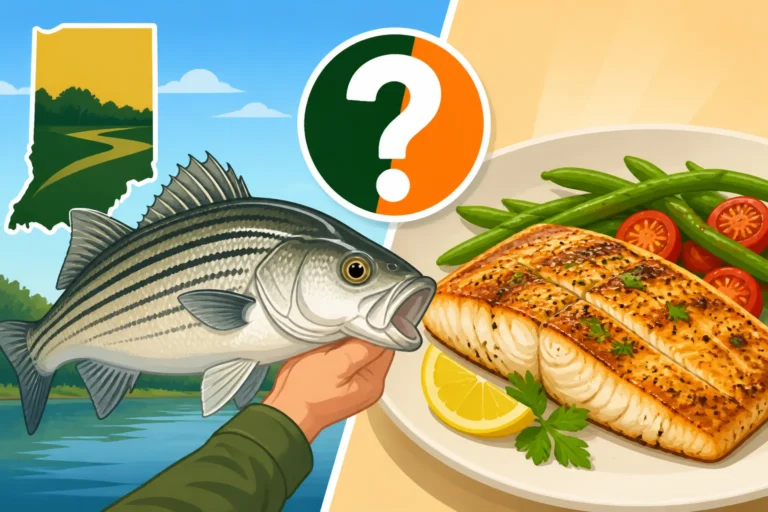
One of the most exciting challenges in freshwater fishing is cracking the code of a predatory fish's diet. If you've ever spent hours on an Indiana reservoir, wondering why the striped bass aren't biting despite all your best efforts, it often comes down to one fundamental question: what are they really eating out there? This comprehensive guide will pull back the curtain on the typical menu of striped bass in Indiana's freshwater reservoirs, giving you the insights you need to choose the right bait and lures, and ultimately, increase your chances of a successful catch.
Understanding the Striped Bass's Diet in Freshwater Reservoirs
Striped bass, often called "stripers," are incredible predators known for their strength and aggressive feeding habits. But like any fish, their diet isn't static; it's a dynamic reflection of their environment, their size, and the season. Knowing what they prefer can transform your fishing strategy from guesswork to precision.
The Opportunistic Predator
Striped bass are truly opportunistic feeders, which means they'll gobble up whatever is most abundant and easiest to catch in their given habitat. This adaptability is part of what makes them such successful, albeit sometimes frustrating, sport fish. They aren't picky eaters in the sense that they'll stick to just one type of food; rather, they're highly attuned to the buffet available in the water around them.
As a striper grows from a fingerling to a trophy-sized brute, its dietary preferences will naturally shift. Younger stripers might start with smaller insects and larval fish, but they quickly transition to a diet dominated by other fish as they mature. Think of it like a human growing up: you start with baby food, move to solid meals, and eventually, you're enjoying a full-blown steak dinner. Stripers operate similarly, escalating their prey size as they gain bulk and confidence. For instance, in the early spring when water temperatures are still cool, they might be more sluggish, focusing on easier targets that aren't moving as fast. Come late summer, with warmer waters and higher metabolism, they become much more aggressive, chasing down fast-moving schools of baitfish in open water. Understanding this growth and seasonal shift is crucial.
Key Forage Fish in Indiana Reservoirs
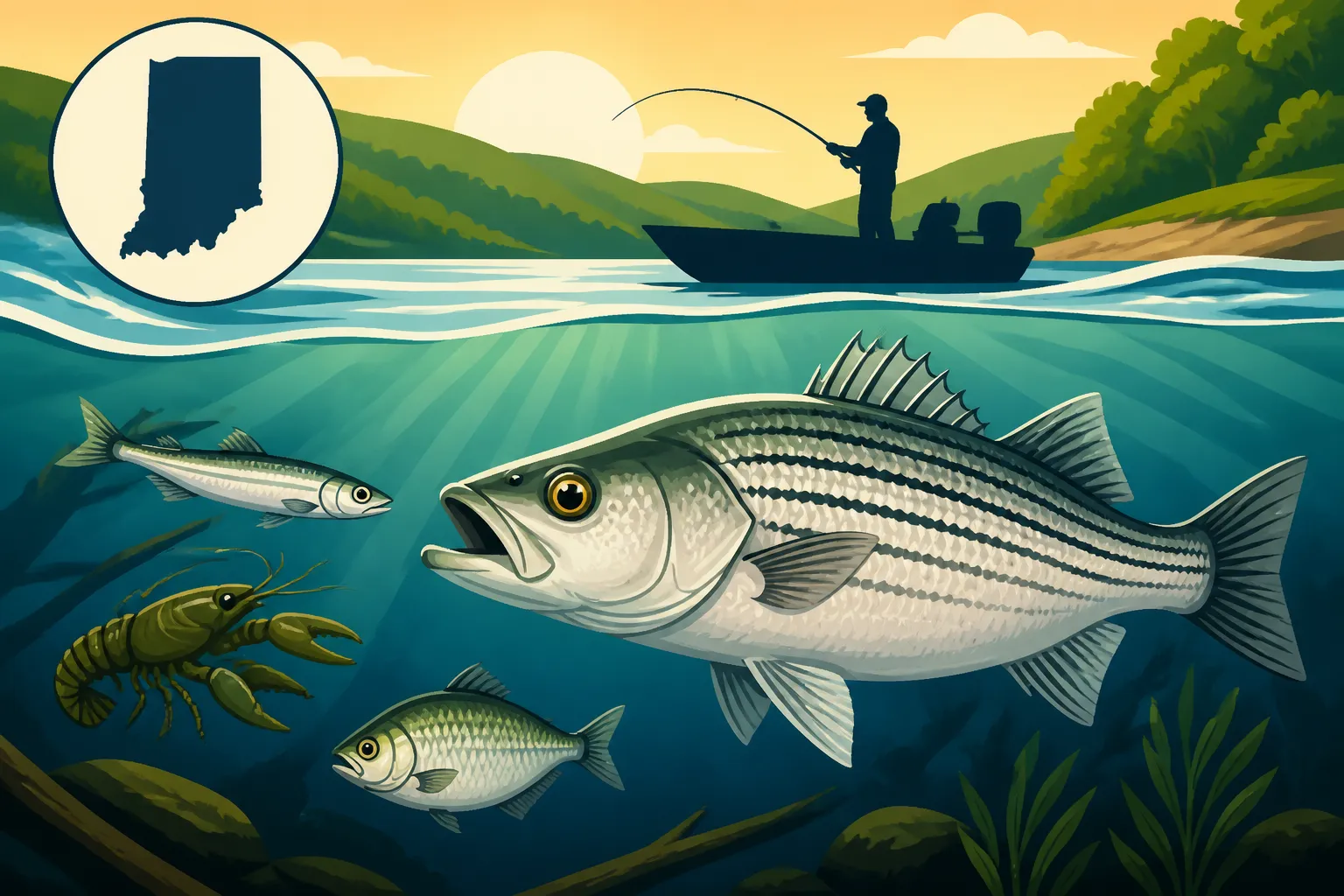
When we talk about the primary diet of striped bass in Indiana's freshwater reservoirs, we're almost exclusively talking about baitfish. These are the unsung heroes of the aquatic food chain, and stripers depend on them heavily. The most common and critical forage species you'll find on a striper's menu in our local lakes are shad and sometimes alewives, if they're present.
- Gizzard Shad and Threadfin Shad: These are, without a doubt, the number one food source for striped bass in most Midwestern reservoirs. Shad are prolific breeders and form massive schools, which makes them an ideal target for powerful, schooling predators like stripers. Gizzard shad can grow quite large, offering a substantial meal for bigger stripers, while threadfin shad stay smaller, providing a constant source of food for all sizes. Stripers will relentlessly pursue these schools, often corralling them against banks or into coves, creating explosive feeding frenzies on the surface. If you can find the shad, you're usually close to the stripers.
- Alewives: While not as widespread as shad in Indiana, if a reservoir contains alewives, they become another highly favored food source. Alewives are slender, oily baitfish, and their presence can dramatically influence the behavior and size of game fish like stripers and even brown trout.
- Smaller Panfish and Other Fry: While shad are king, stripers won't pass up an easy meal. They will also opportunistically feed on smaller panfish like bluegill, crappie, or yellow perch, especially when these species are young and abundant. This means that if you're fishing a spot where there's a good population of Indiana Panfish Guide: Crappie, Bluegill, and Sunfish, there's a good chance a hungry striper might be lurking nearby, picking off the stragglers. The key is abundance and vulnerability – if a small fish is isolated or injured, it becomes an easy meal.
The Impact of Reservoir Ecosystems on Their Menu
The specific ecosystem of each Indiana reservoir plays a huge role in shaping what a striped bass eats. No two reservoirs are exactly alike, and the availability of certain forage fish can vary wildly. Some reservoirs are specifically managed with certain baitfish populations in mind to support a healthy striper fishery. For example, a reservoir that sees heavy stocking of both striped bass (or their hybrid cousins, wipers) and gizzard shad will naturally have stripers that are highly keyed into that particular prey.
Conversely, in a reservoir where shad populations might fluctuate due to environmental factors, stripers might have to broaden their diet, becoming even more opportunistic. This can lead to them targeting a wider variety of smaller fish or even larger invertebrates if other options are scarce. Factors like water clarity, depth, and the presence of submerged structure can also influence where baitfish congregate, and consequently, where stripers hunt. Understanding these local nuances is part of becoming a truly successful striper angler. It’s why you might find that the best bait for wipers in one reservoir isn't quite as effective in another just a few miles away. For a deeper dive into these hard-fighting fish, check out our guide on the Hybrid Striped Bass (Wiper): Indiana's Hard-Fighting Sport Fish.
Beyond Live Bait: Other Food Sources and How They Influence Angling
While fish make up the bulk of an adult striper's diet, especially in their prime feeding periods, there are other food sources that play a role, particularly for younger fish or during specific times of the year. Recognizing these less common but still vital dietary components can help you understand striper behavior even better.
Invertebrates and Larval Stages
When striped bass are still quite small, sometimes referred to as "fry" or "fingerlings," their diet is much broader and less fish-centric. At this stage, they are growing rapidly and will consume a variety of smaller organisms found in the water. This includes insect larvae, small crustaceans like zooplankton, and the fry of other fish species. Think of it as their nursery food – easily digestible and abundant in their early habitats.
As they grow, this reliance on invertebrates quickly diminishes. Once they reach a few inches in length, their predatory instincts kick in fully, and they transition almost entirely to a piscivorous (fish-eating) diet. However, knowing that they start small reinforces the idea of their opportunistic nature; they eat what's available and easy to catch at every stage of their life cycle.
Seasonal Shifts and Opportunistic Feeding
Striped bass are masters of adaptation, and their diet reflects the seasonal changes in their freshwater environment. What they eat, and how they hunt for it, can look very different from spring to winter.
- Spring: As water temperatures rise, stripers become more active. They'll often follow baitfish into shallower waters where the sun has warmed things up, making the baitfish more active. This is a prime time for them to gorge on newly spawned or easily accessible shad and other small fish.
- Summer: This is often the peak feeding season. With warm water boosting their metabolism, stripers will aggressively pursue large schools of shad in the open water. They might be found deeper during the heat of the day, but they'll often push baitfish to the surface during dawn and dusk, creating those exciting "boils" that anglers dream of. Our guide on the Best Time of Year for Striped Bass Fishing in Indiana goes into more detail about these peak seasons.
- Fall: As water temperatures begin to drop, stripers will continue to feed heavily, often bulking up for the colder months. Baitfish can become more concentrated as they seek out stable temperatures, making them easier targets for stripers. They might move into coves or channels where baitfish are holding.
- Winter: During the coldest months, striper metabolism slows down. They'll typically hold in deeper, more stable water, often near significant structure or thermal breaks. While they don't stop eating, their feeding windows become shorter, and their strikes less aggressive. They'll still key in on schools of baitfish, but the chase might be less frantic.
A sudden environmental event can also trigger a feeding frenzy or a shift in diet. For example, a sharp cold snap can stun or kill baitfish, leading to what's known as a "shad kill." When this happens, stripers will gorge on the easy meal of dying or dead shad, sometimes to the point where they become sluggish from overeating. During these times, lures that mimic a wounded baitfish can be incredibly effective.
Mimicking the Menu: What This Means for Anglers
Understanding what striped bass eat isn't just for curiosity; it's the foundation of effective angling. If you can "match the hatch" – or, in this case, "match the baitfish" – you're well on your way to success. This means selecting live baits and artificial lures that closely resemble what stripers are already preying upon.
Live Bait That Works Best
When it comes to live bait, the golden rule is simple: use what they're already eating. For Indiana's freshwater reservoirs, this almost always means shad, shiners, or similar baitfish.
- Gizzard Shad and Threadfin Shad: These are the absolute best live baits for stripers. They are the stripers' natural food source, and nothing generates a strike quite like a frisky shad struggling on a hook. Anglers often catch their own shad using cast nets, a skill that takes practice but is invaluable for serious striper fishing. The challenge, of course, is keeping these delicate baitfish alive and healthy in your livewell. You'll need good aeration and proper water management. Many anglers purchase essential live bait accessories like aerators, bait buckets, and water conditioners through online retailers like Amazon to ensure their bait stays lively.
- Shiners and Other Local Baitfish: If shad aren't readily available, large shiners can be a good substitute. Fathead minnows, golden shiners, or even small bluegill can work, especially if the stripers in your particular reservoir are known to feed on them. The key is to present them naturally, either free-lined with minimal weight or suspended under a float, allowing them to swim freely and attract attention. When thinking about live bait options, our Best Live Bait Choices for Beginners guide offers a fantastic starting point for those looking to explore this effective technique.
Effective Lures That Imitate Their Prey
Not everyone wants to deal with live bait, and thankfully, modern artificial lures are incredibly effective at mimicking a striper's natural diet. The key is choosing lures that match the size, shape, and action of the local baitfish.
- Crankbaits: Deep-diving crankbaits that resemble shad are deadly when stripers are holding in deeper water or chasing baitfish along ledges. Look for models with a tight wobble and shad-like profiles. Colors like chrome/blue, natural shad, or pearl are often top producers.
- Swimbaits: Soft plastic swimbaits, particularly those with a paddle tail, offer a very realistic imitation of a swimming baitfish. They can be rigged on a jig head and fished at various depths, or slow-trolled behind a boat. Both soft and hard-bodied swimbaits are highly effective.
- Jerkbaits: For stripers feeding higher in the water column or when you want to impart an erratic, wounded-baitfish action, jerkbaits are excellent. Suspending jerkbaits allow you to pause the lure right in the strike zone, often triggering a reaction strike.
- Spoons: Casting spoons or trolling spoons (like flutter spoons) are fantastic for imitating fleeing or injured baitfish. Their flash and erratic movement can draw strikes from a distance, especially when stripers are actively chasing schools.
- Topwater Lures: When stripers are busting on the surface, pushing baitfish up, nothing beats the excitement of a topwater strike. Poppers, walk-the-dog lures, and prop baits that create a commotion can entice aggressive surface feeders.
Choosing the right lure also means considering the size and color. If the shad in your lake are small, use smaller lures. If the water is clear, opt for more natural patterns; in stained water, brighter colors or those with more flash might stand out. Many anglers find a wide selection of these lures available on platforms like Amazon, making it easy to experiment with different options. If you're planning to fish during the warmer months, our Best Lure Choices for Summer Fishing article provides excellent recommendations tailored for the season.
Tracking the Forage: Essential Skills for Striper Anglers
Knowing what stripers eat is just one piece of the puzzle; finding that food in a vast reservoir is the next. Successful striper anglers are often excellent at locating baitfish, because where the bait is, the stripers will follow.
Using Sonar and Electronics
Modern fishing electronics have revolutionized the way we find fish, and for striper fishing, they are indispensable tools. Your fish finder isn't just for locating stripers themselves; it's primarily for locating their food.
- Identifying Bait Balls: Learn to interpret your sonar screen to recognize dense schools of baitfish, often appearing as large clouds or distinct blobs. These "bait balls" are like flashing neon signs for stripers.
- Finding Stripers Around Bait: Once you locate bait, look for larger, individual arcs or groups of arcs, often just below or around the edges of the bait ball. These are your target stripers, actively feeding or waiting for an opportunity.
- Understanding Thermoclines and Structure: Fish finders also help identify thermoclines (layers of water with different temperatures) and underwater structures like humps, points, and old creek channels. Baitfish often congregate around these features, and stripers will follow. Modern fish finders, often purchased from retailers like Amazon, offer incredible clarity and detail, helping you pinpoint these key areas. For guidance on selecting the right electronics, refer to our Fish Finder Buying Guide for Freshwater Lakes.
Observing Surface Activity
Sometimes, the best fish finder is your own eyes. Striped bass are notorious for their explosive surface feeding frenzies, where they push schools of baitfish to the surface and violently slash through them.
- "Boils" and "Breaks": Keep an eye out for frantic surface activity, where water is churning, and baitfish are jumping out of the water. These are called "boils" or "breaks" and indicate stripers actively attacking. Head toward them immediately and cast lures that mimic frantic baitfish.
- Birds as Indicators: Seabirds like gulls or terns (though less common on inland reservoirs, you might see other predatory birds) can also be excellent indicators. If they are diving into the water, they're likely feeding on the same baitfish that stripers are driving to the surface. It's a natural partnership in the food chain.
By combining technological scouting with keen observational skills, you can dramatically improve your chances of intercepting actively feeding stripers. Knowing How Big Do Striped Bass Get in Indiana Waters? can help you understand the scale of the hunt these powerful fish engage in every day.
Common Striped Bass Prey and Matching Lures/Bait
| Primary Prey Species | Typical Size (inches) | Best Live Bait Match | Effective Artificial Lures |
|---|---|---|---|
| Gizzard Shad | 4-12+ | Large gizzard shad, threadfin shad, large shiners | Large swimbaits, deep-diving crankbaits, flutter spoons |
| Threadfin Shad | 2-6 | Threadfin shad, small shiners, large minnows | Small swimbaits, jerkbaits, lipless crankbaits, topwaters |
| Alewives (where present) | 4-8 | Alewives, similar oily baitfish, larger shiners | Silver or chrome crankbaits, spoons, soft jerkbaits |
| Small Panfish (Bluegill, Crappie) | 1-4 | Small bluegill, crappie, various minnows | Small crankbaits, jigs with soft plastic trailers, swimbaits |
| Young Perch | 1-3 | Small minnows, live worms (for small stripers) | Small grubs, micro jigs, ultralight spoons |
Fishing for striped bass in Indiana can be an incredibly rewarding experience, offering some of the hardest fights you'll find in freshwater. By deeply understanding what they eat, when they eat it, and how to mimic those food sources, you'll be well-equipped to tackle these formidable predators. So next time you're out on the water, remember to think like a striper – find the food, and you'll find the fish. For more detailed strategies on catching these impressive fish, consider our guide on Striped Bass Fishing in Indiana Reservoirs.
Disclaimer
This article is for general informational purposes only and does not constitute professional advice. Laws, prices and regulations vary by location and change over time. Consult a qualified professional for guidance on your specific situation.