Striped Bass Fishing in Indiana Reservoirs
There's nothing quite like the heart-pounding strike of a powerful fish, especially one that fights like a runaway freight train. If you've ever felt the sheer thrill of a striped bass or its hybrid cousin, the wiper, on the end of your line, you know the addiction. But finding and consistently catching these hard-fighting beauties in Indiana's sprawling reservoirs can feel like cracking a secret code. This guide is here to unravel that mystery, providing you with the knowledge, techniques, and strategies you need to tackle striped bass fishing in Indiana's best reservoirs and experience that unforgettable fight.
Understanding Indiana's Striped Bass Fishery
Before we dive into the nitty-gritty of catching these magnificent fish, it's crucial to understand what exactly we're targeting and where they thrive in the Hoosier State. Indiana's striped bass fishery isn't like its coastal counterparts; here, we're dealing with a unique freshwater dynamic.
What are Striped Bass and Wipers in Indiana?
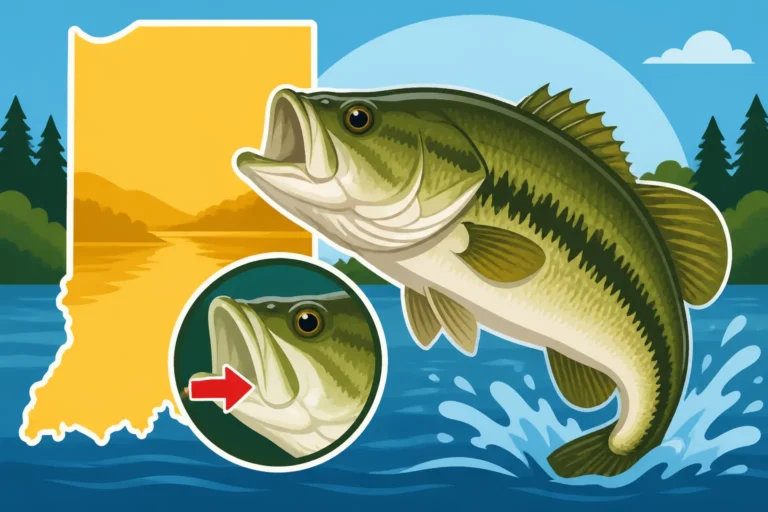
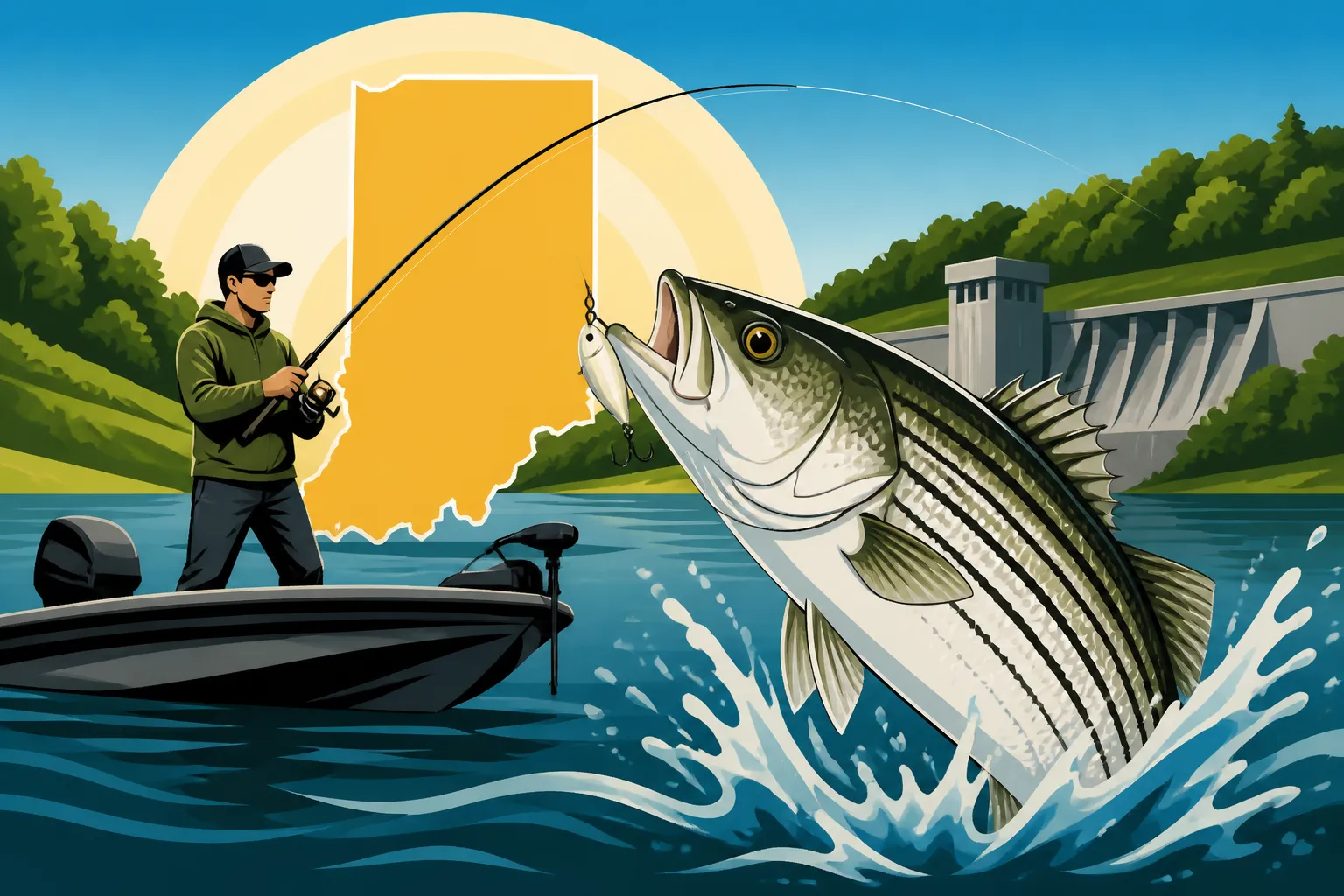
When we talk about "striped bass" in Indiana, we're usually referring to two distinct fish: the purebred striped bass (Morone saxatilis) and its more common hybrid relative, the wiper (Morone saxatilis x Morone chrysops). Purebred striped bass are stocked in a few select reservoirs, growing to impressive sizes, much like their ocean-dwelling cousins. They're built for speed and power, characterized by their streamlined bodies and distinct dark stripes running horizontally along their silver-white sides. These fish are true apex predators, constantly on the hunt for baitfish.
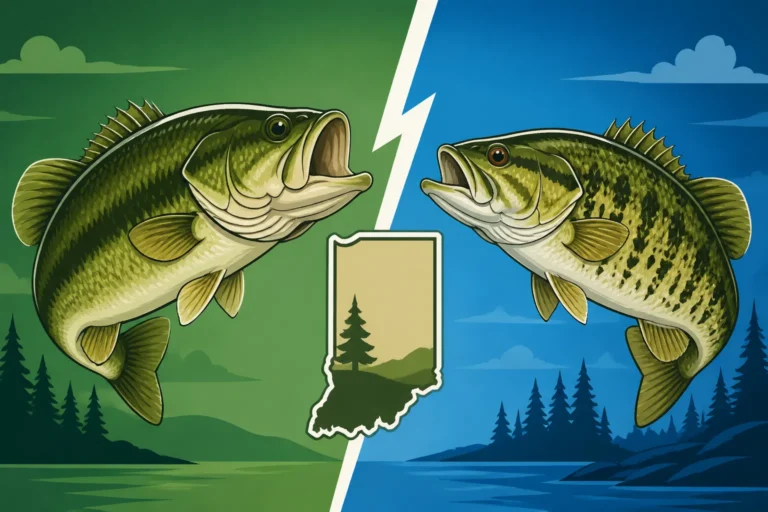
The wiper, also known as a hybrid striped bass, is a cross between a striped bass and a white bass. These hybrids are incredibly popular in Indiana because they grow fast, fight ferociously, and tolerate a wider range of conditions than pure stripers. Wipers typically have broken or irregular stripes, especially below their lateral line, which helps distinguish them from pure stripers where the lines are usually solid. They retain much of the pure striper's fighting prowess but often congregate in larger schools, making them a fantastic target for anglers seeking consistent action. Both species are a testament to how adaptable and exciting freshwater sport fishing can be. Striped Bass and Wiper Fishing in Indiana covers this in more detail.
Where to Find Them: Key Indiana Reservoirs
Indiana's striped bass and wiper populations are primarily sustained through stocking efforts in specific reservoirs. These aren't naturally reproducing populations, so knowing where the Indiana Department of Natural Resources (IDNR) focuses its efforts is key to finding these fish. Large, deep reservoirs with abundant shad populations are the prime candidates.
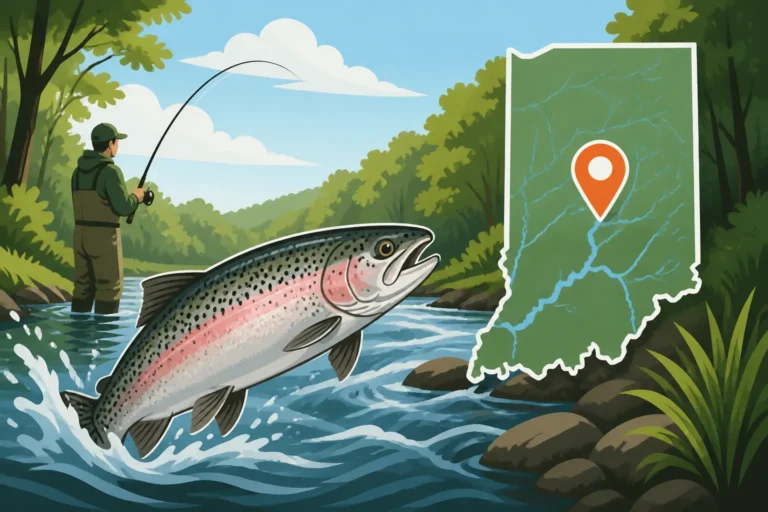
Monroe Lake, near Bloomington, is arguably Indiana's most famous and productive striped bass fishery. Its vast open waters and massive shad schools provide an ideal habitat for both pure stripers and wipers to grow large. Anglers regularly pull trophy-sized fish from Monroe, especially during prime seasons. Another fantastic spot is Patoka Lake in southern Indiana, known for its excellent wiper fishing and substantial populations of gizzard shad, their primary food source. Brookville Lake, in southeastern Indiana, also boasts a strong wiper population and offers diverse fishing opportunities. These reservoirs are massive, which can be daunting, but understanding their structure and the fish's habits is the first step. For more on general fishing here, check out Best Boats for Fishing Monroe Lake in Indiana and Patoka Lake Fishing Guide for Bass and Crappie.
The Unique Challenge of Striped Bass Fishing
Fishing for striped bass and wipers in reservoirs presents a unique set of challenges that can frustrate even seasoned anglers. Unlike bass that often relate to visible cover or structure, stripers are often found suspended in open water, chasing vast schools of baitfish. This means they can be here today, gone tomorrow, sometimes moving miles overnight. Their nomadic behavior makes traditional "cast to the bank" tactics largely ineffective.
Furthermore, when they do decide to bite, they hit hard and fight dirty. They'll make long, powerful runs, testing your drag and your tackle to its limits. This isn't subtle finesse fishing; it's a battle of strength and endurance. Their keen eyesight in clear reservoir waters also means that presentation and lure choice are critical. It's a game of covering vast amounts of water, using electronics effectively, and being prepared for an explosive strike when you find them. Hybrid Striped Bass (Wiper): Indiana's Hard-Fighting Sport Fish really highlights their fighting spirit.
Essential Gear for Striped Bass Success
Tackling hard-fighting fish like striped bass and wipers requires gear that can stand up to the challenge. You can't bring a knife to a gunfight, and you certainly can't bring ultralight panfish tackle when these bruisers decide to hit. Investing in the right rods, reels, line, and lures will significantly increase your chances of success and minimize lost fish.
Rods, Reels, and Line: Power and Precision
For reservoir striped bass, you'll want a setup that offers both power to control strong runs and enough sensitivity to detect subtle bites. A medium-heavy to heavy action spinning or baitcasting rod, typically 7 to 8 feet long, is a great starting point. Longer rods provide better casting distance, which can be crucial when trying to reach schooling fish, and better leverage during the fight. Look for rods with a strong backbone but a relatively fast tip for casting accuracy and hook sets.
Pair your rod with a sturdy reel featuring a smooth, reliable drag system. For spinning reels, a 4000 to 6000 series reel is appropriate, while a baitcasting reel with a good line capacity and a high retrieve ratio can be advantageous for quickly retrieving lures or keeping up with fast-moving fish. When it comes to line, braided line is a popular choice due to its incredible strength-to-diameter ratio and lack of stretch, which provides superior sensitivity. Many anglers opt for 30-50 pound test braid, often with a 15-25 pound fluorocarbon leader for abrasion resistance and stealth in clear water. For those looking at budget-friendly yet effective options, finding a suitable braided line or fluorocarbon leader on Amazon can be a great way to equip yourself without breaking the bank. Best Rods and Reels for Indiana Largemouth Bass offers a good baseline for general setups that can be scaled up for stripers.
Lures and Bait: Matching the Forage
Striped bass and wipers are primarily piscivores, meaning they feed on other fish. In Indiana's reservoirs, their diet largely consists of gizzard shad. Therefore, your lure and bait selection should mimic these prevalent baitfish. Popular artificial lures include large swimbaits, jerkbaits, crankbaits, and spoons. White, silver, chrome, and blue patterns are often excellent choices, reflecting the natural colors of shad.
Topwater lures like poppers and walk-the-dog baits can be incredibly exciting when stripers are actively schooling on the surface. When fish are deeper or suspended, heavy jigging spoons, umbrella rigs, or large soft plastic paddle tails rigged on weighty jig heads can be deadly. Don't underestimate the power of live bait, either. Gizzard shad, alewives, or large shiners, when legal and available, are often irresistible to hungry stripers. The key is to present your offering naturally and at the depth where the fish are actively feeding. Sometimes, having a diverse tackle box ready with options available on Amazon can save a tough day on the water.
Electronics and Boat Setup for Open Water
Fishing for striped bass in vast reservoirs is truly a game changer when you have the right electronics. A quality fish finder, especially one with side-imaging or down-imaging capabilities, is not just a luxury; it's a necessity. These units allow you to locate schools of baitfish, identify predatory gamefish lurking below or to the sides of your boat, and even map underwater contours and thermoclines. Look for high-resolution displays and powerful transducers to get the most accurate readings in deep water.
Your boat setup also plays a crucial role. A stable boat, preferably with a powerful trolling motor, allows you to stealthily approach schooling fish or precisely hold your position over a productive spot. Rod holders are essential for trolling multiple lines, and a large livewell can keep your precious live bait frisky throughout the day. Consider dedicated storage for your extensive tackle and a cooler large enough for your provisions and, hopefully, your catch. Best Fish Finders for Indiana Lake Fishing can help you choose the right electronics to aid your search for these open-water roamers.
Top Techniques for Catching Striped Bass
Once you have your gear sorted, it's time to talk tactics. Striped bass and wipers aren't usually found in the shallow margins of the lake; they roam the open water, often suspending over deep channels or humps, following their food source. This means your approach needs to be dynamic and often involves covering a lot of water.
Trolling Strategies for Covering Water
Trolling is one of the most effective ways to locate and catch striped bass and wipers in large Indiana reservoirs. It allows you to present multiple lures at various depths simultaneously, covering a significant amount of water until you find actively feeding fish. The key is to match your trolling speed and lure depth to what the fish are doing. Crankbaits, deep-diving jerkbaits, and even umbrella rigs are popular choices for trolling.
Experiment with different speeds, typically between 2.5 and 4.0 miles per hour, and observe how your lures react. Use your fish finder to identify the depth of baitfish schools and any suspended stripers, then adjust your lure depth accordingly using lead core line, downriggers, or simply by varying the amount of line you let out. Once you get a bite, mark the spot on your GPS and try to replicate your successful presentation. Often, where there's one striper, there are more.
Casting and Jigging Near Structure
While stripers often roam open water, they will also relate to structure, especially if it concentrates baitfish. Underwater humps, points, submerged creek channels, bridge pilings, and even standing timber can be excellent ambush points. When you locate these features on your electronics, or spot surface activity, casting and jigging become highly effective.
For casting, use large jerkbaits, swimbaits, or spoons to mimic fleeing baitfish. Cast beyond the schooling fish or structure and retrieve through the active zone. For jigging, heavy spoons or soft plastic paddle tails are perfect. Drop them directly over marked fish or structure, allowing them to hit the bottom, then retrieve with sharp upward jerks, letting them flutter back down. The strike often comes on the fall. This technique requires a good feel for your lure and concentration to detect the often subtle "thump" of a striper grabbing your bait.
Live Bait Tactics for Finicky Fish
Sometimes, when artificial lures just aren't cutting it, live bait can be the ultimate equalizer, especially for larger, more finicky striped bass. Gizzard shad are king here, but large shiners or golden shiners can also work well if shad aren't available or permitted. The fresher and livelier your bait, the better.
There are a few primary ways to fish live bait for stripers. One common method is to free-line a live shad behind your boat, allowing it to swim naturally at a certain depth or simply drift with the current or wind. Another effective tactic is to use a balloon rig, which suspends your bait at a desired depth and acts as a bobber. For deeper presentations, you can use a Carolina rig or a three-way swivel rig with a heavy sinker to get your bait down to where the fish are holding, especially over deep structure or thermoclines. Always keep a close eye on your rod tip; when a striper hits live bait, it's usually not a gentle peck, but a violent yank. Remember to check local regulations on bait fish collection and use. Best Bait for Wiper Fishing in Local Reservoirs provides more specific information.
Seasonal Patterns and Best Times to Fish
Understanding the seasonal movements and feeding patterns of striped bass and wipers in Indiana's reservoirs is paramount to consistent success. These fish are highly influenced by water temperature, baitfish availability, and spawning cycles.
Spring: Pre-Spawn and Early Season Bites
As the ice recedes and water temperatures begin to climb in early spring, usually March and April, striped bass and wipers become increasingly active. This pre-spawn period is one of the best times to target them. The fish often move shallower, congregating in creek arms, main lake points, and tributary mouths where baitfish are also moving in to spawn. They're hungry and aggressive after a long winter.
Focus your efforts on areas where warmer water might be collecting, such as northern banks or shallow coves, especially after a few sunny days. Trolling shallow-running crankbaits or casting jerkbaits and swimbaits into these areas can be highly effective. The fish are often more accessible to shore anglers during this time as well, particularly near river inlets or dam discharge areas. As spring progresses, the fish will move back towards deeper water in the main lake after their spawning instincts have passed. Best Time of Year for Striped Bass Fishing in Indiana goes into detail on seasonal trends.
Summer: Deep Water and Night Fishing Opportunities
Summer in Indiana means hot temperatures and often clear, stratified reservoir waters. During this time, striped bass and wipers will typically retreat to deeper, cooler water, often suspending over thermoclines or congregating around deep structure where oxygen levels are sufficient. They become harder to find during the day in the bright sun, often holding at depths of 20-50 feet or more.
This makes early morning, late evening, and especially night fishing prime times during the summer. Under the cover of darkness, stripers will often move shallower to feed on baitfish that are pushed to the surface. Trolling deep-diving crankbaits or jigging spoons during the day can still work, but focus on the low-light hours for explosive topwater action or casting into shallower humps and points. Night fishing with lights to attract baitfish can also be incredibly productive, drawing stripers in from the depths. Always remember safety first if you're out on the water after dark. Water Temperature and Fish Feeding Patterns plays a huge role here.
Fall: Following the Baitfish Migration
Fall is another fantastic time for striped bass and wiper fishing in Indiana. As water temperatures begin to cool, the thermocline breaks down, allowing fish to roam more freely throughout the water column. More importantly, the cooling water triggers a mass migration of baitfish into the shallower creek arms and coves, and the stripers are right on their tails.
This is a time for aggressive feeding as the fish prepare for winter. Look for schooling activity on the surface, often indicated by diving birds or ripples from baitfish trying to escape. Trolling or casting large crankbaits, spoons, and topwater lures into these feeding frenzies can lead to incredible action. Live bait also shines during the fall, especially when presented in areas where baitfish are concentrated. The cooler temperatures also mean a more comfortable fishing experience for anglers.
Regulations and Conservation for Indiana Stripers
As with any successful fishery, responsible angling and adherence to regulations are crucial for maintaining healthy populations for future generations. Indiana has specific rules regarding striped bass and wipers that all anglers must follow.
Understanding Bag and Size Limits
Indiana's fishing regulations for striped bass and wipers are designed to manage the population and ensure sustainable fishing pressure. While specific numbers can change, generally there's a daily bag limit for these fish, often a combined limit for both pure stripers and wipers. There might also be minimum size limits that dictate how long a fish must be before it can be legally kept.
For instance, you might encounter a rule like "Combined daily bag limit of 2 striped bass or hybrid striped bass, with no more than 1 being over 15 inches." This is just an example, and it's imperative that every angler consult the current Indiana Fishing Guide, issued by the Indiana Department of Natural Resources (IDNR), before heading out. These guides are updated annually and are available online or wherever fishing licenses are sold. Ignorance of the law is not an excuse for violations, and penalties can include fines and loss of fishing privileges. Always be sure to measure your catch accurately before deciding to keep or release. Indiana Fishing Regulations and Bag Limits Guide is your go-to source.
Practicing Responsible Catch and Release
Because striped bass and wipers are such incredible sportfish, and because their populations in Indiana are sustained by stocking, practicing responsible catch and release is highly encouraged, especially for fish you don't intend to keep or those that are under or over the legal size limits. These fish fight hard, which can be exhausting for them, so proper handling is essential for their survival.
When releasing fish, try to keep them in the water as much as possible. If you need to handle them, use wet hands or a wet net to protect their slime coat, which is vital for disease prevention. Avoid putting fingers in their gills or squeezing their belly. Use de-hooking tools or long-nosed pliers to quickly remove hooks. If a fish is deeply hooked, it's often best to cut the line as close to the hook as possible rather than trying to rip it out. Give the fish time to recover in the water, supporting it gently until it swims away under its own power. A healthy release ensures that fish can continue to grow and provide sport for other anglers.
Indiana's Efforts in Striped Bass Management
The existence of a thriving striped bass and wiper fishery in Indiana's inland reservoirs is a testament to dedicated fisheries management. Since these fish do not naturally reproduce in most Indiana waters, the IDNR actively stocks fingerlings into select reservoirs each year. These stocking programs require significant resources and careful planning to ensure the right numbers of fish are released at the right times to maintain a healthy population balance.
Beyond stocking, the IDNR conducts regular surveys to monitor fish populations, growth rates, and the health of the overall ecosystem. They assess baitfish populations, water quality, and angler catch rates to inform future management decisions, including adjusting bag and size limits as needed. These ongoing efforts, combined with responsible angling practices, are what allow Hoosier anglers to continue enjoying the thrill of chasing these powerful game fish in our state's beautiful reservoirs. Knowing the specific regulations, like How Big Do Striped Bass Get in Indiana Waters?, is part of being a responsible angler who contributes to these conservation efforts.
Disclaimer
This article is for general informational purposes only and does not constitute professional advice. Laws, prices and regulations vary by location and change over time. Consult a qualified professional for guidance on your specific situation.