How to Rig a Minnow for Crappie
It’s a tale as old as time for Indiana anglers: you're out on the lake, the crappie are supposed to be biting, but your artificial lures just aren't cutting it. Frustration mounts as you watch others pull in slabs while your bobber stays stubbornly still. This guide is here to demystify the art of rigging a minnow for crappie, ensuring you get the most natural presentation and, more importantly, put more fish in the boat.
Understanding Crappie Behavior and Minnow Appeal
Crappie, those beloved panfish, can be finicky eaters. They have excellent eyesight and often prefer a live, natural presentation, especially when they're not in an aggressive feeding mood. That's where a properly rigged minnow becomes your secret weapon.
Why Minnows are a Crappie's Favorite Meal
Think about it from a crappie's perspective. In their natural habitat, minnows are a primary food source. They move erratically, emit natural scents, and simply look like dinner. While artificial baits can mimic these qualities, nothing quite replicates the real deal. When a crappie sees a struggling, live minnow, their predatory instincts kick in. The subtle vibrations, the flash of scales, and the unmistakable scent are often irresistible, particularly during times when crappie are less active, like after a cold front or in deeper, cooler waters. During the spring spawn, for instance, crappie are often focused on their nests, but a minnow drifted nearby can still draw a territorial strike or a quick snack. If you're looking for tips on when and where these fish are most active, you might find our guide on the Best Month to Catch Crappie in Indiana really helpful.
Reading the Water for Crappie Hotspots
Before you even think about rigging, you need to know where the crappie are likely hiding. Crappie are structure-oriented fish. They love to hang around submerged timber, brush piles, docks, bridge pilings, and weed lines. These spots provide cover from predators and ambush points for their own meals. In clearer lakes like Lake Wawasee, they might suspend in open water over deep channels. In reservoirs like Monroe Lake or Patoka Lake, they'll often relate to creek channels or old roadbeds. Understanding where these fish congregate allows you to present your minnow directly into their strike zone, significantly increasing your chances of a bite. Knowing the right spots for these popular panfish is half the battle, and you can always check out some of the Best Crappie Lakes in Indiana for ideas.
Essential Gear for Minnow Rigging
Having the right equipment can make all the difference between a frustrating day on the water and a successful crappie haul. You don't need a boatload of expensive gear, but a few key items will ensure your minnow presentation is spot-on.
Rods, Reels, and Line Choices for Crappie
For crappie, subtlety is key, which means light tackle is your best friend.
- Rods: An ultralight or light-action spinning rod, typically 5 to 7 feet long, is ideal. The sensitive tip will allow you to detect even the slightest tap from a crappie, which can sometimes feel more like a subtle weight increase than a definitive bite. A fast action tip will also give you the backbone to set the hook quickly without ripping it out of their soft mouths.
- Reels: Pair your rod with a small spinning reel (e.g., 500 or 1000 size). These reels are lightweight and allow for smooth casting of light baits. Look for one with a good drag system, which is crucial for handling those surprisingly strong crappie once they're hooked.
- Line: Stick with light fishing line, usually 4-pound test monofilament or fluorocarbon. Monofilament is more forgiving with its stretch, which can prevent hooks from tearing out. Fluorocarbon offers less stretch for better sensitivity and is nearly invisible underwater, a huge advantage in clear Indiana waters. Some anglers even use braided line with a fluorocarbon leader for ultimate sensitivity, but this can be overkill for most crappie situations. You can find a fantastic selection of these and other essentials, like leader material, on Amazon.
The Right Hooks, Sinkers, and Floats
These small but mighty components are crucial for a successful crappie rig.
- Hooks: For live minnows, small, sharp hooks are paramount. Crappie have soft mouths, so a small hook penetrates easily. Sizes #4 to #8 Aberdeen or Kahle hooks are excellent choices. Aberdeen hooks are thin-wired, which helps them straighten out if snagged, often saving your line and minnow. Kahle hooks are a hybrid circle/J-hook design that offers a wider gap for better hook-ups. Many anglers also prefer small jig heads (1/32 to 1/16 ounce) when vertical jigging minnows, as they add weight and a bit of flash.
- Sinkers: Small split shots are usually all you need to get your minnow down to the desired depth. Start with one or two small split shots crimped a foot or so above your hook. The goal is to get the minnow down without impeding its natural movement too much. Too much weight will make your minnow look unnatural and might spook wary crappie.
- Floats (Bobbers): Both fixed and slip bobbers have their place. Fixed bobbers are great for shallow water (under 6-8 feet), allowing you to easily cast and control your bait. For deeper water, a slip bobber rig is invaluable. It lets you fish at virtually any depth by sliding freely up your line until it hits a bobber stop. This prevents your rig from being too cumbersome to cast, making it perfect for targeting crappie suspended over deep structures. Our guide on Crappie Jigging Techniques for Beginners offers more insight into pairing your presentation with the right terminal tackle.
Step-by-Step Guide to Rigging a Minnow
Now for the main event! Rigging a minnow properly is an art form that significantly impacts its effectiveness. The goal is to keep the minnow alive and swimming naturally for as long as possible, presenting an irresistible target to hungry crappie.
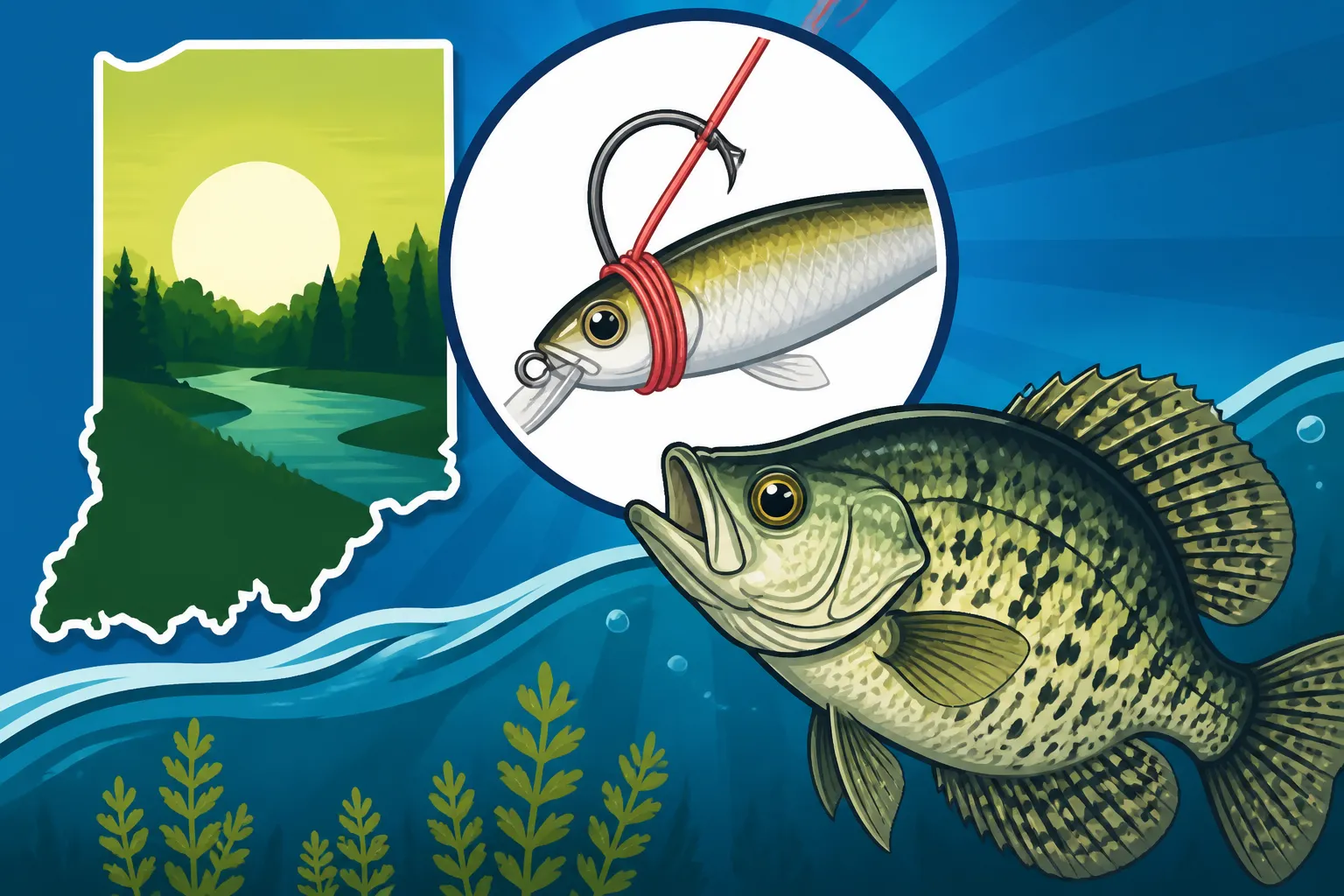
Hooking a Minnow Through the Lip
This is arguably the most common and effective method for hooking a minnow, especially when fishing with a bobber or drifting.
- Select a Healthy Minnow: Always choose a lively, active minnow from your bait bucket. A strong swimmer will attract more attention.
- Locate the Lips: Gently hold the minnow in your hand. Identify the upper and lower lips.
- Insert the Hook: Carefully insert the hook point through the bottom lip and then out through the top lip. Be sure to go through the lips and not through the brain or eyes, as this will kill the minnow quickly.
- Check the Placement: The hook should be positioned so that the minnow can open and close its mouth naturally, allowing it to breathe. The minnow should be able to swim freely, darting and twitching as it normally would.
Why this method works: Hooking a minnow through the lips allows it to swim freely and naturally. This distressed, yet still mobile, presentation is incredibly enticing to crappie. It also keeps the minnow alive longer, as vital organs are avoided. This method is fantastic for drifting under a bobber or slowly retrieving your bait.
Hooking a Minnow Through the Back
This technique is excellent when you want your minnow to hang horizontally in the water column or when you're vertical jigging directly over a crappie school, like you might do when following Summer Fishing Patterns for Crappie in deeper water.
- Select a Healthy Minnow: Again, a lively minnow is key.
- Locate the Dorsal Fin: Gently hold the minnow and find the dorsal fin (the fin on its back).
- Insert the Hook: Carefully insert the hook just behind the dorsal fin, making sure to stay shallow and above the spine. Puncturing the spine will paralyze or kill the minnow instantly, rendering it less effective.
- Check the Placement: The hook should be shallow enough that the minnow can still swim, but secure enough that it won't come off with a vigorous cast or a crappie strike.
Why this method works: This rigging causes the minnow to hang more horizontally, often giving it a "wounded" appearance as it struggles against the hook. When vertical jigging, it allows for subtle lifts and drops that make the minnow twitch enticingly in place. It's particularly effective when crappie are holding tight to structure and you need to get your bait right in front of their faces.
Setting Up Your Crappie Rig
The way you set up your entire rig will depend on the depth you're targeting and the water conditions.
The Slip Bobber Rig (for deeper water or varying depths)
- Attach Bobber Stop: Thread a bobber stop onto your main line first. This small piece of string or rubber will allow you to adjust your fishing depth.
- Add Bead: Slide a small bead onto your line. This prevents the bobber stop from slipping through your bobber.
- Attach Slip Bobber: Thread your slip bobber onto the line.
- Tie on Hook: At the end of your main line, tie on your chosen hook (Aberdeen, Kahle, or small jig head) using a Palomar or improved clinch knot.
- Add Split Shots: About 12-18 inches above your hook, crimp on one or two small split shot weights. Ensure there's enough weight to keep the minnow down but not so much that it restricts its movement.
- Adjust Depth: Slide your bobber stop up or down the line to set your desired fishing depth. This rig is fantastic for finding the crappie's preferred depth zone.
The Fixed Bobber Rig (for shallow water)
- Attach Fixed Bobber: Simply clip your fixed bobber onto your main line.
- Tie on Hook: Tie your hook to the end of your main line.
- Add Split Shots: Place one or two small split shot weights about 6-12 inches above your hook.
- Adjust Depth: The depth is fixed by how far you place the bobber from the hook. This is best for fishing shallow weed beds, around docks, or in small ponds where Crappie and Panfish: A Great Starter Fish for Kids in Indiana are often abundant.
Here's a quick reference table for minnow hooking methods:
| Rigging Method | Hook Placement | Best Use Case | Advantages | Disadvantages |
|---|---|---|---|---|
| Through the Lip | Through lower then upper lip | Drifting, still fishing with bobber | Most natural swim, keeps minnow alive longest | Can come off on strong cast or short strike |
| Through the Back | Just behind dorsal fin, above spine | Vertical jigging, presenting wounded minnow | Horizontal presentation, good for active fish | Can kill minnow if spine is hit, less natural swim if not worked |
Common Mistakes and Advanced Tips
Even with the perfect rig, there are nuances to crappie fishing with minnows that can drastically improve your success. Avoiding common pitfalls and employing a few advanced techniques will make you a more effective angler.
Keeping Minnows Alive and Healthy
A dead or sluggish minnow is far less effective than a lively one. Crappie are attracted to movement, and a dying minnow won't cut it.
- Minnow Bucket: Invest in a good quality minnow bucket. The best ones are insulated, have an aerator to keep the water oxygenated, and are easy to transport. You can find excellent options on Amazon.
- Water Temperature: Minnows are sensitive to temperature changes. Try to keep the water in your bucket close to the temperature of the water you're fishing in. Avoid drastic changes, as this can shock and kill your bait. In warmer months, adding a small frozen water bottle to the bucket can help keep the water cool.
- Fresh Water: Change the water in your minnow bucket periodically, especially if you're out for an extended period. Fresh water with adequate oxygen is vital for minnow longevity.
- Don't Overcrowd: Too many minnows in a small bucket will quickly deplete oxygen and contaminate the water, leading to a mass die-off. Buy only what you need, or use a larger bucket if you plan to keep a lot of bait.
Presenting Your Minnow for Maximum Attraction
Once your minnow is rigged and alive, how you present it to the crappie makes all the difference.
- Slow and Steady: Crappie generally prefer a slow, subtle presentation. If you're drifting with a bobber, let the wind or current do the work. If you're retrieving, do it very slowly, with occasional pauses and slight twitches. This mimics a struggling baitfish, which is often irresistible.
- Target Depth: Crappie are often found at a specific depth. Use your fish finder or experiment with different bobber stop settings to locate the crappie. Once you find them, stick to that depth.
- Vertical Jigging: When you've located a school of crappie on your fish finder, drop your minnow rig (especially with a jig head) directly into the school. Gently lift and drop your rod tip, making the minnow dance in place. This can trigger aggressive strikes.
- Cover All Angles: Don't just cast to one spot. Fan cast around structure, under docks, and along weed lines. If you're fishing from a boat, move slowly around the structure, making short pitches to different areas.
- Embrace the Drift: Sometimes, the most effective technique is to simply let your boat or kayak drift with the wind, dragging your minnow behind you under a slip bobber. This covers a lot of water and presents the minnow in a very natural way. This strategy often works well when exploring the Best Fishing Spots for Big Crappie in Indiana.
- Combine with Artificials: Don't be afraid to add a small soft plastic jig trailer to your minnow hook, especially if you're using a jig head. This adds scent and more visual appeal, giving the crappie something extra to key in on. You can also fish a minnow on one rod and try a small jig on another to see what they prefer that day, drawing on the wisdom from our Best Live Bait Choices for Beginners guide.
- Experiment with Leader Length: Sometimes, a longer leader (the distance between your sinker and your hook) can give the minnow more freedom of movement and a more natural fall. Experiment with leaders from 12 inches to 24 inches to see what the crappie respond to best. A good roll of fluorocarbon leader material can be found easily on Amazon.
- Consider Light Sensitivity: Crappie's eyes are very sensitive, especially in clear water. This is why they often prefer to feed during low light conditions or in stained water. On bright, sunny days, they might hold deeper or tighter to heavy cover. Adjust your approach accordingly.
- Rod Holders for Still Fishing: If you're "tightlining" or still fishing, use a rod holder. This allows you to relax, but more importantly, it ensures your rod tip is stable, making it easier to see subtle bites. A rod holder for your boat or even for bank fishing can be a game-changer. There are many affordable options available on Amazon that can improve your setup when you're just waiting for that crappie to commit.
By mastering the art of rigging and presenting a minnow, you’ll unlock one of the most consistently effective techniques for catching crappie in Indiana. Remember, patience and observation are just as important as your rigging skills. Pay attention to what the fish are telling you, and you'll be well on your way to filling your cooler with those delicious slabs!
Disclaimer
Fishing regulations, license requirements, and local rules can change. Always consult the latest Indiana Department of Natural Resources (IDNR) guidelines before heading out on the water. This information is for general guidance and educational purposes only.