Best Season for Catfish Fishing in Indiana
If you've ever found yourself staring at the water, wondering when the best time is to hook into one of Indiana's hard-fighting catfish, you're certainly not alone. It's a common frustration for anglers, especially when you know those whiskered giants are out there but just aren't biting. This guide is going to peel back the layers on seasonal catfish behavior, helping you understand exactly when and how to maximize your chances of a successful catfishing trip in the Hoosier State.
Understanding Catfish Behavior Through the Seasons
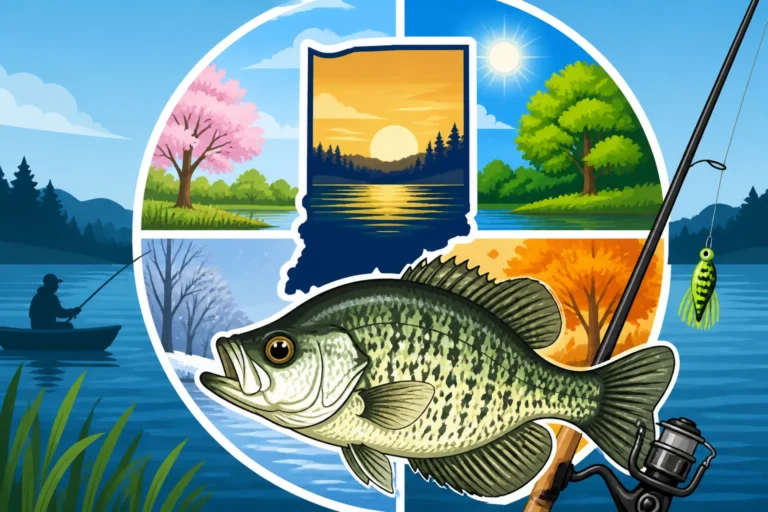
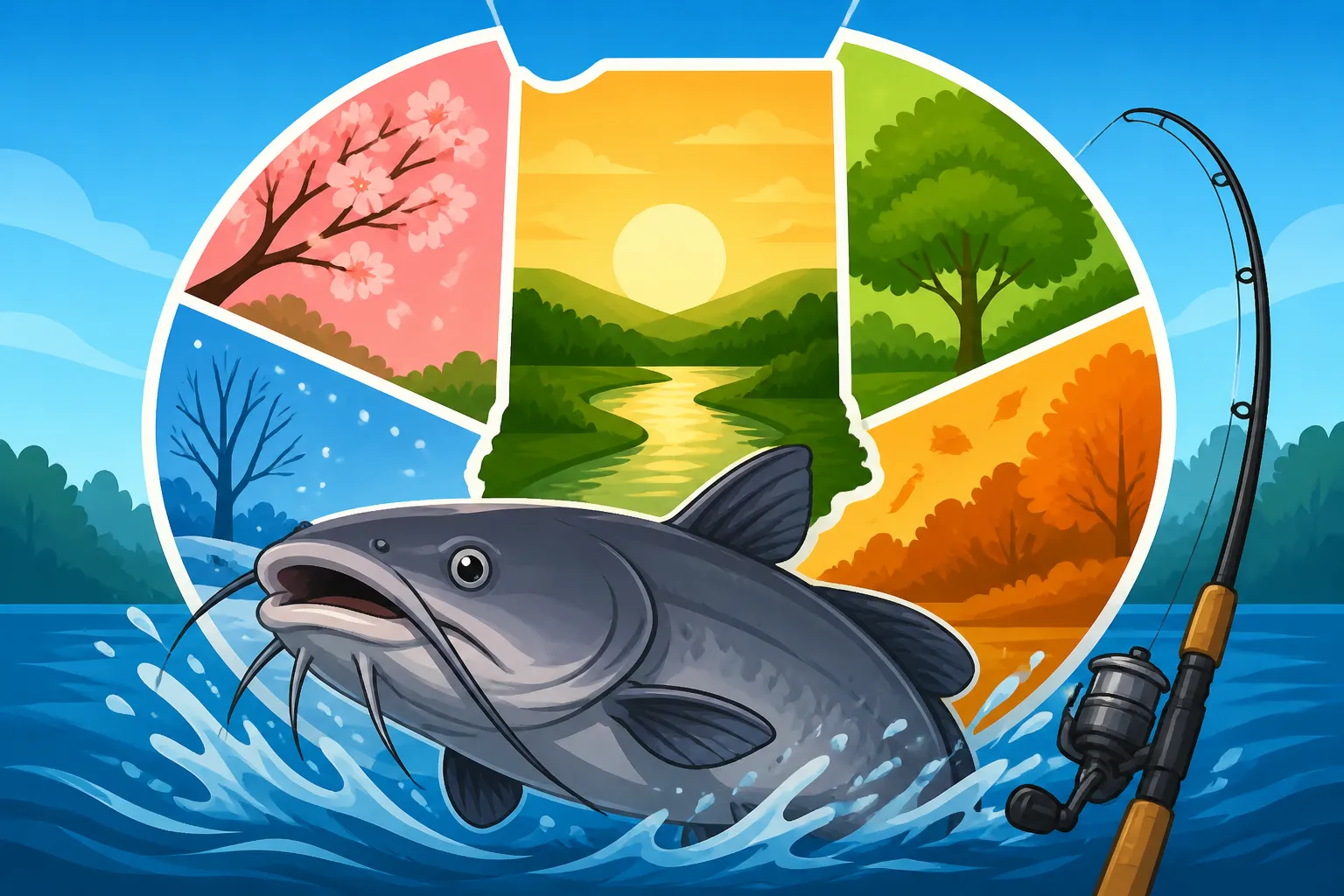
Catfish are fascinating creatures, and like most fish, their behavior is deeply tied to the changing seasons, primarily dictated by water temperature. If you know what they're doing and why, you're halfway to putting them in your cooler. In Indiana, we experience four distinct seasons, each offering unique opportunities and challenges for the dedicated catfish angler.
Spring: Awakening and Pre-Spawn Activity
As the ice retreats and the first hints of warmth touch Indiana's lakes and rivers, catfish begin to stir from their winter slumber. This is a truly exciting time because they're hungry and starting to move more actively. Water temperatures typically hover between 50 and 60 degrees Fahrenheit during this period, signaling to the fish that it's time to fuel up for the upcoming spawn. They'll start cruising shallower flats, creek channels, and the mouths of tributaries where warmer water and new food sources are more prevalent.
During the pre-spawn, catfish are looking for easy meals. Think about areas where smaller baitfish are congregating or where spring rains might be washing worms and insects into the water. This is a fantastic time for targeting larger fish, as they're actively feeding and haven't yet become solely focused on reproduction. A good understanding of Indiana's Fishing Regulations and Bag Limits Guide is crucial as you head out, as rules can vary slightly.
Summer: Prime Time and Night Owls
Summer in Indiana is, without a doubt, the prime season for catfish, particularly the Channel Catfish and Flathead Catfish, and it’s also when you might encounter some truly impressive Blue Catfish in the Ohio River. As water temperatures climb into the 70s and 80s, catfish metabolism skyrockates, making them incredibly active and aggressive feeders. This is when you can really put some numbers in the boat, or from the bank, if you know where to look.
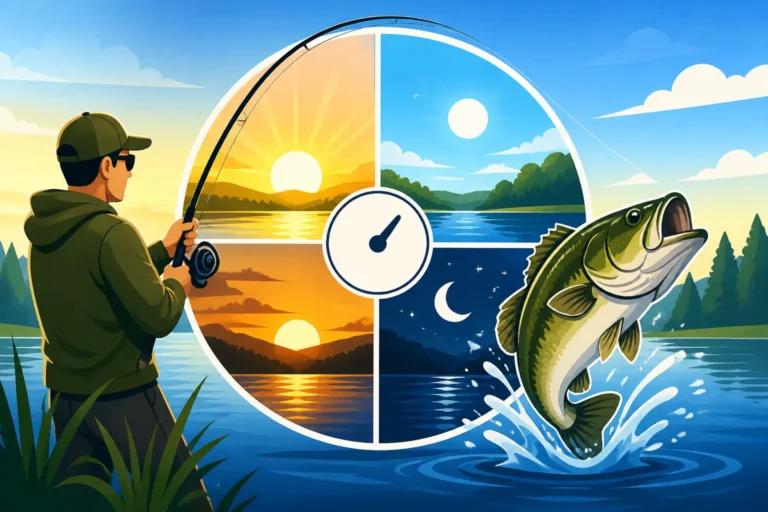
During the heat of the day, especially when the sun is high, catfish often retreat to deeper, cooler waters, seeking refuge in river channels, submerged timber, or under shady bank overhangs. However, their activity peaks during low-light conditions. Dawn, dusk, and especially overnight become truly magical times to fish. Many seasoned anglers swear by Night Fishing Techniques for Catfish as the most productive way to consistently catch big cats throughout the warm summer months, especially when they're less pressured by boat traffic and glaring sun.
Fall: Feeding Frenzy Before Winter
As the air gets crisp and Indiana's leaves turn brilliant shades of red and gold, water temperatures start to drop. This change kicks off another excellent period for catfish fishing: the fall feeding frenzy. Just like bears preparing for hibernation, catfish know winter is coming, and they're driven to pack on as much weight as possible. Water temperatures in the fall usually range from the high 60s down to the low 50s, which keeps catfish active and feeding heavily.
You'll find them congregating in deeper holes, channels, and near submerged structures where baitfish are also seeking shelter. This is a time when they are less scattered than in summer but still incredibly aggressive, making them a joy to target. Don't underestimate the potential for a trophy catch during these cooler months as the fish become less selective in their feeding, prioritizing calories over caution.
Winter: Slowing Down, Still Catchable
When winter fully settles over Indiana, and water temperatures plunge below 50 degrees, catfish activity slows considerably. They become lethargic, moving less and feeding less frequently. However, to say you can't catch them would be a disservice to the dedicated winter angler. While not the "best" season in terms of sheer numbers, winter offers a unique challenge and the possibility of catching some truly large, less pressured fish.
During winter, catfish will typically hold in the deepest, most stable water they can find—think main river channels, deep reservoir basins, or large creek holes. They often stack up in these areas, forming dense schools, which means if you find one, you've likely found several. Patience and a more subtle approach become key to enticing a bite when the water is cold.
Optimal Conditions and Water Temperature for Catfish
Understanding how water temperature and other environmental factors influence catfish behavior is paramount to year-round success. Catfish are cold-blooded, meaning their body temperature mirrors their surroundings, directly impacting their metabolism and activity levels.
The Ideal Temperature Range
Generally, the sweet spot for active catfish feeding falls within a fairly broad range. For most species of catfish found in Indiana, particularly Channel Catfish, the ideal water temperature for peak activity is between 65 and 80 degrees Fahrenheit. Within this range, their metabolism is high, they digest food quickly, and they are constantly on the prowl for a meal.
- Below 50°F (Winter): Catfish are sluggish, seek deep holes, and feed sparingly.
- 50-60°F (Early Spring/Late Fall): They become more active, moving into shallower areas to feed as water warms. Pre-spawn activity begins.
- 60-70°F (Late Spring/Early Fall): High activity, often associated with spawning or heavy pre-winter feeding.
- 70-80°F (Summer Peak): Extremely active, feeding aggressively, but may seek deeper, cooler water during the hottest parts of the day.
- Above 80°F (Mid-Summer Heat Waves): Activity might decrease slightly during extreme heat, especially during daylight hours, pushing them to seek cooler, oxygenated water.
Knowing these ranges helps you predict where the fish will be and how aggressively they might strike. For example, during a hot summer day when the surface temp hits 85, you're better off looking for them in the cooler, deeper parts of a lake rather than shallow flats. This kind of nuanced understanding of Water Temperature and Fish Feeding Patterns really sets successful anglers apart.
Effects of Weather Changes
Beyond just the temperature, various weather patterns can dramatically impact catfish activity. They are creatures of habit but are also highly responsive to immediate environmental shifts.
- Cold Fronts: A sudden drop in temperature following a warm spell, often accompanied by clear skies and high pressure, can shut down a bite quickly. Catfish, like many fish, become lethargic and less willing to chase food. During these times, focus on deeper water and present baits slowly and directly.
- Warm Fronts: Conversely, a warming trend with cloudy skies and rising barometric pressure can turn the bite on like a switch. Catfish will often move shallower and feed more aggressively.
- Rain and Storms: While a heavy downpour can muddy waters and make fishing tough, a light rain or the period before a storm front moves in can be fantastic. Rain washes nutrients into the water, stirring up baitfish and insects. The decreased light during cloudy, rainy days also encourages catfish to move into shallower areas where they might not venture during bright sunshine. Just be mindful of safety and severe weather, of course!
- Wind: Wind can be a friend or foe. A gentle breeze can create current, concentrate baitfish, and oxygenate the water, often improving the bite. Strong winds, however, can make boat control difficult and stir up too much sediment, impacting water clarity and making it hard for fish to locate bait.
Understanding these dynamics allows you to adjust your approach. For instance, after a major rain, you might focus your efforts on the mouths of creeks and ditches where runoff creates a current and flushes out food.
Best Baits and Techniques for Each Season
Just as catfish change their behavior with the seasons, so too should your choice of bait and fishing techniques. What works wonders in the heat of summer might barely get a sniff in the dead of winter. Tailoring your approach to the conditions is a critical component of consistently catching catfish in Indiana.
Springtime Bait and Rigging
In spring, as catfish awaken and prepare for their spawn, they're looking for protein-rich, easy meals. Water is often cooler, so strong scent is key to attracting them.
- Cut Bait: Fresh cut bait, especially from oily fish like shad, skipjack herring, or even bluegill, is incredibly effective. The scent trail it leaves in the water is irresistible to hungry catfish. Cut it into chunks about 1-2 inches square, exposing plenty of flesh.
- Worms: Earthworms, particularly nightcrawlers, are a classic spring bait. They mimic natural food sources washed into rivers and lakes by spring rains. A big ball of worms on a hook can be deadly.
- Prepared Baits: Stink baits or dip baits, like those from popular brands you might find on Amazon, can also be very effective, especially for Channel Catfish. Choose a brand with a strong, pungent odor designed to appeal to their keen sense of smell.
- Rigging: A simple bottom rig, like a Santee Cooper rig or a slip sinker rig, works best. Use a 1/0 to 5/0 circle hook, depending on the size of catfish you're targeting. Keep your bait near the bottom in warmer, shallower flats adjacent to deeper channels or in creek mouths. Remember, Best Bait for Channel Catfish in Indiana Rivers often varies by river, so local intel is always valuable!
Summer Hotspots and Lures
Summer is when catfish are most active, and you can get away with a wider variety of baits and techniques. This is truly the Best Season for Catfish Fishing in Indiana in terms of sheer action.
- Live Bait: For Flatheads, live bait is king. A live bluegill, sunfish, or even a small carp, hooked through the back or lips, presented near submerged timber or log jams, is tough to beat. Flatheads are ambush predators, and they prefer live prey.
- Cut Bait (Larger Pieces): For Channel and Blue Catfish, larger chunks of cut bait will continue to produce, especially in deeper channels or current seams. Consider using larger baitfish like carp or shad for bigger blues.
- Prepared Baits: Stink baits are still excellent for Channel Cats, especially in calmer waters. Consider using sponges or bait holders to keep the bait on the hook longer in strong currents.
- Techniques:
- Bottom Fishing: Still the most common. Cast your rig out and let it sit on the bottom. In rivers, target current breaks, deep holes, and eddy areas. In lakes, look for ledges, humps, and submerged timber.
- Drifting: In larger rivers or reservoirs, drifting cut bait or live bait with the current can be incredibly effective, allowing you to cover a lot of water.
- Jug Fishing/Trotlines: These passive methods are popular in summer, especially for those looking to harvest a good number of fish. Always check local regulations before deploying these techniques.
- Hotspots: Focus on deep river bends, log jams, reservoir main lake points, and deeper creek channels. For Channel Catfish Fishing in Indiana: The Complete Guide, these details are broken down further. As mentioned earlier, Night Fishing Techniques for Catfish will often put you on the biggest fish.
Fall Feast: What They're Looking For
In the fall, catfish are aggressively feeding, looking for calorie-dense meals to sustain them through winter. Their metabolism is still high, and they're not as finicky as they might be in colder water.
- Cut Bait: Fresh cut bait, particularly shad or skipjack, remains a top choice. Use slightly larger pieces than in spring, as they are looking for substantial meals.
- Gizzard Shad: If you can get your hands on fresh gizzard shad, either live or cut, they are often irresistible to large Blue and Flathead Catfish in the fall.
- Chicken Liver: A perennial favorite for Channel Cats, chicken liver's strong scent disperses well in cooler water and appeals to their opportunistic nature.
- Techniques: Bottom fishing in deeper holes and along ledges is typically most effective. Catfish will start to congregate in these areas as water temperatures continue to drop. On larger rivers like the Fishing the Wabash River in Indiana, focusing on the outside bends where deeper water and current meet will be key.
Winter Persistence: Patient Approaches
Winter catfishing requires patience and a subtle touch. The fish are less active, so your presentation needs to be almost perfect, and often, you'll need to leave it in place for longer periods.
- Smaller, Scented Baits: While they're not feeding aggressively, they still eat. Smaller pieces of cut bait, strong-smelling prepared baits (often enhanced with a scent attractant), or even shrimp can entice a bite.
- Worms: A small worm on a tiny hook can sometimes trigger a bite from lethargic Channel Cats.
- Techniques: Vertical jigging with a scented soft plastic or a piece of cut bait directly over known wintering holes can work. Otherwise, a tight-line bottom rig, allowing your bait to sit perfectly still on the bottom, is your best bet. Think slow, patient, and precise. You're trying to put the bait right in front of their nose.
Top Catfish Fishing Locations in Indiana by Season
Indiana boasts an impressive array of waters, from vast reservoirs to sprawling river systems, each offering unique opportunities for catfish anglers. Knowing which type of water to target and when can significantly improve your chances.
Spring Spawning Grounds
In spring, as waters warm, catfish begin to move into shallower areas to feed and eventually spawn. Identifying these key locations is crucial.
- River Tributaries and Creek Mouths: These areas warm up faster and are often flush with runoff, bringing in food. Catfish will follow these food sources and warmer water into shallower creek channels.
- Shallow Flats with Structure: Look for shallow flats adjacent to deeper channels in lakes and reservoirs. Submerged brush, old roadbeds, or even emergent vegetation (if present) can hold fish. They'll use these areas to sun themselves and forage.
- Riprap and Rocky Shorelines: These areas absorb and retain heat, warming the water quickly. They also provide cover for baitfish, attracting catfish. Reservoirs like Monroe Lake or Patoka Lake have excellent riprap banks.
- Specific Examples: The lower portions of the Mississinewa River, Tippecanoe River, and White River tributaries are excellent for early spring Channel Catfish. In lakes, focus on the upper ends of arms and coves in places like Brookville Lake or Salamonie Lake.
Summer River Channels and Reservoirs
Summer offers the most diverse opportunities, but finding the fish means understanding their thermal refuges and feeding patterns.
- Deep River Channels: The main channels of the Wabash River, White River, and Ohio River are prime summer grounds for all three major catfish species, especially the larger Blue and Flathead Catfish. These channels provide cooler water and consistent current.
- Submerged Timber and Log Jams: Flathead Catfish are notorious for hiding in these heavy cover areas. Presenting live bait on a heavy-duty rig near these structures is often the only way to get them out.
- Reservoir Main Lake Points and Humps: In larger reservoirs like Lake Monroe or Patoka Lake, catfish will often relate to deep main lake points, submerged humps, and ledges, especially at night. They'll move up onto these structures to feed under the cover of darkness.
- Specific Examples: For trophy Blue Catfish, the Ohio River is unparalleled. The Wabash River near Lafayette and Terre Haute is famous for its large Flathead and Channel Catfish populations. For lakes, look for the deeper sections of Monroe Lake: Indiana's Largest Lake for Bass Fishing (though excellent for catfish too!) and Patoka Lake Fishing Guide for Bass and Crappie for consistent summer action.
Fall River Bends and Deeper Holes
As water cools, catfish begin to consolidate, making them easier to target if you find their fall staging areas.
- Outside Bends of Rivers: Current dynamics create deeper scour holes on the outside bends of rivers. These become prime gathering spots for catfish preparing for winter.
- Deep Pools Below Dams and Riffles: The turbulent, oxygenated water below dams or significant riffles can concentrate catfish in the deeper pools, as these spots remain productive feeding zones.
- Reservoir Basin and Old Creek Channels: In reservoirs, focus on the deepest parts of the main basin or the original creek and river channels that were inundated when the lake was formed. Catfish will start to stack up in these areas.
- Specific Examples: The deeper stretches of the Wabash River, particularly south of Lafayette, are excellent for fall catfishing. The St. Joseph River also holds good numbers of catfish in its deeper pools.
Essential Gear for Year-Round Catfish Angling
Having the right tools for the job can make a world of difference when targeting catfish, especially when conditions change with the seasons. You don't need to break the bank, but investing in reliable, species-appropriate gear is smart.
Rods, Reels, and Line for Various Conditions
Catfish are strong fighters, so your tackle needs to be robust enough to handle them, whether you're battling a feisty Channel Cat or a monstrous Flathead.
- Rods:
- Medium-Heavy to Heavy Action: For most catfish situations in Indiana, a 7-foot to 9-foot rod with a medium-heavy to heavy action is ideal. This provides the backbone needed to cast heavy baits and battle big fish. Look for durable, graphite or composite blanks.
- Rod Power for Different Species: For Channel Cats and smaller Flatheads, a medium-heavy rod is sufficient. For larger Flatheads and Blue Catfish, especially in strong current, you'll want a heavy or even extra-heavy action rod. Brands like Ugly Stik are popular for their durability and affordability, often available on Amazon.
- Specific Recommendations: For river fishing, a longer rod (8-9 feet) helps with casting distance and managing line in current. Check out Best Catfish Rods for Indiana Rivers for more specific models.
- Reels:
- Baitcasting Reels: For serious catfishing, especially with heavy line and big baits, a durable baitcasting reel with a strong drag system is preferred. Brands like Abu Garcia or Penn offer robust options. Ensure it has a good line capacity.
- Spinning Reels: For lighter Channel Catfish setups or if you prefer spinning gear, a larger, robust spinning reel (size 5000 or 6000 and up) with a smooth drag can work. It won't have the same torque as a conventional baitcaster, but it's easier for beginners.
- Line:
- Monofilament: A classic choice, 15-30 lb test monofilament is forgiving and offers good abrasion resistance. It's a great all-around choice.
- Braided Line: For heavy cover, strong currents, or targeting trophy cats, 50-80 lb braided line is superior. Its no-stretch properties give you incredible sensitivity and hook-setting power. Always use a leader with braid to prevent fish from seeing the line and for abrasion resistance.
- Leader Material: 30-80 lb fluorocarbon or heavy monofilament leader material is crucial. Fluorocarbon is nearly invisible underwater, and both offer good abrasion resistance against rough catfish mouths and submerged structures.
- Rigs: Understanding Best Rigs for Catfish Fishing in the Wabash River or other waters is key. Slip sinker rigs are versatile, while Santee Cooper rigs keep your bait slightly off the bottom, which can be great in muddy conditions.
Must-Have Accessories for Catfishing Success
Beyond the rod and reel, a few essential accessories can make your catfishing trips safer, more efficient, and more enjoyable.
- Hooks: A variety of strong, sharp hooks is non-negotiable. Circle hooks (2/0 to 8/0) are excellent for their self-setting nature and tendency to hook fish in the corner of the mouth, reducing gut hooking. Kahle hooks and J-hooks are also popular. Always match hook size to your bait and target species.
- Sinkers: A range of sinker weights (from 1/2 oz to 4 oz or more) is needed to hold your bait on the bottom in various currents or depths. Egg sinkers, pyramid sinkers, and flat-bottom sinkers are common.
- Pliers/Forceps: Catfish have powerful jaws and often swallow hooks deep. A good pair of long-nosed pliers or fishing forceps is essential for hook removal, protecting both you and the fish.
- Heavy Gloves: Those dorsal and pectoral fins are sharp! Heavy-duty gloves, such as those designed for handling fish or even gardening gloves, can prevent painful pokes when handling catfish.
- Large Net or Grips: A large, sturdy landing net with a rubberized mesh (to protect the fish) is crucial for safely landing bigger catfish. Alternatively, a pair of lip grippers can help control large fish without putting your hands near their sharp fins. Brands like Berkley or Rapala offer reliable options.
- Headlamp or Lantern: If you're out past dusk (and you should be, especially in summer!), a reliable light source is critical. A headlamp keeps your hands free, and a lantern can illuminate your general fishing area.
- Cooler: For keeping your catch fresh, a good cooler with plenty of ice is a must. If you're fishing for table fare, quickly getting your fish on ice preserves their quality.
- First Aid Kit: Accidents happen. A basic first aid kit with bandages, antiseptic wipes, and pain relievers is a smart addition to any tackle box or boat.
- Bug Spray: Especially during spring and summer evenings, mosquitoes and other biting insects can be relentless. Don't forget the bug spray, a simple item you can easily grab from Amazon.
- Measuring Tape/Scale: If you plan on keeping fish or documenting your catches, a measuring tape and a small portable scale are handy. Always be aware of Indiana Fishing Regulations and Bag Limits Guide for species-specific rules.
This comprehensive approach to gear ensures you're prepared for whatever Indiana's waters and its formidable catfish can throw at you, regardless of the season.
Seasonal Catfish Fishing Overview
To give you a quick reference, here's a table summarizing the key aspects of catfish fishing throughout Indiana's seasons.
| Season | Typical Water Temp Range | Catfish Activity Level | Preferred Locations | Best Baits | Key Techniques | Tips |
|---|---|---|---|---|---|---|
| Spring | 50-60°F | Increasing (Pre-spawn) | Shallow flats near deep water, creek mouths, riprap | Cut bait (shad, bluegill), worms, some stink bait | Bottom fishing, slowly drifting | Focus on warming water. Fish shallower than summer but deeper than winter. Look for baitfish activity. |
| Summer | 70-80°F | Very High (Peak) | Deep river channels, submerged timber, main lake points, structure | Live bait (flatheads), cut bait, strong stink baits | Bottom fishing, drifting, jugging/trotlining (check regs), night fishing | Prime time for all species. Fish deep during the day, shallower at dawn/dusk/night. Target current breaks in rivers. |
| Fall | 60-50°F | High (Feeding frenzy) | Deep holes, river bends, reservoir basins | Cut bait (shad, carp), chicken liver, gizzard shad | Bottom fishing, targeting consolidated fish | Catfish are fattening up for winter. Look for fish congregating in deeper areas. Often less scattered than summer. |
| Winter | Below 50°F | Low (Lethargic) | Deepest river channels, reservoir basins, deep holes | Smaller cut bait, shrimp, strong prepared baits | Vertical jigging, subtle bottom presentations | Patience is key. Fish slowly and directly in known wintering holes. If you find one, there are likely more. |
Disclaimer
Fishing regulations can change, and it's always the angler's responsibility to stay informed. Please consult the most current Indiana Department of Natural Resources (DNR) fishing guide before heading out on the water to ensure compliance with all licensing, size, and bag limit requirements.