How to Fish Topwater Lures for Bass at Dawn
There's nothing quite like the anticipation of a new fishing day, especially when you've dragged yourself out of bed before the sun even thinks about peeking over the horizon. But let's be honest, getting up that early can feel like a real chore if you're not seeing results. You're probably wondering if all that effort is truly worth it, or if you're missing some secret trick to make those early morning topwater bites happen. This guide is going to walk you through exactly how to effectively fish topwater lures for bass during those magical dawn hours in Indiana, helping you turn those groggy mornings into exhilarating catches.
Why Dawn is the Absolute Prime Time for Topwater Bass
The first light of day isn't just beautiful; it's a critical window for bass activity, especially when it comes to topwater fishing. Many anglers miss out because they don't understand the "why" behind this phenomenon. It's not just folklore; there are several scientific and behavioral reasons why bass are more willing to smash a surface lure in the early hours.
The Low-Light Advantage
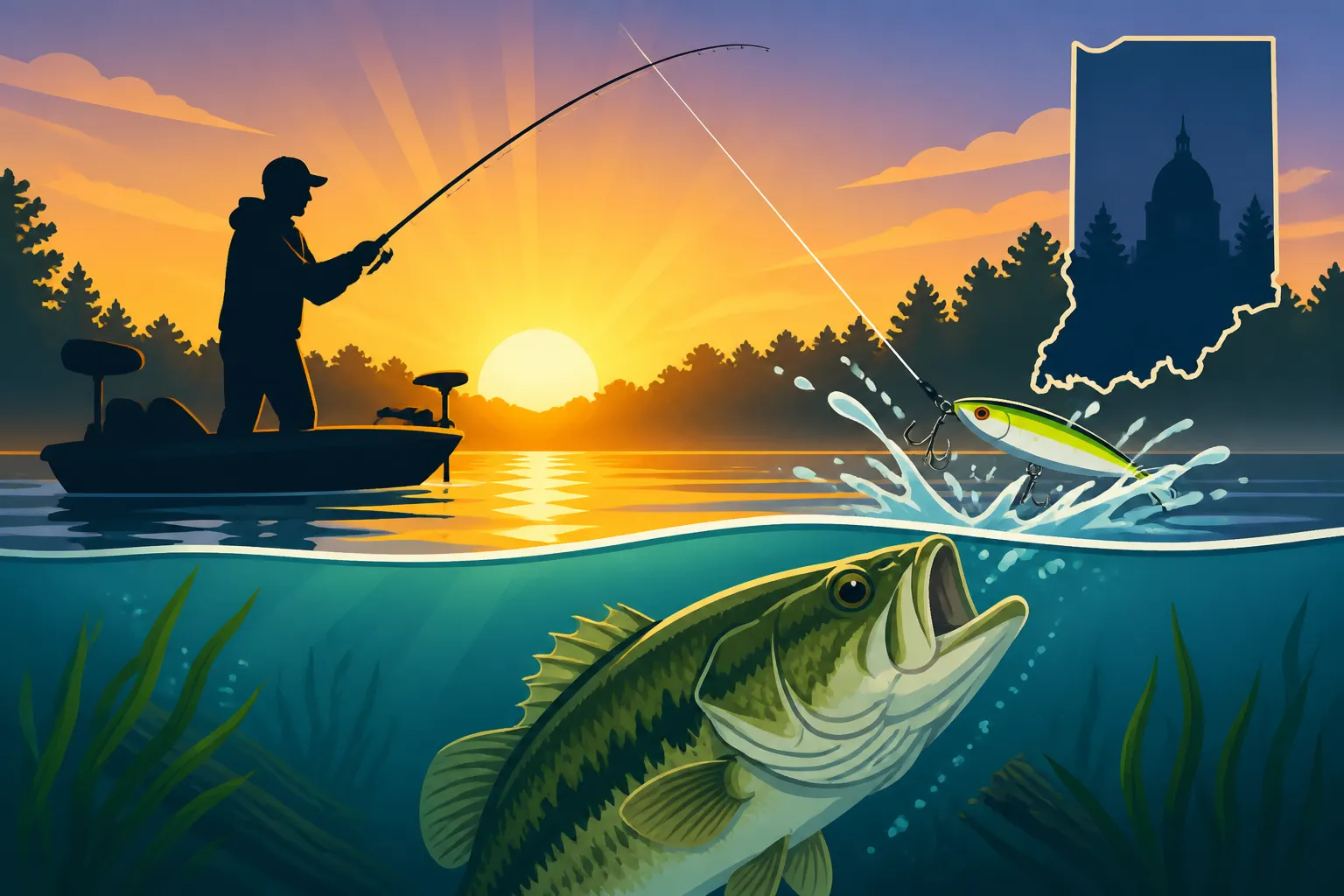
Bass, whether we're talking about chunky largemouth or feisty smallmouth, are ambush predators, and their eyes are incredibly well-adapted for low-light conditions. As the sun begins to creep up, but before it truly dominates the sky, the water's surface provides a natural camouflage for these predators. They can see prey silhouetted against the slightly brighter surface, while anything looking up at them struggles to make out their form in the dim light. This gives them a significant hunting advantage, making them more confident to strike.
Think about it: have you ever tried to spot something dark against a bright background? It’s tough. Now imagine that from underwater. A bass beneath a popping frog or a walking bait sees a clear, easy target. As the sun climbs higher, the light penetrates the water more deeply, reducing this advantage and often driving bass deeper or into denser cover where they feel more secure. This is why those first few hours after sunrise are so critical. It’s also often a time of less boat traffic and human disturbance, which can make bass feel more at ease.
Cooler Water Temperatures and Increased Activity
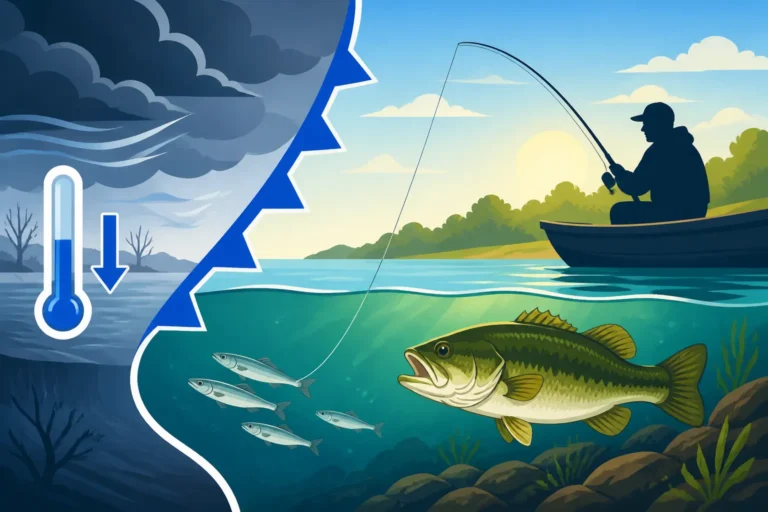
Beyond the light, temperature plays a huge role. Even on a hot Indiana summer day, the water temperature at dawn is usually at its coolest point. Bass, like most fish, are cold-blooded creatures, and their metabolism is directly affected by water temperature. As the water warms throughout the day, especially in shallow areas where topwater lures are most effective, bass can become lethargic and less inclined to chase fast-moving baits.
In contrast, the cooler water of dawn invigorates them. Their metabolism is often at a peak, making them more active and willing to expend energy chasing down a meal. This increased activity extends to their prey too—minnows, frogs, and insects are often more active near the surface in the cool morning air, drawing the bass up to feed. Understanding the optimal Best Water Temperature for Bass Fishing in Indiana can really help you pinpoint when and where to focus your efforts for maximum success. This natural feeding window, coupled with the low-light advantage, creates the perfect storm for explosive topwater action.
Choosing the Right Topwater Lures for Dawn Success
Walking into a tackle shop or browsing on Amazon, the sheer number of topwater lures can be overwhelming. Poppers, walkers, prop baits, frogs—how do you choose? It often feels like you need one of everything, but for dawn bass fishing in Indiana, a few key types stand out. Selecting the right lure isn't just about color; it's about action, sound, and how it imitates the natural prey bass are targeting.
Poppers and Chuggers
These are classic topwater lures, and for good reason. Poppers have a cupped face that "chugs" or "pops" water when retrieved, creating a distinct splashing sound that mimics a struggling baitfish or a frog jumping into the water. This sound and splash are incredibly effective at drawing bass from cover, especially in calm, low-light conditions.
- When to use them: Poppers shine in calm water, around docks, lily pads, or submerged timber. The key is to work them slowly. Cast near cover, let the ripples dissipate, then give it a gentle twitch or pop. Pause. Twitch again. The "pop-and-pause" technique is deadly.
- Key features: Look for poppers with a good feathered or bucktail treble hook on the rear, as this often gives bass a target and helps convert short strikes into hook-ups. Colors aren't as critical as action and sound in low light, but natural patterns like frog, perch, or shad can be effective. Popular brands often have a range of sizes, from smaller ones for calmer waters to larger, more aggressive poppers for covering more ground or making more commotion.
Walking Baits (Stickbaits)
Walking baits, often called stickbaits, are designed to perform a "walk-the-dog" retrieve—a side-to-side gliding action that perfectly imitates a wounded baitfish struggling on the surface. Unlike poppers, they create less splash but a more subtle, consistent commotion. This makes them ideal for slightly less aggressive fish or in areas where a strong splash might spook them.
- When to use them: These lures are fantastic for covering open water, points, flats, and edges of weed lines where bass might be actively cruising. The trick is to develop a rhythmic twitching motion with your rod tip while reeling in slack, making the lure glide from side to side. It takes practice, but once you get it, it's incredibly effective.
- Key features: Size matters here. Smaller walking baits are great for clear water or finicky fish, while larger ones can draw big bass from deeper water. Colors again are secondary to action, but translucent or natural baitfish patterns often work well. Many anglers swear by the Heddon Super Spook or Zara Spook for their legendary "walk-the-dog" action.
Prop Baits
Prop baits are a hybrid, combining the body of a stickbait with small propellers at one or both ends. These propellers churn water, creating a buzzing sound and a subtle ripple that can be irresistible to bass. They offer a bit of the splash of a popper with the continuous action of a walking bait.
- When to use them: These lures excel when bass are keying in on smaller baitfish or insects creating a disturbance on the surface. They can be retrieved steadily or with a stop-and-go action. They’re excellent for fishing over submerged grass or shallow flats.
- Key features: The size and number of propellers (single or double) can vary, affecting the amount of commotion. Look for models that cast well, as covering water is often important with prop baits.
Hollow-Bodied Frogs and Toads
When you're fishing in heavy cover—think lily pads, thick matted grass, or dense slop—hollow-bodied frogs and toads are your best friends. These lures are designed to be weedless, allowing you to cast them right into the thick stuff where bass love to hide.
- When to use them: Frogs are perfect for punching through vegetation. Work them with short twitches and pauses, letting them sit on top of the mat, then making them "walk" or "jump" across open pockets. The key is patience; bass often take their time to evaluate a frog before exploding on it.
- Key features: A soft, collapsible body for easy hook sets and strong, upward-pointing double hooks are essential. Colors like green, brown, or black are classic frog patterns. The Spro Bronzeye Frog is a popular choice among many Indiana anglers for its durability and effectiveness.
Essential Gear for Dawn Topwater Fishing
Having the right tackle can make all the difference when those bass decide to strike. A poor setup can lead to missed hook sets, lost fish, and a whole lot of frustration. Investing in appropriate gear is crucial, especially when you're targeting aggressive topwater bites. When you're thinking about What Gear Do You Need to Start Bass Fishing?, remember that topwater fishing has some specific requirements.
Rod and Reel Choices
For most topwater applications, you'll want a medium-heavy to heavy power rod with a fast action. This provides the backbone needed to cast heavier lures, set the hook effectively through a bass's bony mouth, and pull fish out of cover.
- Rod Length: A 6'6" to 7'3" rod is generally ideal. Shorter rods (6'6" to 7') offer better accuracy for pinpoint casting around cover, while longer rods (7' to 7'3") provide longer casting distance, which can be an advantage when covering open water with walking baits.
- Action: A fast action means the rod bends mostly in the top third, which gives you the responsiveness needed for working topwater lures with precise twitches and movements.
- Baitcasting vs. Spinning: A baitcasting setup is typically preferred for topwater fishing, especially with heavier lures and braid. It offers better casting control, power, and line capacity. However, if you're throwing lighter poppers or prop baits, or prefer a spinning setup, a medium-heavy spinning rod with a fast action can work. For specific recommendations, check out a guide on Best Rods and Reels for Indiana Largemouth Bass.
Line Selection: Monofilament, Fluorocarbon, or Braid?
Your choice of fishing line is critical for topwater success. Each type has its advantages and disadvantages.
- Monofilament (Mono): Mono is a good all-around choice for topwater. Its natural stretch acts as a shock absorber, which can prevent bass from tearing free during aggressive strikes. It also floats, which is a huge advantage for topwater lures, ensuring they stay on the surface and don't get pulled under prematurely. A 12-17 lb test mono is generally suitable.
- Braided Line: Braid is a favorite among many topwater anglers, especially when fishing frogs in heavy cover. It has virtually no stretch, providing direct contact with your lure and maximum power for hook sets, even at a distance. It also floats and is incredibly strong for its diameter, allowing you to cut through weeds with ease. The downside is its visibility in clear water, and its lack of stretch can sometimes cause lures to "blow out" of the water on a violent strike. Use 30-50 lb test braid. Consider tying a short (1-2 foot) monofilament or fluorocarbon leader if you're concerned about visibility in very clear water.
- Fluorocarbon: Generally, fluorocarbon is NOT recommended for topwater main lines because it sinks. This can pull your topwater lure under the surface, ruining its action. However, a short fluorocarbon leader (1-2 feet) tied to braid can be useful in clear water for stealth, as long as it doesn't negatively impact the lure's floatation.
Mastering Topwater Presentation Techniques
Getting a bass to commit to a topwater strike is one of the most exciting experiences in fishing. But it's not always about bombarding the water with splashes. The presentation—how you work your lure—is just as important as the lure itself. Different lures require different retrieves, and adjusting your technique to the conditions is key.
The "Walk-the-Dog" Retrieve for Stickbaits
This is arguably the most iconic topwater retrieve and a must-master technique for walking baits. It creates a zig-zagging, gliding motion that perfectly imitates a distressed baitfish.
- Cast: Make a precise cast to your target, whether it's a weed line, a dock, or a piece of submerged timber.
- Slack: Let the lure sit for a moment until the ripples dissipate. Then, point your rod tip down towards the water (around 10 o'clock position).
- Twitch and Reel: Give a sharp, downward twitch of the rod tip, then immediately reel in the slack line. As you reel, the lure will dart to one side.
- Repeat: Repeat the twitch, reel, twitch, reel motion. The key is to establish a rhythm where the lure continuously glides from side to side without stopping. It takes practice to get the timing right, but once you do, it becomes second nature.
- Patience: Often, bass will strike when the lure pauses or changes direction. Don't be too quick to set the hook; feel the weight of the fish before sweeping the rod.
The "Pop-and-Pause" for Poppers
Poppers are all about creating commotion and then letting the lure sit, inviting a curious bass to inspect. This is a very effective technique for drawing fish out of heavy cover.
- Target Cast: Cast your popper as close as possible to cover – lily pads, submerged logs, or dense weed beds.
- Ripples Dissipate: Let the lure sit motionless until the ripples from the cast disappear. This is crucial. Many strikes happen before you even move the lure.
- Pop: Give a sharp downward snap of the rod tip, causing the popper's cupped face to "chug" or "pop" water.
- Pause: Let the lure sit again, sometimes for 5-10 seconds, even longer if you have the patience! The pause is often when the bass decides to strike.
- Vary: Experiment with the strength of your pops and the duration of your pauses. Sometimes subtle twitches are better, other times an aggressive splash is needed to call them in.
Working Frogs Through Heavy Cover
Fishing hollow-bodied frogs isn't just about casting and reeling; it's about navigating obstacles and enticing strikes from hidden bass.
- Pinpoint Accuracy: Cast your frog directly onto or just beyond dense mats of vegetation, lily pads, or thick grass.
- Drag and Twitch: Slowly drag the frog over the vegetation. When you hit an open pocket or a break in the cover, give the frog a series of short twitches, making it walk or jump across the surface of the water.
- Hold On! Bass often explode on frogs with incredible force. When you get a strike, resist the urge to set the hook immediately. Wait a moment, feel the weight of the fish, and then set the hook hard with a sweeping motion, often pulling the rod sideways rather than straight up to ensure the hooks penetrate. This delay allows the bass to fully engulf the lure, greatly increasing your hook-up ratio.
- Heavy Gear: Remember, this is where that heavy rod and braided line really earn their keep, helping you pull bass out of the thickest slop.
Reading the Water for Early Morning Bass Success
You can have the best lure and technique, but if you're fishing in the wrong spot, you won't catch anything. Dawn topwater fishing isn't just about throwing a lure; it's about understanding where bass will be and why. Learning to "read" the water and identify prime ambush points is a skill that comes with experience, but there are some universal indicators that will give you an edge. When planning your trips, remember to check out resources like Best Fishing Lakes in Indiana to get a head start on promising locations.
Identifying Key Structural Elements
Bass love structure, especially during low light, because it provides cover for ambush and often holds baitfish. At dawn, look for:
- Shoreline Cover: Overhanging trees, bushes, boat docks, and fallen timber along the banks are prime spots. Bass will patrol these areas, waiting for an easy meal to fall into the water or swim by. Cast your topwater lure right up against the cover, almost touching it, and work it out slowly.
- Vegetation Edges: Look for changes in vegetation—where lily pads meet open water, or where a thick weed bed breaks into a sparse one. These "edges" are highways for baitfish and excellent ambush points for bass. Hollow-bodied frogs excel in these areas.
- Points and Humps: Submerged points or humps, especially those extending from the shoreline, act as natural congregation areas for baitfish and predators. Bass will sit on the sides or tops of these structures, waiting for prey to pass over. Walking baits are great for covering these areas.
- Riprap and Rocks: Rocky shorelines or riprap offer cracks and crevices for crayfish and baitfish, which in turn attract bass. These areas heat up quickly during the day, but at dawn, they can be phenomenal.
Observing Baitfish and Bass Activity
The most obvious sign of a good fishing spot is visible activity. Don't just cast blindly; observe the water around you.
- Surface Disturbances: Look for nervous baitfish skipping across the surface, indicating a predator nearby. Keep an eye out for actual bass chasing bait, creating splashes or swirls. These are clear signs to cast your topwater lure into the commotion immediately.
- Insect Activity: The presence of hatching insects or frogs jumping into the water can attract bass looking for an easy meal. This is particularly true in calmer coves or backwaters.
- Water Clarity: In Indiana, water clarity can vary greatly from lake to lake. Generally, topwater baits perform well in slightly stained to clear water. In extremely clear water, bass can be spookier, so a more subtle presentation might be required. In very muddy water, bass rely more on their lateral line, so lures with more vibration and sound might be more effective.
Remember that Indiana Bass Spawn Timing and Pre-Spawn Patterns can also influence where bass are located and how aggressively they feed. After the spawn, bass often move to shallower, post-spawn feeding areas where topwater lures can be incredibly effective. Even if you're just fishing How to Catch Bass from the Bank, paying attention to these details will drastically improve your success.
Advanced Tips for Consistent Dawn Topwater Bites
Even with the right gear and techniques, consistency is what every angler strives for. Moving beyond the basics means fine-tuning your approach, adapting to changing conditions, and learning from every cast.
Varying Your Retrieve Speed and Pause Length
One of the biggest mistakes anglers make is using a robotic, consistent retrieve. Bass are intelligent, and they've seen every trick in the book. The key to consistent topwater success is to constantly vary your retrieve.
- Mix it Up: Don't stick to a rigid "pop-pop-pause" or "walk-walk-walk." Try a rapid series of pops, followed by a long pause. Or, speed up your "walk-the-dog" for a few feet, then slow it down dramatically.
- Read the Fish: Pay attention to how the bass are reacting. If they're blowing up on your lure but not getting hooked, try a longer pause. If they're following but not committing, speed up the retrieve or try a more erratic action. Sometimes, a completely dead stick (letting the lure sit motionless for an extended period) is what triggers the strike.
- Experiment: If one type of topwater isn't working, switch to another. If poppers aren't getting bit, try a walking bait. Perhaps the bass are keying in on a more subtle action today. Having a variety of lures, readily accessible in your tackle box, purchased perhaps conveniently through Amazon, allows for quick adjustments.
Understanding the Impact of Weather and Pressure
Early morning conditions aren't always ideal, and bass behavior can be heavily influenced by recent weather and fishing pressure.
- Cloud Cover: Overcast skies can extend the prime topwater bite well past actual sunrise, as the low-light conditions persist longer. These are often some of the best days for topwater.
- Post-Front Conditions: After a cold front, bass can become much more lethargic and finicky. In these situations, a slow, deliberate retrieve with very long pauses is often the most effective. Sometimes, a more subtle prop bait or a smaller popper is the trick. For more on this, look into Best Bass Fishing Techniques for Post-Spawn, as bass often exhibit similar finicky behavior then.
- Fishing Pressure: Heavily fished lakes or popular spots will often see bass that are warier of loud splashes and predictable retrieves. Here, a quieter approach with walking baits or smaller poppers, combined with longer casts to avoid spooking the fish, can make a difference. Early morning is often less crowded, giving you an advantage.
The Importance of Hook Set and Follow-Up
The strike on a topwater lure is exhilarating, but getting the fish into the boat is the real challenge. Many anglers miss fish due to premature hook sets or not being ready for a follow-up.
- Wait for the Weight: When a bass blows up on your lure, it's natural to immediately snatch the rod. Resist! Instead, wait until you feel the weight of the fish on your line. Often, they miss the lure on the first swipe and need a moment to fully engulf it. Once you feel the fish, then sweep the rod hard to the side to set the hook.
- Have a Plan B: If a bass strikes and misses, keep your lure in the water. Sometimes, they'll come back for a second try. If they don't, have a follow-up bait ready. A weightless fluke or a soft plastic jerkbait, retrieved quickly to the area of the strike, can often entice the bass to bite again, thinking it's the injured baitfish from before. Having these readily available from a reputable online retailer like Amazon ensures you're prepared for any scenario.
Mastering the art of topwater fishing at dawn takes time and patience, but the rewards are well worth the effort. There's truly nothing like the explosion of a bass on the surface, especially when you've earned it by understanding their behavior and presenting your lure perfectly.
Essential Topwater Lures for Your Indiana Tackle Box
To help you get started or refine your current setup, here's a quick look at some key topwater lure types and when to deploy them during those golden dawn hours.
| Lure Type | Best Conditions | Retrieve Style | Target Areas | Bass Behavior |
|---|---|---|---|---|
| Popper/Chugger | Calm water, low wind, around dense cover | Pop-pop-pause, erratic twitches | Docks, lily pads, fallen trees | Aggressive, reacting to sound and splash |
| Walking Bait | Open water, shallow flats, along weed lines | "Walk-the-dog" (side-to-side glide) | Points, creek channels, schooling fish | Active, cruising, looking for baitfish |
| Prop Bait | Slightly ripple water, subtle surface activity | Steady retrieve, stop-and-go, light twitches | Over submerged grass, open pockets | Curious, attracted to buzzing and ripples |
| Hollow-Body Frog | Thick matted vegetation, heavy slop, lily pads | Slow drag, twitch-and-pause across mats | Dense weeds, thick cover | Ambush predator, hiding in vegetation |
This table provides a quick reference, but remember that experimentation is key. Sometimes a bass will hit a popper in open water, or a walking bait through sparse weeds. The fish will tell you what they want!
Disclaimer
Fishing regulations and conditions can change. Always consult the latest Indiana Department of Natural Resources (IDNR) guidelines for current licensing requirements, bag limits, and any specific rules for the waters you plan to fish. This guide is for informational purposes only and should not replace official regulations or expert advice. Be safe and practice ethical angling.