Best Bass Fishing Techniques for Post-Spawn
After the thrill of the spring spawn, when those big bass were aggressively protecting their beds and seemed almost eager to strike anything that came near, you might feel like they've simply vanished into thin air. It’s a common frustration for many Indiana anglers – one day they’re everywhere, the next you’re left wondering where they went. But don't worry, they haven't disappeared for good! This guide will walk you through the very best bass fishing techniques for the post-spawn period, helping you understand where these fish go, what they're looking for, and how to consistently put them in the boat as they recover and transition into their summer patterns.
Understanding Post-Spawn Bass Behavior
The post-spawn period can feel like a real puzzle, but once you understand what's driving bass behavior, it starts to make a lot more sense. Think about it: these fish have just expended an incredible amount of energy building nests, spawning, and guarding their fry. They're tired, often a bit beat up, and their priorities shift dramatically from reproduction to recovery and refueling.
The Immediate Aftermath: Recovery Mode
Right after the spawn, both male and female bass are typically exhausted. The males, who’ve been diligently guarding the nest and fry, might hang around for a short while longer, but their vigilance quickly wanes. The females, having dropped their eggs, usually move off the beds almost immediately. This is often when anglers experience that sudden drop in bites. The bass aren't gone; they're simply in a recovery phase. They'll often seek out nearby cover in slightly deeper water, maybe a submerged log, a brush pile, or the cooler shade of a dock, just to rest and recuperate. They're still feeding, but it's not the aggressive, territorial striking you saw during the spawn. You might catch one or two if you present a bait right to their face, but they're not actively chasing.
It's important to differentiate this period from the pre-spawn frenzy, which is covered in detail in our article, "Indiana Bass Spawn Timing and Pre-Spawn Patterns". Understanding that transition is key to adapting your approach.
The Transition to Summer: Refueling and Schooling
As they regain their strength, bass transition into a heavy feeding period, often moving to deeper structure or congregating in schools. This is when they start to put on weight again, preparing for the full swing of summer. They're looking for easy meals and will often relate to specific types of structure that provide both food and cover. This can include:
- Outside Weed Lines: The edges of submerged vegetation offer ambush points and hold baitfish.
- Deep Ledges and Drop-offs: These areas provide quick access to varying depths and cooler water, especially as surface temperatures rise.
- Humps and Points: Submerged humps or points extending into the lake act as highways and feeding stations for schooling bass.
- Standing Timber or Brush Piles: These provide excellent cover and concentrate baitfish.
The bass are no longer scattered in shallow spawning areas. They've regrouped, and finding those key structures is paramount to consistent success. Our comprehensive guide, "Largemouth Bass Fishing in Indiana: The Complete Guide", offers more insights into their overall lifecycle and habits in Indiana waters.
Top Techniques for Post-Spawn Bass
Once you understand the bass's post-spawn mindset, you can choose techniques that specifically target their new locations and feeding habits. It's all about presenting baits where they are and in a way that appeals to a recovering, hungry fish.
Working the Edges: Crankbaits and Spinnerbaits
As bass move off the beds and start their recovery, they often relate to the first available cover in slightly deeper water. This makes crankbaits and spinnerbaits incredibly effective for covering water and triggering reaction strikes.
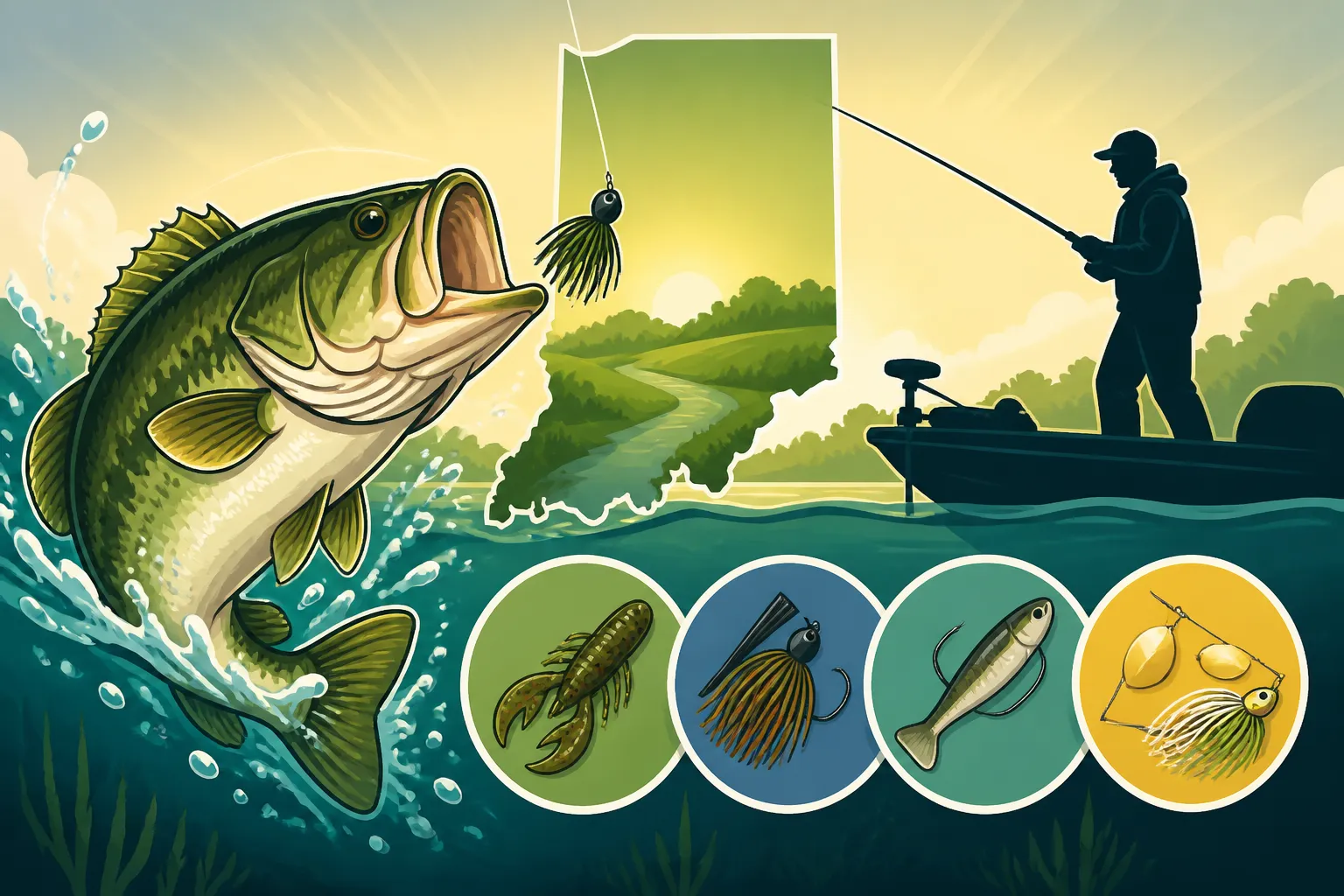
- Crankbaits: Deep-diving crankbaits are fantastic for exploring ledges, creek channels, and the deeper sides of points where bass might be staging. Look for models that dive to the depth where you expect the bass to be. For example, if you're fishing a breakline that drops from 8 to 15 feet, choose a crankbait designed to run in that 10-14 foot range. The deflections off timber or rock will often trigger a strike from a hesitant bass. Medium-diving crankbaits are great for outside weed lines or around submerged timber in moderate depths. You can find a huge selection of effective crankbaits on Amazon, making it easy to stock up on different dive depths and colors.
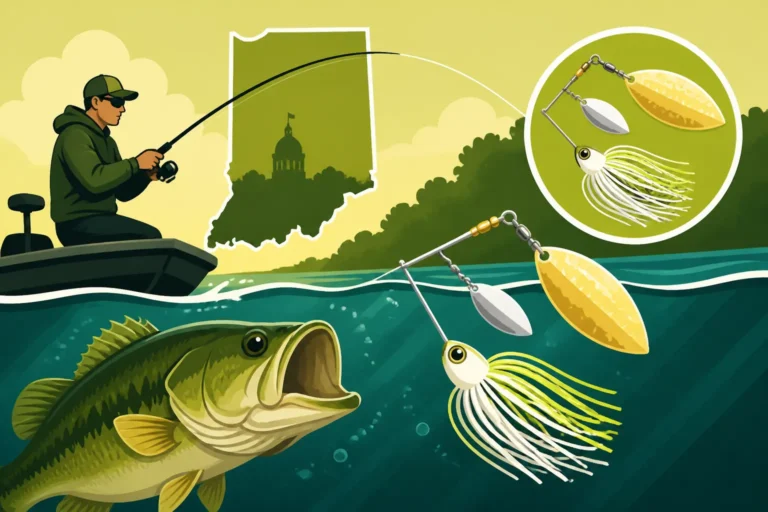
- Spinnerbaits: While often thought of as a pre-spawn lure, spinnerbaits still shine in post-spawn, especially for targeting outside weed edges or scattered cover where bass might be ambushing baitfish. The flash and vibration can draw strikes from fish that are actively hunting. Try slower retrieves and let the blades helicopter down near cover. This can imitate a stunned baitfish, which is an easy meal for a recovering bass.
Finesse and Patience: Jigs and Worms
When bass are still in that immediate recovery phase or are holding tight to cover, slower, more methodical presentations often outperform faster moving baits. This is where jigs and soft plastics, like Texas-rigged worms or creature baits, truly excel.
- Jigs: A jig, paired with a craw or creature trailer, is a fantastic choice for probing brush piles, submerged logs, and rock piles. The slow fall and subtle action are irresistible to bass that aren't willing to chase a fast-moving lure. Pitch or flip your jig into heavy cover and work it slowly along the bottom, feeling for any subtle ticks or weight changes. A common scenario is fishing around isolated pieces of cover, such as a single stump on a flat, where a recovering bass might be hiding. Our guide, "How to Rig a Jig for Largemouth Bass", offers step-by-step instructions.
- Soft Plastics: Texas-rigged worms, creature baits, or even Neko rigs are excellent for tempting finicky post-spawn bass. These baits offer a natural look and feel, and their subtle action can coax strikes from inactive fish. Try a 7-inch worm in green pumpkin or junebug colors around boat docks, submerged timber, or along contours. The weight of the Texas rig allows you to penetrate heavy cover without snagging, making it a perfect choice for targeting those hard-to-reach bass.
Topwater Excitement: Early Morning and Evening
While not always the first choice, don't overlook topwater baits during the post-spawn, especially during low-light conditions like early morning or late evening. As bass begin to feed more aggressively, they will often key in on baitfish or frogs near the surface.
- Poppers and Walk-the-Dogs: Lures like poppers, with their subtle splashes, or walk-the-dog style baits, which glide enticingly across the surface, can generate explosive strikes. Target these around shallow grass beds adjacent to deeper water, along seawalls, or near isolated cover. The key is often patience and varying your retrieve speed. Sometimes a long pause after a few twitches is all it takes to trigger a strike.
- Frogs: If you're fishing lakes with heavy lily pad fields or matted vegetation, a hollow-body frog is a phenomenal option. These weedless baits can be worked right over the thickest cover, enticing bass to erupt from below. The post-spawn period often coincides with the warmer temperatures that bring out this kind of vegetation, making frogs a prime choice. For more on specific bait recommendations, check out "Best Bait for Largemouth Bass in Indiana Lakes".
Essential Gear for Post-Spawn Success
Having the right tools for the job can make a huge difference in your post-spawn success. This isn't just about having a rod and reel; it's about matching your equipment to the techniques and the size of the fish you're targeting.
Rods and Reels for Versatility
The post-spawn period calls for a versatile setup, capable of handling both power fishing and more finesse presentations.
- Medium-Heavy Casting Setup: This is your workhorse for crankbaits, spinnerbaits, and heavier jigs or Texas rigs. A 7-foot medium-heavy fast-action casting rod paired with a baitcasting reel with a gear ratio around 6.4:1 to 7.1:1 is ideal. This combination gives you the power to cast heavier baits, set the hook firmly, and pull bigger bass out of cover. When browsing for a new baitcasting reel, you'll find numerous highly-rated options on Amazon that fit various budgets.
- Medium-Light or Medium Spinning Setup: For lighter jigs, smaller soft plastics, and topwaters, a 6'6" to 7' medium-light or medium power, fast-action spinning rod with a matching spinning reel is perfect. This setup allows for precise casts with lighter lures and better feel for subtle bites when bass are acting finicky. For detailed advice, see "Best Rods and Reels for Indiana Largemouth Bass".
Line Choices and Terminal Tackle
Your line choice is critical, as it directly impacts your lure's action, sensitivity, and strength.
- Fluorocarbon Line: Excellent for crankbaits and jigs, fluorocarbon offers low stretch for sensitivity and hook sets, and it's virtually invisible underwater. A 10-17 lb test is common for bass fishing.
- Monofilament Line: Monofilament, with its stretch, is a good choice for topwater baits, as it allows the lure to work more naturally and helps prevent hooks from tearing out of a bass's mouth during aggressive surface strikes. 10-14 lb test is typical.
- Braided Line: When fishing heavy cover with jigs or Texas rigs, braided line (30-50 lb test) offers superior strength and no stretch, allowing you to cut through weeds and pull fish from thick stuff. Consider tying a fluorocarbon leader to your braid in clearer water.
- Hooks and Weights: Make sure you have a variety of offset EWG (Extra Wide Gap) hooks for Texas rigging, straight shank hooks for punching mats, and jig heads in various weights (from 1/4 oz to 3/4 oz) to match different depths and conditions. Having a well-organized tackle box, perhaps with some dedicated compartments found on Amazon, will make switching between rigs much easier.
Prime Locations and Timing for Post-Spawn Bass
Finding post-spawn bass isn't just about the technique; it's about knowing where to look and when they're most likely to bite. Indiana's diverse waters offer plenty of opportunities if you know what to prioritize.
Locating Post-Spawn Bass Hotspots
Once bass leave their spawning grounds, they don't just swim aimlessly. They gravitate toward areas that offer cover, cooler water, and a readily available food source.
- Primary and Secondary Points: These are major highways for bass moving from shallow to deep water. Fish both sides of the point, paying close attention to any changes in depth or structure like rock piles or brush. Many of the best fishing spots in Indiana, particularly on larger lakes like Monroe and Patoka, feature excellent points.
- Deep Docks and Marinas: Docks, especially those with deeper water underneath or nearby, provide shade and cover. Bass will often stage under or around these structures, especially if there's brush or laydowns present. Flipping jigs or skipping soft plastics under docks can be incredibly productive.
- Brush Piles and Standing Timber: These submerged structures are magnets for baitfish and, consequently, for bass. Use your electronics to locate these hidden gems, especially in reservoirs like Monroe Lake. "Monroe Lake: Indiana's Largest Lake for Bass Fishing" details how critical structure is on this body of water.
- Outside Weed Lines: Whether it's hydrilla, coontail, or milfoil, the edges of healthy weed beds offer an excellent ambush point. Bass will cruise these edges, waiting for unsuspecting baitfish. Parallel casting a crankbait or spinnerbait along these lines can be very effective.
Timing Your Attack: Best Bites
While bass need to eat throughout the day, certain times are almost always more productive, especially as the weather warms. Our article "Best Time of Day to Catch Bass" goes into more detail, but here are the highlights for post-spawn:
- Early Morning and Late Evening: These low-light periods are prime for topwater action or fishing shallower cover. The water is cooler, and bass are often more willing to move up to feed. As the sun rises higher, they'll typically retreat to deeper, shadier haunts.
- Cloudy Days: Overcast conditions can extend the bite window for shallower techniques throughout the day, as the clouds help keep water temperatures down and diffuse sunlight.
- Post-Front Conditions (Be Patient!): After a cold front passes, bass can become lock-jawed. They'll often move deeper and become less active. This is when patience and finesse techniques really pay off. It might take a day or two for them to "turn back on." Knowing how "Water Temperature and Fish Feeding Patterns" influences behavior is crucial here.
Adapting to Indiana's Diverse Waters
Indiana boasts a fantastic variety of fishing waters, from large reservoirs to natural lakes and winding rivers. Each type of water body will present slightly different post-spawn challenges and opportunities.
Large Reservoirs: Monroe, Patoka, Brookville
Indiana's larger reservoirs, such as Monroe Lake, Patoka Lake, and Brookville Lake, are known for their excellent bass fishing and offer prime post-spawn opportunities. These lakes often have extensive points, ledges, humps, and standing timber that become bass magnets.
- Monroe Lake: As Indiana's largest inland lake, Monroe offers countless coves, points, and deep channels. After the spawn, bass will often stage on the first deep breaklines outside of spawning coves. Targeting submerged timber and rock piles with jigs or deep-diving crankbaits is often productive. For a full breakdown of this angling paradise, refer to "Monroe Lake: Indiana's Largest Lake for Bass Fishing".
- Patoka Lake: Similar to Monroe, Patoka Lake provides excellent structure for post-spawn bass. Look for areas with a mix of timber, rock, and gradual slopes leading to deeper water. Spinnerbaits and chatterbaits can be deadly along outside weed lines, while jigs picked through brush piles will often entice bigger fish. Our "Patoka Lake Fishing Guide for Bass and Crappie" offers more specific tactics.
Natural Lakes: Wawasee, Webster, Tippecanoe Chain
The natural lakes of northern Indiana, particularly in the Glacial Lake Region, have a different character but still offer fantastic post-spawn bass fishing. These lakes often feature clearer water, abundant weed growth, and sand or gravel bottoms.
- Weed Line Focus: On these lakes, the outside edges of extensive weed beds are paramount. Bass will relate closely to these edges, using them as ambush points. Jigging spoons, lipless crankbaits, or even swim jigs worked along these edges can be very effective.
- Deep Water Access: Look for areas where weed lines drop off into deeper water quickly, or where points extend out with good depth nearby. Bass will shuttle between these depths depending on light conditions and forage.
Rivers and Flowing Water: Wabash, White, Tippecanoe
River bass behave a little differently than their lake counterparts, but the post-spawn principles of recovery and feeding still apply.
- Current Breaks: In rivers, bass will always seek out current breaks where they can expend less energy while still having access to flowing water that brings food. This includes eddies behind large rocks, fallen trees, or bridge pilings.
- Rock Piles and Deeper Pools: After the spawn, river bass will often move to deeper pools or congregate around significant rock formations. Smallmouth bass, in particular, love rocky river bottoms. Texas-rigged tubes, Ned rigs, or small crankbaits can be very effective.
Table: Post-Spawn Bass Techniques at a Glance
This table summarizes key techniques, ideal conditions, and recommended gear for post-spawn bass fishing in Indiana.
| Technique | Ideal Conditions | Target Location | Recommended Lures/Baits | Key Gear |
|---|---|---|---|---|
| Deep-Diving Cranks | Warming water, sunny days | Deep ledges, creek channels, offshore humps | Strike King 6XD, Rapala DT Series, Berkley Dredger | 7' Medium-Heavy Casting Rod, 12-15 lb Fluorocarbon |
| Jigs & Soft Plastics | Recovery phase, tight cover, all depths | Brush piles, submerged timber, docks, rock | Football Jigs, Texas-Rigged Worms/Creatures, Ned Rigs | 7' Medium-Heavy Casting (Jigs) / 7' Medium Spinning (Finesse), 10-17 lb Fluorocarbon or Braid |
| Spinnerbaits | Cloudy days, stained water, wind | Outside weed lines, scattered cover, points | Double Willow Blade, Tandem Colorado/Willow Blade | 7' Medium-Heavy Casting Rod, 15-20 lb Fluorocarbon/Mono |
| Topwater Lures | Low light (dawn/dusk), calm water, overcast | Shallow grass, seawalls, isolated cover, docks | Poppers, Walk-the-Dogs (e.g., Heddon Super Spook Jr.), Frogs | 7' Medium Casting/Spinning Rod, 12-17 lb Monofilament |
Remember, adapting your approach based on the conditions of the day is key. Sometimes the fish want a fast-moving bait, and other times they need a slow, subtle presentation right on their nose. The post-spawn period requires you to be a versatile angler!
Disclaimer
Please note that fishing regulations, license requirements, and local conditions can change. Always consult the latest Indiana Department of Natural Resources (IDNR) regulations before heading out on the water. This guide is for informational purposes only and does not replace official guidelines.