What Gear Do You Need to Start Bass Fishing?
Stepping into the world of bass fishing can feel incredibly overwhelming, right? You walk into any sporting goods store or browse online, and you're immediately hit with an endless array of rods, reels, lures, and gadgets, making you wonder if you need a second mortgage just to get started. It's a common frustration for new anglers, but trust me, you don't need to break the bank or become an expert overnight. This guide is here to cut through the noise, showing you exactly what gear is truly essential to start catching bass and build your confidence on Indiana's waters without unnecessary complications.
The Absolute Essentials: Your Rod, Reel, and Line Setup
When you're just starting out, the sheer volume of choices for rods and reels can be enough to make your head spin. But at its core, bass fishing requires a functional setup that allows you to cast effectively, feel bites, and reel in fish. Let's break down what really matters for your first rod, reel, and line.
Choosing Your First Rod
For bass fishing beginners, a medium-heavy power spinning rod is often the most forgiving and versatile choice. Why medium-heavy? It has enough backbone to handle a good-sized largemouth bass, yet it's sensitive enough for you to feel the subtle taps and bumps of a fish biting your lure. The action—how much the rod bends—is usually fast or extra-fast, meaning the tip is flexible but the rest of the rod is stiff, which helps with quick hook sets. Rods typically range from 6'6" to 7'6" in length; a 7-foot rod is a fantastic all-around option for most situations you'll encounter on Indiana lakes and ponds. You don't need the fanciest, most expensive graphite rod to start. Many reputable brands offer excellent composite or fiberglass rods that are durable and perform well for a fraction of the cost.
Think about where you'll be fishing most often. If you're primarily hitting smaller ponds and creeks, a slightly shorter rod (6'6" or 6'9") might be easier to maneuver around overhead obstacles. If you plan to tackle bigger waters like Monroe Lake: Indiana's Largest Lake for Bass Fishing or Patoka Lake Fishing Guide for Bass and Crappie, a longer rod (7' or 7'3") will give you more casting distance and leverage. The key is to find a rod that feels comfortable in your hands, not too heavy, and not too flimsy.
Selecting a Beginner-Friendly Reel
Pairing your rod with the right reel is crucial. For beginners, a spinning reel is hands-down the easiest to learn and master. Unlike baitcasting reels, which can be prone to frustrating "backlashes" (tangled lines) if not used correctly, spinning reels are very forgiving. When choosing a spinning reel, look for a size in the 2500 to 3000 range. This size is well-suited for the medium-heavy rods we just discussed and provides enough line capacity for bass fishing. A smooth drag system is incredibly important, as it allows line to peel off the spool when a fish pulls hard, preventing your line from breaking. Test the reel in the store if you can, ensuring the handle turns smoothly with no grinding or wobbling.
You'll notice different gear ratios on reels (e.g., 5.2:1, 6.0:1). For a beginner, a mid-range gear ratio (around 6.0:1) is a good starting point, as it offers a versatile retrieval speed for many different lure types. A lower ratio is slower and more powerful, while a higher ratio is faster. Don't overthink this detail too much at first; focus on smoothness and a comfortable feel. Once you get more experience, you might explore baitcasting reels for specific techniques, but for now, keep it simple with a reliable spinning setup.
The Right Fishing Line
Now that you have your rod and reel, you need line! For bass fishing, three main types of line are common: monofilament, fluorocarbon, and braided. As a beginner, I'd strongly recommend starting with monofilament line. It's affordable, easy to tie knots with, and has a good amount of stretch, which can be forgiving when you're learning to set the hook and fight fish. A 10-12 pound test monofilament line is a great all-around choice for bass. It's strong enough for most largemouth and smallmouth bass you'll encounter but not so heavy that it hinders your casting.
As you gain experience, you might want to experiment with other lines. For instance, braided line has no stretch and incredible strength, making it very sensitive and great for fishing in heavy cover. However, it can be tricky to tie knots with and is more visible in clear water. Many experienced anglers use braided line as their main line and then tie a fluorocarbon leader to it. Fluorocarbon is nearly invisible underwater, has less stretch than mono, and is abrasion-resistant, making it a good choice for clearer water and rocky areas. But for your first trips, stick with good old monofilament. You can find quality monofilament line at places like Bass Pro Shops or even on Amazon.
Tackle Box Basics: Lures, Hooks, and Weights
Once you have your core rod, reel, and line, it's time to stock your tackle box with the essentials needed to actually catch bass. This is another area where things can get overwhelming fast, but a few key items will cover most situations.
Essential Lures for Bass
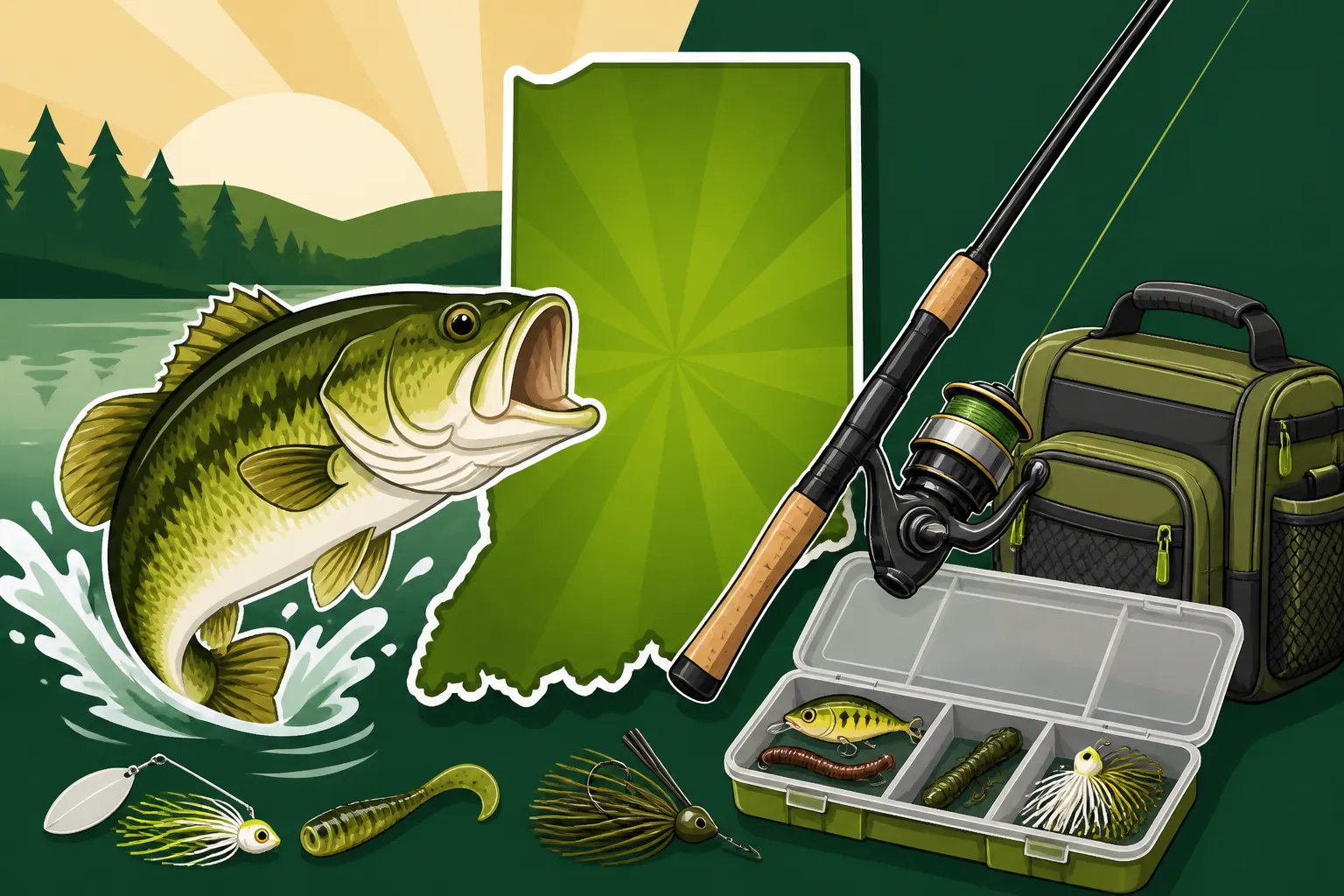
You absolutely do not need every single lure on the market. For beginners, a small selection of versatile lures will serve you well. Here’s a basic starter kit:
- Soft Plastic Worms (e.g., Senkos or Curl-tail Worms): These are incredibly effective and easy to fish. Rig them "wacky style" or Texas-rigged for weedless fishing. Natural colors like green pumpkin, junebug, or black and blue are always good choices. They mimic a variety of prey items and work almost year-round.
- Spinnerbaits: These lures feature a lead head with a skirt and one or two spinning blades. They're great for covering water quickly and catching aggressive bass. White, chartreuse, or combinations of those colors are popular. They create flash and vibration, attracting fish from a distance, especially in stained water or on cloudy days.
- Crankbaits: These hard-bodied lures dive when retrieved, mimicking baitfish. Start with a medium-diving crankbait in a natural baitfish pattern (shad, bluegill) or a crawfish color. They're excellent for targeting bass around submerged structure.
- Jigs (Football or Arkie Style): Bass jigs, tipped with a soft plastic trailer, are fantastic for fishing around cover like brush piles or docks. Black and blue, green pumpkin, and brown are staple colors. They can be hopped, dragged, or swam, offering a lot of versatility.
You might also consider a simple topwater lure like a popper for those exciting early morning or late evening bites when bass are feeding on the surface. Remember, the goal is versatility, not volume. You can find starter kits with a variety of these lure types at most tackle shops.
Hooks and Weights: The Unsung Heroes
Having the right hooks and weights is just as important as your lures. For soft plastic worms, you'll need EWG (Extra Wide Gap) hooks in sizes 3/0 and 4/0. These hooks allow the plastic worm to sit perfectly, making it "weedless" (less likely to snag on weeds and cover) and ensuring a good hook set when a bass bites.
For weights, a selection of bullet weights (also called worm weights) is essential, especially if you're Texas-rigging soft plastics. Start with 1/8 oz, 1/4 oz, and 3/8 oz sizes. These allow you to adjust how fast your lure sinks and how it performs in different conditions. Lighter weights are better for shallower water or when bass are finicky, while heavier weights help punch through thicker cover or get down faster in deeper water.
Don't forget some offset worm hooks in various sizes (1/0, 2/0, 3/0) for other soft plastic presentations. A small pack of straight shank hooks (sizes 1/0, 2/0) for fishing live bait if you ever decide to go that route, or for wacky rigging worms, can also be useful.
Essential Accessories for a Smooth Trip
Beyond your primary fishing gear, a few accessories will make your bass fishing experience much more enjoyable and productive. These items often get overlooked by beginners, but they're incredibly helpful.
The Right Tackle Storage
A good tackle box or bag is crucial for keeping your lures, hooks, and weights organized. Nothing is more frustrating than trying to find a specific lure while fish are biting, only to discover it's buried in a chaotic mess. For beginners, a small to medium-sized tackle box with adjustable dividers is perfect. Look for one that's durable and easy to carry. Many tackle boxes come with utility trays that fit inside, allowing you to customize your storage for different types of lures and components.
Consider separate small containers for your hooks and weights to prevent them from getting jumbled together. Labels are your friend here! Knowing exactly where your 3/0 EWG hooks are when you need them saves precious fishing time. If you're planning on shore fishing or kayak fishing, a compact, soft-sided tackle bag might be more practical than a rigid box, as it's often lighter and easier to transport. You can find great options at Bass Pro Shops or on Amazon that cater to various budgets.
Line Clippers, Pliers, and a Landing Net
These small tools are indispensable. Line clippers are specialized scissors or nippers designed to cleanly cut fishing line. Don't use your teeth – it's bad for your teeth and doesn't always make a clean cut. Needle-nose pliers are essential for removing hooks from fish safely, especially if the hook is deep or the fish has sharp teeth (though bass typically don't have super sharp teeth, it's still safer). They're also great for bending hooks or fixing small issues.
A landing net is a game-changer, especially when you're targeting bigger bass. It helps you safely land a fish without putting too much stress on your line or rod, reducing the chance of losing that trophy fish right at the boat or bank. For bass, a rubberized or knotless nylon net is best, as it's gentler on the fish's scales and slime coat, which is important if you plan on releasing them. A net with a moderately long handle makes it easier to reach fish from shore or a small boat.
Sun Protection and Hydration
Bass fishing often means spending hours outdoors, exposed to the elements. Don't underestimate the importance of protecting yourself. A wide-brimmed hat, polarized sunglasses, and sunscreen are absolute must-haves. Polarized sunglasses don't just protect your eyes; they cut glare on the water, allowing you to see into the water much better and spot fish or structure that you might otherwise miss.
Staying hydrated is also critical. Always bring plenty of water, especially during those warm Indiana summer days. Dehydration can quickly ruin a fishing trip. Consider bringing a small cooler with ice to keep your drinks and any snacks cool. Being comfortable while fishing directly impacts your ability to focus and enjoy the experience.
Beyond the Basics: Comfort and Safety Gear
While the rod, reel, and tackle are about catching fish, comfort and safety gear are about ensuring you have a great, worry-free time on the water. These items become increasingly important the more time you spend pursuing bass.
Clothing for All Weather
Indiana weather can be unpredictable, even in the same day! Dressing in layers is a golden rule for anglers. Start with moisture-wicking base layers, add insulating layers if it's cool, and always have a waterproof and windproof outer shell handy. Even on sunny days, a lightweight long-sleeved shirt can protect you from the sun's harsh rays.
Having appropriate footwear is also key. Waterproof boots or shoes with good grip are ideal, especially if you'll be walking along muddy banks or in and out of a small boat. There's nothing worse than having cold, wet feet all day. Think about gloves too, especially if you're handling fish with sharp fins or want extra sun protection for your hands.
First Aid Kit and Emergency Whistle
Even on calm trips, minor accidents can happen. A small, waterproof first aid kit should always be part of your fishing gear. It should contain bandages, antiseptic wipes, pain relievers, and any personal medications you might need. Hooks can get stuck, scrapes can occur, and it's always better to be prepared.
If you're fishing from a boat, kayak, or even in a remote area from shore, an emergency whistle is a simple, inexpensive safety device. It can be used to attract attention if you get into trouble or need assistance. This is especially important if you're exploring Indiana's Best Remote and Uncrowded Fishing Spots where cell service might be spotty. Remember, safety always comes first. For boating regulations and requirements, you might want to review Indiana Boater Safety Gear Checklist as well.
A Reliable Cooler for Your Catch (or Lunch!)
If you plan on keeping some of your bass for dinner, a good cooler is indispensable. It will keep your fish fresh and properly chilled until you get home. Even if you practice catch-and-release, a cooler is perfect for keeping your drinks and snacks cool throughout the day. Look for a cooler that's sturdy, has good insulation, and is easy to clean.
When keeping fish, it's always best to put them directly on ice. This chills them quickly and helps preserve their quality. If you're not keeping fish, having a dedicated spot for food and drinks prevents your bait or wet gear from contaminating your lunch. It’s a small detail that can make a big difference in the enjoyment of your day.
Table of Essential Bass Fishing Gear for Beginners:
| Category | Item | Why You Need It | Beginner Recommendations |
|---|---|---|---|
| Rod & Reel | Fishing Rod | Cast, feel bites, fight fish | 7' Medium-Heavy Power, Fast Action Spinning Rod |
| Spinning Reel | Retrieve line, manage drag | Size 2500-3000, Smooth Drag, 6.0:1 Gear Ratio | |
| Fishing Line | Connect rod to lure/fish | 10-12 lb Monofilament | |
| Lures | Soft Plastic Worms | Versatile, effective, easy to rig | Green Pumpkin, Junebug, Black/Blue colors (e.g., Senko style) |
| Spinnerbaits | Cover water, attract aggressive fish | White, Chartreuse (1/4 – 3/8 oz) | |
| Crankbaits | Mimic baitfish, target structure | Medium-diving, Shad or Crawfish patterns (small to medium size) | |
| Bass Jigs | Fish heavy cover, imitate craws/baitfish | Black/Blue, Green Pumpkin (1/4 – 3/8 oz) | |
| Tackle | EWG Hooks | Weedless rigging for soft plastics | Sizes 3/0, 4/0 |
| Bullet Weights | Add sink rate to soft plastics | 1/8 oz, 1/4 oz, 3/8 oz (lead or tungsten) | |
| Tackle Box/Bag | Organize lures, hooks, tools | Small to Medium with dividers, durable | |
| Tools | Line Clippers | Cleanly cut line, remove tags | Small fishing nippers or scissors |
| Needle-Nose Pliers | Remove hooks, bend wires | 6-8 inch length, stainless steel | |
| Landing Net | Safely land larger fish | Rubberized or knotless mesh, moderate handle length | |
| Safety/Comfort | Sun Protection | Protect from UV rays | Wide-brimmed hat, polarized sunglasses, sunscreen SPF 30+ |
| Water Bottle/Cooler | Stay hydrated, keep snacks fresh | Reusable water bottle, small personal cooler | |
| First Aid Kit | Handle minor injuries | Waterproof, basic supplies (bandages, antiseptic) |
Building Your Gear Collection Over Time
Starting with bass fishing gear is like building any passion – you don't need all the bells and whistles on day one. Focus on the core components mentioned above, get comfortable with them, and slowly expand your collection as you learn more about your fishing style and the waters you frequent. Perhaps you'll get into Bass Fishing Techniques for Pre-Spawn and Post-Spawn and realize you need different lures, or you'll venture to Lake Michigan Fishing Rules for Indiana Anglers and need specialized equipment for salmon and steelhead.
Many beginners find it helpful to try out fishing with friends or at local events before investing heavily. You can often borrow gear or get a feel for different types of equipment. Once you're ready to buy, don't be afraid to ask for advice at your local tackle shop or look for beginner combo kits which often pair a decent rod and reel together at a good price. Remember, the most important gear is the gear you're comfortable with and that gets you out on the water. Happy fishing!
Disclaimer
This article is for general informational purposes only and does not constitute professional advice. Laws, prices and regulations vary by location and change over time. Consult a qualified professional for guidance on your specific situation.