Best Time of Day to Catch Bass
Many anglers in Indiana have experienced the frustration of spending hours on the water, casting relentlessly, only to come up empty-handed while others seem to be reeling in bass after bass. It's easy to feel like you're missing a secret, and often, that secret lies in understanding the best time of day to catch bass. This comprehensive guide will help you decode bass behavior and optimize your fishing trips, making your time on Indiana's lakes and rivers far more productive.
Understanding Bass Behavior Throughout the Day
Bass, like most creatures, have routines, and their activity levels fluctuate significantly based on factors like light, temperature, and food availability. Learning these patterns is the first step to becoming a more successful angler. Forget the idea that you can just show up anytime; strategic timing is paramount.
Dawn and Dusk: The Golden Hours for Bass Fishing
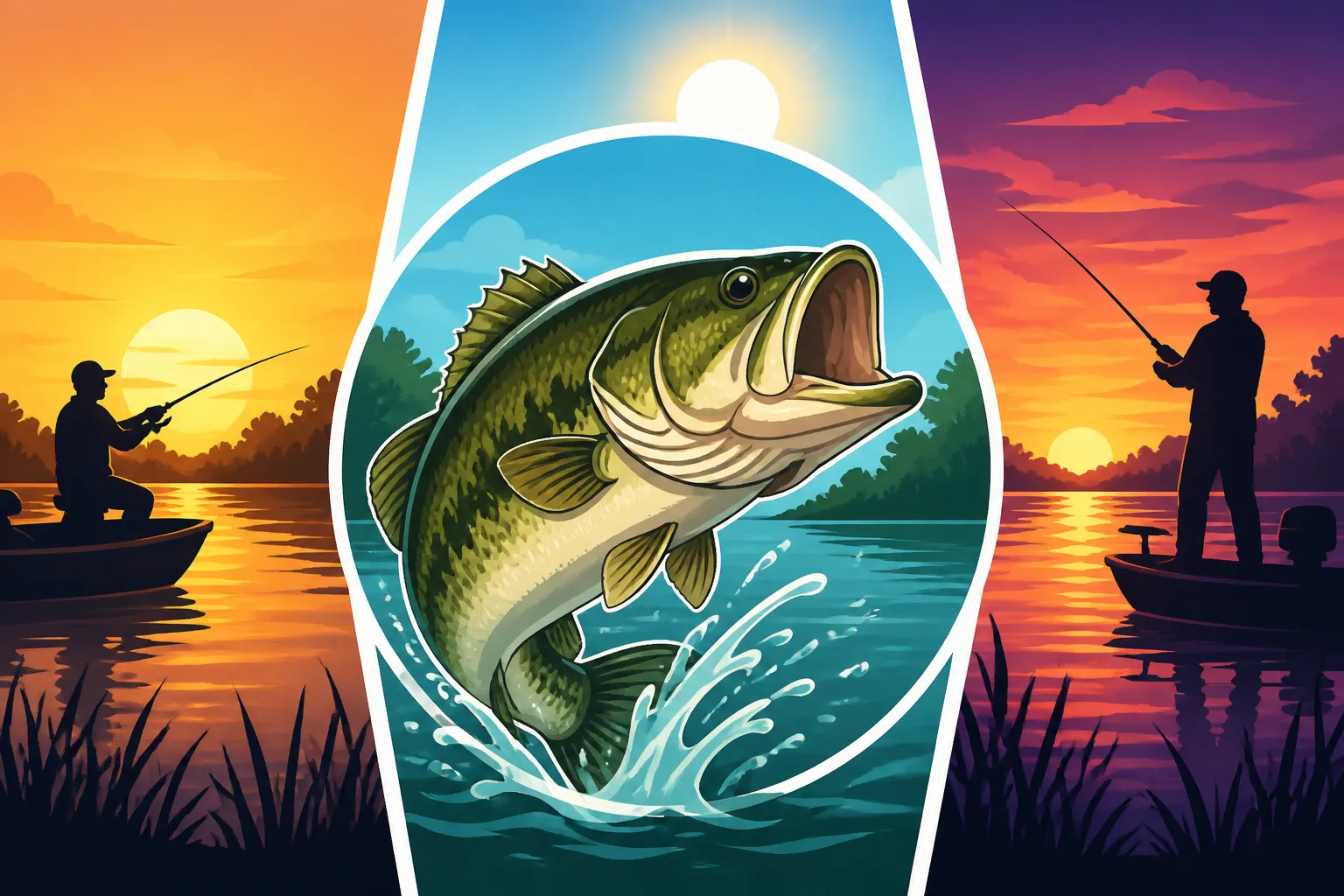
If there’s one piece of advice that almost every experienced bass angler will give you, it’s to be on the water during dawn and dusk. These periods, often referred to as the "golden hours," are when bass are typically at their most active and aggressive. The reasons are pretty straightforward: lower light levels and cooler temperatures.
As the sun begins to peek over the horizon in the morning or dip below it in the evening, the intense direct sunlight diminishes. This reduction in light creates perfect ambush conditions for bass, which are sight predators. They feel more secure moving into shallower waters, near weed lines, lily pads, or submerged timber, where they can easily surprise unsuspecting baitfish or crawfish. The cooler water temperatures during these times also energize bass, making them more willing to chase down prey. Think about it from their perspective: it's like a comfortable, well-lit restaurant for us, offering an easy meal. During these prime windows, topwater lures like poppers, frogs, or walking baits can be incredibly effective, as bass are often looking up for an easy meal. You'll find a great selection of these on retail sites like Amazon, ready to enhance your tackle box. This is why many veteran anglers swear by getting up before the sun or staying out until the last light fades, truly embodying the sentiment of Why Dawn and Dusk Are the Best Times to Fish.
Mid-Day Challenges and Opportunities
While dawn and dusk are undeniably prime, the mid-day sun, especially during Indiana's hot summer months, presents a different set of challenges. As the sun climbs higher and temperatures rise, bass often retreat from shallow, exposed areas. They seek refuge in deeper water, under dense cover, or in shaded spots to escape the heat and bright light. This doesn't mean you can't catch them, but it does mean you need to change your approach dramatically.
During these tougher hours, bass become less active and more reluctant to chase fast-moving baits. Your strategy should shift from active search to precise presentations. Look for bass relating tightly to heavy cover such as thick docks, fallen trees, brush piles, or deep ledges. Techniques like flipping and pitching jigs or soft plastics into these shaded sanctuaries can coax a bite. Deep cranking with lipped crankbaits that dive to the thermocline, or slow dragging a Texas-rigged worm along a drop-off, can also be productive. Remember, the fish are still there; they're just in a different mood and location. They might not be actively hunting, but a well-placed bait can still trigger a reaction strike, particularly if you’re fishing a known bass hangout.
Night Fishing for Bass: A Unique Experience
Often overlooked, night fishing for bass can be incredibly rewarding, offering a completely different experience from daytime angling. Once the sun completely sets and darkness envelops the lake or river, bass once again become more active, moving out of their deep-water haunts and into shallower feeding grounds. The water temperatures are cooler, boat traffic is minimal, and the bass feel a heightened sense of security.
Night fishing often yields some of the biggest bass, as larger fish tend to be more nocturnal. The key to success lies in using lures that create a strong vibration or silhouette, as bass will rely heavily on their lateral line system to detect prey. Large dark-colored spinnerbaits, bladed jigs, or even noisy topwater lures like buzzbaits can be incredibly effective. Consider using a black or dark-colored soft plastic worm or creature bait on a Texas rig, slowly working it along known structure. A good headlamp (many reliable options are available on Amazon) is essential for rigging and navigating, but keep its use to a minimum when casting to avoid spooking fish. While it might sound daunting, embracing the darkness can open up a whole new world of bass fishing opportunities, truly revealing How to Catch Fish at Night.
Factors Influencing Bass Activity Beyond Time of Day
While the time of day is crucial, it's just one piece of the puzzle. A multitude of other environmental factors constantly interact to dictate bass behavior. Overlooking these can lead to a less successful trip, even if you’re out during the prime "golden hours." Understanding these nuances allows you to be a more adaptive and successful angler.
Weather and Water Conditions
The weather and the resulting water conditions play an enormous role in bass activity. A bright, sunny, calm day is vastly different from a cloudy, windy, or rainy one, and bass react accordingly. For example, overcast skies often extend the prime feeding windows beyond dawn and dusk, as the reduced light penetration makes bass feel comfortable in shallower water for longer periods. A light chop on the water, caused by a gentle breeze, can also be beneficial, breaking up the surface and making it harder for prey to see predators, which encourages bass to feed more aggressively.
Conversely, a sudden cold front can shut bass down almost completely. After a significant drop in air temperature, especially in the spring or fall, bass can become lethargic and move to deeper, more stable water, making them harder to entice. Rain, on the other hand, can sometimes fire them up, especially light, warm rain that washes terrestrial insects and nutrients into the water, stirring up baitfish. However, heavy, cold rain can cool surface water too quickly and muddy the water, which might push bass deeper. Monitoring How Weather Affects Fish Feeding Patterns and particularly the Best Water Temperature for Bass Fishing in Indiana is critical for predicting fish behavior.
Seasonal Changes and Their Impact
Indiana experiences four distinct seasons, and each brings significant changes in water temperature, light penetration, and bass behavior. The annual cycle of the bass, from pre-spawn to winter dormancy, profoundly affects when and where they can be caught, overriding daily patterns to some extent.
In spring, as water temperatures rise, bass move from deep wintering grounds to shallower areas to spawn. During the Indiana Bass Spawn Timing and Pre-Spawn Patterns, they are incredibly aggressive as they prepare to nest, making this an excellent time for targeting them during mid-day as they build nests and protect fry. Summer brings warm water, often pushing bass to deeper, cooler waters or dense cover during the heat of the day, making early morning and late evening crucial. Fall sees bass aggressively feeding to bulk up for winter, often following baitfish schools into shallower creeks and coves, making them active for longer stretches. Winter, however, slows everything down; bass become sluggish and congregate in deep, stable areas, often requiring slow, subtle presentations.
Forage and Prey Availability
Bass are opportunistic predators, and their feeding times are heavily influenced by the availability and activity of their primary food sources. If baitfish like shad or bluegill are schooling and active in a particular area, bass are likely to be there, ready to capitalize. Observing baitfish activity – whether they're jumping, dimpling the surface, or showing up on your fish finder – is a huge clue as to when and where bass might be feeding.
For example, if you see schools of shad flickering near the surface at dawn, it's a strong indicator that bass will be chasing them, making topwater baits an excellent choice. If you notice crawfish scurrying along the bottom near rocky banks, pitching jigs or Texas-rigged creature baits might be more effective. Understanding the local forage and how it behaves throughout the day and year is crucial. Bass will follow their food, so if the bait is active, the bass will likely be active too. Knowing what the bass are eating can also help you select the Best Bait for Spring Bass Fishing or choose your Best Lures for Summer Fishing, tailoring your presentation for maximum effectiveness.
Practical Strategies for Maximizing Your Bass Fishing Day
Knowing when bass are most active is powerful, but it's only truly useful if you combine it with practical, adaptive strategies. The most successful anglers aren't just lucky; they’re constantly observing, experimenting, and adjusting their tactics based on what the fish and the environment are telling them.
Adapting Your Lures and Techniques
One of the most common mistakes anglers make is sticking to the same lure and technique all day long, regardless of changing conditions. The truth is, what works at dawn will likely be ineffective at high noon. The most effective approach is to have a diverse arsenal and be willing to switch things up. For instance, during the low-light periods of dawn and dusk, bass are often hunting aggressively in shallower water. This is the perfect time for high-impact lures that draw attention, like noisy topwaters, spinnerbaits, or shallow-running crankbaits. The visual and auditory commotion helps bass locate them in the dim light.
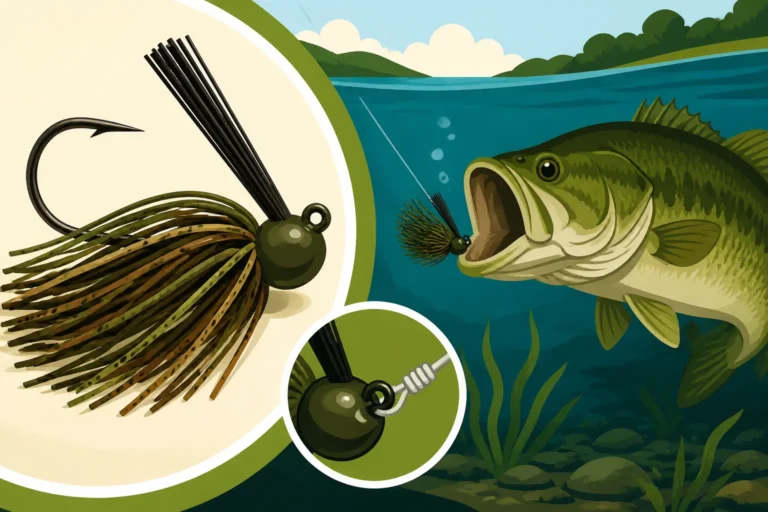
As the sun gets high and conditions become tougher, it’s time to slow down and go deeper. Jigs, Texas-rigged worms, or drop shots are excellent for probing structure where bass are hiding. Learning How to Rig a Jig for Largemouth Bass can be a game-changer for these situations. You might also want to downsize your line and use more subtle presentations. If you find yourself fishing in stained or muddy water, which can happen after heavy rains, switch to darker or brighter colors that offer a better silhouette or more contrast. Always consider visibility and how the bass will detect your lure. Many specialty lures for different conditions can be easily found on sites like Amazon, expanding your options.
Here’s a quick overview of how to adapt:
| Time of Day | Typical Bass Behavior | Recommended Lures & Techniques |
|---|---|---|
| Dawn/Dusk | Active, feeding shallow | Topwater baits (frogs, poppers), Spinnerbaits, Shallow Crankbaits |
| Mid-Morning | Moving deeper, near cover | Squarebill crankbaits, Chatterbaits, Swim Jigs, Wacky Rigs |
| Mid-Day | Deep, tight to cover, shaded | Flipping Jigs, Texas-Rigged Worms, Deep Diving Crankbaits, Drop Shots |
| Late Afternoon | Moving back to shallower edges | Chatterbaits, Spinnerbaits, Swimbait, Jigs |
| Night | Actively feeding in shallows | Dark Spinnerbaits, Buzzbaits, Large Worms, Jigs |
Locating Bass Throughout the Day
Knowing where bass are likely to be at different times of the day is just as important as knowing what to throw. Bass are structure-oriented fish, meaning they relate to changes in their environment. In the early morning and late evening, they'll often be found in shallower feeding flats, along weed lines, or near visible cover like laydowns and docks. These areas offer easy access to prey and ambush points.
As the sun rises and temperatures climb, bass will move to deeper water or seek out the densest available cover for shade and security. This could mean they move to the shady side of docks, under thick mats of vegetation, into submerged brush piles, or along deep-water creek channels or rock piles. Understanding depth contours, using a good fish finder, and constantly looking for these transition areas are key. For instance, in a lake known for its bass population like Monroe Lake, you might start shallow, then move to deeper points or humps as the day progresses. Knowing the Best Bass Fishing Spots in Indiana generally helps, but knowing how bass move within those spots is even better. Keep an eye on your electronics for bait balls or individual fish holding near structure, as this often indicates where the bass are congregating.
Planning Your Fishing Trip for Optimal Bass Encounters
A successful bass fishing trip often starts long before you even launch your boat or step onto the bank. Smart planning can significantly increase your chances of being in the right place at the right time. Begin by checking the weather forecast for the day, paying close attention to temperature, cloud cover, and wind speed. This information will help you anticipate how bass will behave and what areas they might favor. If a cold front is expected, you know to focus on deeper, more stable water. If it’s going to be overcast, you can expect longer periods of shallow activity.
Consider the moon phase as well, as some anglers believe major and minor feeding times (solunar tables) can enhance activity, though this is often debated. Most importantly, plan your day to maximize your time during those prime dawn and dusk windows. If you can only fish for a few hours, make sure those hours overlap with sunrise or sunset. If it's a full-day trip, be prepared to adjust your strategy for the mid-day lull, perhaps taking a break, exploring new areas, or focusing on tougher techniques that target inactive fish. Always be willing to experiment and adapt; no two days on the water are exactly alike, but with good planning and an understanding of bass behavior, you'll be well on your way to a great day. Learning about Best Bass Fishing Techniques for Pre-Spawn or Best Bass Fishing Techniques for Post-Spawn can also help tailor your planning to the seasonal patterns.
Disclaimer
This article is for general informational purposes only and does not constitute professional advice. Laws, prices and regulations vary by location and change over time. Consult a qualified professional for guidance on your specific situation.