Why Dawn and Dusk Are the Best Times to Fish
It can be incredibly frustrating to head out to your favorite fishing spot, cast for hours, and come up empty-handed. You've got the right bait, the perfect rod, and the ideal location picked out, but sometimes it feels like the fish just aren't cooperating. What many anglers often overlook is the critical factor of timing. This guide will dive deep into why the magical hours of dawn and dusk in Indiana aren't just pretty times to be on the water, but are often the absolute best periods for reeling in a successful catch, helping you understand the science and strategy behind these prime windows.
The Science of Low Light: Why Fish Get Active
Think about it from a fish's perspective. The middle of a bright, sunny day might be great for human sunbathers, but for many fish, it's a time to retreat. The glaring sun can make them feel exposed and vulnerable to predators. Plus, the midday heat often warms the surface waters, pushing fish deeper where the water is cooler and more oxygenated. Dawn and dusk, however, offer a sweet spot of conditions that just scream "feeding time!"
Optimal Light Conditions for Feeding
During the twilight hours, the sun isn't directly overhead, and its rays aren't penetrating the water with the same intensity. This softer, diffused light reduces visibility for aerial predators like ospreys and herons, making fish feel safer to venture out from cover. For many species, this dim light also creates ideal ambush conditions. Prey fish are often easier to spot against the low light of the sky or the fading light of the water's surface, while the predator can remain relatively hidden. It's like flipping a switch that tells the underwater world, "Okay, it's safe to come out now." This change in light triggers a noticeable increase in activity for many fish, which is why understanding Does Time of Day Affect Fishing Success? is so crucial.
Beyond just safety, the light levels affect how fish perceive their environment. Bright light can actually make it harder for some species, especially those with larger eyes adapted for low light, to hunt effectively. As the sun rises or sets, the light changes, allowing these species to become more efficient hunters. You'll often notice a flurry of surface activity right around sunrise or sunset – baitfish scattering, bass busting the surface, and panfish dimpling the water. It’s a full-on feeding frenzy that happens with predictable regularity, making it a reliable window for anglers willing to adjust their schedules.
Temperature Swings and Metabolic Boosts
Water temperature is another massive factor that plays into fish activity. During the summer months, the midday sun can heat up shallow waters significantly. While some warm-water species can tolerate this, many game fish become lethargic in overly warm conditions, seeking cooler, deeper sanctuaries. As the sun begins to set, the air cools, and the surface water temperature drops, even if only by a few degrees. This cooling effect invigorates fish, signaling a return to more comfortable conditions and stimulating their metabolism.
Conversely, in the colder months of spring and fall, the warming trend at dawn can be the trigger. After a chilly night, the first rays of morning sun can bring a slight warm-up to the shallowest water, enticing fish to move into these areas to feed and absorb the warmth. This subtle warming can be just enough to kickstart their metabolism and encourage them to actively hunt. Understanding these shifts is key, as demonstrated in guides like Water Temperature and Fish Feeding Patterns. These temperature changes, whether cooling or warming, can make all the difference between a sluggish fish and an aggressive one, dictating whether they bite or ignore your offerings.
Peak Feeding Times for Specific Indiana Species
While dawn and dusk are generally prime, different fish species in Indiana have their own unique behavioral patterns that really shine during these low-light periods. Knowing what you're targeting can help you fine-tune your approach and increase your chances of success.
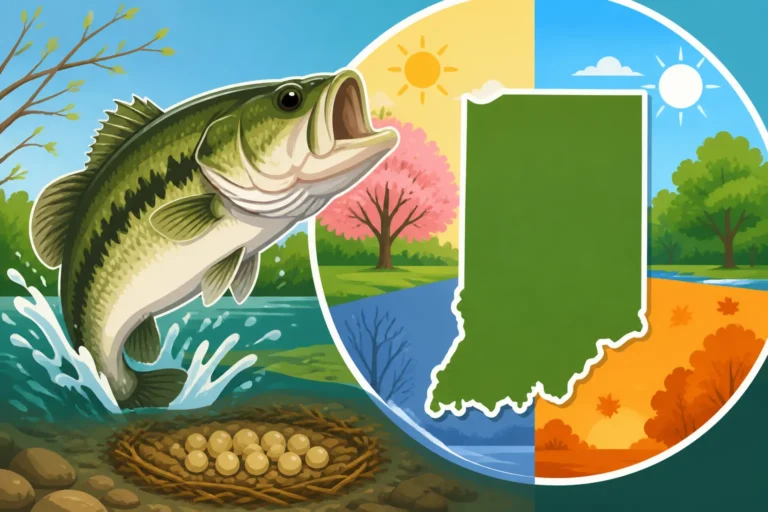
Largemouth Bass: Early Morning Topwater Action
If you've ever dreamt of that explosive topwater strike, the hour around sunrise is your absolute best bet for largemouth bass in Indiana. As the sky lightens, bass move out of their deeper, nighttime resting spots and into shallower ambush points. They're often hungry and eager to attack anything that looks like a struggling baitfish on the surface. Walking baits, poppers, and even buzzbaits can be incredibly effective during this window. There's nothing quite like the heart-stopping moment a big bass smashes a topwater lure in the quiet of a morning lake.
As the sun climbs higher, the topwater bite usually dies down, and bass will retreat to cover, such as lily pads, submerged timber, or docks. However, that first hour or so of daylight offers a fantastic opportunity. Many anglers specifically target this short, intense window for trophy bass. If you're looking for specific tactics, checking out How to Fish Topwater Lures for Bass at Dawn can give you some excellent pointers. Even if you're not a morning person, the adrenaline rush of a dawn topwater strike might just convert you.
Walleye: Twilight Hunters and Night Feeders
Walleye are renowned for their incredible eyesight, which is highly adapted for low-light conditions. This makes them formidable predators during dusk and, extending into the night. While you can catch walleye during the day, their activity levels often surge as the sun dips below the horizon. They'll move from deeper, darker haunts onto shallow flats, humps, and along weed lines to feed on baitfish.
For anglers targeting walleye, dusk means switching to tactics that capitalize on their low-light advantage. Trolling crankbaits that produce vibrations and flash can be deadly, or jigging with bright, glow-in-the-dark lures in deeper pockets. Knowing How to Jig for Walleye at Night can really turn your evening into a productive one. In Indiana's glacial lakes, like those up in Kosciusko and Steuben counties, this twilight bite can be incredibly productive, often outperforming midday efforts. It's a prime example of how fish physiology dictates the best fishing times.
Catfish: Dusk 'til Dawn Feast
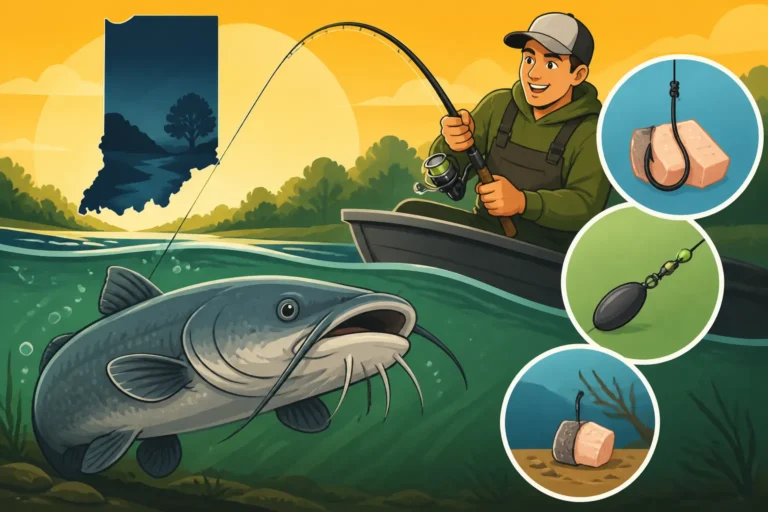
Catfish are the ultimate nocturnal feeders, and their activity peaks dramatically from dusk through the entire night and into the early morning hours. Their keen sense of smell and touch allows them to navigate and hunt effectively in complete darkness, giving them a distinct advantage over many prey species. Whether you're targeting channels, flatheads, or blue cats, these low-light periods are when they're most actively cruising for a meal.
Setting up your lines with smelly baits like cut bait, chicken livers, or dough balls just before sunset can yield fantastic results. Rivers like the Wabash and White, as well as many Indiana reservoirs, come alive with catfish action as darkness falls. Understanding Best Time of Day to Catch Catfish in Indiana confirms that these twilight hours are prime. Many experienced catfish anglers will fish all night, but even just the few hours after sunset and before sunrise can be incredibly rewarding for these powerful fish.
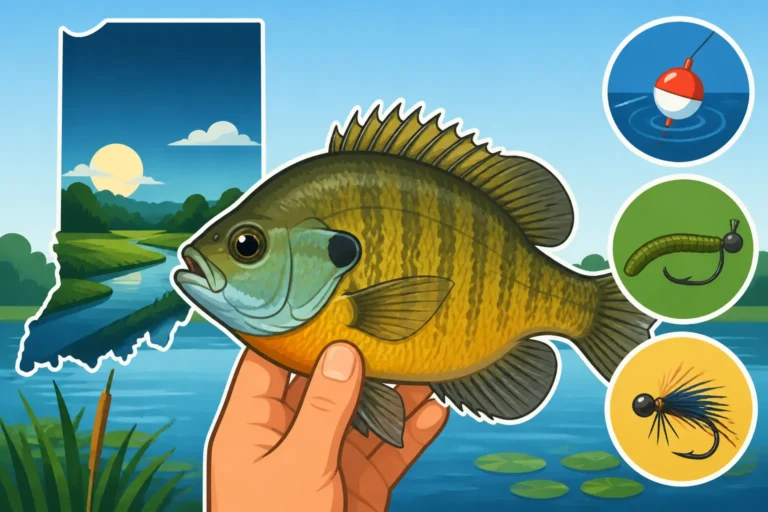
Panfish: Bluegill, Crappie, and Redear Sunfish
While panfish like bluegill, crappie, and redear sunfish are often thought of as daytime catches, they too experience increased feeding activity during the edges of the day, especially in heavily pressured waters. In the early morning, as insects begin to hatch and baitfish become active, panfish will often move into shallower water to feed. This is especially true for crappie, which can be found suspended near brush piles or docks at dawn, making them easier targets.
As the sun sets, and the light softens, panfish will often return to these shallower areas to forage. For instance, crappie often school up in predictable patterns during these times. Small jigs, minnows, or worms fished under a bobber can be very effective. For younger anglers or those looking for consistent action, these twilight hours can offer a flurry of bites. Plus, fishing for bluegill and crappie during these cooler times can be far more pleasant than baking in the midday sun.
Practical Tips for Dawn and Dusk Fishing Success
To truly maximize your chances during these golden hours, a little preparation and strategy go a long way. It's not just about showing up; it's about being ready for the unique conditions and capitalizing on them.
Gear Up for Low Light
Fishing in low light requires some specialized gear, but nothing too fancy. First and foremost, safety is paramount. A good headlamp or flashlight is indispensable for navigating in the dark, tying knots, and handling your catch. Many anglers prefer headlamps with a red light option, as it's less disruptive to your night vision and less likely to spook fish. You can find excellent options on Amazon, offering various brightness levels and features for any budget.
Beyond lighting, consider your tackle. High-visibility fishing line can be helpful for detecting subtle bites, especially as light fades. Lures with glow-in-the-dark properties or those that produce strong vibrations can also be more effective when visual cues are reduced. For example, if you're bass fishing, a dark-colored topwater lure can create a more distinct silhouette against the fading sky. Always bring a landing net, as handling a fish in the dark is trickier, and a net makes it safer for both you and the fish. Having a small, organized tackle box ready with your low-light essentials will save you a lot of fumbling.
Strategic Planning and Location Scouting
The key to successful dawn and dusk fishing often lies in your ability to be in the right place at the right time. This means arriving at your spot before the prime window begins. For dawn fishing, try to be on the water or at your bank spot at least 30-45 minutes before sunrise. For dusk, aim to be set up an hour before sunset. This gives you time to get your gear ready, survey the water, and make your first casts as the activity starts.
Think about how fish move between their daytime and nighttime locations. At dawn, they'll be moving from deeper water to shallower feeding grounds. At dusk, they'll be doing the reverse. Focus your efforts on transitional areas: weed lines, points, drop-offs, and structural elements that connect shallow and deep water. These are the highways fish use during their feeding migrations. For example, if you're fishing a lake like Monroe, targeting channel swings or creek beds connecting to shallow flats could be incredibly productive. If you are fishing from shore, remember that Best Bank Fishing Spots for Catfish are often great choices for dawn and dusk fishing.
Adapting Your Techniques
Fishing in low light isn't just about different gear; it also often calls for different techniques. Since visibility is reduced, fish rely more heavily on their other senses – vibrations, scent, and lateral line detection.
- Slower Retrieves: In many cases, slowing down your retrieve can be beneficial. This gives fish more time to locate your bait and commit to the strike, especially with reaction baits.
- Noisier Lures: Lures with rattles, thumping blades (like spinnerbaits or buzzbaits), or wide wobbles (crankbaits) can help attract fish from a distance.
- Natural Baits: Live bait or scent-infused artificial baits can be incredibly effective when visibility is low. Worms, minnows, or even commercially available scent sprays can give your lure an extra edge.
- Topwater Prowess: As mentioned for bass, topwater lures are fantastic during the twilight hours because their silhouette and disturbance on the surface are highly visible (or rather, audible/feelable) to fish looking up.
When you're out there, pay close attention to any subtle changes. A slight current, a change in wind direction, or even the sound of feeding activity can give you clues. Don't be afraid to experiment with different depths and retrieval speeds until you find what the fish are responding to. Remember, the fish are often more aggressive during these periods, so be prepared for some powerful strikes!
Maximizing Your Indiana Fishing Experience
Embracing dawn and dusk fishing can truly transform your Indiana fishing adventures. It offers not only prime opportunities for catching fish but also a unique, serene experience on the water that few daytime anglers get to enjoy.
| Time of Day | Light Conditions | Water Temperature Trend | Fish Activity Level | Best Species to Target | Recommended Lures/Baits |
|---|---|---|---|---|---|
| Dawn | Increasing low light | Warming (cold seasons); Stable/Slightly Cooling (warm seasons) | High | Largemouth Bass, Crappie, Walleye, Panfish | Topwater, Spinnerbaits, Jigs, Minnows |
| Midday | High light | Warming (all seasons) | Low to Moderate | Deeper-dwelling species, Catfish (deeper) | Deep cranks, Carolina rigs, Bottom rigs |
| Dusk | Decreasing low light | Cooling (warm seasons); Stable/Slightly Warming (cold seasons) | High | Walleye, Catfish, Bass, Crappie | Crankbaits, Jigs, Scented Baits, Topwater |
| Night | Dark | Stable/Cooling | High (for specific species) | Catfish, Walleye, Hybrid Striped Bass | Scented baits, Glow jigs, Large cranks |
Beyond the Catch: The Serenity of Twilight
Beyond the improved fishing, there's a certain magic to being on the water during dawn and dusk. The world is quieter, the light is stunning, and the wildlife activity can be incredible. You might see deer coming to the water's edge, hear owls hooting, or watch a bald eagle take flight. It’s a peaceful, almost spiritual experience that connects you more deeply with nature.
It’s also often a less crowded time to fish, particularly on popular lakes or rivers. While everyone else is still asleep or heading home for dinner, you have the water largely to yourself. This tranquility enhances the overall experience, making those early mornings or late evenings truly special. Consider bringing a thermos of coffee for the sunrise or a snack for the sunset to fully enjoy the moment. For these serene moments, many of Indiana's Best Fishing Spots Open Year-Round in Indiana will provide memorable experiences.
Planning Your Next Twilight Adventure
So, next time you're planning an Indiana fishing trip, don't just consider the location or the species – think about the timing. Set your alarm a little earlier, or plan to stay a little later. You might be surprised at the difference it makes. Remember to check local forecasts for temperature and light conditions, and always prioritize safety, especially when fishing in reduced visibility.
Whether you're after the explosive strike of a largemouth bass at dawn, the subtle bite of a walleye at dusk, or the powerful pull of a catfish in the evening, these twilight hours offer unparalleled opportunities. Gear up, plan your approach, and embrace the magic of Indiana's dawn and dusk fisheries. Who knows, your next personal best might just come as the sun kisses the horizon, or as it dips below it.
Disclaimer
This article is for general informational purposes only and does not constitute professional advice. Laws, prices and regulations vary by location and change over time. Consult a qualified professional for guidance on your specific situation.