How Big Do Channel Catfish Get in Indiana?
It's a question every catfish angler in Indiana has asked, usually right after reeling in a respectable channel cat but wondering, "Could it have been bigger?" There's nothing quite like the thrill of a hard-fighting channel catfish on the line, but let's be honest, we all dream of those absolute monsters. This guide is here to cut through the tall tales and give you the real scoop on just how big channel catfish get in Indiana's diverse waterways, and what factors truly influence their impressive growth.
The Truth About Channel Catfish Size in Indiana Waters
When you're out fishing for channel catfish in Indiana, you might encounter a wide range of sizes, from feisty "fryers" perfect for the pan to genuinely hefty fish that put your tackle to the test. It's easy to wonder what the average is, and then, what the absolute limit might be. The truth is, both are quite impressive in our Hoosier state.
Average Size vs. Trophy Potential
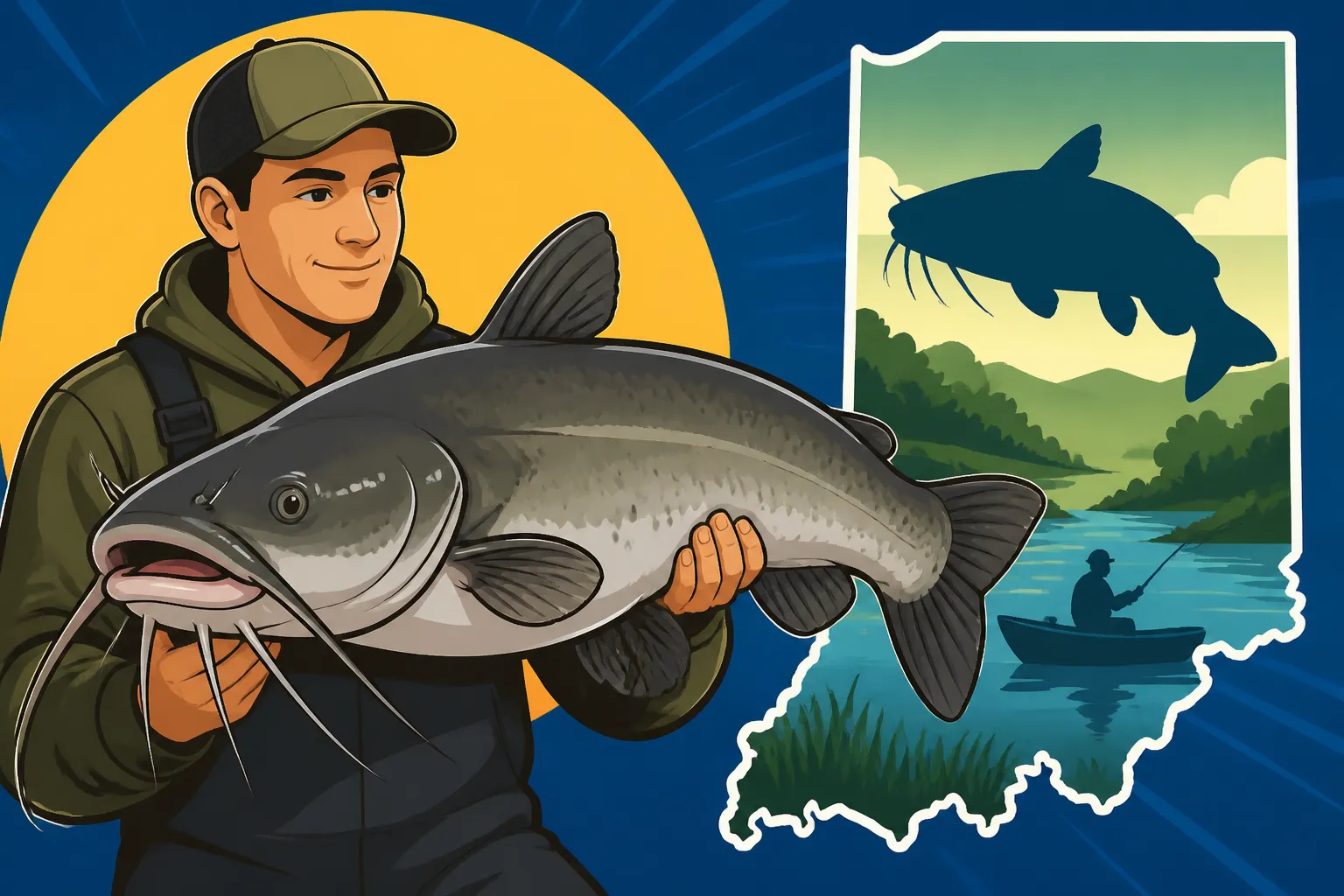
Most anglers in Indiana can expect to catch channel catfish in the 1 to 5-pound range, especially if they're fishing smaller ponds, lakes, or less-trafficked rivers. These are the workhorse fish that make up the bulk of catches, and they provide excellent sport and table fare. They're typically anywhere from 12 to 24 inches long, solid and full of fight. But don't let that average fool you; Indiana waters hold serious trophy potential. It's not uncommon for seasoned anglers to land channel cats weighing into the double digits, and truly massive specimens pushing into the 20, 30, and even 40-pound class are certainly out there. These giants are usually found in specific environments where conditions are just right for them to thrive for many years.
Imagine casting your line into a quiet bend of the Wabash River, expecting a typical 2-pounder, only to have your rod nearly ripped from your hands by something much, much larger. That's the dream, right? That's the potential that keeps us coming back. While these behemoths aren't an everyday occurrence, knowing they exist and understanding where and how they get that big can really change your fishing strategy. For many, just the chance of hooking into one of these big boys is enough to brave the elements.
Factors Influencing Growth
So, what makes a channel catfish grow from a fingerling into a true Indiana leviathan? It's a complex interplay of several crucial factors. The first is genetics. Like any species, some catfish are simply predisposed to grow larger than others. Then there's food availability. A catfish in an environment teeming with abundant prey – from smaller fish and insects to crustaceans and even plant matter – will obviously grow faster and larger than one in a sparse ecosystem. Think of it like us; if you have access to a consistent, high-quality diet, you're more likely to reach your full growth potential.
Water quality and temperature also play a significant role. Clean, well-oxygenated water with stable temperatures allows catfish to metabolize food efficiently and grow without undue stress. Conversely, poor water quality or extreme temperature fluctuations can stunt growth. Finally, and perhaps most importantly, there's age. Channel catfish are relatively long-lived fish. While a 10-year-old cat might be a nice fish, a 20 or 30-year-old specimen has had decades to pack on the pounds, given the right conditions. This is why targeting older, larger fish often means seeking out waters where they face less fishing pressure and have consistent access to everything they need to survive and thrive for an extended period. Understanding Channel Catfish Identification: Spots and Forked Tail can help you appreciate the specific characteristics of this amazing species.
Where Indiana's Monster Catfish Hide (and Grow Big)
It's not just about what they eat or how old they are; where they live makes a huge difference in how big channel catfish get in Indiana. Different types of water bodies offer varying conditions that either limit or encourage immense growth. You won't typically find state-record contenders in every farm pond, though many farm ponds can produce surprisingly nice fish.
Rivers vs. Lakes/Reservoirs
Indiana's rivers, particularly larger systems like the Wabash River, the White River, and the Ohio River, are often prime real estate for trophy channel catfish. These river systems offer several advantages: vast expanses of water, strong currents that deliver constant food, and plenty of deep holes, log jams, and undercut banks for shelter. The sheer volume of water and the constant influx of nutrients allow fish to grow without feeling cramped or competing too heavily for resources. You might also find good populations in the Tippecanoe River. Best Bait for Channel Catfish in Indiana Rivers often differs slightly from lake fishing, emphasizing scent and durability against current.
Lakes and reservoirs, while often stocked heavily with channel catfish, tend to produce a higher average number of fish, but perhaps fewer true giants compared to major rivers. Lakes like Monroe Lake, Patoka Lake, or Brookville Lake certainly have their share of big catfish, but the consistent flow and diverse ecosystem of a large river often provide the ultimate environment for a catfish to reach its maximum potential. In a river, a channel cat can roam vast distances, following food sources and finding undisturbed sanctuaries to grow old and wise. This isn't to say you can't find big cats in lakes – just that the consistency of truly enormous fish often leans towards our big river systems.
Specific Hotspots for Bigger Catfish
So, you want to target those bigger cats? You need to think like a big catfish. They want food, shelter, and a place to avoid predators and anglers. In rivers, look for deep holes, especially those on the outside bends where the current has scoured out a trench. Submerged log jams, fallen trees, and brush piles offer excellent cover and ambush points for feeding. Strong current breaks, like those found behind wing dams or large rocks, create eddies where catfish can rest and wait for food to drift by. Bridges and culverts can also be fantastic spots, as they often create current breaks and concentrate baitfish.
In reservoirs and larger lakes, focus on creek channels, old riverbeds, and deep humps or points. Any submerged structure, whether it's timber, rock piles, or artificial fish attractors, can hold big cats. Night fishing is also incredibly effective for larger catfish, as they are primarily nocturnal feeders and often move into shallower water to hunt under the cover of darkness. Understanding How to Catch Catfish at Night can significantly increase your chances of hooking into a bigger fish. Knowing the unique features of a body of water is key. For example, Patoka Lake Catfish Fishing Spots for Beginners often include areas around submerged timber or ledges, which are also great spots to find bigger, more elusive fish.
How Age and Diet Impact Catfish Size
It's clear that location matters, but a catfish's personal journey – its age and what it consumes over its lifetime – are absolutely critical in determining its ultimate size. These aren't fish that get big overnight; it's a marathon, not a sprint.
The Lifespan of an Indiana Channel Catfish
Channel catfish are surprisingly long-lived fish, which is a major reason they can attain such impressive sizes. In ideal conditions, with ample food and low fishing pressure, a channel catfish can easily live for 15 to 20 years, and some have been known to exceed 30 years! Imagine a fish that's been swimming in the same river system for three decades, constantly growing and gaining weight. That's the kind of fish that makes for legendary tales. Their growth rate isn't linear; they'll grow quickly in their younger years, then their growth will slow down but continue steadily throughout their lives, adding girth and length over time.
This extended lifespan means that if you're consistently catching smaller catfish in a particular spot, it might be due to heavy fishing pressure removing the older, larger individuals before they have a chance to really mature. Conversely, finding a less-pressured area, perhaps one that's harder to access or less known, can often yield older, bigger fish that have simply had more time to grow. It highlights the importance of catch-and-release, especially for those truly large breeder fish, to ensure future generations of trophy-sized channel cats. These fish are a valuable resource, and respecting their age and growth potential is part of being a responsible angler.
What Makes a Catfish a Chunky Catfish
A big catfish is almost always a fat catfish, and that comes down to one thing: a lot of good food. Channel catfish are opportunistic omnivores, meaning they'll eat just about anything they can get their mouths around. While they're often associated with scavenging, they are also active predators, and a diet rich in protein is essential for significant growth. Smaller fish like shad, minnows, and sunfish provide excellent nutrition. Insects, crayfish, mussels, and even plant matter round out their diet. In some areas, they even feed on agricultural runoff, which can be rich in nutrients.
The abundance and variety of food in their habitat directly translate to their growth potential. A catfish in a river system with a thriving baitfish population and plenty of other aquatic organisms will have a consistent caloric intake, allowing it to pack on weight. This is why areas like the major river systems, which are diverse ecosystems, often produce larger fish. When targeting bigger catfish, consider baits that mimic their preferred food sources. Fresh cut bait, like shad or skipjack, or even large chunks of chicken liver or shrimp, can be irresistible to a hungry, trophy-sized channel cat looking for a substantial meal. Understanding their diet helps us understand How Big Do Channel Catfish Get in Indiana? and how to best tempt them.
Setting Realistic Expectations (and Chasing Giants!)
It's easy to get caught up in the pursuit of a record-breaker, but it's also important to appreciate every fish you catch. Fishing is about the experience, the challenge, and the connection to nature, not just the size of your catch. However, if you are set on pursuing those bigger channel catfish, there are definitely strategies you can employ to increase your odds.
The Thrill of the Average Catch
Let's be real: catching a 2-5 pound channel catfish is still a blast! These fish fight hard, pull with surprising strength, and are fantastic on the dinner plate. There's a reason they're one of Indiana's most popular sport fish. For many families, an afternoon spent catching a mess of "eaters" is the perfect fishing trip. It's accessible, rewarding, and doesn't require specialized gear or techniques. If you're fishing with kids or just looking for consistent action, targeting these average-sized fish is often the way to go. You'll get more bites, more action, and more opportunities to perfect your technique. Plus, nothing beats the fresh taste of a perfectly cooked Indiana channel cat. Is Channel Catfish Good to Eat? Absolutely!
The joy of fishing isn't solely defined by trophy catches. It's in the quiet moments, the shared laughs, the excitement of a bending rod, no matter the size of the fish on the other end. So, while we talk about chasing giants, remember that every channel catfish you reel in from Indiana's waters represents a successful outing and a connection to the rich fishing heritage of our state.
Strategies for Targeting Bigger Cats
If your goal is to land one of those Indiana giants, you need to adjust your approach. First, go big on bait. Forget tiny worms; think large cut bait, whole dead shad, or substantial chicken parts. The larger the bait, the more likely you'll deter smaller fish and attract the attention of a true trophy. Second, use heavy-duty tackle. This isn't the time for ultralight gear. A stout medium-heavy to heavy action rod, a reel with a strong drag system, and line in the 20-30 pound test range are essential. You might even consider braided line for its strength and sensitivity. You can find a great selection of durable gear on platforms like Amazon, ensuring you're ready for whatever bites.
Third, focus on those less-pressured, deeper, and more structured areas we discussed earlier – the big rivers, the deep channels, the gnarly log jams. These are where the older, wiser, and larger catfish tend to live. Be patient; big fish don't bite as frequently as smaller ones. You might go longer between bites, but the payoff can be monumental. And finally, consider your timing. Night fishing, as mentioned, is often prime time for big cats, but overcast days or periods of stable weather can also be productive. Remember that the Best Season for Catfish Fishing in Indiana typically spans from late spring through early fall, when water temperatures are warmer and catfish are most active.
Here’s a quick overview of what influences channel catfish size:
| Factor | Impact on Size | Best Locations for Larger Fish |
|---|---|---|
| Age | Longer lifespan = larger fish | Less-pressured areas, deep river holes, remote lake sections |
| Food Source | Abundant, varied, high-protein diet | Nutrient-rich rivers, reservoirs with ample baitfish |
| Water Quality | Clean, oxygenated water for optimal metabolism | Major river systems, healthy lakes |
| Habitat | Ample cover, deep areas, current breaks | River bends, log jams, deep creek channels in lakes |
| Genetics | Some fish are predisposed to grow larger | Found in established, healthy populations |
Ultimately, while the average channel catfish in Indiana might be a few pounds, the potential for true behemoths is very real. With the right knowledge, equipment – easily sourced from retailers like Amazon – and a bit of patience, you might just find yourself battling the biggest channel cat of your life right here in the Hoosier state.
Disclaimer
This article is for general informational purposes only and does not constitute professional advice. Laws, prices and regulations vary by location and change over time. Consult a qualified professional for guidance on your specific situation.