Is Channel Catfish Good to Eat?
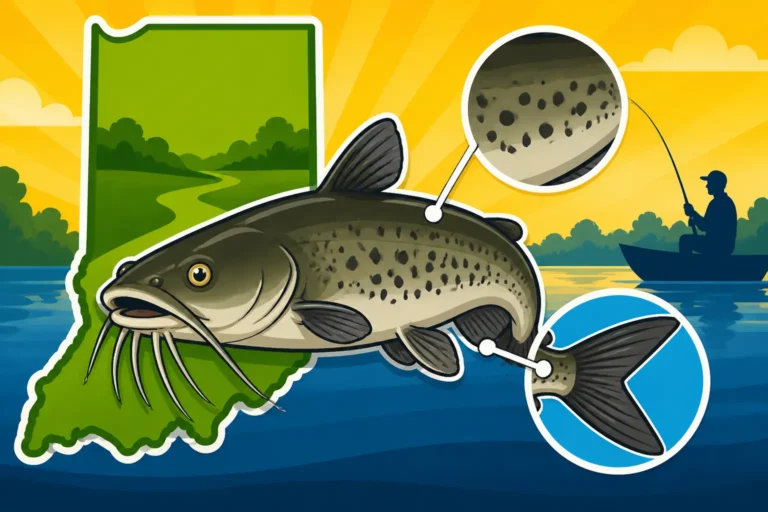
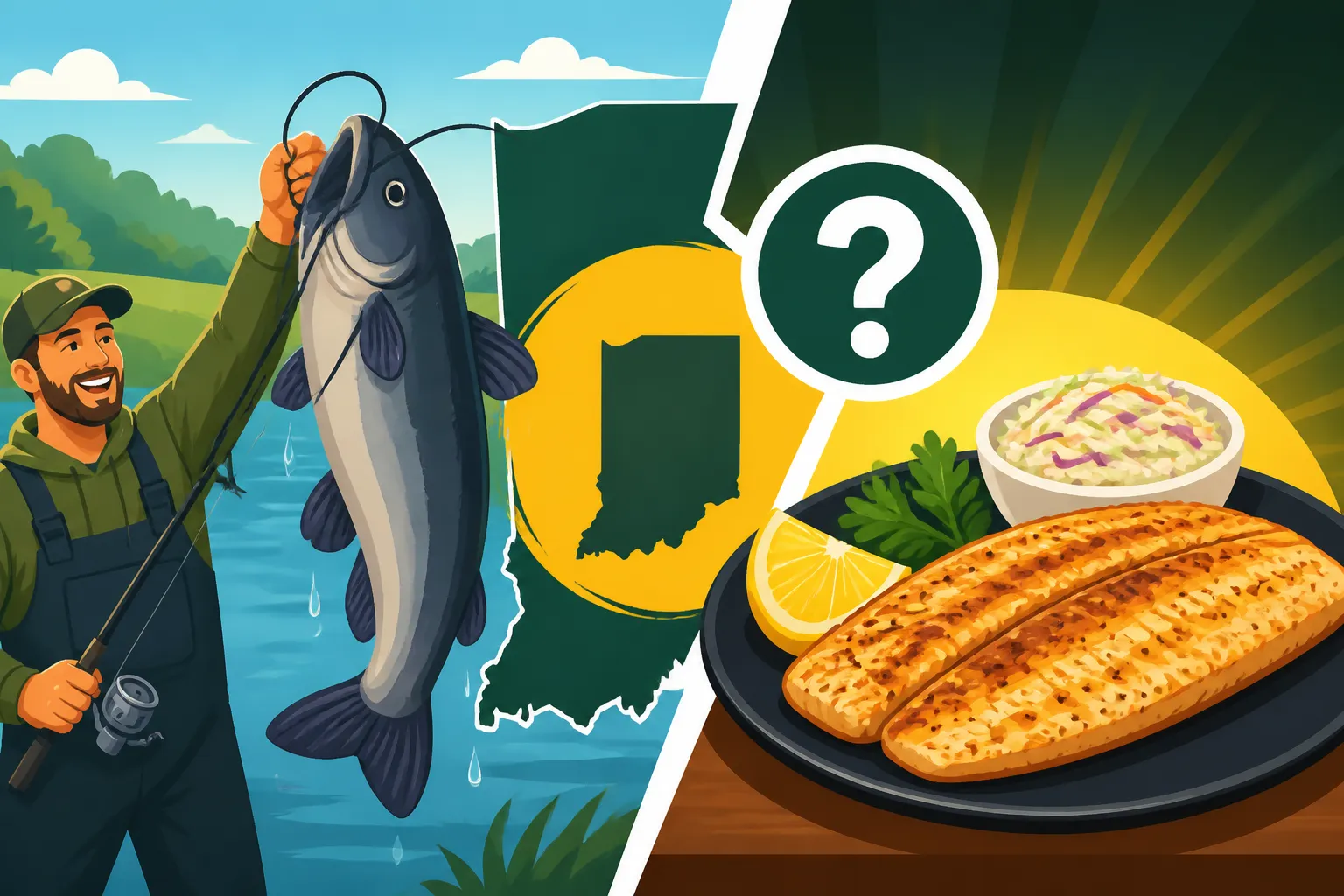
There's a common question that swirls around many an Indiana angler's mind after a successful day catching whiskered beauties: "Is channel catfish good to eat?" You've heard the rumors, perhaps experienced a less-than-stellar plate of fish, or maybe you're just new to cleaning and cooking them. It's totally understandable to be curious, especially when you've put in the effort to reel in a nice one. The truth is, when handled and prepared correctly, channel catfish can be absolutely delicious – a true freshwater delicacy with a mild, flaky white meat that rivals many other popular game fish. This guide is here to cut through the myths and give you all the information you need to turn your Indiana channel catfish into a fantastic meal.
The Flavor Profile of Indiana Channel Catfish
Let's talk taste. The flavor of channel catfish is often a topic of debate, with some folks swearing by it and others hesitant due to past experiences. But like most things in life, the devil is in the details, or in this case, the water and the preparation. When done right, channel catfish offer a delightful culinary experience that can easily become a favorite at your dinner table.
What Influences Catfish Taste?
Several factors can significantly impact how your channel catfish tastes, which is why some people might have had a "muddy" experience while others rave about its mildness. Understanding these influences is key to getting the best flavor from your catch. First and foremost, the environment where the catfish lives plays a massive role. Fish caught from clean, cool, flowing water like rivers or clear lakes tend to have a much cleaner, milder flavor compared to those pulled from stagnant, muddy ponds with low oxygen levels. These less-than-ideal environments can cause a buildup of geosmin, a naturally occurring organic compound that gives fish, and even some vegetables like beets, that earthy or "muddy" taste.
Size also matters, though perhaps not in the way you might think. Generally, smaller to medium-sized channel catfish, those in the 1 to 5-pound range, are often considered to have the best flavor and texture. Larger, older catfish can sometimes develop a stronger, fishier taste and tougher, fattier flesh. Think about it like prime cuts of beef – there's a sweet spot for tenderness and flavor. What a fish eats is another huge factor. Catfish are opportunistic feeders, eating everything from insects and crustaceans to smaller fish and even vegetation. A varied, natural diet often translates to a better-tasting fish. Conversely, a diet consisting heavily of algae or decaying matter in poor water conditions can contribute to off-flavors. This is why paying attention to where you're Channel Catfish Fishing in Indiana: The Complete Guide can make a real difference in your culinary outcome.
The Mild, Flaky Truth About Channel Catfish
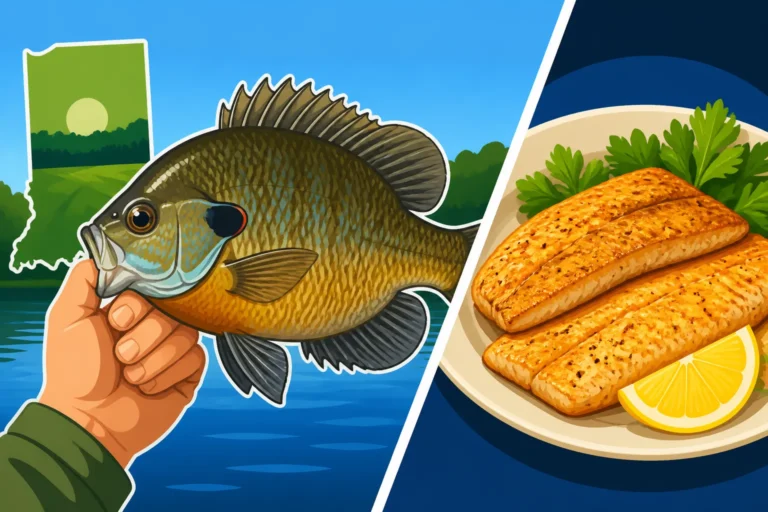
When all the stars align – clean water, appropriate size, and a healthy diet – Indiana channel catfish meat is anything but muddy. It's typically white, firm, and flaky, with a surprisingly delicate and mild flavor. It’s not overpoweringly "fishy" like some saltwater species or even other freshwater fish. This mildness is precisely what makes it so versatile in the kitchen, allowing it to take on the flavors of whatever spices, marinades, or cooking methods you choose. Many compare its texture and flavor favorably to cod or tilapia, making it a crowd-plepleasing option even for those who claim not to be big fish eaters.
For those who might be skeptical due to a previous bad experience, I encourage you to give it another try, focusing on fish caught from better waters and properly prepared. The reputation of "muddy" catfish largely stems from historical catching methods and less-than-ideal cleaning. With a little care, the true mildness and deliciousness of channel catfish shine through, proving why it's such a popular food fish across the country. There's a reason so many fish frys feature catfish, and it's not because people enjoy muddy flavors!
Cleaning and Preparing Your Catch for the Table
The journey from the hook to the plate is where a lot of the magic, or indeed, the unfortunate "muddy" taste, can happen. Proper handling and cleaning are paramount to ensuring your Indiana channel catfish tastes its absolute best. Don't rush this step; it's just as important as the fishing itself.
Field Dressing: A Crucial First Step
Field dressing, or gutting your fish soon after catching it, is perhaps the most crucial step in preventing off-flavors. As soon as a fish dies, enzymes in its gut begin to break down, and these can quickly taint the surrounding flesh if not removed promptly. This is especially true for bottom feeders like catfish, whose digestive systems can contain more strong-tasting contents. If you’re out on the Best Rivers for Fishing in Indiana or one of the many Indiana lakes, carry a cooler with ice. As soon as you land a keeper, dispatch it humanely, and then immediately gut it. Make a slit from the vent to the gills, carefully remove all the entrails, and then rinse the cavity thoroughly with clean water.
Once gutted, place the fish directly on ice in your cooler. This rapid cooling slows down bacterial growth and enzyme activity, keeping the flesh firm and fresh. The longer a fish sits un-gutted, especially in warm temperatures, the higher the chance of undesirable flavors developing. Think of it like handling meat – you wouldn't let a steak sit out for hours before refrigerating it. The same care applies here. This simple, quick step right after catching can dramatically improve the final taste of your meal.
Filleting vs. Steaking: Maximizing Your Yield
When it comes to preparing the fish for cooking, you generally have two main options: filleting or steaking. Filleting involves removing the meat from the bones in a single piece, resulting in boneless portions that are perfect for frying or baking. This is often preferred for channel catfish, as it allows for easy removal of skin and any darker, fattier meat that might be near the skin or bloodline. For those looking for clean, ready-to-cook pieces, filleting is the way to go. You might even find some excellent fillet knives on Amazon to make the job easier and more efficient.
Steaking, on the other hand, involves cutting larger fish (typically over 3-4 pounds) crosswise into thick, bone-in sections. While not as common for channel catfish as it is for larger game fish like salmon or even bigger flatheads, it can be an option for particularly large channel cats. The bones add flavor and moisture during cooking, but you'll have to navigate them while eating. For channel catfish, especially those smaller, plate-sized fish that offer the best flavor, filleting is generally recommended to get boneless, skinless, and truly mild portions. Whichever method you choose, a sharp knife is your best friend for clean cuts and minimal waste.
Removing the Mud Vein and Other Off-Flavors
Even with proper field dressing, some catfish might retain a faint "mud vein" – a darker strip of meat that runs along the lateral line. This isn't truly a vein but rather a concentration of fat and sometimes blood vessels, and it can be responsible for some of the stronger, "fishier" tastes people associate with catfish. When filleting, it's a good practice to trim away this darker strip of meat entirely. You'll notice it, it's usually distinct from the lighter, pure white flesh.
Additionally, after filleting, giving your fish a good rinse and then patting it dry is essential. Some anglers even suggest soaking the fillets in a mixture of milk and water, or saltwater, for an hour or two in the refrigerator before cooking. The theory is that the milk or salt helps draw out any remaining impurities or off-flavors, leaving you with even milder, whiter flesh. While not strictly necessary for every fish, it's a worthwhile step if you're concerned about potential off-flavors, or if you're experimenting with Best Catfish Rigs for Muddy Water locations. Regardless of your chosen method, ensuring that any residual fat, blood, or darker meat is removed will significantly contribute to the pleasant, mild taste of your cooked channel catfish.
Popular Cooking Methods for Channel Catfish
The versatility of channel catfish meat truly shines when you consider the myriad ways it can be cooked. Its mild flavor and firm-but-flaky texture make it a fantastic canvas for a wide range of culinary styles. Whether you're a fan of classic comfort food or looking for something a bit lighter, there's a catfish recipe out there for you.
Classic Deep-Frying: The Southern Staple
When most people think of eating catfish, especially in the Midwest and South, deep-frying immediately comes to mind. And for good reason! Deep-fried channel catfish is a beloved classic, offering a perfectly crispy exterior and a tender, moist, flaky interior. The key to excellent fried catfish lies in a good dredge or batter. Cornmeal-based breadings are traditional, often seasoned with Cajun spices, paprika, garlic powder, and a touch of cayenne for a kick. Some folks prefer a lighter flour dredge, or even a beer batter for extra crispiness.
The process is fairly straightforward: dredge your fillets, ensuring they are thoroughly coated, and then fry them in hot oil (around 350-375°F or 175-190°C) until golden brown and cooked through. This usually takes only a few minutes per side, depending on the thickness of your fillets. Serve them up with hushpuppies, coleslaw, and a squeeze of lemon, and you've got a meal that's pure comfort food. The high heat of frying locks in moisture and creates a delightful contrast in textures that makes this method incredibly popular for good reason. For home frying, you can find a suitable deep fryer or even a heavy-bottomed cast iron skillet on Amazon.
Baking and Grilling: Healthier, Lighter Options
If you're looking for a healthier or lighter way to enjoy your channel catfish, baking and grilling are fantastic alternatives to deep-frying. These methods allow the natural, mild flavor of the fish to truly shine, often with fewer added fats. For baking, simply place your seasoned fillets on a baking sheet, perhaps with a drizzle of olive oil, a squeeze of lemon, and some fresh herbs like dill or parsley. Bake at around 400°F (200°C) for 12-15 minutes, or until the fish flakes easily with a fork. You can also add a crumb topping for a bit of crunch without the deep-fried calories.
Grilling offers a wonderful smoky flavor, especially if you use charcoal or wood chips. Catfish fillets can be a bit delicate on the grill, so using a fish basket or grilling on aluminum foil can prevent them from sticking or falling apart. Marinating the fillets for 30 minutes to an hour beforehand can also add flavor and help keep them moist. A simple marinade of lemon juice, olive oil, garlic, and your favorite spices works beautifully. Grill for a few minutes per side until opaque and flaky. These methods are excellent for enjoying the lean, protein-rich goodness of channel catfish without the heavier feel of fried food.
Pan-Frying and Sautéing: Quick and Easy Dinners
For a quick weeknight meal, pan-frying or sautéing your channel catfish fillets is an excellent choice. These methods are less involved than deep-frying but still deliver a satisfying crispy crust and tender interior. For pan-frying, you'll typically use a shallow layer of oil (about 1/4 to 1/2 inch) in a skillet. Lightly dredge your fillets in seasoned flour or cornmeal, and then fry them over medium-high heat until golden brown on both sides. The result is a crispier exterior than baking, but not as heavy as a full deep-fry.
Sautéing is even lighter, often using just a small amount of butter or olive oil. This method is perfect for very thin fillets or if you want to incorporate the catfish into a pasta dish or a stir-fry. Season your fillets well, then cook them quickly over medium-high heat until just done, usually only 2-3 minutes per side. The goal is to cook it just until it flakes, preserving its delicate moisture. You can even deglaze the pan with a little white wine or chicken broth to create a quick sauce. Both pan-frying and sautéing are fantastic ways to highlight the fish's flavor and get dinner on the table in a flash, making them perfect for busy anglers who want to enjoy their Indiana Channel Catfish: Where to Find Them right away.
| Flavor Influencer | Impact on Catfish Taste | Tips for Best Flavor |
|---|---|---|
| Water Quality/Habitat | Clean, flowing water = mild flavor; Stagnant, muddy = earthy/stronger. | Fish in clear lakes, rivers. Avoid overly muddy, stagnant areas. |
| Diet of Fish | Varied natural diet = better flavor; Algae-heavy = off-flavors. | Choose fish from diverse ecosystems. |
| Size of Fish | Smaller (1-5 lbs) = milder, flakier; Larger = stronger, fattier. | Target medium-sized channel catfish for eating. |
| Post-Catch Handling | Delay in gutting/cooling = rapid flavor degradation. | Field dress immediately, pack on ice promptly. |
| Cleaning/Preparation | Mud vein left in = stronger taste; Skin on = tougher. | Remove "mud vein," skin fillets, optional milk soak. |
| Cooking Method | Frying = crispy, rich; Baking/Grilling = lighter, natural flavor. | Experiment with methods to find your preference. |
Beyond the Plate: Nutritional Value and Safety
While taste is undeniably important, it's also worth considering the nutritional benefits of including channel catfish in your diet, as well as being aware of any potential safety concerns. Knowledgeable anglers and consumers make the best choices for their health and enjoyment.
The Health Benefits of Eating Catfish
Channel catfish is more than just a tasty meal; it's also a powerhouse of nutrition. It's an excellent source of lean protein, which is essential for building and repairing tissues, and it helps you feel full and satisfied. Beyond protein, catfish is also rich in healthy fats, particularly omega-3 fatty acids. While not as high in omega-3s as some fatty cold-water fish like salmon, it still provides a beneficial amount that contributes to heart health, brain function, and reducing inflammation throughout the body.
Furthermore, catfish contains a good array of vitamins and minerals. You'll find B vitamins, like B12 and niacin, which are crucial for energy metabolism and nervous system health. It also provides phosphorus, important for strong bones and teeth, and selenium, an antioxidant that helps protect cells from damage. Incorporating fish like channel catfish into your diet a couple of times a week can be a fantastic way to boost your nutrient intake and support overall well-being. It’s a smart choice for anyone looking for a wholesome, natural food source straight from Indiana's waters.
Mercury and Contaminants: What Indiana Anglers Should Know
When consuming any wild-caught fish, it's natural to have questions about contaminants like mercury or PCBs. It's always a good idea to be informed. Generally, channel catfish are considered a relatively low-mercury fish compared to larger, longer-lived predatory species like muskie or very large walleye. This is because mercury tends to accumulate in fish over their lifespan, and catfish typically don't live as long or eat as many mercury-rich prey items as top predators. However, like any fish, contaminant levels can vary depending on the specific water body and the age/size of the fish.
Most state environmental and health departments, including Indiana's, provide fish consumption advisories for various lakes and rivers. These advisories are usually readily available online and at public access points. They will often recommend limits on how much fish from certain locations should be eaten, especially for vulnerable populations like pregnant women, nursing mothers, and young children. It's always prudent to check these local advisories for the specific body of water where you caught your fish. As a general rule, choosing smaller, younger fish (as we discussed for flavor) also tends to minimize exposure to accumulated contaminants. When in doubt, enjoy your fish in moderation and consult official state resources for the most up-to-date information on the waters you fish.
Sourcing Your Channel Catfish: Wild vs. Farmed
For those interested in eating channel catfish, you generally have two avenues for obtaining them: catching them yourself from the wild or purchasing farm-raised fish. Both options have their merits and distinct characteristics that might influence your preference.
The Wild Indiana Catch: Experience the Thrill
There’s an undeniable satisfaction that comes from catching your own dinner. For many Indiana anglers, reeling in a channel catfish from a local river or lake is a fantastic experience, and eating that fish you personally caught takes it to another level. The flavor of wild-caught channel catfish, as discussed, can be superb, especially when harvested from clean, flowing waters. There's a freshness that's hard to beat when the fish goes from the water to your cooler to your kitchen in a matter of hours.
Fishing for channel catfish in Indiana is often accessible and rewarding. You can find them in a huge variety of environments, from the larger rivers like the Wabash and White to numerous lakes and reservoirs across the state. They respond well to simple baits, making them a great target for beginners and seasoned anglers alike. When you go out to target them, you might want to look at resources like Best Bait for Channel Catfish in Indiana Rivers or even How to Bottom Fish for Channel Catfish to increase your chances of success. The experience of the chase, the fight, and the eventual reward of a delicious meal is a huge part of the appeal of wild-caught channel catfish.
Farm-Raised Catfish: A Consistent and Convenient Choice
While wild-caught catfish offer the thrill of the hunt, farm-raised channel catfish provide a consistent and convenient option for those who prefer to buy their fish. The vast majority of catfish consumed in restaurants and sold in grocery stores across the U.S. are farm-raised, primarily in states like Mississippi. These operations focus on creating optimal growing conditions that result in a very mild, consistent flavor profile. Farm-raised catfish are fed a controlled diet, and their water quality is carefully managed, which virtually eliminates the "muddy" taste sometimes associated with wild fish from poor habitats.
You'll find farm-raised catfish readily available as fillets in most grocery stores, making it incredibly easy to prepare. It's often a more affordable option compared to some other fish species, and its mildness makes it a family-friendly choice. So, if you're not an angler yourself, or if you simply want a reliable, ready-to-cook option, farm-raised channel catfish is an excellent culinary choice. It consistently delivers that firm, white, flaky meat that is so delicious, and it's always good to have options, whether you’re heading out with your Best Catfish Rods for Indiana Rivers or just browsing the seafood aisle.
Disclaimer
This article is for general informational purposes only and does not constitute professional advice. Laws, prices and regulations vary by location and change over time. Consult a qualified professional for guidance on your specific situation.