Lake Wawasee: Indiana’s Largest Natural Lake and Its Fish
It can be a real head-scratcher trying to figure out what kind of fish actually live in a massive body of water like Lake Wawasee, especially when you're planning a trip and want to maximize your chances of a great catch. You don't want to show up with bass gear only to find it's a walleye haven, or vice versa! This comprehensive guide will pull back the curtain on the incredible diversity of fish species thriving in Indiana's largest natural lake, giving you the insider knowledge you need for a successful and enjoyable fishing adventure.
Lake Wawasee's Unique Character as Indiana's Largest Natural Lake
Lake Wawasee isn't just any lake in Indiana; it holds the distinction of being our largest natural lake. This isn't a man-made reservoir with fluctuating water levels and submerged timber that defines so many other fisheries. Wawasee is a product of glaciers, and that ancient history has shaped it into a truly special fishing destination. Understanding its natural origins and unique characteristics is the first step toward becoming a more successful angler here.
The Glacial Legacy and Its Impact on Fish Habitat
Imagine colossal sheets of ice, slowly carving out the landscape thousands of years ago. That's how Lake Wawasee was formed, leaving behind a deep, clear basin with a varied bottom composition. Unlike many of our state's reservoirs, which were created by damming rivers, Wawasee boasts consistent water levels, incredibly clear water, and a diverse range of depths, from shallow flats to impressive deep holes. This glacial heritage means the lake offers a multitude of habitats – rocky structures, extensive weed lines, sandy bottoms, and deep, cool thermoclines – which in turn supports a richer variety of fish species. These distinct environments mean different fish thrive in different areas, and knowing this helps you target them effectively.
The crystal-clear water, while beautiful, also presents a unique challenge and reward. Fish in clear water can be more wary, making long casts and subtle presentations crucial. However, the clarity also means healthier aquatic vegetation, which provides essential cover, oxygen, and food sources for baitfish and game fish alike. For instance, the extensive weed beds aren't just a nuisance; they're bustling nurseries and ambush points for largemouth bass and northern pike. Anglers often find themselves needing to adapt their approach from what might work in murkier, reservoir conditions, but the payoff can be incredibly rewarding, often yielding larger, healthier fish.
The deep sections of Wawasee are also crucial. They act as thermal refuges during the hot summer months, allowing cold-water species like walleye to thrive, something you don't always see in shallower impoundments. This consistent, natural environment provides a stable foundation for a vibrant and resilient fishery, one that has been carefully managed for generations. It’s a true testament to the power of nature and the ongoing efforts to maintain its ecological balance.
Understanding the Ecosystem for Better Fishing Success
To truly unlock Lake Wawasee's fishing potential, you need to think like a fish, or at least understand their world. The lake's structure isn't just random; it's a blueprint for fish activity. You'll find expansive, shallow flats that warm quickly in spring, drawing in panfish and bass for spawning. Then there are dramatic drop-offs and humps that provide excellent ambush points for walleye and smallmouth bass, especially during transitional seasons. Understanding these underwater contours, often with the help of modern fish finders, is paramount. Best Fish Finders for Indiana Lake Fishing These tools aren't just gadgets; they're your eyes beneath the surface, revealing the hidden highways and neighborhoods of Wawasee's fish.
The food chain is another critical piece of the puzzle. Wawasee is home to a robust population of baitfish like shad and various minnows, which form the base of the predatory fish's diet. Knowing what the fish are eating on any given day can drastically improve your lure selection. Are they chasing schools of baitfish in open water, or are they digging for crayfish along rocky bottoms? The answer often dictates whether a crankbait, a jig, or a soft plastic will be your most effective weapon. Even the presence and type of aquatic vegetation play a huge role, providing cover for bait and predators alike.
Ultimately, the health and vibrancy of Lake Wawasee's fish populations are intertwined with the overall health of its ecosystem. Clear water, diverse plant life, and a balanced food chain mean more opportunities for anglers. By observing the water, understanding the weather patterns, and paying attention to the details of the environment, you're not just fishing; you're engaging with a complex and beautiful natural system. That deeper understanding is what truly separates a casual angler from a consistently successful one on a lake as dynamic as Wawasee.
Prime Predatory Species: Bass, Walleye, and Pike
If you're looking for a thrilling fight and the chance to land some impressive game fish, Lake Wawasee will not disappoint. It's renowned for its robust populations of predatory species, each offering a unique challenge and a powerful tug on your line. From the explosive strikes of bass to the subtle bite of walleye and the aggressive charges of pike, Wawasee provides a diverse predatory fishery that keeps anglers coming back for more.
Largemouth and Smallmouth Bass Opportunities
Lake Wawasee is a fantastic destination for bass anglers, boasting healthy populations of both largemouth and smallmouth bass. For the largemouth, you'll want to focus on the lake's abundant cover. Think thick weed lines, expansive lily pad fields, dense submerged vegetation, and the myriad of docks and piers that dot the shoreline. These are classic ambush points where largemouth lie in wait for unsuspecting baitfish or frogs. Topwater lures fished around these areas in the early morning or late evening can provide some truly heart-stopping explosions, while jigs, Texas-rigged worms, and spinnerbaits worked through the thicker stuff are incredibly effective during the day. This lake truly offers prime territory for those who love to flip, pitch, and cast into heavy cover. For a deeper dive into techniques, check out Largemouth Bass Fishing in Indiana: The Complete Guide.
Smallmouth bass, on the other hand, tend to prefer the clearer, deeper, and rockier areas of Wawasee. Look for them around points, ledges, humps, and any transition zones where hard bottom meets softer sediment. These bronzebacks are notorious fighters, known for their powerful runs and aerial acrobatics. Dropshot rigs, tube jigs, and small crankbaits that imitate crayfish are often deadly effective when fished slowly along these structures. The challenge with smallmouth is often finding them, as they can roam deeper waters, but once you locate a school, the action can be fast and furious. The clear water here means you might need lighter lines and more subtle presentations to fool these wary predators, but the reward of a hard-fighting smallmouth is well worth the effort.
The beauty of Wawasee is that you can often target both species on the same trip, adapting your techniques as you move from shallow, vegetated bays to deeper, rocky points. This dual opportunity makes it a versatile bass fishery, appealing to anglers who enjoy variety and the challenge of deciphering two distinct fish behaviors. Whether you're a seasoned bass pro or just starting out, Wawasee offers plenty of opportunities for exciting bass action.
Chasing Walleye in Wawasee's Depths
Walleye fishing on Lake Wawasee is a pursuit for those who appreciate a challenge and the reward of a truly delicious meal. While often more elusive than bass, Wawasee holds a strong population of these revered fish, known for their keen eyesight and preference for low-light conditions. You'll typically find walleye lurking in deeper water during the day, often along expansive flats, subtle humps, and the edges of sharp drop-offs. They are masters of using current or structure to ambush their prey, so understanding the underwater topography is key to locating them. During twilight hours or on overcast days, they might move shallower to feed, offering excellent opportunities for casting or slow trolling.
Successful walleye techniques on Wawasee often involve methodical presentations. Trolling with crankbaits or spinnerbaits with crawler harnesses can cover vast amounts of water and help you locate schools, especially over the deeper flats. Vertical jigging with plastics or live bait, like minnows, is incredibly effective when you pinpoint concentrations of fish on your electronics. The trick is a slow, subtle presentation – walleye aren't often aggressive biters, sometimes feeling like just a slight weight on your line. Knowing the nuances of Indiana Walleye Fishing: A Complete Guide can make all the difference.
The average size of walleye in Wawasee is respectable, and anglers occasionally hook into true trophy fish, making every bite an exciting mystery. However, remember to always be mindful of regulations, such as the Walleye Minimum Length North of State Road 26, to ensure the continued health of the fishery. Catching a Wawasee walleye is not just about the fish itself; it's about the patient strategy, the careful technique, and the satisfaction of outsmarting one of the lake's most cunning predators.
The Thrill of Northern Pike Fishing
For anglers who crave aggressive strikes and powerful fights, Lake Wawasee's northern pike population offers an exhilarating experience. Pike are ambush predators, perfectly camouflaged and lying in wait within dense cover. In Wawasee, this means focusing your efforts around the extensive weed beds, lily pad fields, and submerged timber, particularly in the shallower bays and along the edges of channels. They have a voracious appetite and will strike at anything that resembles a struggling baitfish, making them incredibly fun to target with artificial lures.
When targeting pike, you'll want to employ robust gear. Medium-heavy to heavy action rods paired with baitcasting reels are standard, spooled with strong braided line. Because of their razor-sharp teeth, a steel or heavy fluorocarbon leader is absolutely essential to prevent bite-offs. Without it, you're practically guaranteed to lose fish and lures. Large spinnerbaits, spoons, jerkbaits, and even topwater lures that create a commotion are all excellent choices for enticing a strike. For more detailed information on specific techniques and tackle, check out our Northern Pike Fishing in Indiana: A Complete Guide.
Pike put up an incredibly strong fight, often making powerful runs and violent head shakes. Landing a big pike requires patience and a good net, and handling them carefully is crucial due to their teeth. While some anglers enjoy keeping pike for their flaky white meat, many choose to practice catch-and-release, especially with the larger specimens, to preserve Wawasee's trophy potential. The thrill of a pike crashing a lure near cover is one of the most exciting experiences Wawasee has to offer.
Panfish Paradise: Crappie, Bluegill, and Perch
While the big predators get a lot of attention, Lake Wawasee is also a true panfish paradise, offering incredible opportunities for consistent action and delicious table fare. These smaller, schooling fish are abundant and provide fantastic angling experiences for everyone, from seasoned veterans to brand-new anglers and families looking for a relaxing day on the water. Don't underestimate the fun and challenge that Wawasee's panfish can provide.
Abundant Crappie for Anglers of All Skill Levels
Lake Wawasee is home to a thriving population of crappie, primarily black crappie, which are a favorite among anglers for their willingness to bite and their delectable taste. These schooling fish are often found relating to structure, whether it's submerged brush piles, standing timber, boat docks, or even suspended in open water over deeper flats. In the spring, they move into shallower bays and creek mouths for spawning, offering some of the best shallow-water fishing opportunities of the year. During other seasons, you might find them congregated around deeper structures or suspended at specific depths where the water temperature and baitfish are just right.
Crappie are typically caught using light tackle, which makes every fish feel like a battle. Small jigs (often 1/16 to 1/8 ounce), tipped with a tiny plastic grub or a live minnow, are incredibly effective. A simple bobber setup with a minnow can be deadly, especially for beginners. Techniques like vertical jigging, slow trolling with small crankbaits, or even tightlining along structure can all produce great results. Because Wawasee has clear water, experimenting with jig colors and sizes, and using lighter lines, can often improve your success. If you're looking to brush up on your skills, our guide on Crappie and Panfish Fishing Techniques for Beginners is a great resource. You'll often find that once you locate a school of crappie, the action can be non-stop, making for a memorable outing.
Remember that Crappie Spawn Timing on Indiana Lakes often dictates where you'll find them at certain times of the year, so keeping an eye on water temperatures can be a significant advantage. Whether you're targeting a quick limit for a fish fry or simply enjoying the steady tug on your line, Wawasee's crappie fishery provides consistent excitement and plenty of opportunities to fill a cooler.
Bluegill and Other Sunfish for Family Fun
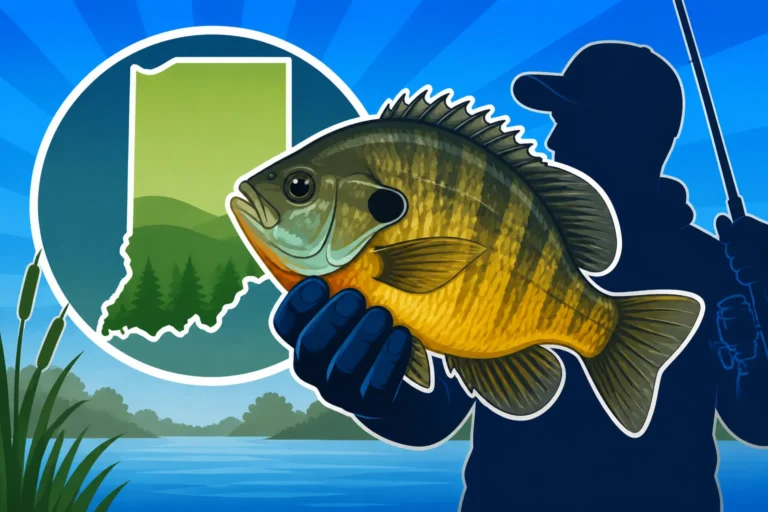
When it comes to introducing someone to the joys of fishing, or simply enjoying a relaxing day with constant action, Wawasee's bluegill and other sunfish are absolutely perfect. These ubiquitous panfish are abundant throughout the lake, making them an ideal target for anglers of all ages, especially children. They congregate in shallow, weedy bays, around lily pads, near docks, and along any shoreline structure that provides cover and a food source. You'll often spot them dimpling the surface on calm evenings, feeding on insects.
Catching bluegill is as straightforward and fun as fishing gets. A simple ultralight rod and reel, a bobber, a small hook, and a piece of live bait like a redworm, wax worm, or cricket is all you need. You can also have great success with tiny jigs or spinners, especially in slightly deeper water. The beauty of bluegill fishing is that you don't need a fancy boat or expensive gear; many spots are accessible from shore or public piers. This accessibility, combined with their enthusiastic biting habits, makes them the ultimate target for family outings and creating lasting memories. To help beginners get started, our guide on Bluegill and Panfish: A Great Starter Fish for Kids in Indiana offers excellent advice.
Beyond bluegill, Wawasee is also home to other sunfish species, such as redear sunfish (often called shellcrackers), which grow to impressive sizes and put up a surprisingly strong fight. While they are slightly more selective eaters, targeting them with worms or small jigs around deeper weed beds can yield some truly impressive catches. The sheer abundance and cooperative nature of Wawasee's panfish make it a consistently rewarding fishery that guarantees plenty of bent rods and smiles.
Yellow Perch: A Tasty Wawasee Treat
Lake Wawasee also offers excellent opportunities for yellow perch, another highly sought-after panfish, especially prized for its firm, delicious white meat. These schooling fish are a favorite among anglers, particularly when the weather turns cooler, though they can be caught year-round. Yellow perch typically prefer cooler water than bluegill and crappie, often relating to deeper breaks, subtle humps, and points, especially those with some weed growth or woody debris nearby. They tend to stick together in schools, so once you find one, you've often found many!
When targeting yellow perch, subtle presentations are often the most effective. Small jigs tipped with minnows or pieces of nightcrawler are classic baits, fished either vertically or under a slip bobber. Small spoons or blade baits can also be effective, especially when jigged near the bottom. Like walleye, perch are visually oriented feeders, and their striking yellow and black barred patterns make them easily identifiable when pulled from Wawasee's clear waters. For more general information about this species, you can refer to Yellow Perch: Indiana's Classic Panfish.
Many anglers specifically target yellow perch for their outstanding table quality, often considering them one of the best-eating freshwater fish. They are a welcome addition to any panfish haul, and a day spent catching a cooler full of these tasty fish is a day well spent. Whether you're ice fishing in the winter or working deeper structures in the warmer months, Wawasee's yellow perch offer a rewarding and delicious angling experience.
Other Notable Species and Conservation Efforts
While bass, walleye, pike, and panfish might steal the spotlight, Lake Wawasee's diverse ecosystem supports an array of other fascinating fish species that contribute to its overall health and offer unique angling opportunities. Beyond the primary targets, understanding these other inhabitants and the crucial role of conservation helps paint a complete picture of this incredible fishery.
Muskie: The Apex Predator
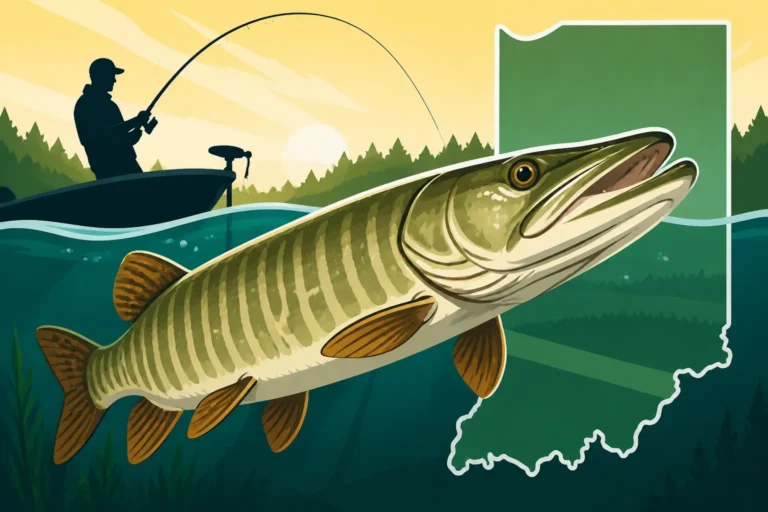
For the truly dedicated angler, Lake Wawasee offers the chance to tangle with one of freshwater's most formidable predators: the muskellunge, or muskie. Often called "the fish of 10,000 casts," muskie fishing is a test of patience, persistence, and specialized gear. Wawasee is one of Indiana's premier muskie lakes, known for producing impressive specimens. These solitary giants lurk around prime ambush points like extensive weed lines, submerged structure, and deep-water points, waiting for an opportune moment to strike. Their presence signifies a healthy and robust top-tier ecosystem.
Targeting muskie requires heavy-duty equipment – stout rods, powerful baitcasting reels, heavy braided line, and thick wire leaders are non-negotiable. Large bucktails, jerkbaits, crankbaits, and soft plastics, often measuring eight inches or more, are the lures of choice. The strike of a muskie is legendary for its ferocity, but landing one is only half the battle; careful handling is paramount. Muskie are delicate fish, and quick, respectful catch-and-release is vital for their survival and the continuation of Wawasee's trophy fishery. Many muskie anglers are passionate about conservation and carefully revive their catch before release. Our guide, Muskellunge Fishing in Indiana: What Anglers Need to Know, delves deeper into this challenging pursuit.
The pursuit of a Wawasee muskie isn't just about catching a fish; it's about the entire experience, the anticipation, the challenge, and the respect for such a magnificent creature. Each cast holds the potential for a personal best, and the sheer power of a hooked muskie is an unforgettable thrill. If you're looking for specialized advice on baits, Best Bait for Muskie Fishing on Lake Wawasee is a good starting point.
Lesser-Known Catfish and Gar
Beyond the headline-grabbing sport fish, Lake Wawasee is also home to a variety of other interesting species, including several types of catfish and gar. While not typically targeted with the same fervor as bass or walleye, they play an important role in the lake's ecosystem and can provide exciting unexpected catches. You'll find channel catfish and various bullhead species, particularly in the lake's deeper, muddier bottoms or in areas with decaying vegetation. These bottom-feeders are often caught incidentally by anglers targeting other species with live bait, but they can be specifically targeted with cut bait, stink baits, or nightcrawlers fished on the bottom. Catfish can grow quite large and offer a tenacious fight, making them a fun bonus catch.
Longnose gar are another unique inhabitant of Wawasee. With their distinctive elongated snouts and rows of sharp teeth, they are unmistakable. Gar are often seen basking near the surface in shallow, calm waters, resembling floating logs. They are predatory fish, ambushing baitfish with sudden, swift movements. While tricky to hook due to their bony mouths, they put up a fantastic fight once connected. Some anglers specifically target gar for their sporting qualities, often using frayed rope lures (which entangle their teeth) or flies. While perhaps not traditional "game fish," their presence adds to the biological richness of Wawasee's waters.
These lesser-known species contribute to the overall biodiversity and health of the lake. They help process organic matter and provide another layer to the intricate food web. While you might not set out specifically for a bullhead or a gar, encountering one is a fascinating reminder of the rich tapestry of life beneath Wawasee's surface.
Wawasee's Health and Fishery Management
The incredible diversity and abundance of fish in Lake Wawasee don't happen by accident; they are a direct result of ongoing conservation efforts and proactive fishery management by organizations like the Indiana Department of Natural Resources (DNR). These efforts include regular fish stocking programs for species like walleye and muskie, habitat improvement projects, and stringent regulations designed to protect vulnerable populations and ensure sustainable fishing for future generations. It's truly a collaborative effort that relies on both scientific management and responsible angling practices.
As anglers, we all have a vital role to play in maintaining the health of Lake Wawasee's fishery. This means strictly adhering to all Indiana Fishing Regulations and Bag Limits Guide, which are put in place for a reason – to protect fish during critical spawning periods, prevent overharvesting, and allow fish to reach mature sizes. Practicing catch-and-release, especially for large breeding fish like muskie and trophy bass, helps ensure they can reproduce and pass on their strong genetics. Properly handling fish, minimizing their time out of water, and using appropriate landing nets are all small actions that collectively make a huge difference.
Beyond regulations, being an ethical angler means respecting the environment. This includes properly disposing of trash, avoiding the spread of aquatic invasive species (by cleaning boats and gear), and reporting any suspicious activity that might harm the lake. Wawasee is a precious natural resource, and it's up to all of us who enjoy its waters to be stewards of its health. By working together, we can ensure that future generations will continue to enjoy the fantastic fishing opportunities this magnificent lake provides.
Essential Gear and Tips for Fishing Lake Wawasee
To truly make the most of your fishing trip to Lake Wawasee, having the right gear and understanding how to use it effectively is paramount. The lake's clear water, varied depths, and diverse fish species mean that a versatile approach to tackle is your best bet. Don't worry, you don't need to break the bank, but a thoughtful selection of rods, reels, baits, and navigation tools will significantly improve your success rate.
Recommended Rods, Reels, and Line
Choosing the right rod and reel setup for Lake Wawasee largely depends on what you're targeting. For bass and northern pike, a medium-heavy to heavy action baitcasting or spinning rod (around 6'6" to 7'6") paired with a robust reel spooled with 15-30 lb braided line is ideal. Braided line offers superior sensitivity and strength for pulling fish out of heavy cover, and it's less visible in clear water if you use a fluorocarbon leader. For example, a reliable baitcasting combo designed for bass, readily available on Amazon, would serve you well for chasing those bigger predators.
When it comes to walleye, a medium-light to medium action spinning rod (6' to 7') with a sensitive tip is preferred, allowing you to detect their often subtle bites. Spool your reel with 6-10 lb fluorocarbon or monofilament line, which offers excellent sensitivity and low visibility. For the prolific panfish – crappie, bluegill, and perch – an ultralight spinning combo (5' to 6'6") spooled with 4-6 lb monofilament or fluorocarbon is perfect. This light setup makes even small fish feel like trophies and is incredibly fun to use. For a more general overview of options, check out our guide on Best Fishing Rods and Reels for Freshwater Fishing. Having a couple of different setups allows you to switch seamlessly between targeting different species, adapting to what the lake offers on any given day.
| Target Species | Rod Action/Length | Reel Type | Recommended Line (lb) |
|---|---|---|---|
| Largemouth Bass | Med-Heavy / 6'6"-7'6" | Baitcasting/Spinning | 15-30 Braid/Fluoro |
| Smallmouth Bass | Med-Heavy / 6'6"-7'6" | Baitcasting/Spinning | 10-20 Braid/Fluoro |
| Walleye | Med-Light to Medium / 6'-7' | Spinning | 6-10 Fluoro/Mono |
| Northern Pike | Heavy / 7'-8' | Baitcasting | 30-65 Braid (with wire leader) |
| Crappie | Ultralight to Light / 5'-6'6" | Spinning | 4-6 Mono/Fluoro |
| Bluegill/Sunfish | Ultralight / 5'-6' | Spinning | 2-4 Mono/Fluoro |
Bait and Lure Selection for Wawasee's Waters
The clear waters of Lake Wawasee often mean fish can be a bit more finicky, making lure and bait selection crucial. For bass, a diverse tackle box is key. Soft plastics like wacky worms, stick baits, and creature baits in natural colors (green pumpkin, black, watermelon) are excellent choices for largemouth around vegetation and docks. Jigs with crawfish imitators also work wonders. For smallmouth, tube jigs, drop shot worms, and small crankbaits that mimic minnows or crayfish are very effective, especially in deeper, rocky areas. Topwater lures like poppers and walk-the-dogs can be explosive at dawn and dusk.
Walleye typically respond well to live bait such as minnows or nightcrawlers fished on a jig or a crawler harness. When it comes to artificials, deep-diving crankbaits in natural patterns (shad, perch) and blade baits or vertical jigs in silver or chartreuse can be highly productive, especially when fished near the bottom or trolled over flats. For northern pike, don't be afraid to go big! Large spinnerbaits, spoons (silver, gold, five of diamonds), and big jerkbaits or swimbaits will get their attention. Remember that steel leader for pike!
Panfish, being less finicky, are often caught on simple offerings. Live bait like wax worms, redworms, crickets, or small minnows under a bobber are always a winner for bluegill, crappie, and perch. Tiny jigs (1/32 to 1/8 ounce) tipped with a small plastic grub in chartreuse, white, or black are also incredibly effective, especially for crappie. As seasons change, so too might the most effective baits; our guide on Best Bait and Lures for Fall Fishing offers some seasonal insights. Carrying a variety of options and being willing to experiment is the best approach for Wawasee's diverse fishery.
Navigating and Finding Fish on Lake Wawasee
Lake Wawasee is a large body of water, and effectively navigating it while finding fish requires a combination of good seamanship and modern technology. If you're using a boat, understanding the lake's layout, including channels, no-wake zones, and potential hazards, is vital. Always have up-to-date navigation charts, whether on paper or a fish finder with built-in GPS capabilities. Knowing where the public boat ramps are, and being comfortable with launching and retrieving your vessel, will start your day off right.
A quality fish finder is arguably the most valuable tool for fishing Wawasee, especially given its depths and varied bottom structure. Best Fish Finders for Indiana Lake Fishing can help you choose the right one. Look for units with clear sonar, down imaging, and side imaging capabilities, which allow you to literally "see" fish, bait balls, and underwater structure like weed lines, brush piles, and rock formations. Learning to interpret these displays takes practice, but it's essential for pinpointing productive spots. Many anglers also rely on the GPS function on their fish finders to mark waypoints of productive areas, allowing them to return to those "honey holes" on future trips. This technology is incredibly helpful for navigating the lake and efficiently targeting specific types of structure or depth ranges.
Beyond the gadgets, patience and observation are key. Pay attention to bird activity, changes in water color, and any surface disturbances that might indicate feeding fish or baitfish schools. Don't be afraid to move around until you find active fish. Lake Wawasee is vast, but with a bit of planning, the right gear, and a willingness to explore, you'll uncover its many fantastic fishing opportunities.
Disclaimer
This article is for general informational purposes only and does not constitute professional advice. Laws, prices and regulations vary by location and change over time. Consult a qualified professional for guidance on your specific situation.