Indiana Walleye Fishing: A Complete Guide
It can feel overwhelming trying to crack the code for walleye fishing in Indiana. These elusive, toothy predators are notoriously tricky, and many anglers, myself included, have spent countless hours on the water wondering if we're even in the right spot or using the right bait. This guide is here to cut through the confusion, offering a comprehensive look at everything you need to know to successfully pursue walleye in the Hoosier State.
Walleye in Indiana: An Introduction to a Prized Catch
Walleye are one of Indiana's most sought-after game fish, and for good reason. They're not only challenging to catch, but they're also fantastic table fare, known for their flaky, white meat. They're also quite distinct, and once you learn their tell-tale signs, you'll be able to spot them in a flash.
How to Identify an Indiana Walleye
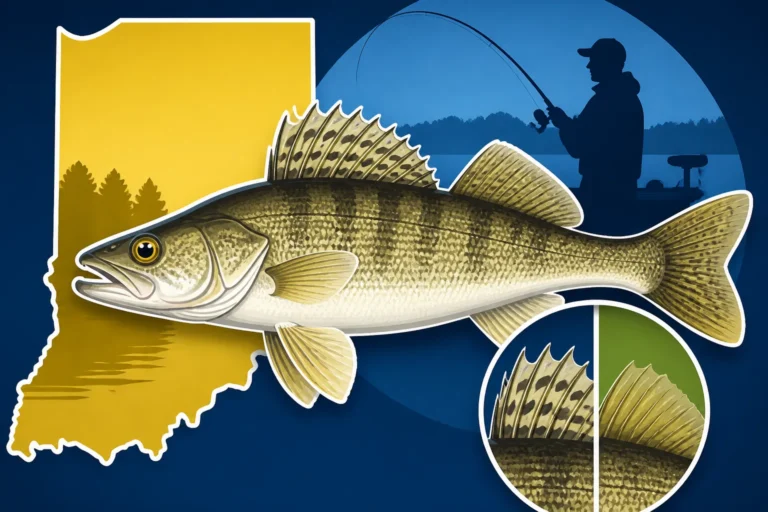
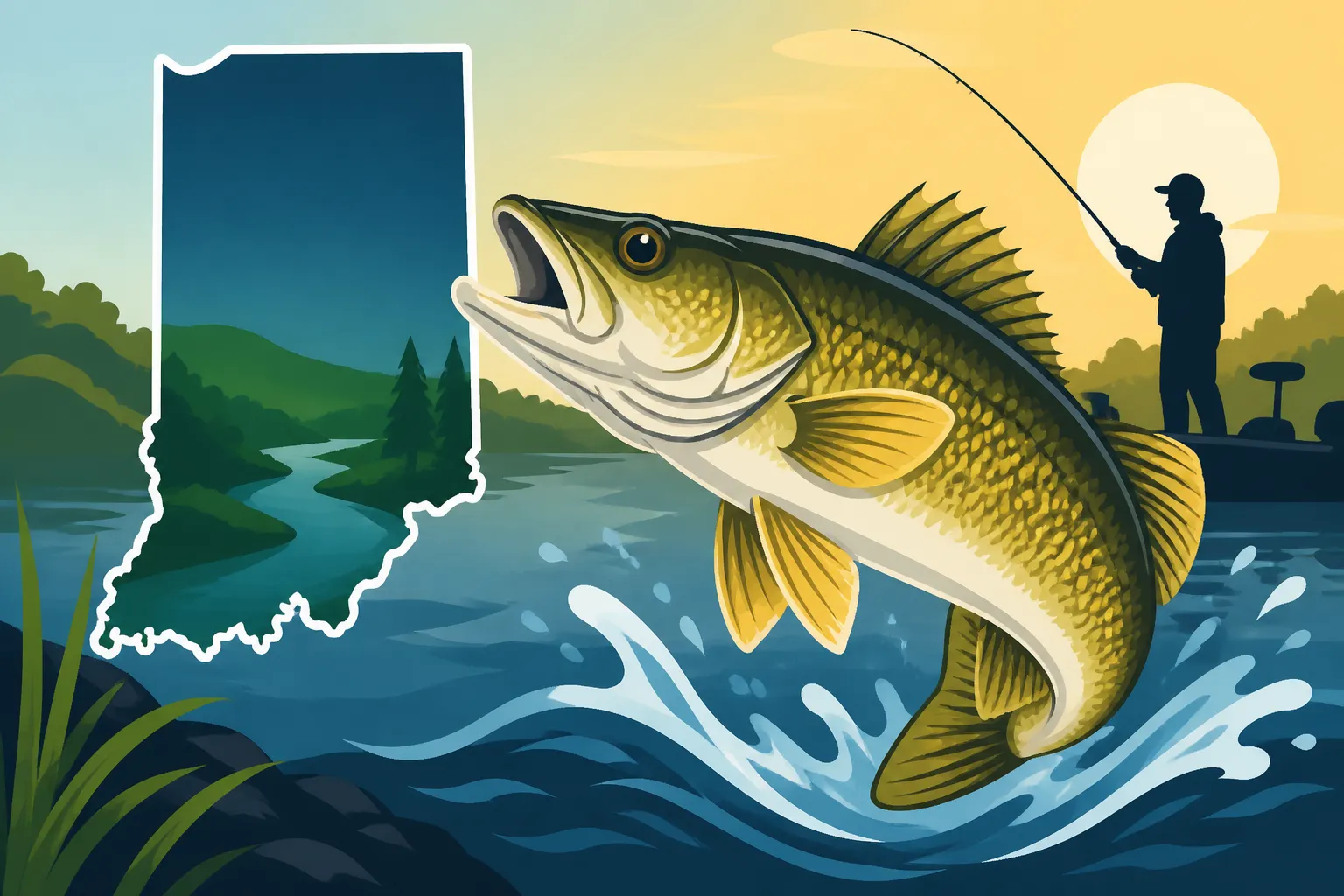
Many anglers confuse walleye with their close cousins, the sauger, or even yellow perch. But walleye have some unique characteristics that make them stand out. Generally, they boast a dark olive-green to golden-brown color on their back, fading to a creamy white belly. Their most distinctive feature, and what gives them their name, is their large, milky, opaque eyes, which are specially adapted for low-light conditions.
Another key identifier is the white tip on the lower lobe of their caudal (tail) fin. This is almost always present and is a dead giveaway. You'll also notice their mouths are armed with sharp, needle-like teeth. If you're ever in doubt, just remember that white tip on the tail and those glassy eyes, and you'll be able to confirm you've got a walleye. For a deeper dive, check out Walleye Identification: Olive-Gold Color and White-Tipped Tail.
Walleye vs. Saugeye: Knowing the Difference
While walleye are impressive on their own, Indiana also has a hybrid species called the saugeye, which is a cross between a female walleye and a male sauger. They share many characteristics with walleye but have distinct differences. Saugeye typically have dark, saddle-like blotches or bars on their sides, which are usually absent or very faint on pure walleye.
Another trick to tell them apart is to look at the dorsal fin. Walleye usually have a distinct dark blotch at the base of the last few rays of the spiny dorsal fin, while saugeye have rows of distinct spots or blotches across the entire spiny dorsal fin. While both are fantastic sport fish, knowing the difference can sometimes be important for regulations or simply for your own fishing log! If you want to learn more, we've got a great article comparing them: What's the Difference Between Walleye and Saugeye?.
Where to Find Walleye in Indiana Waters
Indiana offers a surprising variety of walleye fishing opportunities, from large reservoirs to natural glacial lakes and even some rivers. Understanding their preferred habitats is the first step to finding these elusive fish. They typically prefer clear, cool waters with rocky or gravel bottoms, often congregating around submerged structures or drop-offs.
Top Indiana Lakes for Walleye Fishing
When it comes to lakes, Indiana's northern glacial lakes are often the first place walleye anglers think of. Lakes like Lake Wawasee, Lake Maxinkuckee, and Big Chapman Lake offer excellent opportunities. These lakes provide the deep, cool water and complex structures that walleye thrive in. They tend to hold deeper during the day, especially in summer, moving shallower to feed during low-light periods.
Further south, large reservoirs like Monroe Lake and Patoka Lake also hold good populations of walleye, though they might require different tactics due to their sheer size and varied bottom structures. Targeting main lake points, submerged humps, and old creek channels can be highly productive in these larger bodies of water. Don't be afraid to use your electronics to scan for baitfish and deeper structure. If you're looking for the absolute cream of the crop, you might want to read Best Walleye Fishing in Indiana.
River Walleye Hotspots in the Hoosier State
While lakes get a lot of attention, Indiana's rivers shouldn't be overlooked for walleye. The St. Joseph River in northern Indiana, particularly around the Mishawaka and South Bend areas, offers some fantastic river walleye fishing, especially during the spring and fall runs. Walleye here often relate to current breaks, deeper holes, and bridge pilings.
The Tippecanoe River also provides good walleye prospects, often mixed with smallmouth bass. When fishing rivers, current is king, so look for seams, eddies, and anything that breaks the flow where walleye can ambush prey without expending too much energy. These river systems provide a dynamic and rewarding challenge for those willing to brave the moving water.
When to Target Walleye in Indiana
Timing is everything with walleye. They are highly sensitive to light and water temperature, which dictates their activity levels and where they'll be found. Understanding these patterns can drastically improve your success rate.
Best Times of Year for Walleye
Spring, particularly after ice-out and leading up to their spawn, is often considered prime time for walleye. As water temperatures creep into the 40s and 50s, walleye become very active and move into shallower areas to spawn. Post-spawn, they'll often linger in these shallower feeding zones before heading to deeper, cooler water for the summer.
Fall can be equally productive as water temperatures drop again, signaling a feeding frenzy before winter. Walleye will gorge themselves, becoming more aggressive and easier to locate as they move shallower to feed. Winter, through the ice, also offers unique opportunities for dedicated anglers. We delve deeper into this in Best Time of Year to Catch Walleye in Indiana.
Optimal Time of Day and Weather Conditions
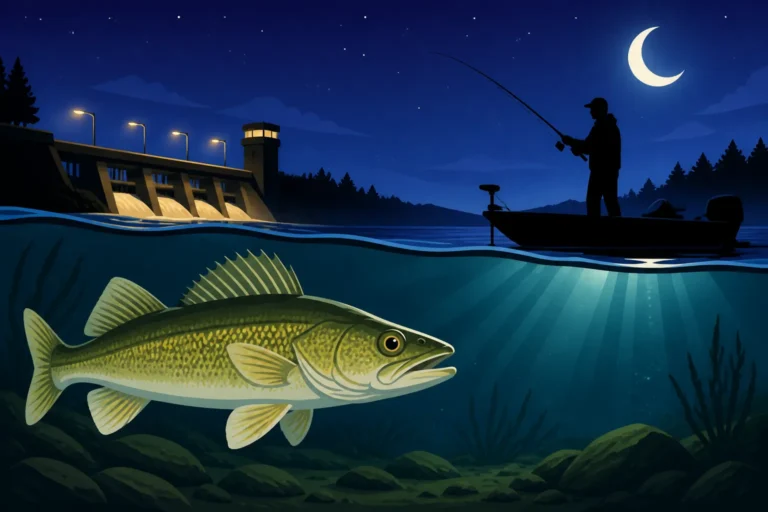
Walleye are notoriously light-sensitive. This means they are most active during low-light conditions: dawn, dusk, and even after dark. On bright, sunny days, they'll typically retreat to deeper, darker water or seek refuge under heavy cover. Overcast days, however, can provide excellent mid-day walleye fishing opportunities as the reduced light penetration makes them more comfortable moving into shallower feeding areas.
Windy conditions, especially a chop on the water, can also be beneficial. The chop breaks up light, creating more favorable hunting conditions for walleye and disorienting baitfish. So, don't shy away from a breezy, cloudy day; it might just be the perfect walleye weather! For those who prefer the quiet solitude, night fishing for walleye can be incredibly rewarding. Do Walleye Bite at Night in Indiana Reservoirs? explores this further.
Effective Walleye Fishing Techniques
Catching walleye often requires a combination of patience, understanding their behavior, and utilizing the right techniques. These fish can be finicky, so having a few tricks up your sleeve is always a good idea.
Jigging and Live Bait Strategies
Jigging is perhaps one of the most popular and effective techniques for walleye, especially when they are relating to specific structures or holding in deeper water. Whether you're vertical jigging from a boat or casting and retrieving from shore, a jig tipped with a minnow, nightcrawler, or soft plastic can be deadly. The key is to present the bait near the bottom, imparting subtle movements that mimic a struggling baitfish.
When using live bait, a simple slip-bobber rig with a leeches or minnow can be incredibly effective, especially when fishing breaks or weed lines. Allow the live bait to drift naturally, or slowly retrieve it. Walleye often prefer a slower presentation, so don't be afraid to let your bait soak for a while. Patience pays off when working with live bait; wait for that tell-tale tap or pull before setting the hook.
Trolling and Crankbait Tactics
Trolling is an incredibly efficient way to cover large areas of water and locate scattered walleye, particularly in larger lakes and reservoirs. Using crankbaits that mimic baitfish and dive to various depths can be highly productive. Experiment with different colors and sizes until you find what the walleye are keying into on a given day. You'll want to match your lure depth to the depth where you're seeing baitfish or structure on your fish finder.
Different speeds can trigger strikes, so vary your trolling speed until you hit the sweet spot. Long, slow retrieves with crankbaits can also entice bites, especially if the fish are lethargic. Often, the vibrations and flash from the crankbait are enough to draw a strike. Walleye Trolling Techniques offers a detailed look at how to get set up for success.
Key Lure and Bait Recommendations
When it comes to lures, bright colors like chartreuse, orange, and firetiger can be excellent choices, especially in stained or murky water. In clearer water, more natural baitfish patterns in silver, blue, or perch colors might be more effective. For live bait, shiners, fathead minnows, leeches, and nightcrawlers are perennial favorites.
Always carry a variety of options, as walleye can be incredibly selective from day to day, or even hour to hour. Having a well-stocked tackle box, maybe something you picked up on Amazon, with different jig weights, soft plastic sizes, and crankbait diving depths will ensure you're ready for whatever conditions you encounter.
Essential Gear for Walleye Anglers
Having the right gear won't guarantee you'll catch a trophy walleye every time, but it certainly puts the odds more in your favor. Walleye fishing doesn't necessarily require a huge investment, but some key pieces will make your experience much more enjoyable and productive.
Rods, Reels, and Line for Walleye Fishing
For most walleye fishing, a medium-light to medium-action spinning rod, about 6'6" to 7' long, is a versatile choice. This length provides good casting distance and enough backbone to handle a fighting walleye, while still being sensitive enough to detect subtle bites. Pair it with a reliable spinning reel in the 2500-3000 size range, spooled with 6-10 lb test monofilament or fluorocarbon line. Braided line in the 10-20 lb test range with a fluorocarbon leader is also an excellent option, offering superior sensitivity and strength.
Monofilament offers good knot strength and stretch, which can be forgiving. Fluorocarbon is nearly invisible underwater and has less stretch, providing more sensitivity. Braided line is incredibly strong and sensitive, with no stretch, making it ideal for detecting light bites in deeper water. Your choice might depend on your preferred technique and the specific conditions.
Electronics and Navigation Tools
A good fish finder is almost essential for serious walleye anglers, especially when fishing larger lakes or reservoirs. These devices allow you to locate submerged structures, drop-offs, and most importantly, baitfish and walleye themselves. Features like side imaging or down imaging can give you a clearer picture of what's below and to the sides of your boat.
GPS capabilities, often integrated into modern fish finders, are invaluable for marking productive spots, navigating large bodies of water, and finding your way back to that one killer rock pile you found last week. You can find a fantastic range of these electronics on Amazon, from basic models to advanced units with all the bells and whistles. Always make sure your batteries are charged!
Accessories and Safety Gear
Beyond your rod and reel, a few key accessories can make your walleye trip smoother. A long-handled net with a rubberized mesh is crucial for safely landing a toothy walleye, protecting both you and the fish. Pliers or a hook remover are also essential for safely extracting hooks from their mouths. Don't forget a good cooler with ice to keep your catch fresh if you plan on taking some home for dinner.
Safety on the water is paramount. Always have enough Best Life Jackets for Indiana Boaters for everyone on board, and ensure your boat is equipped with all necessary safety gear, including a whistle, throwable device, and navigation lights if you're out at night. A marine radio is also a smart addition for larger waters like Lake Michigan.
Indiana Walleye Regulations and Limits
Knowing and adhering to Indiana's fishing regulations isn't just about avoiding a fine; it's about protecting our fisheries for future generations of anglers. Walleye have specific rules designed to ensure sustainable populations.
Statewide Walleye Length and Bag Limits
Indiana has a statewide minimum length limit for walleye of 14 inches. This means any walleye you catch must be at least 14 inches long to be legally kept. There's also a daily bag limit of six walleye per person. These limits are in place to allow fish to reach maturity and spawn at least once, contributing to the overall health of the walleye population. Always measure your fish carefully from the tip of the snout to the end of the tail with it compressed before deciding to keep it.
It's crucial to be aware of these numbers and handle fish quickly and carefully if you intend to release them, especially those that don't meet the length requirement. Release undersized fish gently to give them the best chance of survival.
Specific Lake Exceptions for Walleye
While the 14-inch minimum length limit and six-fish bag limit apply statewide, Indiana does have some very important exceptions for specific lakes. For instance, Bass Lake in Starke County, Wolf Lake in Lake County, and Lake George in Steuben County all have unique walleye length limits that differ from the statewide rule. These exceptions are put in place by the Indiana Department of Natural Resources (DNR) to address the specific biological needs and population dynamics of walleye in those particular bodies of water.
It's absolutely essential to check the current Indiana Fishing Regulations Guide or the DNR's website before heading out, especially if you're fishing one of these specific lakes. Failing to know the local rules can lead to citations. For more detailed information on these exceptions, read Walleye Length Exceptions at Bass Lake, Wolf Lake, and Lake George.
Preserving Indiana's Walleye Fishery
As responsible anglers, it's our duty to help preserve the incredible walleye fishing opportunities Indiana offers. This means practicing ethical angling, supporting conservation efforts, and educating ourselves and others.
Catch and Release Best Practices
If you're not keeping your catch, or if a fish doesn't meet the legal size limit, practicing proper catch and release techniques is vital. Minimize the time the fish is out of the water. Use barbless hooks or crimp your barbs to make hook removal easier and less damaging. Wet your hands before handling the fish to protect its protective slime coat.
Support the fish horizontally, especially larger ones, to avoid damaging internal organs. If the fish is deeply hooked, it's often best to cut the line as close to the hook as possible rather than trying to rip it out. These small actions make a big difference in the survival rate of released fish.
Supporting Conservation Efforts
The health of Indiana's walleye fisheries doesn't happen by accident; it's the result of ongoing conservation and management efforts by the Indiana DNR. This includes stocking programs, habitat restoration, and careful regulation setting. A significant way anglers contribute to these efforts is simply by purchasing their Indiana Fishing License Requirements Explained and any necessary stamps like the Indiana Trout and Salmon Stamp Requirements. A portion of these fees directly funds fisheries management.
Beyond license purchases, consider joining local conservation groups or participating in volunteer events. Educating fellow anglers on regulations and best practices also plays a crucial role. By working together, we can ensure that Indiana's walleye fishery remains strong for generations to come.
Disclaimer
This article is for general informational purposes only and does not constitute professional advice. Laws, prices and regulations vary by location and change over time. Consult a qualified professional for guidance on your specific situation.