How to Catch Redear Sunfish
Many anglers in Indiana spend their days chasing the thrill of bass or walleye, but there's a truly rewarding and often overlooked fight to be had with one of our state's most distinctive panfish: the redear sunfish. Often overshadowed by their bluegill cousins, these "shellcrackers" offer a unique challenge and a delicious reward on the dinner plate. Yet, for many, knowing how to effectively target them can feel like cracking a secret code. This guide will dive deep into everything you need to know—from understanding their habits to mastering the best techniques—to successfully catch more redear sunfish across Indiana's diverse waters.
Getting to Know the Redear Sunfish, Indiana's Shellcracker
Before you can consistently put redear sunfish in your cooler, you really need to understand what makes them tick. These aren't just another panfish; they have specific preferences and behaviors that set them apart from other sunfish species. Knowing these nuances is your first step toward becoming a successful "shellcracker" angler.
Identification and Unique Traits
Redear sunfish get their famous nickname, "shellcracker," for a very good reason: they love to eat snails. They possess specialized pharyngeal teeth in their throats that allow them to crush the shells of mollusks and other hard-bodied invertebrates, a unique dietary preference that greatly influences where you'll find them and what baits they prefer. When you're trying to figure out What Does a Redear Sunfish Eat?, remember that shell-crushing ability is key. This focus on snails means they often forage on the bottom, meticulously picking through aquatic vegetation and gravel.
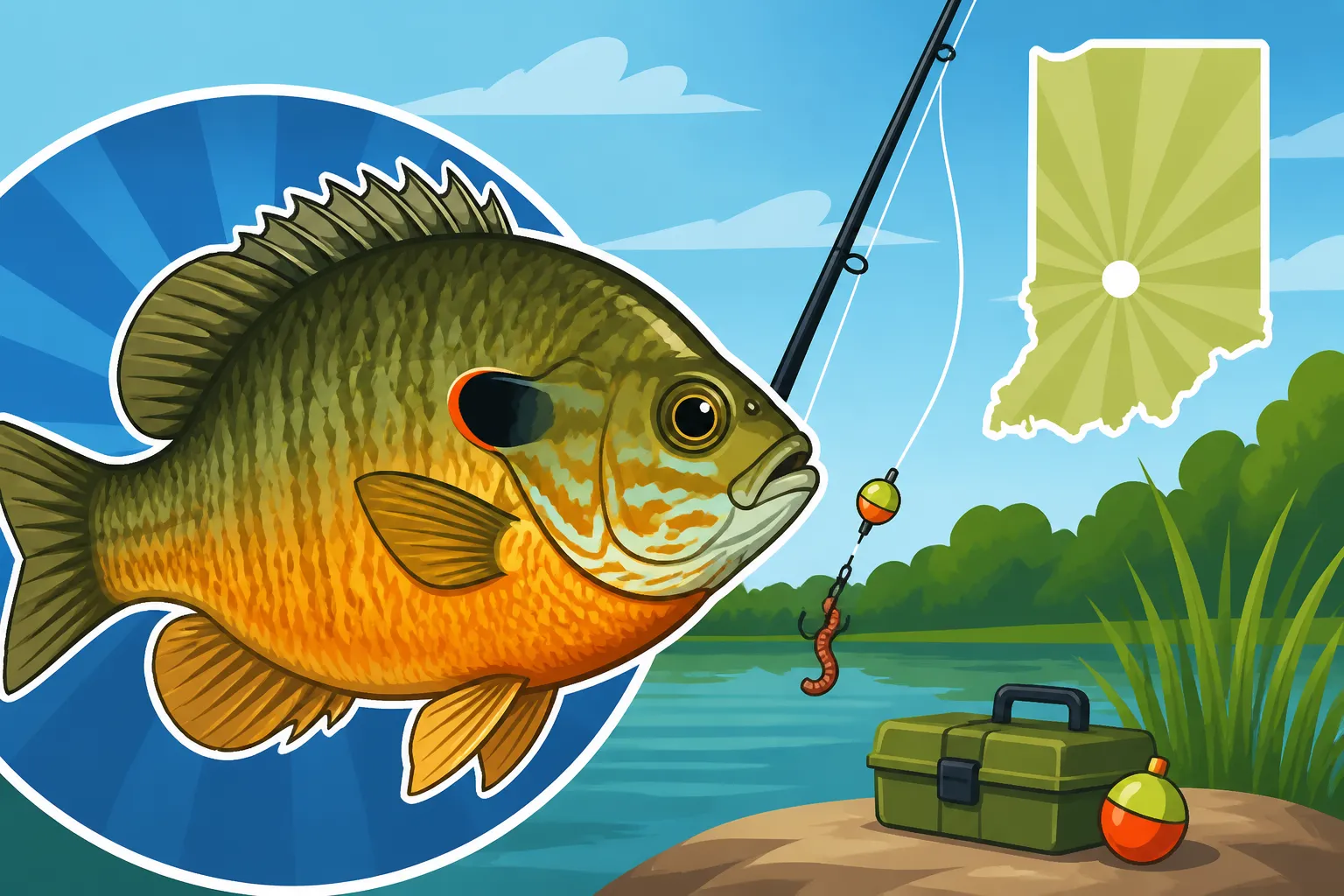
Visually, redear sunfish are quite striking, though they can sometimes be confused with other sunfish like bluegill or pumpkinseeds. The most distinctive feature, and the origin of their name, is the prominent red or orange spot found on the opercular flap (the "ear flap") just behind their eye. In females, this spot might be a duller orange, while in males, it's typically a vibrant, almost fiery red. Their bodies are usually a silvery-green or olive color, often with faint vertical bars, and they tend to have a slightly more compressed body shape than a bluegill, making them look a bit "taller." While they don't typically grow as large as some of the trophy bass you might pursue, many anglers often wonder How Big Do Redear Sunfish Get?. A common catch will be in the 6- to 9-inch range, but true lunkers can push past 10 inches and weigh over a pound, offering a surprisingly stout fight on light tackle. When comparing them to their relatives, understanding the subtle differences is important, which is why we've even explored Redear Sunfish vs Bluegill: How to Tell Them Apart.
Preferred Habitats in Indiana
Redear sunfish aren't found just anywhere; they have a distinct preference for certain types of aquatic environments. Generally, they favor clear, warm, and often still or slow-moving water. This makes many of Indiana's natural lakes, reservoirs, and farm ponds prime real estate for these fish. They particularly gravitate towards areas with abundant submerged aquatic vegetation, brush piles, or stump fields, as these offer both cover from predators and a rich feeding ground for the snails and insect larvae they so relish.
You'll rarely find redear in fast-moving rivers or extremely turbid water. Instead, look for them in the calmer coves, along weed lines, or near gradual drop-offs that transition from shallow to slightly deeper water. If you can locate beds of clams or snails, you're likely in a redear hotspot. They're often found a bit deeper than bluegill, especially during the brighter parts of the day, preferring depths where sunlight can still penetrate to support their food sources but where they feel more secure. These preferences mean that while you might catch them incidentally while targeting other panfish, intentionally seeking out these specific habitats will significantly increase your success rate.
The Best Baits and Lures for Redear Sunfish
Redear sunfish are not particularly picky eaters when presented with their preferred menu, but choosing the right bait or lure can make a monumental difference in your catch rates. Their diet heavily influences their bait choices, making natural presentations often superior.
Natural Bait: The Irresistible Classics
When it comes to tempting redear sunfish, natural baits are usually your best bet. Because their diet consists largely of bottom-dwelling invertebrates, anything that mimics these creatures is likely to get their attention.
- Live Worms: Without a doubt, live worms are the undisputed champion bait for redear sunfish. Redworms, small nightcrawlers (pinched in half or thirds), or even garden worms are incredibly effective. The scent and wiggling action are simply irresistible to a foraging redear. Present them on a small hook (size 8 or 10 is ideal) either on the bottom with a small split shot or suspended just above the bottom under a tiny bobber. This classic approach is also excellent for Best Bait for Bluegill Fishing in Farm Ponds, showcasing its versatility for all panfish. You can often find these easily at your local bait shop or even order them online through retailers like Amazon, making sure you always have a fresh supply.
- Crustaceans and Insects: Since snails are a major food source, anything resembling small crustaceans or insect larvae can work wonders. Small freshwater shrimp, grubs, or even tiny pieces of crayfish can be very effective. Crickets, while typically a surface offering, can be effective if fished slowly near the bottom, especially when targeting fish in shallower, weedy areas. A small maggot or mealworm, often available at pet stores or bait shops, can also be a game-changer, especially on tougher days when the fish are finicky.
- Corn and Other Soft Baits: While not their primary diet, a single kernel of sweet corn can sometimes entice redear, especially if other anglers have been using it as chum. Small pieces of soft bread or dough balls can also work in a pinch, though they tend to be less durable on the hook than worms. The key with these soft baits is their small profile and subtle presentation.
Artificial Lures: Tiny but Mighty
While natural bait often reigns supreme, there are situations where artificial lures can be highly effective for redear sunfish, particularly if you're looking to cover more water or prefer an active fishing style. The key is to think small, subtle, and slow.
- Tiny Jigs: Micro jigs, typically 1/32 or 1/64 ounce, are excellent. Colors like chartreuse, white, black, or natural earth tones often work well. These jigs can be tipped with a small piece of worm, a plastic grub tail, or even a specialized scent bait like Berkley Gulp! Alive! maggot. The added scent and subtle action make them incredibly appealing. Fish them slowly, often with a very gentle twitching motion, allowing them to sink and hover near the bottom where redear feed. This technique also works wonders for crappie, a close relative.
- Small Spinners and Spoons: While less common for redear than for other panfish, extremely small inline spinners or tiny spoon lures can sometimes draw a strike, especially from larger, more aggressive fish. Think micro-sizes, like a size 0 or 1 spinner with a single hook. The flash and vibration can mimic a fleeing baitfish or insect. These are best used when fish are slightly more active and willing to chase.
- Artificial Worms/Grubs: Many companies, including those you find on Amazon, offer tiny soft plastic worms or grubs designed specifically for panfish. These can be rigged on a bare jig head or even a small hook with a split shot. Experiment with colors and tail actions. Sometimes, a subtle, straight-tail worm out-fishes a more aggressive paddle-tail, particularly when the redear are lethargic.
Top Techniques for Targeting Redear Sunfish
Successful redear fishing often boils down to presenting your bait or lure in the right place, at the right depth, and with the right action. These techniques are generally simple, making redear sunfish an excellent target for anglers of all skill levels, from beginners to seasoned veterans.
Simple Bobber Fishing: A Classic That Works
Bobber fishing is perhaps the most iconic and effective method for catching panfish, and redear sunfish are no exception. This technique is especially fantastic for beginners or a relaxing day on the water, offering instant visual feedback when a fish bites.
- Setting Up Your Rig: You'll want a light spinning rod, ideally in the 5 to 6.5-foot range, paired with a small reel spooled with 4 to 6-pound test monofilament line. Attach a small, sensitive bobber (a slip bobber is fantastic for controlling depth), a tiny split shot or two about 6-12 inches above your hook, and a small, sharp hook (size 8 or 10 is usually perfect). When considering how to assemble your setup, thinking about How to Rig a Bobber for Bluegill offers a great blueprint that applies perfectly to redear. The bobber's job is to suspend your bait at a precise depth and signal even the lightest nibble.
- Finding the Right Depth: Redear often hold near the bottom or within thick vegetation. Start by setting your bait to fish just above the bottom, adjusting your bobber until you find the sweet spot where the fish are holding. If you're fishing near a weed line, try to suspend your bait just above the top of the weeds. It often takes a bit of trial and error to dial in the perfect depth, so don't be afraid to experiment. If you start catching a few, make a mental note or mark your line at that depth.
- Presenting Your Bait: Cast your rig out gently, allowing the bobber to settle. Watch it carefully. Redear bites can be subtle, sometimes just a slight dip or wiggle of the bobber before it goes under. When it disappears or moves steadily, set the hook with a gentle but firm sweep of the rod. Avoid violent hooksets, as redear have relatively soft mouths and you can tear the hook out. This gentle approach is key to consistently landing these tasty panfish.
Bottom Fishing Strategies: Reaching Their Lair
Given their preference for snails and other bottom-dwelling organisms, presenting your bait directly on or very near the bottom is a highly effective strategy for redear sunfish. This method bypasses the need for a bobber and puts your offering right in their feeding zone.
- The Carolina Rig (Mini Version): A scaled-down Carolina rig is fantastic for bottom fishing redear. Thread a small bullet weight (1/8 to 1/4 ounce, depending on current and depth) onto your main line, followed by a small bead to protect your knot. Tie on a small swivel, and then attach a leader of 6 to 12 inches of lighter line (2 to 4-pound test) to your small hook. This allows your bait to float or drift naturally just above the bottom, even as the weight holds your line in place. This setup is particularly effective when fishing over areas with patchy vegetation or shell beds.
- Simply Weighted: For a simpler approach, you can just use a small split shot or two crimped directly onto your line a few inches above your hook. Cast it out and let it sink to the bottom. This works well in calmer water where you want your bait to stay put. Feel for subtle taps or a steady pull on your line. A very sensitive rod tip can help detect these light bites.
- Detecting Bites: Bottom fishing for redear requires a bit more finesse to detect strikes. Keep your line relatively taut without moving your bait too much. Watch your rod tip for subtle twitches or a slight bend. Sometimes, it will feel like a slight "thump." It’s a good practice to use a rod holder if fishing multiple lines or even just to keep the rod still while you wait. A light tap on your rod might just be a redear investigating, so be patient and wait for a more definitive pull before setting the hook.
Approaching the Spawning Beds
Like most panfish, redear sunfish become highly concentrated and aggressive during their spawning period, offering an excellent opportunity for anglers. Their spawning typically occurs in late spring to early summer when water temperatures rise consistently, often coinciding with Best Season for Bluegill Fishing in Indiana. This is a prime time for active targeting.
- Locating Beds: Redear usually build their saucer-shaped nests in relatively shallow water (1-5 feet) in firm, sandy, or gravely bottoms, often near aquatic vegetation, stumps, or submerged logs. Look for clear, bowl-shaped depressions on the bottom, usually in clusters. You might even see the fish guarding their nests. Calm, protected coves and shallow flats are common areas for these beds. If you're exploring new waters, slowly cruise along likely shorelines with polarized sunglasses to spot these tell-tale signs.
- Targeting Spawning Fish: When redear are on their beds, they are very territorial and will strike at anything that invades their space. A small jig, a piece of a worm, or a tiny grub fished slowly through a bed can be incredibly effective. Cast beyond the bed and slowly retrieve your bait through it, allowing it to bump the bottom. The fish will often grab it out of aggression rather than hunger. However, it's important to practice responsible angling during this time. While legal, catching fish off beds can stress them and impact reproduction. Consider catch-and-release to preserve future populations.
- Post-Spawn Movements: After spawning, redear may move into slightly deeper water nearby, often retreating to the cooler depths and cover of weed lines or brush piles. They'll still be looking for food but might be less aggressive. This is when the bottom fishing techniques with live worms become particularly effective, as the fish return to their regular foraging patterns. Understanding How Water Temperature Affects Fish Activity is crucial for predicting these movements throughout the year.
Where and When to Find Redear Sunfish in Indiana
Knowing what to use and how to fish for redear is only half the battle. The other crucial piece of the puzzle is understanding where and when to find them across the Hoosier state. Indiana offers a plethora of excellent redear opportunities if you know where to look.
Seasonal Patterns and Prime Times
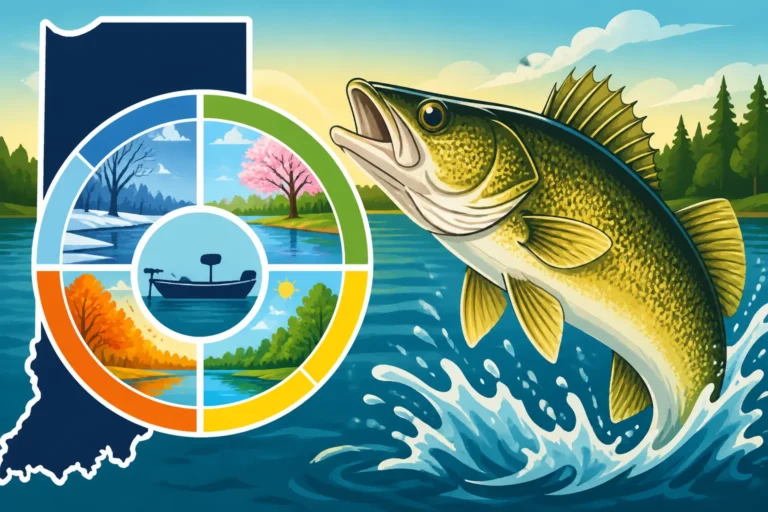
Redear sunfish, like most freshwater species, exhibit distinct seasonal patterns that influence their location and feeding activity. Understanding these patterns is key to maximizing your success throughout the year.
- Spring (Pre-Spawn and Spawn): Spring is arguably the best time of year to target redear sunfish, especially during the late spring and early summer when the water temperatures start to rise. As lakes and ponds warm, redear begin to move from their deeper wintering holes into shallower, protected coves and flats. The pre-spawn period sees them actively feeding to build energy for reproduction. Once water temperatures hit the mid-60s to low 70s Fahrenheit, they move onto their spawning beds. This period offers some of the most consistent and exciting redear action. Look for them in depths of 1-5 feet, congregating near vegetation or hard bottoms.
- Summer: In the heat of summer, redear often retreat to deeper, cooler waters, particularly during the brightest parts of the day. They might move to the edges of weed lines, submerged brush piles, or deeper drop-offs. However, they will often venture into shallower feeding areas during dawn, dusk, or on overcast days. Night fishing can also be productive in summer, as cooler temperatures bring fish shallower. Targeting them with bottom-fishing rigs in 5-15 feet of water can be very effective during this season.
- Fall: As water temperatures begin to cool in the fall, redear sunfish often go through a secondary feeding frenzy. They become more active, moving around their summer haunts but potentially expanding their range to forage heavily before the cold winter months. Look for them along the same weed lines and submerged structures you fished in summer, but they might be spread out more. This is a good time to cover water with slow-fished jigs or presentations that mimic dying insects.
- Winter: During the colder winter months, redear sunfish become much less active and congregate in deeper holes or basins where the water temperature is more stable. Ice fishing for redear can be excellent if you can locate these wintering schools. Small jigs tipped with wax worms or spikes, fished very slowly just off the bottom, are typically the most effective baits. While they are still present, you'll need patience and precise presentation to entice a bite.
Best Spots in Indiana's Lakes and Ponds
Indiana boasts a fantastic variety of water bodies that hold thriving populations of redear sunfish. While local knowledge is always best, here are some general types of places to start your search:
- Large Reservoirs: Many of Indiana's larger reservoirs, like Monroe Lake: Indiana's Largest Lake for Bass Fishing or Patoka Lake Fishing Guide for Bass and Crappie, offer extensive habitats for redear. Look for coves with standing timber, submerged brush, or large flats with healthy aquatic vegetation. These expansive waters provide plenty of food and cover, allowing redear to grow to impressive sizes. Access points might include public boat ramps, state park shorelines, or quieter coves only reachable by smaller boats or kayaks.
- Smaller Natural Lakes and Ponds: Don't overlook the abundance of smaller natural lakes and farm ponds scattered across the state. These can be absolute goldmines for redear, often holding dense populations due to less fishing pressure and ideal conditions. Many private farm ponds, with permission, offer fantastic opportunities, as do numerous public access ponds managed by the Indiana Department of Natural Resources. If you're looking for Indiana's Best Ponds for Kids to Catch Panfish, many of these smaller, calmer waters are perfect and often hold redear. These ponds often fall under the category of Common Fish Species You'll Find in Farm Ponds, making them a diverse fishing ground.
- State Parks and Public Fishing Areas: Indiana State Parks often have lakes or ponds that are well-maintained and stocked, providing excellent public access for redear fishing. Examples might include lakes within Brown County State Park or McCormick's Creek State Park. These areas frequently have designated fishing piers or bank access points, making them family-friendly destinations. Always check specific park regulations before you go, as some might have unique rules for bait or fishing methods.
To truly find the best spots, spend time exploring, observing, and talking to local bait shop owners or fellow anglers. They often have invaluable, hyper-local insights into current hot spots and preferred techniques for that particular body of water.
| Bait/Lure Type | Ideal Presentation | Why It Works for Redear | Best Time to Use |
|---|---|---|---|
| Live Worms | On bottom (split shot) or suspended under bobber | Natural food, irresistible scent and action, mimics larvae/snails | All year, especially spring and post-spawn |
| Crickets/Grubs | Under a bobber near weed lines/cover | Simulates insects falling in, natural protein | Spring/Summer when insects are abundant |
| Small Jigs | Slowly retrieved, vertical jigging, tipped with bait | Mimics small aquatic life, covers water, adds visual appeal | All year, especially effective when fish are deeper |
| Corn/Pellets | Sinking on light line, chumming | Soft texture, subtle sweetness, can attract schools | Less common, but can work in pressured waters or for chumming |
| Maggots/Spikes | Tipped on tiny jigs, on small bare hook | Small profile, natural wiggling action, excellent for finicky fish | Winter (ice fishing), and slower bite periods |
Disclaimer
This article is for general informational purposes only and does not constitute professional advice. Laws, prices and regulations vary by location and change over time. Consult a qualified professional for guidance on your specific situation.