How to Catch Crappie from a Dock
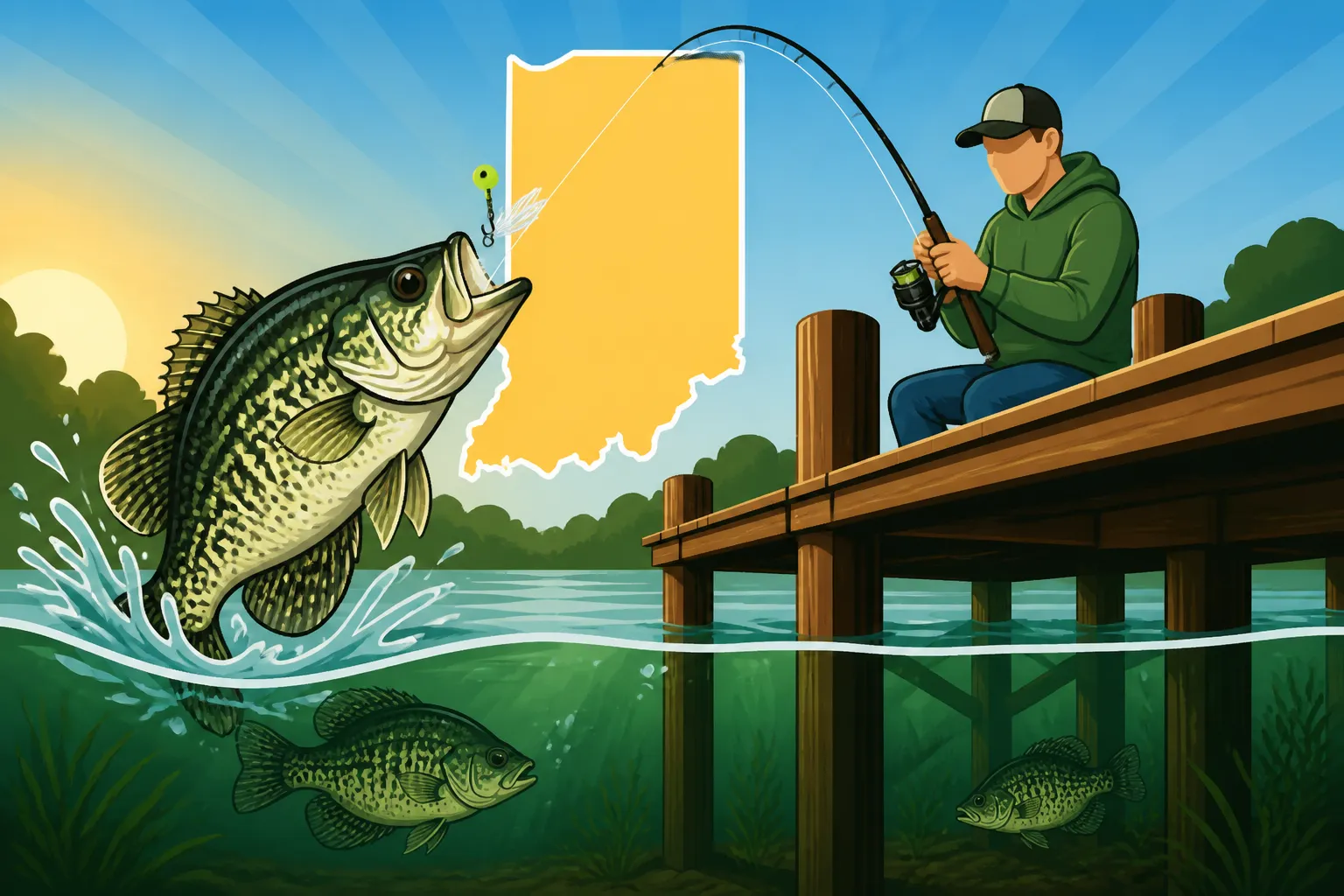
You've decided to hit the docks for crappie, and let me tell you, that's a smart move. But anyone who's tried it knows it can be incredibly rewarding one moment and utterly frustrating the next. Those sneaky crappie love to hang around structures, but convincing them to bite from a fixed position can be a puzzle. This guide is all about unraveling that mystery, giving you the strategies and setup to consistently pull in slabs from your local Indiana docks.
Why Dock Fishing for Crappie is So Effective and Frustrating
There’s a reason docks are often the first place anglers head to when targeting crappie. They’re convenient, offer easy access, and more often than not, hold fish. But it's not always as simple as dropping a line. Crappie are masters of concealment, and dock structures provide them with everything they need – shade, shelter from predators, and a smorgasbord of baitfish.
Understanding Crappie Behavior Around Structures
Crappie, whether black crappie or white crappie, are drawn to cover like moths to a flame. Docks, piers, and boat lifts offer essential protection from direct sunlight, which crappie tend to avoid, especially during the brighter parts of the day. This shade also lowers the water temperature slightly, making it more comfortable for them. Beyond temperature and light, these structures provide ambush points. Small baitfish, insects, and other aquatic life also congregate around docks, creating a ready food source for hungry crappie. They'll often school tightly around pilings, under boat lifts, or right at the edge of the shade line, making them concentrated targets if you know where to look. Understanding this means you're not just casting randomly; you're strategically presenting your bait to where they naturally seek refuge and food.
The Seasonal Appeal of Docks for Crappie
Docks are productive for crappie throughout much of the year in Indiana, but their appeal shifts with the seasons. In the spring, as water temperatures begin to rise, crappie move into shallower waters to spawn. Docks in protected coves or along gradual banks become prime locations. They're seeking hard bottom areas near submerged wood or vegetation, and dock pilings offer exactly that. This is when you can find them in surprisingly shallow water, often right next to the dock. You can learn more about this by checking out our guide on Crappie Spawn Timing on Indiana Lakes.
As summer heats up, crappie retreat to deeper, cooler water. However, docks with deeper water access, especially those extending over drop-offs or near submerged brush piles, still offer sanctuary. The shade they cast becomes even more crucial during scorching summer days. During the fall, as baitfish move shallower, crappie will often follow them back to dock areas, feeding aggressively before winter sets in. Even in winter, if there's open water or a slight current, crappie can be found huddled under docks offering protection from cold winds and ice.
Essential Gear and Bait for Dock Crappie Fishing
You don't need a fancy bass boat or a trove of expensive gear to catch crappie from a dock. In fact, sometimes less is more. The key is having tackle that allows for precise presentation in tight spaces and baits that mimic their natural food sources.
Rods, Reels, and Line for Close-Quarters Action
For dock fishing, precision is paramount. You'll often be dropping your bait into small pockets of water, between pilings, or right up against the dock's edge. This calls for a sensitive, lighter setup.
- Rods: A light to ultralight spinning rod, typically between 5 to 7 feet long, is ideal. The shorter end of that range (5-6 feet) gives you better control for pinpoint drops in tight spots, while a 7-foot rod can offer a bit more casting distance if you need to reach further under a large dock. Look for a fast action tip that will detect those subtle crappie bites, but still have enough backbone to handle a decent slab.
- Reels: Pair your rod with a small, lightweight spinning reel (500 to 1000 size). The smooth drag system is important for handling those sudden runs, especially if you hook a larger crappie.
- Line: Most crappie anglers prefer 4 to 6-pound test monofilament or fluorocarbon line. Monofilament offers good knot strength and some stretch, which can be forgiving. Fluorocarbon is nearly invisible underwater and incredibly sensitive, giving you an edge in clear water. Some anglers opt for a very thin braided line (6-10 lb test) for its incredible sensitivity and casting distance, adding a 2-4 foot fluorocarbon leader for stealth. You might find a great selection of these on Amazon, often at competitive prices.
The Best Baits and Lures to Entice Dock Crappie
Crappie aren't usually picky eaters, but matching your bait to what they're naturally feeding on can make a huge difference.
- Live Minnows: Hands down, live minnows are often the most effective bait for crappie, especially when fished under a small bobber or on a crappie rig. Hook them lightly through the lips or just behind the dorsal fin. Crappie find their erratic swimming irresistible.
- Small Jigs: Soft plastic jigs, typically 1/16 to 1/8 ounce, are incredibly versatile. Colors like chartreuse, white, black and chartreuse, or even translucent with glitter can be deadly. Pair them with tiny plastic bodies like tubes, curly-tail grubs, or small paddletails. The key is to impart subtle action. You can learn more about specific jigging techniques in our guide to Crappie Jigging Techniques for Beginners.
- Small Crankbaits and Blade Baits: While less common for static dock fishing, micro crankbaits or blade baits can be effective if crappie are actively chasing baitfish around the dock periphery. These are best retrieved slowly, with pauses, mimicking an injured baitfish.
- Tiny Spoons: Small, flashy spoons can also trigger aggressive bites, especially if there's a bit of current or if the crappie are feeding on shinier baitfish. A controlled, jigging retrieve is usually best.
- Other Baits: Don't forget about wax worms, mealworms, or even small pieces of nightcrawler. These can be particularly effective on finicky crappie or when fishing very slowly. For a more detailed look at bait options, check out How to Rig a Minnow for Crappie.
Here's a quick comparison of popular crappie baits for dock fishing:
| Bait Type | Pros | Cons | Ideal Conditions |
|---|---|---|---|
| Live Minnows | Highly effective, natural action, attracts larger fish | Can be messy, requires keeping alive, costlier | Any time, especially when crappie are finicky |
| Soft Plastic Jigs | Versatile, wide range of colors/shapes, cost-effective | Requires angler action, less natural scent | Active fish, varied retrieve styles |
| Waxworms/Mealworms | Easy to use, good scent, natural food source | Smaller bites, might attract smaller fish | Slow bites, finicky crappie, cold water |
| Small Crankbaits | Good for covering water, attracts aggressive fish | Can snag easily, less effective on inactive fish | Actively feeding fish, chasing bait |
Proven Techniques for Targeting Crappie from Docks
Successfully catching crappie from a dock isn't just about showing up with a rod and bait. It's about careful observation, precise presentation, and understanding how these fish utilize their environment.
Vertical Jigging and Dropping Baits
This is arguably the most productive technique when fishing directly from a dock. Crappie often suspend in the water column at specific depths, and vertical jigging allows you to target them precisely.
- Read the Water: Look for the shade lines, boat lifts, and any submerged structures you can see. Crappie will often be right at the edge of the deepest shade or directly over a brush pile you might spot with polarized sunglasses.
- Precise Drops: Instead of casting, simply lower your bait straight down, right next to a piling, under a boat, or into a visible pocket of shade. The goal is to make a soft, stealthy entry into the water.
- Find the Depth: Crappie can suspend anywhere from a few inches below the surface to several feet down. Start by dropping your bait to the bottom, then slowly reel up a foot or two at a time, pausing for 15-30 seconds at each depth. Pay close attention to where you get bites. Once you find the "strike zone," stick to that depth. This is crucial because crappie often school horizontally at a consistent depth.
- Subtle Action: Crappie often prefer a subtle presentation. A gentle lift and fall of your rod tip, just enough to make your jig "dance" or your minnow twitch, is often all it takes. Sometimes, simply holding your bait perfectly still can be the trick.
- Utilize a Bobber: A small slip bobber or fixed bobber can be invaluable here. It allows you to set your bait at a precise depth and gives you a visual indicator of a bite. When using a bobber with a live minnow, let the minnow do the work, swimming naturally. For jigs, a slight twitch of the bobber can add enticing action.
Exploring Around and Under the Dock Structure
Don't just fish the immediate area directly in front of you. Crappie are masters of hiding, and they'll often be in the hardest-to-reach spots.
- Under the Dock: This is prime crappie territory. Many anglers shy away from it due to snagging concerns, but the rewards can be huge. Use a light jig or a minnow under a bobber and gently swing or push your bait as far under the dock as possible. A short rod can be an advantage here. If you know there's a submerged brush pile under there, that's where the big ones will be.
- Around Pilings: Each dock piling is its own mini-ecosystem. Drop your bait on all sides of every piling you can reach. Crappie will often stack up against the pilings, especially on the shaded side.
- Boat Lifts and Moorings: Boats tied to docks, especially pontoon boats or those on lifts, create even more shade and cover. Gently drop your bait alongside the hull, under the motor, or right next to the lift mechanism. These are often undisturbed sanctuaries for crappie.
- Fan Casting the Edges: While vertical drops are key, don't neglect the areas just beyond the dock's footprint. Crappie might cruise the deeper edges, especially during low-light conditions. A careful fan cast with a small jig can pick up these patrolling fish.
Adapting to Different Dock Types and Water Conditions
Not all docks are created equal, and neither are all fishing days. Being adaptable is key to consistent success.
- Permanent vs. Floating Docks: Permanent docks with fixed pilings often provide more consistent cover and structure for crappie. Floating docks, while still good, might move with water levels, changing the available shade and depth slightly. On floating docks, pay attention to the anchoring points where cables or chains meet the bottom, as these can also attract fish.
- Deep Water vs. Shallow Water Docks: A dock extending into deeper water, especially over a sharp drop-off, will hold crappie year-round. Shallow water docks are often best in spring and fall. If you're on a shallow dock in summer, look for the deepest shade or target very early morning/late evening.
- Clear vs. Murky Water: In clear water, line visibility and stealth become even more important. Opt for fluorocarbon leaders and natural bait colors. Crappie will be more skittish. In murky water, scents become more important, and brighter colors like chartreuse or orange can stand out better. Slower presentations are often better in murkier conditions.
- Wind and Current: Wind can make fishing from a dock challenging, blowing your bobber or making it hard to feel bites. Use heavier jigs to counteract this, or focus on the calmer, leeward side of the dock. Current, if present, can position fish in predictable ways, often facing upstream, waiting for food. Present your bait so it drifts naturally with the current towards where you expect the fish to be. This is a critical skill for panfish, and our Indiana Panfish Daily Limits by Species guide can help clarify regulations for these species.
Maximizing Your Catch and Handling Your Crappie
Once you start getting bites, you'll want to make the most of your session. Knowing when and where to focus your efforts, and how to properly handle your catch, ensures a rewarding experience.
When and Where to Find the Most Active Crappie
Timing can be everything when it comes to crappie fishing from a dock.
- Low Light Conditions: Dawn and dusk are often the most productive times. During these periods, crappie are typically more active and willing to venture out from the heaviest cover to feed. The reduced light also makes them less wary. Many anglers find success by targeting the first hour after sunrise and the last hour before sunset.
- Overcast Days: Cloudy days often make for excellent crappie fishing. The consistent low light means crappie are less likely to be hiding in the deepest shade, and can be found cruising more freely around the dock structure throughout the day.
- Pre-Frontal Conditions: Just before a cold front moves in, fish tend to feed aggressively. If you can time your trip to coincide with this, you might hit a crappie feeding frenzy. Conversely, fishing immediately after a cold front can be tough, as fish often become lethargic.
- Temperature Consistency: Crappie are highly sensitive to water temperature. Look for docks in coves or areas with consistent temperatures, especially those that warm up first in spring or hold warmth longer in fall. You can delve deeper into this topic by reading Best Water Temperature for Crappie Fishing.
- Specific Indiana Lakes: Many Indiana lakes are known for excellent crappie populations. Lake Monroe, Patoka Lake, and Lake Wawasee are popular choices with numerous public docks or access points where dock fishing is possible. You might find more specific location insights in Best Crappie Lakes in Indiana.
Best Practices for Catching and Keeping Crappie
Once you've hooked a crappie, a few best practices will ensure a smooth catch and, if you plan to keep them, healthy fish for the table.
- Gentle Hookset: Crappie have notoriously papery mouths. A strong, aggressive hookset can often rip the hook right out. Instead, use a gentle but firm sweep of the rod to set the hook.
- Maintain Tension: Once hooked, keep steady tension on the line. Don't pump the rod too much; instead, reel steadily. This helps prevent the hook from tearing free.
- Use a Net: For larger crappie, especially if you're fishing from a high dock, a landing net is a smart investment. It minimizes the risk of losing the fish at the last moment and reduces stress on the fish if you plan to release it. You can find good, lightweight landing nets on Amazon that are perfect for dockside use.
- Respect Bag Limits: Indiana has specific daily bag limits for crappie, which are usually quite generous, but it's important to know them. For instance, How Many Crappie Can You Keep in a Day? provides a detailed overview. Always adhere to state regulations to ensure sustainable fishing for everyone.
- Proper Handling for Release: If you're practicing catch-and-release, handle the crappie as little as possible. Wet your hands before touching the fish to protect its slime coat. Remove the hook quickly and gently, using needle-nose pliers or a hook remover if necessary. Release the fish headfirst back into the water.
- Keeping Your Catch Fresh: If you plan to keep your crappie for dinner, immediately place them on ice in a cooler. This preserves their freshness and quality. Never let them sit in warm water or on a stringer for extended periods in hot weather, as this rapidly degrades the meat. A good cooler, easily purchased on Amazon, is an essential piece of gear for any angler. When considering your overall setup, remember to consult a guide like Best Tackle for Crappie Fishing in Indiana to ensure you have all the necessary components for a successful outing. Ultimately, understanding Crappie Fishing in Indiana: Black Crappie Basics will lay a solid foundation for any crappie angler.
By mastering these techniques and understanding crappie behavior, you'll transform your dock fishing experiences from hit-or-miss to consistently productive.
Disclaimer
Please remember that fishing regulations, including license requirements and bag limits, can change. Always check the latest official Indiana Department of Natural Resources (IDNR) guidelines before heading out on the water. This article is intended for informational purposes only and does not constitute legal advice.