How to Fish Muddy Water After a Storm
There’s nothing quite like the feeling of waking up after a big storm, eager to hit your favorite Indiana fishing spot, only to find the water you know and love has turned into a churning, muddy mess. It’s frustrating, isn't it? That once-clear lake or river now looks like a chocolate milkshake, and you might think your fishing day is ruined. But don't pack up your gear just yet! This guide is all about tackling those challenging post-storm conditions, helping you understand why fish behave differently and arming you with the strategies to still find success when the water looks like mud.
Understanding Why Water Gets Muddy and How Fish React
When a big rain rolls through Indiana, it doesn't just make the ground wet; it fundamentally changes our waterways. Knowing why the water looks the way it does, and how fish process that sudden shift, is the first step to figuring out how to catch them. It’s not just about what you can see (or can’t see!), but what's happening beneath the surface.
The Science Behind the "Chocolate Milk"
That thick, murky water you see after a storm isn't just dirty; it's a complex brew of runoff and disturbed sediment. Heavy rainfall, especially after a dry spell, picks up loose soil, decaying leaves, and other organic matter from fields, streambanks, and yards. This mixture then flows into creeks, rivers, and lakes, turning the water cloudy.
The visual impact is obvious: the clarity you rely on for sight fishing is gone. But it's more than just what you can see. This suspended sediment blocks sunlight from penetrating deep into the water column. For fish that rely heavily on vision to hunt and navigate, this is a massive change. It's like plunging into darkness for them, significantly reducing their ability to spot prey or avoid predators.
Beyond the visuals, storms also introduce physical and chemical changes. The sheer volume of water and the force of it entering a system can churn up the bottom, release gases, and even alter water temperatures. Rapid temperature drops or increases, especially in smaller bodies of water, can stress fish. The influx of new water can also bring in fresh oxygen, but sometimes, decaying organic matter can actually reduce oxygen levels in certain pockets.
It’s completely valid to feel a pang of disappointment when you arrive at your favorite fishing hole and it’s a muddy mess. We’ve all been there, wondering if it’s even worth wetting a line. But understanding that this "chocolate milk" is just a natural, albeit challenging, part of the ecosystem can help you reframe your approach and realize that fish are still there – they’re just acting a little differently. If you've ever wondered Does Rain Make Fishing Better or Worse?, the answer often depends on how you adapt.
How Fish Sense and Adapt in Low Visibility
Fish are incredibly adaptable creatures, and while clear water might be ideal for some, they have evolved ways to thrive even when visibility is near zero. Their survival doesn't solely depend on sight; they possess a suite of other senses that become critical in muddy conditions.
When vision is compromised, a fish's lateral line becomes its superpower. This specialized sensory organ runs along both sides of their body, detecting changes in water pressure and vibrations. It's how they "feel" movements in the water – whether it's a struggling baitfish, a predator approaching, or even the subtle thump of your lure as it moves through the water. In muddy water, your lure's vibration is often the primary signal that tells a fish "food is near."
Beyond feeling vibrations, a fish's olfactory system – its sense of smell – becomes significantly more important. Many fish, especially species like catfish, bass, and crappie, have a highly developed sense of smell that allows them to detect even faint chemical cues in the water. This is why natural baits and heavily scented artificial lures become so effective when the water is turbid. Fish can literally sniff out their next meal.
Sound also plays a crucial role. Fish can hear low-frequency sounds and vibrations through their inner ears and swim bladders. The clacking of a lipless crankbait, the squeaking of a retrieve, or the splashing of a topwater lure, can all serve as beacons in murky water. These auditory signals can attract curious fish from a distance, drawing them in close enough for their lateral line and sense of smell to take over. It’s a multi-sensory hunt for them, and you can learn to leverage each of those senses to your advantage.
Adapting Your Lures and Baits for Muddy Conditions
The biggest mistake anglers make in muddy water is fishing exactly the same way they would in clear water. Once you understand how fish perceive their world in low visibility, you can strategically select lures and baits that cater to their heightened senses of vibration, scent, and sound. It's about making your offering impossible to ignore.
The Power of Contrast and Vibration in Lures
When fish can't see, you need to appeal to their other senses. This means ditching the subtle, natural-colored lures and going for something bolder. Dark colors like black, blue, Junebug, or dark purple create a stronger silhouette against the murky background, making them easier for fish to detect, even if it's just a faint shadow. Chartreuse, a bright, unnatural green, also works exceptionally well in dirty water because of its high contrast and visibility in low light.
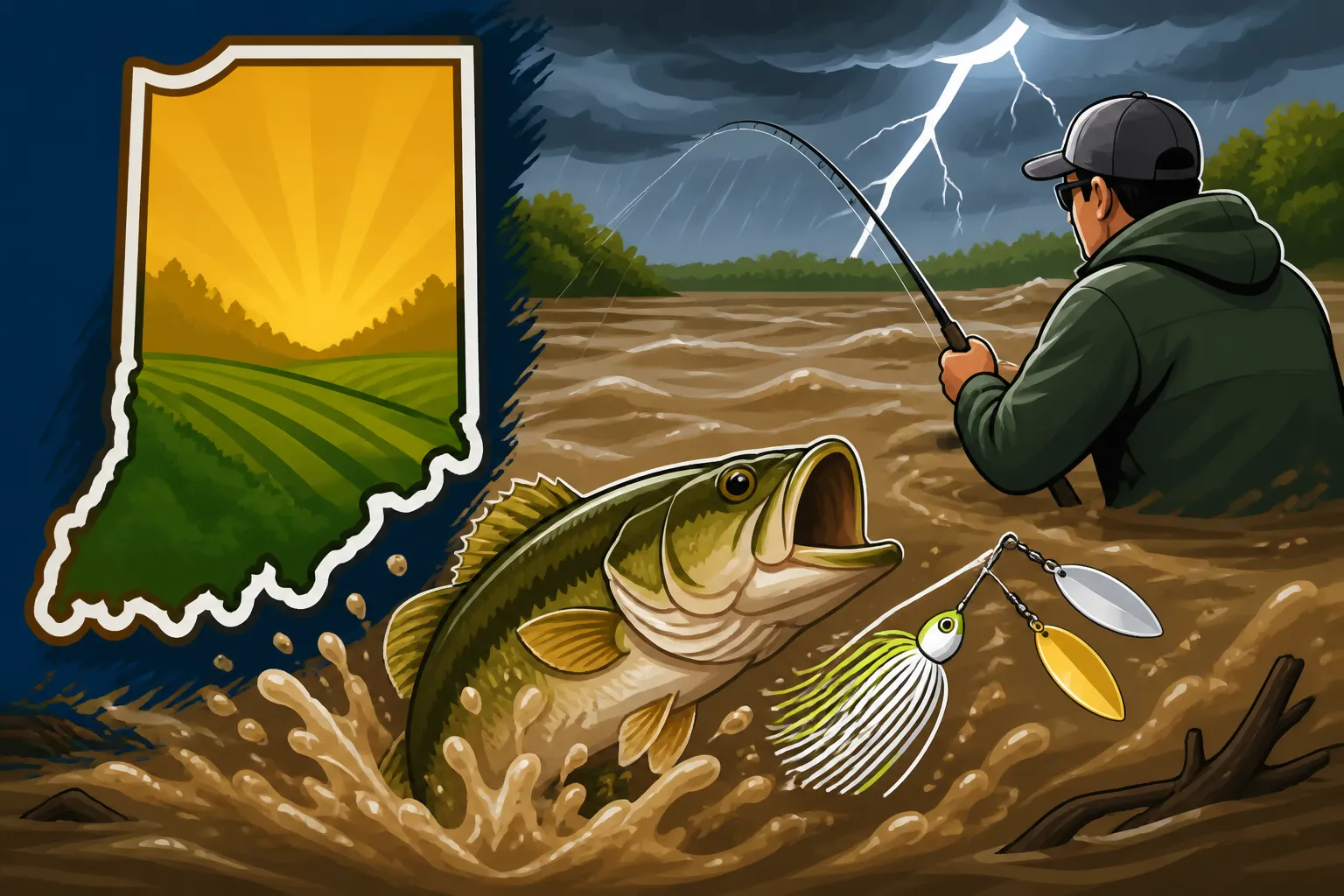
Vibration is equally, if not more, important. Lures that displace a lot of water or create strong thumps and rattles are fantastic choices. Think about a spinnerbait with large thumping blades, a chatterbait that sends intense vibrations through the water, or a lipless crankbait with loud internal rattles. These lures act like a beacon, sending signals through the lateral lines of fish from a distance, drawing them in to investigate.
When fishing these lures, slow down your retrieve significantly. Fish aren't going to chase a fast-moving bait they can barely perceive. Instead, present your lure slowly and deliberately, allowing it to vibrate and "call" to the fish, giving them ample time to locate and strike. Experiment with retrieve speeds and pauses. Often, a stop-and-go retrieve with a vibrating jig or a slow roll with a spinnerbait can be deadly. You can find a huge variety of these specialized lures, from prominent brands to niche manufacturers, on platforms like Amazon, making it easy to stock up for your next post-storm adventure.
Live Bait and Scent: The Ultimate Muddy Water Advantage
While artificial lures certainly have their place, nothing beats the natural appeal of live bait and strong scents in muddy water. Live bait, like minnows, worms, or crawlers, offers not just visual appeal (even if limited), but also natural movement and, crucially, a potent scent trail that fish can follow.
For many species, especially our beloved Indiana catfish, cut bait is king in murky conditions. A fresh piece of shad, skipjack, or even bluegill, with its potent oils and blood in the water, creates an irresistible scent plume that can draw in catfish from surprising distances. Species like channel catfish are perfectly adapted to hunting by smell, making them prime targets in dirty water. If you’re targeting these whisker warriors, definitely check out our guide on Best Bait for Catfish Fishing in Indiana Rivers.
Even if you prefer artificials, don't overlook scent. Scented soft plastics infused with garlic, anise, or proprietary fish attractants can significantly boost your success. Apply a generous amount of scent to your jigs, worms, or creature baits. The added aroma creates a trail for fish to follow, giving them that extra nudge to commit to a strike when they get close. Remember, in low visibility, you’re creating an entire sensory experience for the fish, not just a visual one.
Locating Fish After the Storm: Where Do They Go?
Understanding how fish react is one thing, but actually finding them in a vast, muddy expanse is another challenge. Fish don't just randomly scatter; they often gravitate to specific areas that offer sanctuary, better foraging opportunities, or more comfortable conditions after a major weather event.
Seeking Out Cleaner Water and Current Breaks
Fish are smart. When their world gets turned upside down by a storm, their instinct is often to seek out stability. This frequently means moving to areas where the water is less turbulent, less muddy, or where there's a break from strong currents.
In lakes and reservoirs, this often translates to protected coves, creek mouths (especially if the feeder creek wasn't affected as badly), or the backs of shallow pockets. These areas might clear up faster than the main lake body, or at least offer a refuge from the heaviest sediment load and current. Sometimes, you'll find a distinct "mud line" where clear water meets muddy water; fishing along this seam can be incredibly productive, as fish will patrol it, using the cover of the mud to ambush prey emerging from the clear side.
On rivers, current breaks are gold. Fish will move out of the main, fast-moving current and tuck into eddies, behind large rocks, fallen trees, or along the inside bends of the river where the flow is slower. These spots allow them to conserve energy and wait for food to be washed past them. The influx of new water can also push baitfish into these slower areas, creating a feeding frenzy for gamefish. Look for any change in current, even subtle ones, as potential holding spots. Our article on How to Catch Catfish After Heavy Rain delves deeper into these river dynamics.
Targeting Shallow Cover and Structure
While it might seem counterintuitive to fish shallow in muddy water, it's often a prime location for post-storm activity. Shallow water tends to warm up faster, and after a big influx of cold rain, slightly warmer water can be a major draw for fish. Additionally, the muddiness provides a built-in "cover" for fish that would normally be skittish in clear, shallow conditions.
Look for any kind of structure or cover in these shallower areas. Submerged wood, rock piles, docks, bridge pilings, and even sparse weed lines can all hold fish. These features offer ambush points where fish can hide, wait for prey, and feel secure despite the low visibility. They don't need to hide visually; the mud does that for them. Instead, they position themselves to feel vibrations from passing prey.
When you're working these shallow cover spots, a slow and methodical approach is key. Cast past the cover and work your bait slowly through or along it, making sure to bump into anything that might be down there. Give the fish time to locate your offering using their other senses. Flipping and pitching jigs or creature baits right into dense cover can be particularly effective. For panfish, this might mean a slow-fished jig right near a submerged log – consider some Best Crappie Jig Colors for Cloudy Water to help them stand out.
Practical Tips and Safety Considerations for Muddy Water Fishing
Fishing after a storm isn't just about changing your lures; it's also about adjusting your mindset and ensuring you’re prepared for potentially altered conditions. Safety should always be your top priority, especially when water levels and currents are unpredictable.
Gear Adjustments and Preparedness
When you’re fishing in muddy water, you can often get away with slightly heavier line than you might typically use. The reduced visibility means fish are less likely to be line-shy, and the heavier line provides extra insurance against snags from unseen debris that storms often stir up. A strong, abrasion-resistant monofilament or fluorocarbon line can be a real asset. Always double-check your knots, too – you don't want to lose a fish (or a good lure) to a weak connection in these conditions.
You might also need heavier sinkers, especially if you're fishing in a river with increased current or trying to get your bait down through a lot of suspended debris. Keeping your bait or lure in the strike zone, whether it's on the bottom or at a specific depth, is crucial. Be prepared to adjust your weight throughout the day.
Having a well-organized tackle box is always important, but it's especially helpful when conditions change dramatically. Dedicate a section to your "muddy water arsenal" – those dark, vibrating, and scented baits. This makes it easier to switch tactics quickly. Check out some ideas for Best Tackle Box Organizers for Anglers to keep your gear ready for any condition. Even seemingly non-fishing gear like polarized sunglasses can be useful – while they won't help you see into muddy water, they will cut glare off the surface, helping you spot subtle current changes or floating debris that could signal a safe zone or a hazard. And, of course, a good rain suit is a must if the weather's still iffy.
Safety First: Navigating Post-Storm Waters
When a storm hits, it doesn't just make the water muddy; it can create new hazards. Hidden debris, from small branches to entire logs, can become submerged dangers for boaters and can easily snag your line. Always navigate cautiously, especially in areas you aren't intimately familiar with. Keep a sharp eye out for floating debris that might indicate more unseen dangers below.
Banks and shorelines can also become incredibly slick and unstable after heavy rains. If you're bank fishing, be mindful of your footing, especially near steep drops or fast-moving water. Strong currents, particularly on rivers, can sweep you off your feet. Always wear sturdy, non-slip footwear and consider bringing a walking stick for added stability.
Most importantly, always prioritize safety. Tell someone where you're going and when you expect to return. Wear a life jacket, especially if you're boating, kayaking, or fishing near swift currents – it's not just a good idea, it's often a requirement in Indiana. Understand that sometimes, conditions might just be too dangerous, and it's okay to postpone your trip. No fish is worth risking your well-being. Knowing about general fishing regulations, such as How Many Fish Species Live in Indiana Waters?, is also part of being a responsible angler and staying safe by following all rules.
Muddy Water vs. Clear Water Strategies
To summarize the key differences in approach:
| Feature / Condition | Clear Water Strategy | Muddy Water Strategy |
|---|---|---|
| Visibility | Sight-fishing, natural colors | Rely on vibration, scent, dark/contrasting colors |
| Lure Choice | Finesse, realistic patterns | Spinnerbaits, Chatterbaits, Jigs, Scented plastics |
| Bait Choice | Live minnows, worms, delicate presentations | Cut bait, large worms, smelly baits |
| Retrieve Speed | Varied, sometimes fast | Slower, more deliberate, allowing fish to find |
| Fish Location | Deeper structure, open water, subtle breaks | Shallow cover, current breaks, cleaner water pockets |
| Preferred Sense | Vision | Lateral line, smell, hearing |
Navigating the challenges of muddy water after a storm can feel daunting, but it’s a fantastic opportunity to sharpen your angling skills and prove your adaptability. By understanding how fish react to these conditions and adjusting your approach to focus on vibration, scent, and careful presentation, you can turn a potentially frustrating day into a surprisingly productive one. So, next time the rain clears and the water looks like coffee, don't despair – grab your gear, remember these tips, and go catch some fish!
Disclaimer
This article is for general informational purposes only and does not constitute professional advice. Laws, prices and regulations vary by location and change over time. Consult a qualified professional for guidance on your specific situation.