Common Fish Species You’ll Find in Farm Ponds
For many Hoosier anglers, the serene waters of a local farm pond offer some of the most accessible and enjoyable fishing experiences, whether you're a seasoned pro looking for a quick bite or introducing a youngster to the joys of the sport. But stepping up to a new pond, it's natural to wonder what finned friends might be lurking beneath the surface. This guide will help you understand the common fish species you're most likely to encounter in Indiana's ubiquitous farm ponds, giving you an edge before you even cast your line.
Why Farm Ponds Are Great for Fishing
Farm ponds hold a special place in the heart of many Indiana anglers, and for good reason. They often provide a convenient, less intimidating alternative to sprawling lakes or fast-flowing rivers. Many of us grew up casting a line into a friend's pond or a small community waterhole, learning the ropes in a low-pressure environment. These smaller bodies of water are typically well-managed, often stocked with specific species to create a balanced fishery, and their relatively shallow depths mean fish are usually more active and accessible, especially during warmer months.
One of the biggest advantages of pond fishing is the ease of access. You don't always need a fancy boat or extensive gear. A simple spinning rod, a handful of lures or some worms, and a comfortable spot on the bank are often all it takes. This makes them perfect for a quick evening trip after work or a weekend outing with the family. The quiet nature of many ponds, away from the hustle and bustle of larger recreational lakes, also provides a peaceful escape, allowing you to truly unwind and connect with nature. Plus, because they're smaller, changes in weather or water conditions can be easier to observe and adapt to, giving you a better chance of understanding fish behavior on a given day. They're truly one of Indiana's Best Fishing Spots for Beginners in Indiana.
The Usual Suspects: Most Common Fish Species in Indiana Farm Ponds
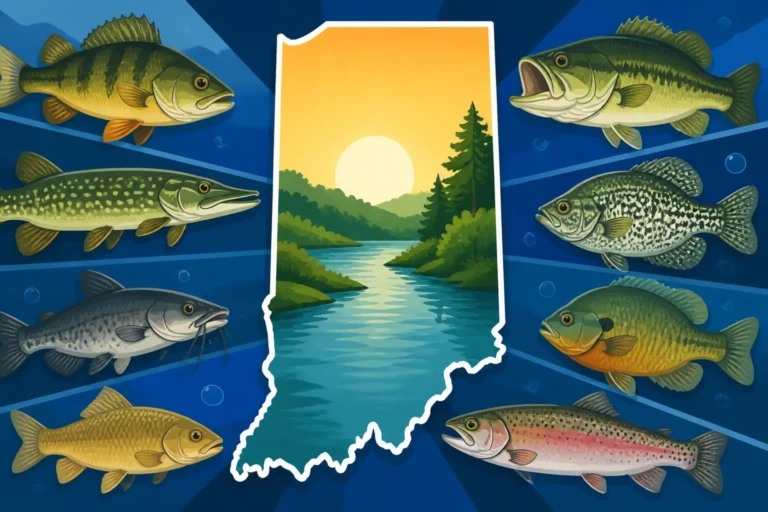
When you think of an Indiana farm pond, a few key species immediately come to mind. These are the fish that thrive in these environments, often stocked intentionally to create a healthy ecosystem and provide ample angling opportunities. Understanding these primary residents will vastly improve your chances of a successful and enjoyable day on the water.
Largemouth Bass: The Pond King
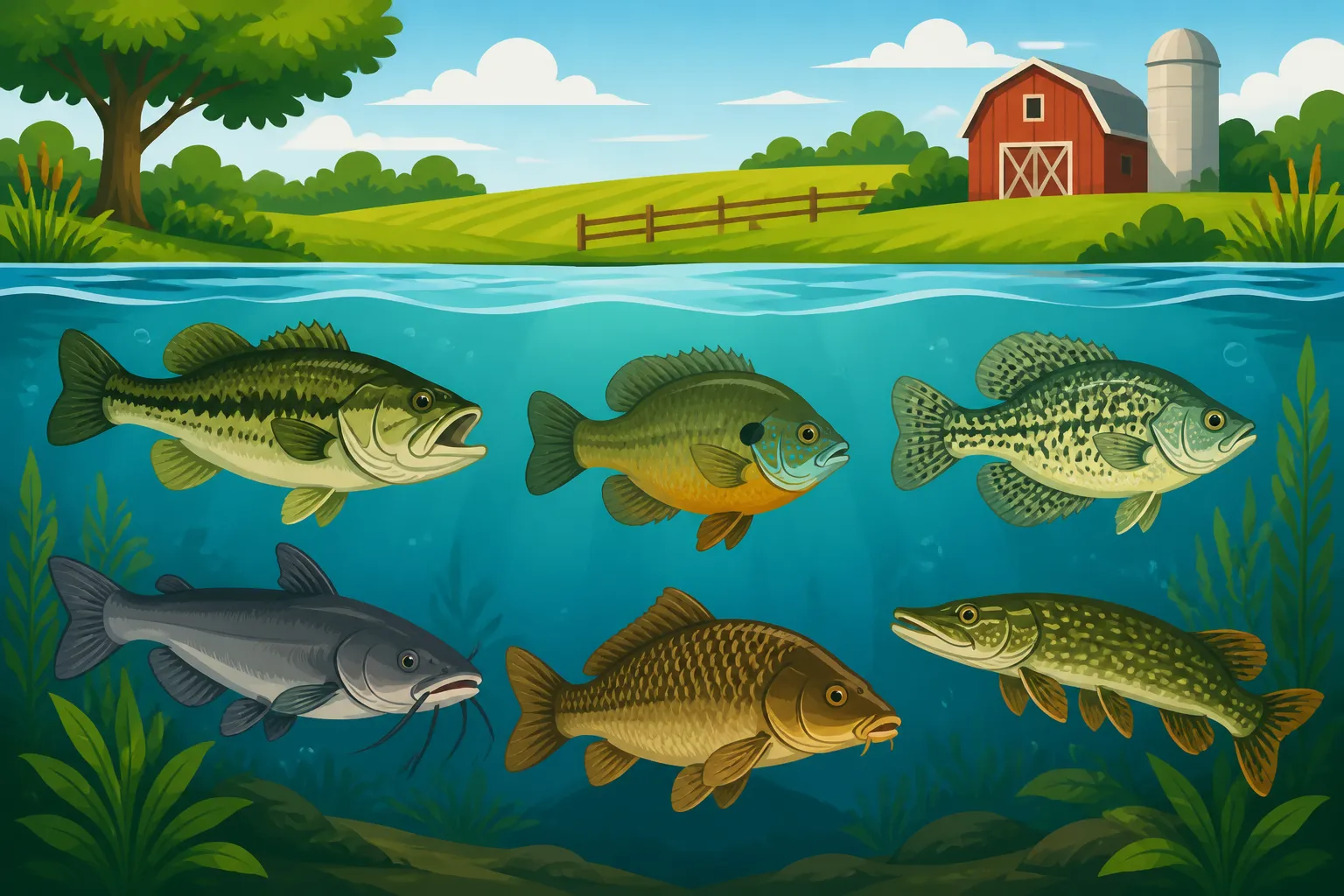
Ah, the largemouth bass – the undisputed king of most Indiana farm ponds. These aggressive predators are a favorite among anglers for their powerful fights and willingness to strike a variety of baits. Ponds offer ideal habitat for largemouth, with plenty of cover in the form of submerged vegetation, fallen trees, and shallow weed lines where they can ambush prey. They grow quite well in these environments, often reaching impressive sizes if the pond has a good food source and is managed properly. You might be surprised at the trophy potential some smaller ponds hold!
Targeting largemouth in a pond is a fantastic way to hone your bass fishing skills. They often patrol the edges of drop-offs, hang around submerged structures, or hide in lily pads. For more in-depth knowledge, check out Largemouth Bass Fishing in Indiana: The Complete Guide. Common lures include plastic worms, spinnerbaits, crankbaits, and topwater frogs fished right along the edges of cover. Live bait like shiners or even large nightcrawlers can also be incredibly effective. Remember, bass are often visual feeders, so pay attention to how your lure moves and how it looks in the water. For an array of options, you can often find a great selection of Best Bait for Largemouth Bass in Indiana Lakes on platforms like Amazon, delivered right to your door.
Bluegill and Other Panfish: The Ever-Present Nibblers
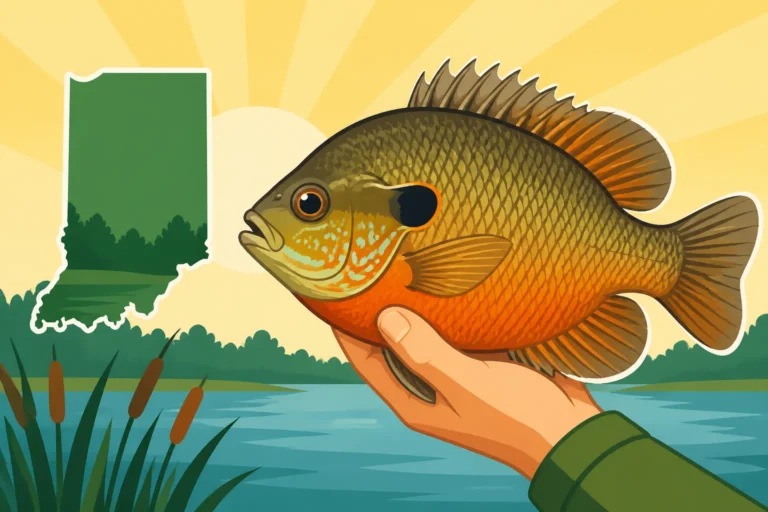
If the largemouth bass is the king, then bluegill are the cheerful, ever-present citizens of the pond. These feisty little panfish are almost universally found in Indiana farm ponds and are often the first fish many children catch. They're abundant, relatively easy to catch, and provide fantastic action on light tackle. Bluegill are schooling fish, so where you find one, you're likely to find many more. They are also fantastic table fare, making them a popular choice for anglers looking to bring home a delicious meal.
Beyond bluegill, you might also encounter other panfish like redear sunfish, often called "shellcrackers" for their ability to crush snails, or even pumpkinseeds. These fish share similar habits, often congregating around weeds, docks, or other shallow cover. They're opportunistic eaters, readily taking small worms, crickets, bits of bread, or tiny artificial jigs and flies. For families, panfish provide continuous excitement. There's nothing quite like watching a bobber dance and then plunge under the surface! Learn more about these fantastic fish in Bluegill and Panfish: A Great Starter Fish for Kids in Indiana. You can find excellent Best Panfish Rods for Indiana Ponds that are perfect for this type of fishing, often available with convenient shipping through retailers like Amazon.
Channel Catfish: The Bottom Dwellers
Another common resident of Indiana farm ponds, especially those managed for recreational fishing, is the channel catfish. These whiskered bottom-dwellers are known for their strong fights and delicious, flaky white meat. Unlike bass and bluegill, catfish are less about sight and more about smell, making them a unique challenge and a great target for those who enjoy a different style of fishing. They can grow to impressive sizes in ponds, often exceeding what many might expect from such a small body of water.
Channel catfish prefer deeper holes or areas with submerged structure where they can hide during the day. They become more active as the sun sets and are excellent targets for night fishing. They'll eat just about anything stinky: cut bait, chicken livers, hot dogs, and specialized stink baits are all popular choices. A simple bottom rig with a sinker and a hook is usually all you need. If you're looking to target these whiskered beauties, dive into Channel Catfish Fishing in Indiana: The Complete Guide. For a reliable supply of fresh bait, sometimes local bait shops are best, but for specific catfish rigs or tools, online retailers such as Amazon can offer a wider selection.
Black Crappie: The Elusive Slab
While perhaps not as universally common in every farm pond as bass or bluegill, black crappie are definitely present in many, especially larger, well-established ponds that have deeper sections and plenty of submerged timber or brush piles. Crappie are schooling fish, much like bluegill, but tend to be a bit more finicky. When you find a school, however, the action can be non-stop. They're prized for their delicious taste and the challenge they present, earning them the nickname "slab" among devoted anglers.
Crappie often suspend in the water column around structure. During the spring, they move into shallower waters to spawn, making them easier to target. Small jigs, minnows, or tiny crankbaits are highly effective. Patience and a good understanding of their preferred depths are key to consistent crappie catches. For detailed strategies, consider reading Crappie Fishing in Indiana: Black Crappie Basics. Locating crappie can sometimes require a bit of exploration, but once you pinpoint their holding spots, it can be incredibly rewarding.
Beyond the Basics: Other Potential Pond Dwellers
While largemouth bass, bluegill, and channel catfish are the mainstays, some Indiana farm ponds can host other species, either naturally or through specific stocking programs. These can add an exciting element of surprise to your fishing trip.
Common Carp and Grass Carp
It's not uncommon to find common carp in larger, older farm ponds, especially those connected to other waterways or that have experienced flooding. These powerful fish are bottom feeders, known for their strong fights. While not everyone's favorite target, they can provide a thrilling battle on the right tackle. Grass carp are also occasionally stocked in ponds primarily for aquatic vegetation control, and while they can be challenging to catch on traditional hook and line, they are sometimes hooked incidentally. They're vegetarians, so targeting them usually requires specific tactics like bread balls or corn.
Occasionally Stocked Trout
In a few select, cooler Indiana farm ponds, especially those fed by springs or with deeper, cold-water pockets, you might find rainbow trout. This is less common but certainly possible if a pond is part of a specific stocking program. Trout prefer cold, clear water and are often stocked in early spring or fall for a "put-and-take" fishery. They'll readily take small worms, powerbait, or tiny spinnerbaits. Always check local regulations or ask the pond owner if trout are a possibility.
Essential Gear and Techniques for Pond Success
Having the right gear and a few basic techniques down can make all the difference in your pond fishing adventures. You don't need a boatload of expensive equipment, but being prepared certainly helps.
Simplicity is Key: Rods, Reels, and Line
For general pond fishing, a medium-light to medium action spinning rod, 6 to 7 feet long, paired with a matching spinning reel spooled with 6-10 lb monofilament or fluorocarbon line is an excellent all-around setup. This combination is versatile enough to handle everything from panfish to decent-sized bass and catfish. For beginners, or for outfitting the whole family, a Best Beginner Fishing Kits for Kids is often a great starting point and can be found readily from sports retailers or online.
| Species | Recommended Rod Action | Line Weight (lb) | Typical Baits/Lures | Key Technique |
|---|---|---|---|---|
| Largemouth Bass | Medium to Medium-Heavy | 8-15 | Plastic worms, spinnerbaits, crankbaits, frogs | Cast to cover, retrieve slowly |
| Bluegill/Sunfish | Ultralight to Light | 2-6 | Worms, crickets, small jigs, tiny spinners | Bobber fishing, subtle jigging |
| Channel Catfish | Medium-Heavy | 10-20 | Cut bait, stink baits, chicken livers, worms | Bottom fishing, tightlining |
| Black Crappie | Light to Medium-Light | 4-8 | Small jigs, live minnows | Vertical jigging, slow retrieve |
Bait and Lure Selection
When it comes to bait, simplicity often wins in ponds. For bluegill and other panfish, live worms (nightcrawlers or red wigglers) and crickets are almost always effective. For bass, soft plastic worms, creature baits, spinnerbaits, and small crankbaits that mimic baitfish are solid choices. If you're targeting catfish, you'll want something with a strong scent—cut bait, chicken livers, or commercial stink baits are hard to beat. Always carry a variety so you can adapt to what the fish are biting on any given day. Remember, you can always replenish your bait and lure collection by browsing Best Bait Choices for Spring Fishing or other seasonal options on Amazon, which usually has a vast inventory.
Locating Fish in a Pond
Ponds, while smaller, still have structure that attracts fish. Look for areas with:
- Submerged vegetation: Weed beds, lily pads, and cattails provide cover for ambush predators like bass and food for panfish.
- Fallen trees or brush piles: These are natural magnets for bass and crappie looking for shelter.
- Depth changes: Where shallow water drops off into deeper sections, fish will often hold along that transition line.
- Inflows/Outflows: Any culverts, small streams, or drains bringing in fresh water can concentrate baitfish and, in turn, game fish.
- Docks or piers: These structures offer shade and cover, making them excellent spots for panfish and even bass.
Learning How to Catch Bluegill for Beginners often starts with simply fishing around these visible structures. For catfish, focusing on deeper, muddy bottom areas is usually your best bet, often using How to Bottom Fish for Channel Catfish techniques.
Respecting the Resource
Finally, remember to be a responsible angler. Respect private property, clean up after yourself, and follow all Indiana fishing regulations regarding size and bag limits. If you're fishing a private pond, always ask permission from the landowner first. This ensures that these wonderful fishing opportunities remain available for everyone to enjoy for years to come.
Disclaimer
This article is for general informational purposes only and does not constitute professional advice. Laws, prices and regulations vary by location and change over time. Consult a qualified professional for guidance on your specific situation.