How to Catch Bluegill for Beginners
You've probably heard that bluegill are easy to catch, and they are! But if you're new to fishing, sometimes even the "easy" stuff can feel a little intimidating or just not go quite right. You might wonder if you have the right bait, the right spot, or if you're just doing it all wrong. Trust me, we've all been there! This guide is designed to strip away the mystery and give you a clear, actionable roadmap to successfully catching bluegill in Indiana, making your next fishing trip a fun and rewarding experience, whether you're alone or bringing the family.
Understanding Bluegill: The Perfect Beginner Fish
Bluegill are often the first fish many anglers catch, and for good reason. They are plentiful, found in almost every body of freshwater in Indiana, and generally quite eager to bite. This makes them an absolutely perfect target for beginners, including those introducing children to the joys of angling.
Why Bluegill Are Great for New Anglers
First and foremost, bluegill are incredibly abundant across Indiana. From small farm ponds to large reservoirs and slow-moving rivers, you'd be hard-pressed to find a body of water in the state that doesn't hold a healthy population of bluegill. This means you don't have to venture to exotic locations or invest in specialized equipment to find them. They're literally in your backyard, or at least a short drive away.
Their eagerness to bite is another huge plus. Unlike some more finicky species that require precise techniques and presentations, bluegill are often quite aggressive when hungry. This means more action on your line, which is incredibly encouraging for new anglers who might otherwise get bored waiting for a bite. That constant tug on the line and the sight of a bobber dipping under the water provides instant gratification and builds confidence, teaching the fundamental joy of connecting with a fish. Plus, while they may be small, bluegill put up a surprisingly spirited fight for their size, which adds another layer of excitement to the experience.
Finally, bluegill fishing is accessible. You don't need a fancy boat or expensive electronics. Bank fishing with simple gear is highly effective. They're often found in shallow areas, making them easy targets even for those without extensive casting skills. It's a low-barrier-to-entry sport that offers high rewards in terms of fun and learning.
Identifying Indiana Bluegill
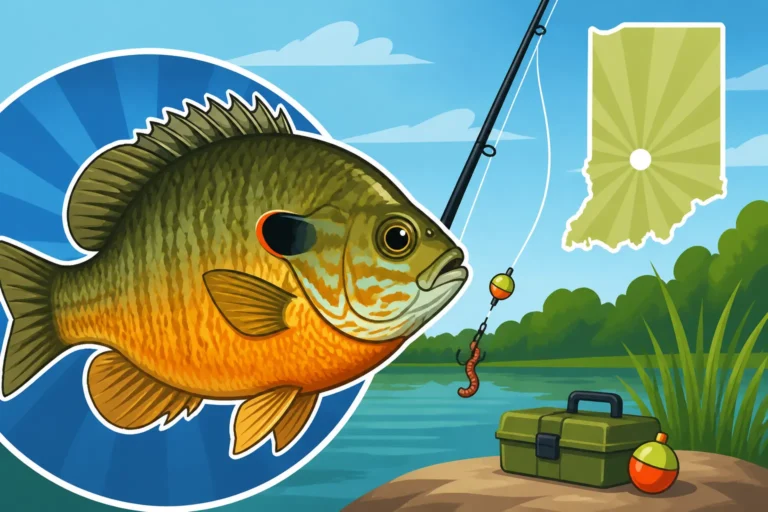
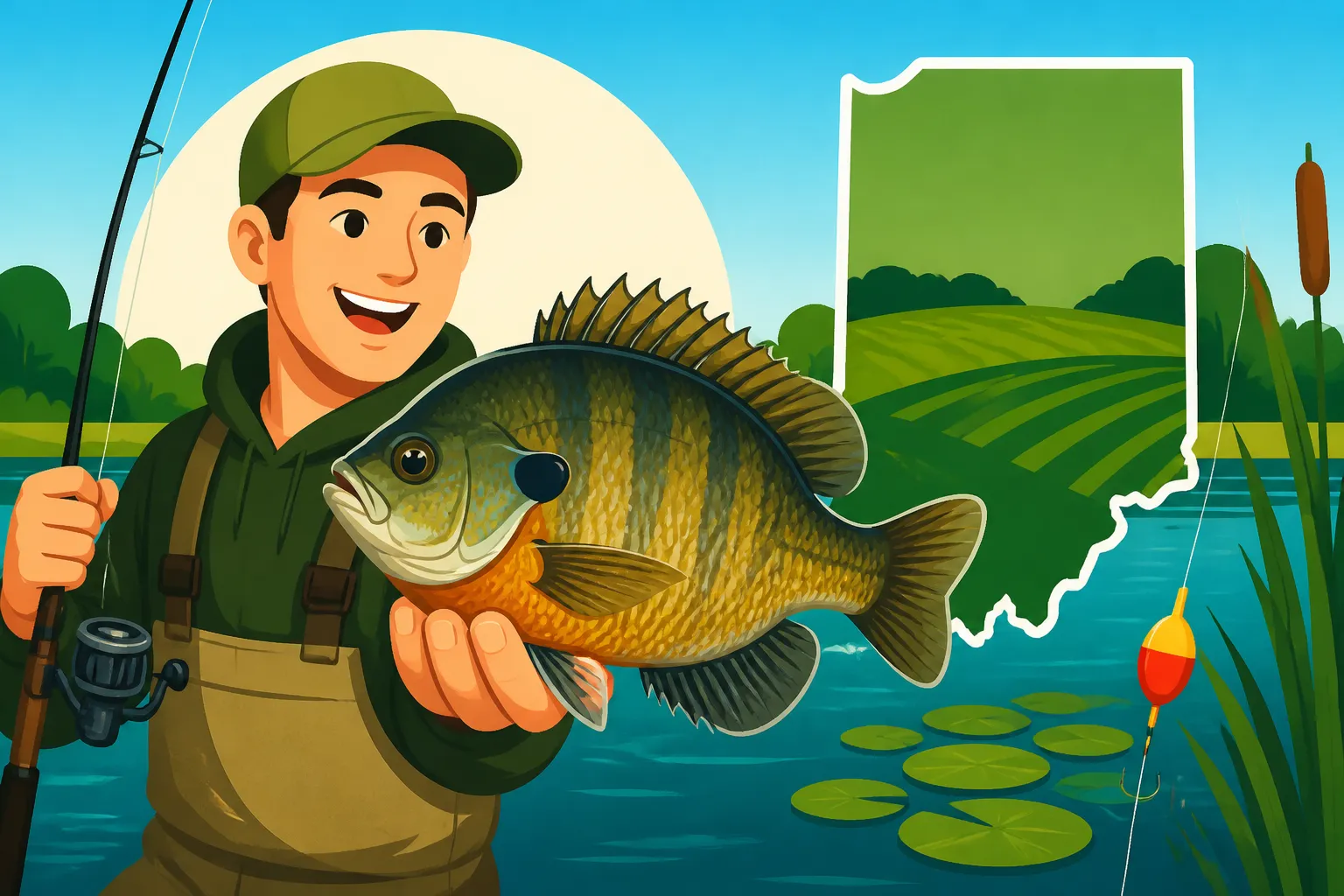
Before you start casting, it helps to know what you're looking for! Properly identifying bluegill is fairly straightforward, and they have some key features that distinguish them from other panfish. The most prominent characteristic is a small mouth, which is why small hooks are so important for them. Look for a distinctive, dark spot on the rear edge of their gill flap, which is usually quite noticeable. Their bodies are typically deep and laterally compressed, almost disc-shaped.
In terms of coloration, bluegill can vary quite a bit depending on their habitat, but generally, they'll have an olive to dark green back, with lighter, sometimes yellowish or even orange, undersides. Many bluegill also exhibit several faint vertical bars along their sides, especially when they are smaller or in certain lighting conditions. Males, particularly during the spawning season, can develop vibrant orange or red chests, living up to their "bream" nickname in some regions.
Bluegill are members of the sunfish family, so you might catch other similar-looking species like redear sunfish or green sunfish. While the specific identification might seem daunting at first, learning the basics will help you understand what you're catching. For a more detailed look, check out our guide on Bluegill Identification: A Beginner's Guide or the broader Indiana Panfish Guide: Crappie, Bluegill, and Sunfish.
Where to Find Bluegill in Indiana
Finding bluegill in Indiana is usually not the hardest part of the equation, as they are truly widespread. However, knowing where within a given body of water they prefer to hang out will dramatically increase your success. Bluegill love cover and structure. Think of places where they can hide from predators, ambush small insects, and feel safe.
Here's a breakdown of their favorite haunts:
- Weed Beds and Aquatic Vegetation: This is prime bluegill territory. Lily pads, cattails, submerged grasses, and any other aquatic plants provide excellent cover. They'll cruise the edges of these beds or hide deep within them.
- Docks and Piers: Man-made structures like docks offer shade and cover. The pilings often attract algae and small insects, which in turn attract bluegill. Cast your bait close to the pilings or under the dock itself.
- Fallen Trees and Brush Piles: Any submerged timber or brush provides fantastic cover. Bluegill will gather around these areas, especially where branches extend into the water. Be prepared for snags when fishing these spots, but the reward is often worth it.
- Shallow Coves and Bends: In lakes and larger ponds, shallow coves that warm up quickly in the sun, especially those with some vegetation, are bluegill magnets. Look for areas with a slower current in rivers.
- Drop-offs: While they love shallow water, bluegill will also utilize areas where the bottom quickly drops off into deeper water. They might move to the deeper side of these drop-offs during colder periods or in the heat of the day.
You'll find bluegill in nearly every Indiana pond, lake, and slow-moving river. Places like local county parks, state recreation areas, and even small private ponds are fantastic starting points. Don't overlook smaller bodies of water; often, these hold some of the biggest bluegill. The key is always to look for cover or some kind of irregularity in the bottom or shoreline.
Essential Gear for Bluegill Fishing
One of the best things about bluegill fishing is that you don't need to break the bank to get started. Simple, affordable gear is not just adequate, it's often preferred for these feisty little fish. The goal is sensitivity and a light touch.
Simple Rod and Reel Setups
For bluegill, an ultralight spinning combo is your best friend. Why ultralight? Because bluegill have notoriously subtle bites, and lightweight gear allows you to feel even the slightest tap. A light or ultralight rod, typically between 4.5 and 6 feet long, will give you the necessary sensitivity while still providing enough backbone to cast light baits and handle a fighting fish. A matching small spinning reel, loaded with 4 to 6-pound test monofilament line, completes the setup. This type of line has enough stretch to absorb the shock of a strike and is thin enough to be less visible to the fish.
Many sporting goods stores and online retailers like Amazon offer fantastic, budget-friendly ultralight spinning combos that are perfect for beginners. You can often find a complete rod and reel setup for a very reasonable price, making it incredibly easy to get started without a significant investment. Don't feel pressured to buy the most expensive gear; a basic, sensitive setup is far more important than brand names for bluegill. If you're looking to dive deeper into rod choices, our guide on Best Ultralight Rods for Bluegill Fishing offers some great suggestions.
Basic Bluegill Baits
Bluegill aren't picky eaters, which is another reason they're so great for beginners! You have a wide array of options, both live and artificial, to entice them.
For live bait, you can't go wrong with:
- Worms: Red wigglers, nightcrawlers (cut into smaller pieces), or even common garden worms are absolute bluegill candy. They're natural, scent-filled, and irresistible.
- Crickets: Especially in warmer months, crickets can be incredibly effective, often eliciting aggressive strikes. Their erratic movements on the surface or just below are very attractive.
- Mealworms: These are durable, easy to keep, and bluegill love them. They're a great alternative if you can't find worms or crickets.
When it comes to artificial baits, think small!
- Small Jigs: Tiny 1/32 or 1/64 ounce jigs, often tipped with a piece of plastic grub or a small Gulp! Alive bait, are highly effective. Pink, chartreuse, white, and black are popular colors.
- Tiny Spinners: Lures like a small Mepps Aglia or Rooster Tail can work well, especially if you're trying to cover a bit more water.
- Corn: Believe it or not, a kernel or two of canned corn can be surprisingly effective for bluegill, especially if you're chumming a spot.
Many of these baits, particularly artificial jigs, plastic grubs, and even hooks designed for live bait, are conveniently available in multi-packs on platforms like Amazon, allowing you to stock up on essentials without visiting multiple stores. For more in-depth bait strategies, check out our guides on Best Bait for Bluegill Fishing in Farm Ponds and Best Bait for Sunfish and Bluegill.
Must-Have Terminal Tackle
Your terminal tackle is the gear that goes directly on your fishing line, connecting your bait to your rod. For bluegill, simplicity is key.
Here’s what you’ll need:
- Hooks: Small hooks are essential for bluegill due to their small mouths. Sizes #6 or #8 are typically perfect. Baitholder hooks, which have small barbs on the shank to keep live bait from sliding off, are a popular choice.
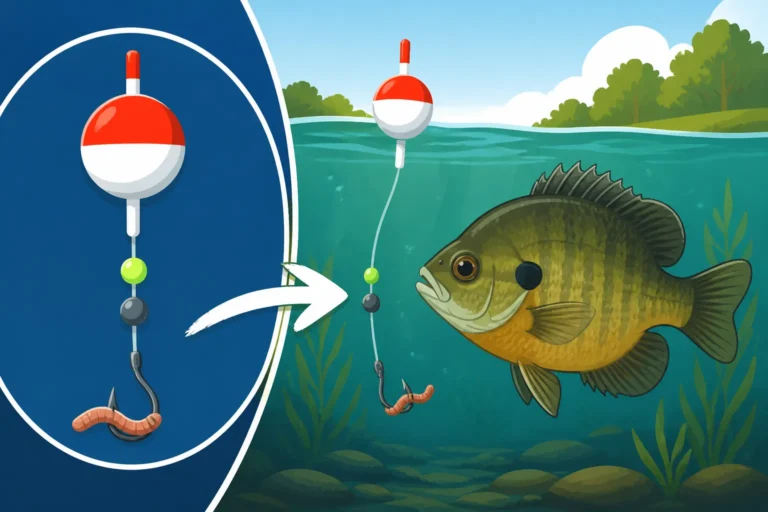
- Bobbers: A bobber acts as a visual strike indicator and keeps your bait suspended at a desired depth. Small, sensitive bobbers are best. You can choose between traditional clip-on bobbers or slip bobbers. Clip-on bobbers are simpler for beginners, while slip bobbers allow you to fish deeper without having a large bobber fixed far up your line during casting. Learn how to set them up effectively with our guide on How to Rig a Bobber for Bluegill.
- Split-Shot Weights: These tiny lead-free weights (always opt for lead-free for environmental reasons!) are crimped onto your line a few inches above your hook. They serve two purposes: to help you cast lighter baits further and to get your bait down to the desired depth. Use just enough weight to balance your bobber so that it stands upright in the water without sinking completely.
- Stringer or Cooler: If you plan on keeping some bluegill for dinner, a simple stringer to keep them alive in the water or a small cooler with ice will be necessary.
Putting together a small, organized tackle box with these essentials is straightforward, and many starter kits or individual components like hooks and bobbers can be found in bulk on Amazon. This makes it easy for any beginner to gather all the necessary items before heading out to the water.
Techniques for Catching Bluegill in Indiana
Once you have your gear ready, it's time to learn how to put it to good use. Bluegill fishing techniques are generally very forgiving, which is another reason it's such a great starting point for new anglers.
Using a Bobber Effectively
The classic bobber setup is arguably the most common and effective way to catch bluegill, especially for beginners. It's simple, visual, and incredibly satisfying when that bobber dips under!
Here’s how to make the most of it:
- Set Your Depth: This is crucial. Bluegill often hang out just above weed beds or near structure. Start by setting your bobber so your bait is suspended a foot or two off the bottom, or just above any visible submerged vegetation. If you're not getting bites, adjust the depth. Sometimes they're right near the surface, other times a little deeper. The beauty of a bobber is you can easily experiment.
- Cast Near Cover: Once your depth is set, cast your bait and bobber near promising bluegill hideouts – along the edge of lily pads, next to a fallen log, or under a dock. Aim for areas with shade and protection.
- Watch the Bobber: This is where the magic happens! Be patient and watch your bobber closely. A bluegill bite might be a gentle wiggle, a slight dip, or a full-on plunge. Don't strike at every tiny movement; wait for the bobber to either completely submerge or move horizontally with conviction.
- The Hookset: When the bobber goes down definitively, give a gentle but firm tug upwards with your rod to set the hook. Bluegill have soft mouths, so a hard yank isn't necessary and can pull the hook out.
Remember, bluegill often school together, so if you catch one, there are likely more in the same spot!
Still Fishing and Light Jigging
While a bobber is great, there are other effective ways to present your bait.
Still Fishing: This technique involves simply casting your bait and letting it sit. You can do this with or without a bobber. If you're fishing without a bobber, you might use a slightly heavier split-shot weight to get your bait to the bottom, especially if you suspect bluegill are holding deeper. The key here is patience. Watch your line for any twitch or movement, or feel for a subtle tap if you're holding the rod. This is particularly effective when bluegill are less active or when you've located a school in a specific area.
Light Jigging: This method is all about subtle movement. If you're using a small jig (with or without live bait), cast it out and retrieve it very slowly, adding tiny twitches of your rod tip. This mimics a struggling insect or small baitfish, which can be irresistible to bluegill. It's a great way to cover a bit more water than still fishing and can often provoke strikes from more active fish. You might feel a gentle pull, a slight weight, or a sudden slackening of the line when a fish bites. The article, Best Bluegill Fishing Techniques for Kids, emphasizes this gentle approach, making it easy for young anglers to master.
| Bait Type | Pros | Cons | Best Use Case |
|---|---|---|---|
| Worms | Universal, easy to find, natural scent | Messy, can be eaten off hook easily | All seasons, general bluegill fishing |
| Crickets | Great for warmer months, active | Can be hard to keep alive, seasonal | Topwater action, active bluegill |
| Mealworms | Durable, easy to handle, long-lasting | Less active than crickets, smaller bite | Finesse fishing, cooler water, picky eaters |
| Corn | Cheap, readily available, biodegradable | Less natural attraction, can attract carp | Chumming, casual fishing, easy for kids |
| Small Jigs | Versatile, reusable, various colors | Requires slight retrieve, less scent | Active fish, exploring different depths, searching |
| Tiny Spinners | Flash and vibration attracts fish | Can twist line, less effective when still | Covering water, active fish, searching for schools |
Ethical Angling and Handling Your Catch
Responsible fishing is just as important as catching fish. Practicing ethical angling ensures healthy fish populations for everyone to enjoy for years to come.
If you plan to release fish, handle them as little as possible. Wet your hands before touching the fish to protect their protective slime coat, which guards against disease. Remove the hook gently and quickly, using needle-nose pliers or a hook remover if needed. If a fish is deeply hooked, it's often best to cut the line as close to the hook as possible rather than trying to rip the hook out, which can cause more damage.
If you decide to keep bluegill (they are absolutely delicious pan-fried!), be mindful of Indiana's regulations. For panfish like bluegill, the daily bag limit is typically 25 per species. This means you can keep 25 bluegill, 25 crappie, and 25 redear sunfish, for example, but always double-check the latest Indiana Department of Natural Resources (DNR) regulations before you head out, as rules can sometimes vary by water body. Our guide on How Many Crappie Can You Keep in a Day? offers similar insights into panfish limits. Keep your catch in a cooler on ice or on a stringer in the water to keep them fresh until you're ready to clean them. You can learn more about their deliciousness in Is Bluegill Good to Eat?. Remember, in Indiana, kids under 18 often don't even need a license to fish, making it a truly accessible family activity. Our Kids Fish Free Until Age 18 in Indiana post has all the details.
Timing Your Bluegill Adventures
While bluegill can be caught year-round in Indiana, certain times of day and year offer better opportunities, especially for beginners looking for consistent action. Understanding these patterns can significantly boost your success rate.
Best Times of Day and Year
Bluegill, like many fish, have peak feeding times. Generally, the best times to target them are during the early morning hours (dawn until a few hours after sunrise) and late evening (a few hours before sunset until dusk). During these periods, the water temperatures are often cooler, and the light is lower, making bluegill feel safer to feed in shallower areas. On hot summer days, they might retreat to deeper, cooler waters during midday, only to return to the shallows when the sun begins to drop.
Seasonally, spring and early summer are prime times for bluegill fishing in Indiana. This is when they move into shallower waters for their spawning season. During the spawn, bluegill are highly aggressive and protective of their nests, making them incredibly eager to strike at any bait that comes too close. Look for circular, shallow depressions on the bottom in calm, sunny areas – these are bluegill nests, and where there's one, there are usually many. As summer progresses, they might move slightly deeper but will still be found in areas with good cover. Fall can also be excellent as they feed heavily to prepare for winter. For a more detailed seasonal breakdown, our guide on Best Season for Bluegill Fishing in Indiana can offer further insights.
Weather Considerations for Bluegill
The weather definitely plays a role in bluegill activity, though they tend to be less affected by minor changes than some other sport fish.
- Stable, Warm Weather: Generally, stable periods of warm, sunny weather are fantastic for bluegill. It keeps them active and feeding, especially in the mornings and evenings.
- Cold Fronts: A sudden drop in temperature, especially after a prolonged warm spell, can make bluegill less active. They might move deeper or become more lethargic, requiring a slower, more subtle presentation of your bait.
- Overcast Days: Cloudy days, particularly in summer, can sometimes extend the bluegill's feeding windows into midday. The reduced sunlight makes them feel more comfortable in the shallows for longer periods.
- Rain: Light rain can sometimes improve fishing, as it washes insects into the water and can stir up the oxygen content. Heavy downpours, however, can muddy the water and scatter fish, making them harder to locate.
Paying attention to these simple weather patterns can help you decide when and where to cast your line for the best bluegill action. Remember, even on a tough day, bluegill are usually willing to bite, making them a fantastic fish to chase no matter your skill level.
Disclaimer
This article is for general informational purposes only and does not constitute professional advice. Laws, prices and regulations vary by location and change over time. Consult a qualified professional for guidance on your specific situation.