Best Season to Catch Northern Pike in Indiana
For many anglers in Indiana, the elusive Northern Pike presents a thrilling challenge. You've probably spent hours out on the water, wondering if you're even fishing during the right time of year, or if your approach is completely off base for the season. It can be incredibly frustrating to target such an aggressive, powerful fish only to come up empty-handed. But don't worry, you're not alone in feeling this way. This comprehensive guide is going to walk you through the very best times to target Northern Pike in Indiana, breaking down their seasonal movements and behaviors so you can maximize your chances of success and finally land that trophy fish.
Unlocking the Northern Pike's Seasonal Secrets in Indiana
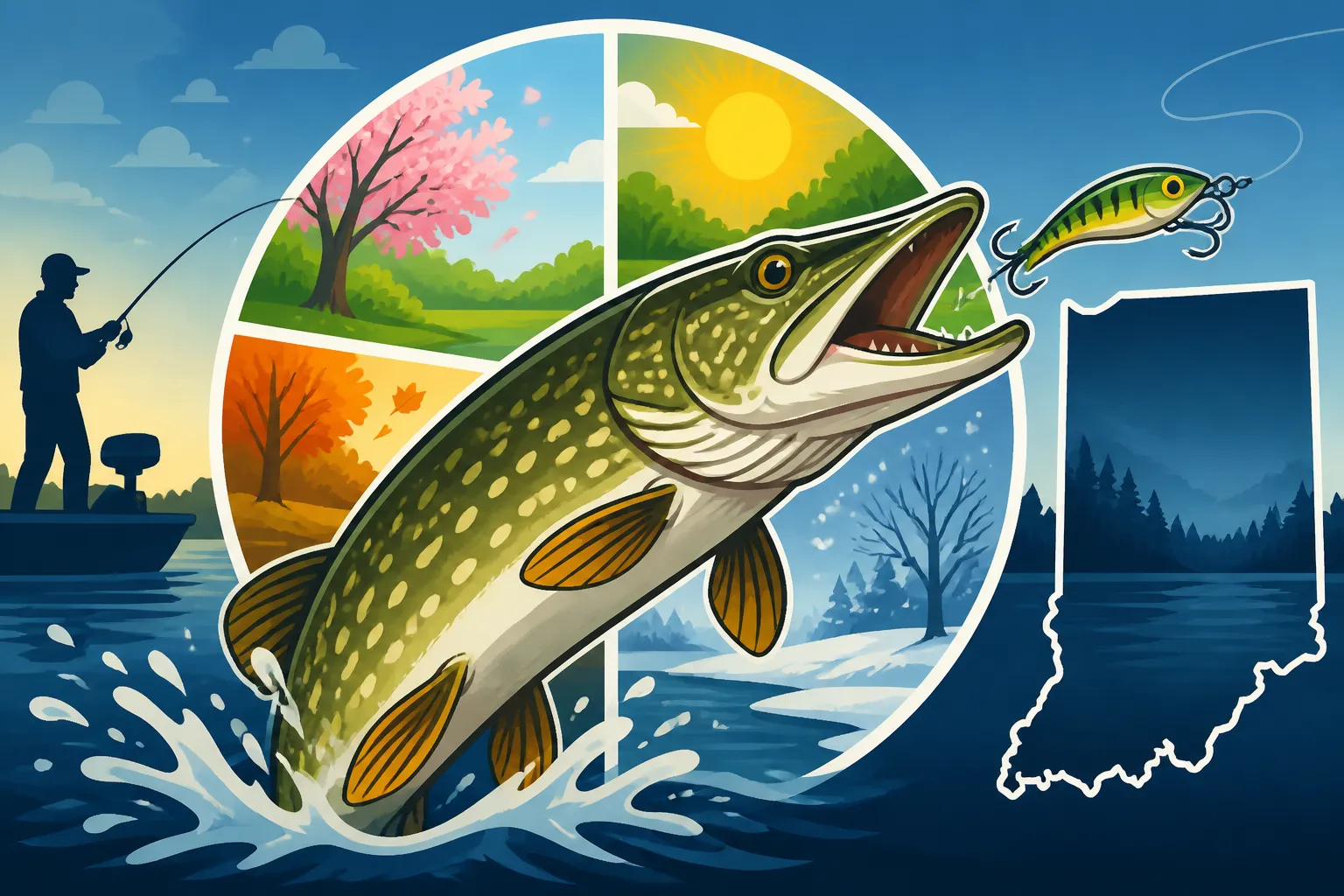
Northern Pike are fascinating predators, known for their aggressive strikes and torpedo-like bodies. But their behavior isn't static; it shifts dramatically with the changing seasons, largely influenced by water temperature, spawning cycles, and the availability of their prey. Understanding these seasonal patterns is the key to consistent success on Indiana's pike waters. It’s not just about showing up with a lure; it’s about understanding where they are, what they’re doing, and what they’re likely to hit.
Many anglers make the mistake of fishing the same way year-round, which simply won't work for a dynamic species like the pike. They're constantly adapting, moving from shallow, warmer waters to deeper, cooler sanctuaries, and back again, all in pursuit of comfort and food. If you're wondering where some of the prime locations for these toothy critters are, you'll definitely want to check out Where to Catch Northern Pike in the Glacial Lake District.
The Influence of Water Temperature and Spawning Cycles
Water temperature is arguably the biggest factor dictating pike behavior. As the ice melts and water temperatures begin to climb in early spring, pike become incredibly active, driven by the urge to spawn. This pre-spawn and spawning period offers some of the most exciting fishing of the year. Once spawning concludes, they'll enter a post-spawn recovery phase before settling into their summer patterns.
As summer progresses, the warmer surface waters push pike into deeper, cooler areas, often seeking out oxygen-rich zones near weed lines or drop-offs. Then, as autumn approaches and the water cools down again, they'll enter a massive feeding binge, bulking up for the lean winter months. Even in winter, when many anglers put their rods away, pike remain active under the ice, offering a unique challenge. Knowing these cycles helps you predict their movements and what kind of baits they'll respond to.
General Pike Habits Throughout the Year
Generally speaking, Northern Pike are ambush predators. They love to hide among submerged vegetation, fallen timber, or near abrupt depth changes, waiting for an unsuspecting meal to swim by. This holds true across seasons, but the type of cover and depth of that cover will change. In colder water, they might be more sluggish, preferring a slow, tantalizing presentation. In warmer water, they can be explosive, chasing down fast-moving lures.
Their diet consists mainly of smaller fish, but they won't hesitate to strike at anything they perceive as a meal, including frogs, mice, or even smaller waterfowl. This aggressive nature is what makes pike fishing so addictive. The thrill of a hard strike and a powerful fight is unmatched. For a deeper dive into these aggressive fish, our Northern Pike Fishing in Indiana: A Complete Guide covers everything from identification to advanced tactics.
Spring: The Energetic Chase
Ah, spring! The ice is finally gone, the trees are budding, and the lakes are coming back to life. For Northern Pike anglers in Indiana, spring is often considered one of the absolute best times to target these hungry predators. The cold grip of winter is receding, and pike are driven by an instinctual urge to feed and reproduce, making them exceptionally active and aggressive. This season can truly be a game-changer if you know where to look and what to throw.
However, "spring" isn't just one static period; it can be broken down into pre-spawn, spawn, and post-spawn, each with its own nuances. These distinct phases will dictate where the pike are located and what they're willing to bite on. Ignoring these subtle shifts can mean the difference between a banner day and a frustrating skunk.
Pre-Spawn Pike: Shallow Water Opportunities
As soon as the ice melts, typically in late March or early April in many Indiana lakes, Northern Pike begin to move into shallower waters, often bays, coves, and marshy areas, where the sun's rays warm the water fastest. These are their staging grounds for spawning. Water temperatures usually hover in the high 30s to low 40s Fahrenheit during this period. The pike are hungry after winter and actively seeking out food to build up energy for spawning.
Look for areas with shallow flats, dark bottom composition that absorbs heat, and submerged grass or reeds. Large, flashy spoons, lipless crankbaits, or spinnerbaits worked slowly and deliberately can be incredibly effective here. Pike at this stage are often cruising, looking for an easy meal, so a bait that pushes a lot of water and offers a significant profile can draw them in. Many anglers have great luck with classic colors, and you can find a wide array of options for these on Amazon, often at competitive prices.
The Spawning Period and Post-Spawn Recovery
Northern Pike typically spawn when water temperatures reach the mid-40s to low 50s Fahrenheit, usually from early to late April, depending on the specific lake and spring weather patterns. They seek out very shallow, vegetated areas, often flooded marshes or grassy flats, sometimes in water barely deep enough to cover their backs. During the actual spawning process, pike can be notoriously difficult to catch as their focus is entirely on reproduction. It's often best to let them do their thing and return a bit later.
Once spawning is complete, the pike enter a post-spawn recovery phase. They'll remain in or near these shallow spawning grounds for a week or two, recuperating and slowly beginning to feed again. They might be a bit lethargic at first, so slower presentations with smaller baits can be more effective. Soft plastic jerkbaits or swimbaits, slowly retrieved, can tempt these recovering fish. As they regain their energy, they'll become more aggressive, similar to the pre-spawn fish, but perhaps a bit less concentrated.
Summer: Deep Water and Weedline Tactics
When summer truly kicks in across Indiana, and those scorching temperatures hit, Northern Pike dramatically change their behavior. The shallow, warm waters that were so productive in spring become less hospitable for these cool-water predators. This means you need to adjust your game plan significantly if you want to keep landing pike through the hotter months. It’s all about finding comfort zones and understanding how heat affects their feeding patterns.
Many anglers get frustrated during summer because they continue to fish the same spots and ways they did in spring, leading to poor results. The key to summer success is understanding thermal stratification in lakes and how pike utilize deeper structure and dense cover to stay cool and ambush prey.
Seeking Thermal Refuges and Deeper Weeds
As lake surface temperatures climb into the 70s and 80s, Northern Pike move to deeper, cooler waters where oxygen levels remain stable. They often relate to distinct features like deep weed lines (the edge where shallow vegetation drops off into deeper water), submerged humps, rock piles, or channel edges. These areas provide both cooler temperatures and excellent ambush points for feeding. Think about where baitfish will congregate in these conditions, and you'll likely find pike nearby.
A common tactic is to find the deepest, densest weed beds that still have green vegetation. Pike will often lie just outside these weeds, or in pockets within them, ready to dart out and grab a meal. Pay close attention to your electronics, looking for bait balls or individual fish marks near these structures. Large spoons, spinnerbaits, or deep-diving crankbaits are excellent choices for covering water in these areas. You might even consider experimenting with weedless options you can find on Amazon to avoid constant snags.
Early Morning, Late Evening, and Cloudy Day Bites
While pike can be caught throughout the day in summer, the bite often slows significantly during the brightest, hottest parts of the afternoon. Your best bets for consistent action will typically be during the cooler periods of the day: early mornings, late evenings, and even into the night. During these times, pike might venture a bit shallower, or at least become more active in their deeper haunts.
Cloudy, overcast days can also provide excellent summer pike fishing, as the reduced sunlight allows them to feel more comfortable in shallower water for longer periods. On such days, try working those deep weed lines and drop-offs with a bit more aggression. Topwater lures, while less common for pike in general, can sometimes trigger explosive strikes during low-light conditions, especially if fished near dense cover where pike might be lurking just below the surface. Remember, pike are still predators; they just prefer to hunt when conditions are most favorable to them.
Fall: The Feeding Binge Before Winter
If spring is good, then fall for Northern Pike in Indiana is often considered the best season by many seasoned anglers. As the leaves begin to turn vibrant colors and the crisp autumn air returns, a fundamental shift occurs in pike behavior. Water temperatures start to drop, signaling to these fish that winter is on its way, and they respond by entering an intense feeding binge. This is the time to target truly large pike that are aggressively packing on weight for the lean months ahead.
This season provides an incredible window of opportunity, often extending from late September through November, depending on how quickly the temperatures plummet. The cooler water revitalizes pike, making them incredibly active and willing to chase down a meal. You might also find a lot of success targeting other aggressive predators this time of year, as you can read in Fall Muskie Fishing Patterns in Indiana, which often overlap with pike techniques.
Aggressive Feeding in Cooling Waters
As lake temperatures fall into the 50s and low 60s, pike become highly active. They'll often move from their deep summer sanctuaries back towards shallower depths, particularly areas where baitfish are congregating. Look for these fish around the edges of dying weed beds, rocky points, submerged timber, and abrupt drop-offs. Pike are opportunists, and in the fall, they're looking for big, easy meals.
This is the season to throw larger, more aggressive lures. Big spinnerbaits with tandem blades, large spoons, hefty crankbaits, and even muskie-sized bucktails can be incredibly effective. Don't be shy about your lure size; fall pike are built to eat. Retrievals can be varied, from fast and erratic to slow and steady, but generally, a more aggressive retrieve will trigger those powerful reaction strikes. The sheer power of a fall pike strike is something every angler should experience.
Focus on Baitfish Concentrations
The key to finding fall pike is often finding the baitfish. As water temperatures drop, many baitfish species will school up and migrate to specific areas of the lake, often seeking warmer water or preparing for their own winter patterns. Pike will follow these schools religiously. Pay attention to birds diving, or look for surface activity that indicates baitfish presence.
Sonar is your best friend during this time, helping you locate schools of shad, minnows, or perch. Once you pinpoint these baitfish, the pike won't be far behind. Casting large spoons or suspending jerkbaits through these schools can lead to epic battles. This time of year, pike are less finicky and more focused on quantity. Having a good selection of these larger baits on hand, perhaps purchased conveniently from Amazon, will definitely set you up for success.
Winter: Ice Fishing Opportunities
When the lakes freeze over and most fair-weather anglers pack away their gear, a dedicated group of ice anglers in Indiana knows that the Northern Pike season is far from over. In fact, ice fishing for pike can be incredibly rewarding, offering a unique challenge and the chance to pull some truly massive fish from beneath the frozen surface. While the bite might be slower and more deliberate than in fall, the potential for trophy pike is very real.
Winter pike fishing demands a different approach, both in terms of gear and tactics. It's not about casting and retrieving across vast stretches of open water; it's about precision, patience, and understanding how pike behave in their cold, icy world. If you're new to the game, our guide on Winter Fishing Patterns on Indiana Lakes can give you a broader overview of cold-weather angling.
Tip-Ups and Dead Baits for the Big Ones
The most popular and often most effective method for ice fishing Northern Pike is using tip-ups. A tip-up allows you to spread out multiple lines across a chosen area, increasing your chances of intercepting a cruising pike. Each tip-up is typically rigged with a large dead baitfish, such as a large shiner, suckers, or even smelt, suspended at various depths from just under the ice to near the bottom. The dead bait provides a strong scent trail and a substantial meal that lethargic pike can easily target.
Pike in winter are still opportunistic predators, but they tend to conserve energy. A slow-moving or stationary dead bait perfectly mimics an injured or dying fish, an easy meal that requires minimal effort to catch. When the flag on your tip-up springs up, indicating a bite, approach carefully, let the pike run with the bait for a bit to ensure it has fully taken it, and then set the hook with a firm pull. This method requires patience, but the payoff can be immense.
Jigging for Active Pike
While tip-ups are excellent for passive fishing, jigging for pike through the ice can also be very productive, especially if you're looking for more active engagement. Using heavier jigging rods and large spoons, jigging raps, or even large soft plastic swimbaits, you can actively search for pike in shallower bays, along weed edges, or near structure. The key is to impart action that mimics a struggling baitfish.
A lift-and-drop motion, sometimes with a pause, can entice a pike to strike. It's crucial to use your fish finder here to locate suspended fish or those hugging the bottom. Pike in winter often relate to the same kinds of structure they did in summer, just from a different perspective (through a hole in the ice!). While many anglers focus on panfish during winter, remembering that pike are still actively hunting can provide an exciting alternative. For your jigging arsenal, check out the range of specialized winter lures available online.
Essential Gear and Baits for Northern Pike in Indiana
Successful Northern Pike fishing isn't just about timing; it's also about having the right tools for the job. These powerful, toothy predators demand robust gear that can withstand their aggressive strikes and powerful runs. Skimping on tackle when targeting pike can lead to broken lines, lost lures, and most heartbreakingly, lost fish. Investing in quality gear ensures you're prepared for whatever these freshwater titans throw at you.
From sturdy rods to durable lines and a variety of effective baits, having a well-rounded tackle box will significantly increase your success rate, regardless of the season. And if you're looking to stock up, many excellent options for pike gear can be found on Amazon, often with reviews from fellow anglers. If you're debating specific rod and reel combinations, our guide Best Fishing Rods and Reels for Freshwater Fishing offers some great starting points.
Rods, Reels, and Line: Built for Battle
For Northern Pike, you'll want a medium-heavy to heavy action rod, typically 6'6" to 7'6" in length. This provides the backbone needed to cast larger lures and control a strong-fighting fish. Paired with this, a baitcasting reel with a good drag system is often preferred for casting heavy baits and handling powerful runs. However, a sturdy spinning reel in the 3000-4000 series can also work, especially for lighter presentations.
Line choice is critical. While some anglers use heavy monofilament (15-25 lb test), braided line (30-50 lb test) has become very popular due to its strength, thin diameter, and lack of stretch, which provides excellent sensitivity. Regardless of your main line, a steel or heavy fluorocarbon leader is absolutely essential. Pike have razor-sharp teeth that will easily slice through standard monofilament or braid. Without a leader, you're just feeding the fish. Check out Best Heavy Tackle for Pike Fishing in Indiana for more specific recommendations on how to set up your gear.
Top Baits and Lures That Attract Pike
Northern Pike are not particularly finicky, but certain baits consistently outperform others. Their aggressive nature means they often respond well to lures that create a lot of flash, vibration, or movement.
- Spoons: Classic metal spoons, often in silver, gold, or brass with red accents, are perennial pike favorites. Their wobbling action and flash mimic injured baitfish, making them irresistible.
- Spinnerbaits: Large spinnerbaits with tandem blades create significant flash and vibration, especially effective in and around submerged vegetation.
- Crankbaits: Deep-diving crankbaits are great for reaching pike in deeper summer waters, while suspending models can be deadly in spring and fall. Look for ones with a strong, erratic wobble.
- Jerkbaits: Both hard plastic and soft plastic jerkbaits, especially those with an elongated profile, can be worked erratically to mimic a fleeing baitfish.
- Swimbaits: Large soft plastic swimbaits, rigged on weighted hooks, offer a natural profile and enticing swimming action.
- Live/Dead Bait: For winter ice fishing, and sometimes in open water, large live or dead baitfish (shiners, suckers, smelt) under a bobber or on a quick-strike rig are extremely effective for triggering bites from less active or larger pike. For more specific bait recommendations, check out Best Bait for Northern Pike in Indiana Lakes.
Here's a quick reference table for seasonal pike tactics in Indiana:
| Season | Water Temperature Range (F) | Typical Depth | Key Lure Types | Best Times to Fish | General Behavior |
|---|---|---|---|---|---|
| Spring | 40-55 | Shallow (3-8 ft) | Spoons, Spinnerbaits, Lipless Crankbaits | All day, especially warming trends | Pre-spawn feeding, spawning, post-spawn recovery |
| Summer | 65-75+ | Deep (8-20+ ft) | Deep-diving Crankbaits, Large Spoons, Jigs | Early morning, late evening, cloudy days | Seek cooler water, relate to deep cover |
| Fall | 50-65 | Mid-depth (5-15 ft) | Large Spoons, Spinnerbaits, Crankbaits, Jerkbaits | All day, especially bright afternoons | Aggressive feeding binge |
| Winter | 32-40 | Varied (under ice) | Dead Baits (Tip-ups), Heavy Jigging Spoons | Mid-day typically best | Less active, conserve energy, opportunistic |
Regulations and Conservation for Northern Pike Anglers
Catching Northern Pike in Indiana is an exhilarating experience, but it comes with the responsibility of understanding and adhering to local fishing regulations. These rules are in place not just to manage fish populations for future generations, but also to ensure sustainable sport fishing for everyone. It's not just a suggestion; it's a critical part of being a respectful and responsible angler.
Disregarding these regulations can lead to fines, loss of fishing privileges, and harm to the very fisheries we all enjoy. Always make it a habit to check the current Indiana fishing regulations before heading out, as rules can occasionally change. Knowing the specific rules for pike will make your outing more enjoyable and legal.
Understanding Bag and Size Limits
Like most game fish, Northern Pike in Indiana have specific bag limits (how many you can keep in a day) and size limits (the minimum or sometimes maximum length a fish must be to be kept). These limits are designed to protect the breeding stock and allow fish to reach maturity, ensuring a healthy population. For pike, there's often a minimum length requirement, and a daily creel limit.
For example, many pike fisheries might have a 24-inch minimum size limit and a bag limit of two fish per day. This means any pike you catch under 24 inches must be immediately released unharmed. Larger fish are the primary breeders, so protecting them is vital. Always have a measuring device with you and know how to properly measure a fish from the tip of its snout to the tip of its tail.
Catch and Release Best Practices
Even if you plan to keep a pike within the legal limits for a delicious meal (and yes, pike can be excellent table fare!), practicing good catch and release techniques for the fish you don't intend to keep is crucial. Pike have sharp teeth and delicate gills, making careful handling a must.
Here are a few tips:
- Use a Net: A rubberized landing net helps protect the fish's slime coat and fins.
- Minimize Air Exposure: Keep the fish in the water as much as possible.
- Use Pliers: Pike have many teeth. Use long-nosed pliers or a jaw spreader to safely remove hooks without putting your fingers near their mouths.
- Support the Fish: If you must take a photo, support the fish horizontally with two hands (one under the head, one under the tail) to avoid damaging its internal organs or spine.
- Revive Gently: If the fish seems sluggish, hold it gently in the water, facing into the current, until it can swim away under its own power.
By following these practices and respecting the regulations, you contribute to the health and longevity of Indiana's fantastic Northern Pike fisheries. Happy fishing!
Disclaimer
This article is for general informational purposes only and does not constitute professional advice. Laws, prices and regulations vary by location and change over time. Consult a qualified professional for guidance on your specific situation.