Why Grass Carp Are Stocked in Local Ponds
Ever gazed at your local pond, perhaps one you fish regularly or even own, wondering why certain species seem to appear out of nowhere, especially fish that don't quite fit the typical Indiana native profile? You might be noticing grass carp, a fish that often sparks curiosity, if not a little confusion, among anglers and landowners alike. This guide is here to demystify why these unique fish are intentionally introduced into many Hoosier waters, primarily to tackle a widespread and frustrating problem: rampant aquatic vegetation.
The Scourge of Aquatic Vegetation Overgrowth in Indiana Ponds
Let's face it, nothing ruins a perfectly planned fishing trip or a peaceful evening by the pond faster than a dense mat of weeds. Whether it's stringy algae, lily pads taking over, or submerged plants growing from the bottom to the surface, excessive aquatic vegetation can turn a beautiful body of water into an unusable mess. For many pond owners and public access points across Indiana, dealing with this green menace is a constant battle. It's not just an aesthetic issue; it has real, tangible impacts on the ecosystem and recreational opportunities.
The Environmental and Recreational Impact of Unchecked Weeds
Imagine trying to cast a line into a pond where your lure gets snagged every few feet, or your boat's propellor is constantly tangled. That's the reality when aquatic vegetation runs wild. Dense weed beds can make fishing nearly impossible, frustrating anglers hoping to catch Largemouth Bass Fishing in Indiana: The Complete Guide or even just a few panfish. Beyond recreation, these weeds can drastically alter the pond's ecosystem. They can deplete oxygen levels at night when they respire, potentially leading to fish kills, especially during hot summer months. They also provide too much cover for smaller baitfish, making it harder for predators to keep their populations in check, leading to an imbalance in the food chain. Ponds can become stagnant, affecting water quality and even leading to unpleasant odors. It's a cascade of problems that starts with too much green stuff.
Why Chemical Solutions Aren't Always the Best Answer
When faced with an overgrown pond, many people's first thought might be to reach for chemical herbicides. While these can offer a quick fix, they often come with their own set of complications. The sudden death of a large amount of vegetation can cause a massive oxygen crash in the water as the plants decompose, again, risking fish kills. Moreover, applying chemicals requires careful calculation and consideration of water flow, surrounding ecosystems, and potential impacts on other wildlife or even nearby drinking water sources. There are strict regulations about what chemicals can be used and how, making it a complex and often costly endeavor. For those seeking a more natural, sustainable, and less intrusive method, chemicals often fall short, prompting a search for biological alternatives.
Grass Carp: Nature's Aquatic Lawn Mowers
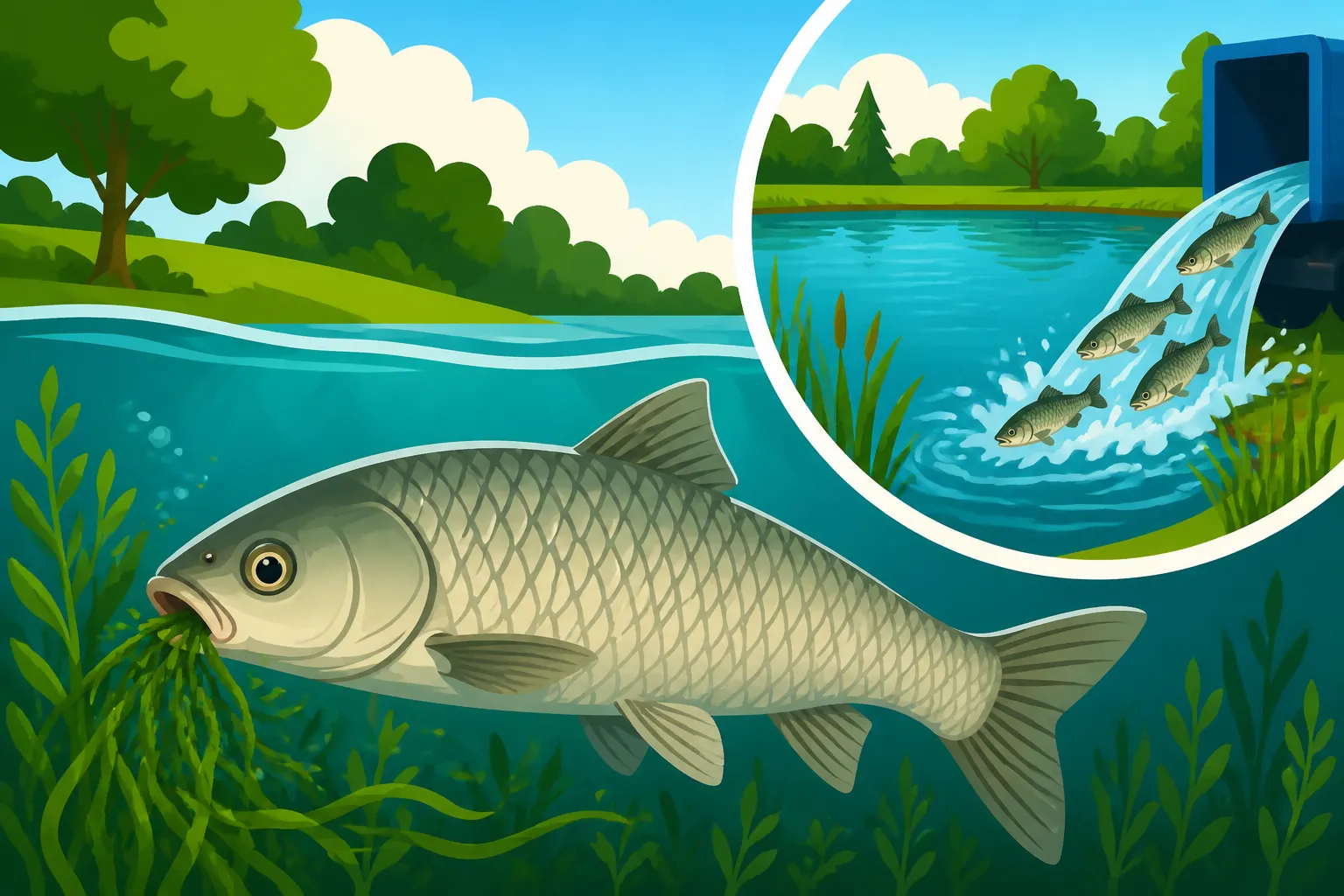
This is where the humble grass carp, specifically the triploid variety, enters the picture. Think of them as living, swimming weed-eaters, offering a long-term, biological solution to aquatic vegetation problems. These fish are essentially vegetarians, and they can consume an impressive amount of plant matter, working tirelessly to keep your pond clear without the repeated application of chemicals or the noise and disruption of mechanical removal.
How Triploid Grass Carp Control Weeds Without Overpopulation
The key to understanding grass carp stocking in Indiana lies in one word: "triploid." Unlike their diploid (naturally reproducing) counterparts, triploid grass carp are sterile. This means they cannot reproduce, which is incredibly important for environmental management. If fertile grass carp were introduced widely, they could potentially overpopulate, escape into natural waterways, and become an invasive species, disrupting native ecosystems by consuming too much vegetation crucial for other wildlife. The Indiana Department of Natural Resources (IDNR) ensures that only certified triploid grass carp are stocked, requiring specific permits and verification. This sterility is a game-changer, allowing pond owners to harness the carp's impressive weed-eating abilities without the long-term ecological risks of an uncontrolled population boom. It’s a carefully managed, effective solution that respects the delicate balance of our waterways.
The Eating Habits and Effectiveness of Grass Carp
Grass carp are incredibly efficient eaters. They graze on a wide variety of submerged and emergent aquatic plants, often preferring softer, succulent vegetation. While they might not tackle every single type of weed with equal enthusiasm, they can make a significant dent in the most common nuisance species, such as curly-leaf pondweed, duckweed, and certain filamentous algae. Their effectiveness depends on factors like the density of vegetation, the size and number of carp stocked, and the overall pond environment. A typical stocking rate might be anywhere from 5 to 20 carp per acre, depending on the severity of the problem and the desired outcome. Once introduced, these fish get to work immediately, often clearing significant amounts of vegetation within a few months to a year. Unlike a quick chemical treatment, their work is ongoing, providing continuous vegetation control for years as they live and grow.
Stocking Grass Carp in Indiana: Regulations and Responsible Management
While grass carp are an excellent tool for pond management, they aren't a "set it and forget it" solution, and their introduction is not something you can do on a whim. The state of Indiana has clear regulations to ensure that these non-native fish are used responsibly and don't pose a threat to the broader aquatic environment. It's crucial for any pond owner considering this option to understand and follow these guidelines. This ensures the health of your pond and protects Indiana's natural waters. You can find more details about general rules in the Indiana Fishing Regulations and Bag Limits Guide.
Obtaining Permits and Understanding Indiana's Rules for Stocking
If you're an Indiana pond owner thinking about stocking triploid grass carp, the very first step is to contact the Indiana Department of Natural Resources (IDNR). They require a permit for the stocking of triploid grass carp in private waters. This isn't just bureaucratic red tape; it's a critical measure to prevent the accidental or intentional introduction of fertile fish into public waters, where they could wreak havoc. The IDNR will evaluate your pond's specific situation, including its size, connection to other waterways, and the severity of your vegetation problem, before issuing a permit. They’ll also ensure you understand the requirements for purchasing certified triploid fish from approved suppliers. Without this permit, stocking grass carp is illegal and can lead to penalties. It's really about being a responsible steward of our water resources. You'll want to be sure you're getting sterile fish, and certified aquaculture suppliers are typically the only legal source for these in Indiana. If you're wondering Is Grass Carp Legal to Keep in Indiana?, the answer is yes, with the proper permit for stocking triploid varieties in private ponds.
Selecting the Right Number and Size of Grass Carp for Your Pond
Once you have your permit, determining how many grass carp to stock is the next important decision. Too few, and they won't make a noticeable difference; too many, and they could strip your pond bare, eliminating beneficial vegetation that provides cover and food for other species like Indiana Panfish Guide: Crappie, Bluegill, and Sunfish. The IDNR can provide guidance on stocking rates based on your pond's size and the density of the specific weeds you're trying to control. Generally, smaller, younger grass carp are more effective at controlling dense, soft vegetation. They are also less expensive to purchase. However, larger carp are more resistant to predation from species like largemouth bass or herons, making them a better long-term investment if your pond has a healthy predator population. It’s a delicate balance, and getting expert advice from the IDNR or an aquatic management specialist is highly recommended to achieve the best results for your specific pond.
Balancing Benefits with Potential Drawbacks and Alternatives
While grass carp offer a powerful solution for aquatic weed control, like any management tool, they come with considerations. Responsible pond management means weighing the pros and cons and understanding that sometimes, a multi-faceted approach, or even an alternative method, might be the best path forward. A healthy pond ecosystem is a dynamic one, where balance is key.
The Importance of a Balanced Ecosystem
Introducing grass carp is about restoring balance, but it also means being careful not to tip the scales too far in the other direction. While removing excessive weeds is good, completely eradicating all vegetation can be detrimental. Many fish species, from bluegill to largemouth bass, rely on aquatic plants for cover, spawning habitat, and as a food source (indirectly, through the insects and invertebrates that live on the plants). For example, What Does a Redear Sunfish Eat? will show you that they forage for snails and other invertebrates, often found on submerged vegetation. Overstocking grass carp can leave a pond barren, impacting the entire food web. Furthermore, grass carp generally prefer softer plants, so they might not be effective against all types of weeds, potentially leaving harder, less palatable species to thrive once their preferred food is gone. Monitoring your pond's vegetation levels after stocking is crucial, and you might need to adjust your approach over time. Remember, the goal is control, not total annihilation.
Manual and Mechanical Alternatives to Biological Control
If grass carp aren't the right fit for your pond, or if you prefer a different approach, several other methods exist for managing aquatic vegetation. Manual removal, though labor-intensive for larger ponds, can be highly effective for smaller areas or specific problem spots. Tools like long-handled rakes, weed cutters, and aquatic weed shears are readily available, often found on platforms like Amazon, and can be quite satisfying for hands-on pond owners. Mechanical harvesters are an option for very large bodies of water but are typically expensive and require specialized equipment. Aeration systems can also help by improving water quality and circulation, which can sometimes suppress certain types of algae growth. Pond dyes, which block sunlight, can be used to inhibit submerged weed growth, especially in deeper areas. Each method has its own set of advantages and disadvantages, and often, a combination of approaches provides the most sustainable and effective long-term solution. For those interested in the broader picture of pond life, looking into Common Fish Species You'll Find in Farm Ponds can give you an idea of the diverse life you're managing.
Here's a quick comparison of common weed control methods:
| Method | Pros | Cons | Best Use Case |
|---|---|---|---|
| Triploid Grass Carp | Long-lasting, natural, no chemicals, consumes variety | Slow to show results, can over-graze if overstocked, requires permit | Long-term control for broadleaf weeds in private ponds |
| Chemical Herbicides | Fast-acting, effective for specific plants | Potential for oxygen depletion, permits needed, environmental impact | Targeted treatment, quick solutions for specific outbreaks |
| Manual Removal | Immediate results, no chemicals, selective | Labor-intensive, time-consuming, temporary solution | Small ponds, specific areas, persistent small weed patches |
| Mechanical Removal | Immediate large-scale removal | Expensive, disruptive, can fragment weeds, only temporary | Large ponds/lakes, heavy infestation, urgent clearing needs |
| Aeration | Improves water quality, can reduce algae | Indirect weed control, may not work for all species, energy cost | Preventing algae, overall pond health, complement other methods |
| Pond Dye | Blocks sunlight, suppresses submerged weeds | Not effective for emergent plants, aesthetic concerns, temporary | Preventing growth in clear, deep ponds |
Ultimately, stocking triploid grass carp in Indiana ponds is a smart, environmentally conscious choice for many landowners struggling with overwhelming aquatic vegetation. It offers a sustained, biological method of control that, when properly managed and permitted, respects the delicate balance of our natural world. While they might not be the answer for every single pond or every type of weed, their effectiveness as living lawnmowers has made them an invaluable tool in the Hoosier State's ongoing effort to keep our waters healthy, fishable, and beautiful. Just remember to work with the IDNR, ensure you're getting sterile fish, and keep an eye on your pond's ecosystem to ensure a happy, healthy aquatic environment for all. And perhaps, while you're managing your pond, you might discover some Best Fishing Spots in Indiana for your next angling adventure.
Disclaimer
This article is for general informational purposes only and does not constitute professional advice. Laws, prices and regulations vary by location and change over time. Consult a qualified professional for guidance on your specific situation.