Grass Carp in Indiana: What Anglers Should Know
It can be incredibly confusing to understand the role of certain fish species in Indiana's waterways, especially when it comes to non-native species like the grass carp. Many anglers wonder if they're a nuisance, a helpful tool, or even legal to keep. This comprehensive guide will clear up all the mystery surrounding grass carp in Indiana, helping you understand their impact, the regulations surrounding them, and what you should do if you encounter one.
Understanding Grass Carp: What Are They and Why Are They Here?
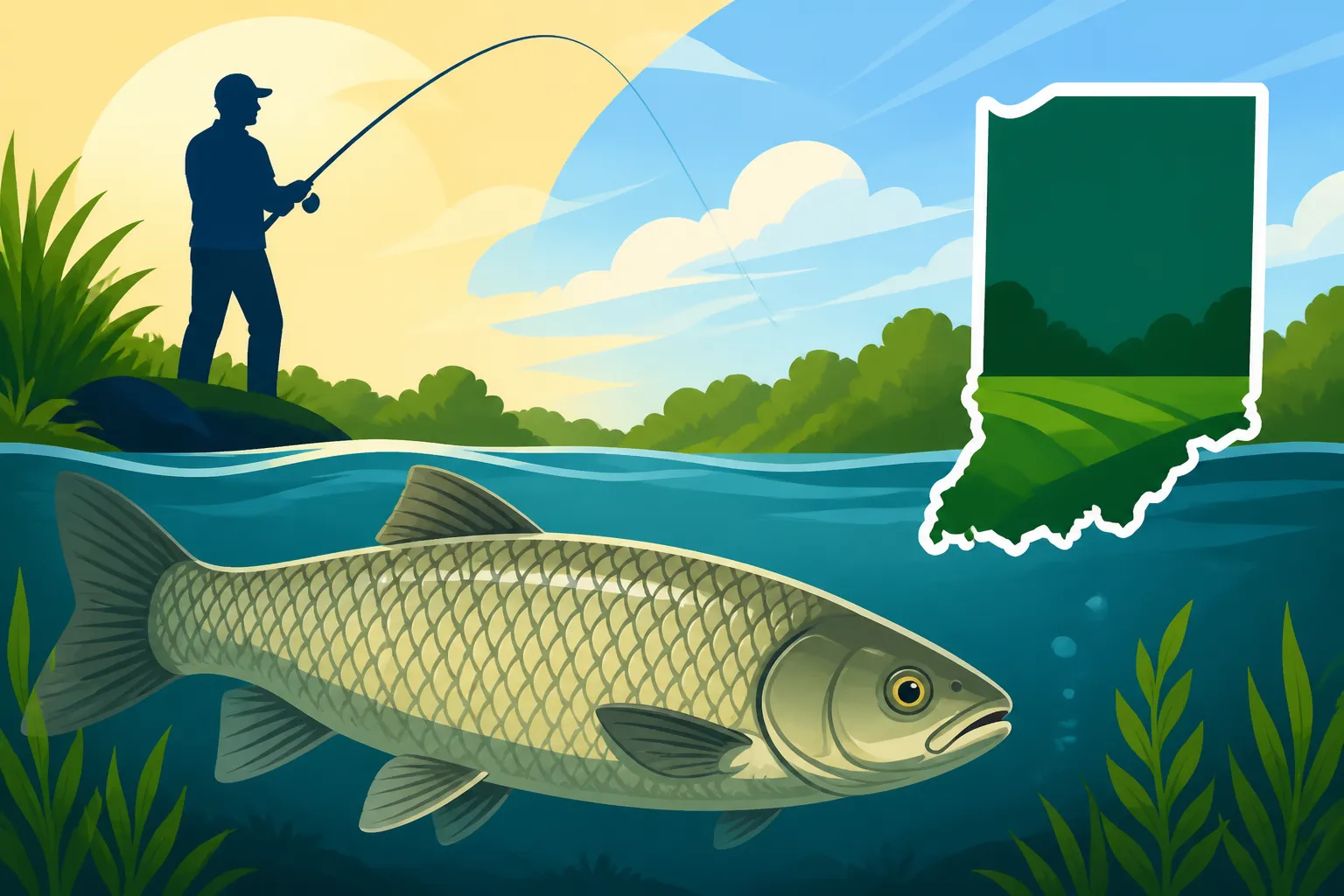
Grass carp, scientifically known as Ctenopharyngodon idella, are fascinating and often misunderstood fish. Originally from eastern Asia, they were introduced to the United States primarily for their impressive ability to consume aquatic vegetation. In Indiana, their presence is tightly controlled, and for good reason – while they can be highly effective at managing nuisance weeds, they also carry the potential for unintended ecological consequences if not properly managed. It's a delicate balance that impacts pond owners and anglers alike.
Identifying Grass Carp: Key Features and Look-Alikes
When you hook into something that looks a little different, it’s natural to wonder what exactly you’ve caught. Grass carp can sometimes be confused with other native species, especially when they're smaller. However, there are some distinct features that can help you identify a grass carp. They typically have a long, torpedo-shaped body with large, prominent scales. Their coloration is usually a dark olive-brown on the back, fading to a golden or silvery white on the belly. Unlike common carp, they lack the barbels (whisker-like appendages) around their mouths, and their mouths are generally smaller and more terminal (at the very front of the head), designed for grazing on plants rather than grubbing in the mud.
Their head is broad and scaleless, and their eyes are relatively small. Perhaps the most distinguishing feature, if you get a good look, is their pharyngeal teeth – these are located in their throat and are comb-like, perfectly adapted for shredding plant material. While you're not likely to be checking their throat on the bank, observing the mouth shape and absence of barbels is usually enough. It's important to be able to tell them apart from native fish, particularly if you're fishing in waters where specific regulations apply.
Consider this quick guide to identification:
| Feature | Grass Carp | Common Carp | Largemouth Bass |
|---|---|---|---|
| Body Shape | Long, cylindrical, torpedo-like | Deep-bodied, humped back | Oval, robust, less elongated |
| Mouth | Terminal (front of head), small, no barbels | Protrusible, downturned, two pairs of barbels | Large, extends beyond eye (when closed) |
| Scales | Large, prominent | Large, very distinct | Medium-sized |
| Coloration | Olive-brown back, silvery-white belly | Brass-colored, golden-brown | Dark green back, lighter sides, distinct lateral line |
| Diet | Primarily aquatic vegetation | Omnivorous, bottom feeder | Carnivorous (fish, frogs, insects) |
| Indiana Status | Regulated, usually sterile (triploid) for stocking | Invasive, widely established | Native, highly sought-after sport fish |
Understanding these differences is crucial, especially since anglers often confuse grass carp with common carp due to the "carp" in the name. They behave differently, eat different things, and are regulated very differently in Indiana.
The Role of Grass Carp in Aquatic Ecosystems
The primary reason grass carp were introduced to many waterways, including some in Indiana, is their voracious appetite for aquatic plants. They are biological weed control agents, capable of consuming vast quantities of submerged vegetation. This can be incredibly beneficial in ponds and lakes where invasive or overly abundant native vegetation chokes out recreational areas, interferes with navigation, or negatively impacts fish habitat by depleting oxygen levels at night. Imagine trying to cast a line or paddle a kayak through a dense mat of weeds – grass carp can significantly reduce that frustration.
However, their efficiency is also where the potential for problems arises. While they can clear out nuisance plants, they aren't picky. If stocked irresponsibly, they can decimate native plant populations that are vital for the ecosystem. These plants provide food, shelter, and spawning grounds for various fish and invertebrate species. Over-grazing by grass carp can lead to a drastic reduction in biodiversity, impacting everything from panfish populations to waterfowl that rely on aquatic plants for sustenance. This is why careful management and regulations are so critical.
Stocking Regulations and Permitting in Indiana
In Indiana, you can't just decide to stock grass carp in your pond or lake. The state has strict regulations in place to prevent the ecological damage that could occur from unregulated stocking. This is primarily to ensure that only sterile (triploid) grass carp are introduced into private waters. Triploid grass carp have three sets of chromosomes instead of the usual two, making them reproductively sterile. This means they can't reproduce and establish wild populations that could migrate to public waterways and cause widespread environmental issues.
To legally stock grass carp in Indiana, you must obtain a permit from the Indiana Department of Natural Resources (IDNR). This process usually involves an application where you provide details about your pond, the extent of your vegetation problem, and the number of fish you intend to stock. The IDNR will review your application to ensure that the stocking is appropriate for your specific situation and that all necessary precautions are taken. It’s a bit of paperwork, but it’s a necessary step to protect our shared aquatic resources. For more on this, you might want to read Why Grass Carp Are Stocked in Local Ponds. If you're considering purchasing grass carp, make sure you're buying from a reputable dealer who can guarantee they are triploid and who understands Indiana's permitting process. Many pond supply companies can guide you through the initial steps.
The Impact of Grass Carp on Indiana Waters
The presence of grass carp in Indiana waters is a double-edged sword. On one hand, they offer an environmentally friendly solution to a pervasive problem. On the other, their effectiveness can sometimes lead to unintended consequences, altering the very habitats they were introduced to "fix." It's a classic case of balancing management needs with ecological stability.
Benefits for Aquatic Vegetation Control
The most significant benefit of grass carp is, without a doubt, their ability to control nuisance aquatic vegetation. For pond owners dealing with an explosion of weeds that make fishing impossible, boating difficult, or even contribute to oxygen depletion, grass carp can be a godsend. Unlike chemical treatments, which can be expensive, require repeated applications, and may have broader impacts on water chemistry and non-target organisms, grass carp provide a continuous, biological solution. They essentially eat the problem away.
This can restore recreational value to water bodies, making them accessible for swimming, boating, and, of course, fishing. Imagine having a favorite fishing spot that's become so overgrown you can barely cast a line. Introducing a controlled number of grass carp can clear that vegetation, opening up pathways and creating better access for anglers. This reduces the need for mechanical harvesting or herbicides, offering a more sustainable approach to pond management.
Potential Downsides: Habitat Alteration and Native Species
While effective, grass carp aren't discerning diners. They will eat both invasive and native aquatic plants. This lack of selectivity is where the problems can arise. Native plant beds provide crucial habitat for many species of fish, including essential spawning grounds for panfish like bluegill and crappie, and ambush points for predatory fish like largemouth bass. These plants also offer cover for young fish, protecting them from predators. If grass carp consume too much of this vegetation, it can severely degrade the habitat, leading to declines in native fish populations.
Furthermore, aquatic plants play a vital role in water quality by absorbing excess nutrients and stabilizing sediments. A pond stripped bare of vegetation by overzealous grass carp can experience increased water turbidity (cloudiness), algal blooms, and even erosion. This can negatively impact the entire food web, potentially outcompeting native herbivores and altering the delicate balance of the ecosystem. It's a ripple effect, and what starts as a solution for one problem can inadvertently create several others.
When Grass Carp Become a Problem
Grass carp become a problem when their population or feeding habits exceed the desired level of vegetation control. This most often happens when non-sterile (diploid) grass carp are illegally or accidentally introduced, allowing them to reproduce and create an uncontrolled population. In public waters, diploid grass carp can spread, causing widespread damage to sensitive ecosystems by wiping out critical plant life. This is why Indiana's strict permitting process for triploid (sterile) grass carp is so important.
Even sterile grass carp can become a problem if too many are stocked in a smaller pond, or if the initial vegetation problem was misdiagnosed. Overstocking can lead to a completely denuded pond, stripping away all beneficial vegetation alongside the problematic weeds. This can leave fish vulnerable, reduce insect populations (a key food source), and make the pond less healthy overall. It's crucial for pond owners to carefully assess their needs and consult with experts before deciding on a stocking plan. If you're an angler catching grass carp in public waters, it often means an issue exists, as they generally shouldn't be there without specific intent and monitoring.
Legalities and Regulations for Anglers
Understanding the rules surrounding grass carp in Indiana is essential for any responsible angler. Unlike many other species you might encounter, grass carp are not considered a sport fish in the traditional sense, and specific regulations govern their capture and disposition. Failing to adhere to these rules can lead to serious penalties, so it's always best to be informed.
Is Grass Carp Legal to Keep in Indiana? Understanding the Rules
This is one of the most frequently asked questions about grass carp, and the answer isn't as simple as a yes or no. In Indiana, diploid (fertile) grass carp are considered an invasive species, and it is generally illegal to possess, transport, or release them into any public waters. If you catch a diploid grass carp from a public waterway where they are not supposed to be, you are typically required to humanely dispatch it and not return it to the water. This prevents them from reproducing and spreading. For clarification, you should always check the latest Indiana Fishing Regulations and Bag Limits Guide.
However, triploid (sterile) grass carp are legally stocked in private ponds with an IDNR permit for vegetation control. If you are fishing a private pond that has been legally stocked with triploid grass carp, the owner might have specific rules about keeping them. Always ask the pond owner before harvesting any fish from private water. In public waters, the general rule is that any grass carp caught should not be returned, especially if you suspect it might be diploid. The safest practice is to dispatch any grass carp caught in public waters unless specifically advised otherwise by the IDNR for a particular body of water. The question Is Grass Carp Legal to Keep in Indiana? is a critical one for many anglers.
Catch-and-Release vs. Harvest: What's Allowed?
Given the nuances of grass carp regulations, the decision between catch-and-release and harvest is critical. For most sport fish, catch-and-release is a common and encouraged practice to sustain populations. With grass carp, especially in public waters, the opposite is often true. Because fertile grass carp are considered invasive and even sterile ones can impact native ecosystems if they escape, releasing them back into public waterways is generally discouraged and often illegal. The intention is to remove them from the ecosystem.
If you're fishing in a private pond that has been specifically stocked with triploid grass carp for weed control, the owner might want them left alone to continue their work. In this scenario, catch-and-release might be the preferred method if you're just fishing for sport. Always, always clarify with the pond owner their wishes regarding any grass carp you might catch. The IDNR’s stance on public waters is usually clear: do not release. This is different from almost any other species you'll encounter and it can be a mental shift for anglers accustomed to releasing their catch.
Penalties for Illegally Stocking or Transporting Grass Carp
The regulations surrounding grass carp aren't just suggestions; they carry legal weight. Illegally stocking, possessing, or transporting fertile grass carp can result in significant penalties. These can range from substantial fines to, in severe cases, even jail time, depending on the scope and intent of the violation. The state takes the protection of its aquatic ecosystems very seriously, and the introduction of invasive species is viewed as a direct threat.
Think about it this way: if someone illegally introduces fertile grass carp into a public lake, those fish can reproduce, spread, and potentially devastate native plant life across multiple water bodies. This impacts recreational opportunities, harms native wildlife, and costs taxpayers money in mitigation efforts. The penalties reflect the potential severity of this ecological damage. It's far better to go through the proper permitting channels if you believe grass carp are right for your private pond or to simply dispatch any you catch from public waters according to IDNR guidelines. Ignorance of the law is generally not considered an excuse, so staying informed about Indiana Fishing Regulations and Bag Limits Guide is paramount.
Fishing for Grass Carp in Indiana: Techniques and Tips
While not a traditional sport fish, grass carp can offer a surprising challenge on the line due to their size and power. If you find yourself in waters where they are present and you're allowed or even encouraged to remove them, knowing how to target them can be a fun and productive experience. They require a slightly different approach than your average bass or bluegill.
Best Baits and Lures for Grass Carp
Grass carp are primarily herbivores, so your typical worm or minnow rig probably won't cut it. To catch grass carp, you need to think "green." Their favorite baits are often plant-based, mimicking the vegetation they graze on. Some of the most effective baits include:
- Corn: Sweet corn, either canned or frozen, is a popular and very effective bait. You can fish it on a small hook, often in a chummed area.
- Green Beans or Peas: Similar to corn, these vegetables can be surprisingly effective.
- Bread/Dough Balls: A simple dough ball made from bread, flour, or cornmeal, perhaps flavored with vanilla or anise, can entice them.
- Alfalfa Pellets/Cubes: These are a natural food source for them and can be soaked to soften before using as bait or for chumming.
- Small pieces of fresh grass or aquatic plants: If you know what they are currently eating in the water, trying a small piece of that exact plant can be a game-changer.
Chumming the area with a handful of corn or other plant-based material can often draw grass carp in and get them feeding confidently. You'll want to use a sensitive float or tightline rig so you can detect their often subtle bites. Many anglers also find success using artificial flies that mimic grass or algae, although this requires more specialized fly-fishing techniques.
Where to Find Grass Carp in Indiana
If you're looking to target grass carp, understanding their habitat preferences is key. Since they feed on aquatic vegetation, you'll naturally find them in areas with abundant plant growth. This includes:
- Weed Beds: Look for dense patches of submerged or emergent vegetation. Grass carp will often be found slowly cruising through these areas, grazing.
- Stumps and Laydowns: While not directly feeding on these, these structures provide cover, and grass carp might seek refuge there after feeding, especially if the vegetation is near these features.
- Shallow Flats: In warmer months, grass carp will often move into shallow, vegetated flats to feed. Look for subtle movements in the weed beds or ripples on the surface that indicate their presence.
- Private Ponds: Many permitted private ponds have grass carp, making them excellent places to target them if you have permission from the owner. Remember to respect private property rules and confirm if harvesting is allowed.
- Public Waterways (with caution): While generally not meant to be widely distributed in public waters, some larger lakes or reservoirs might have small, localized populations. Always be aware of the specific regulations for that body of water.
Patience is a virtue when fishing for grass carp. They can be wary, especially in clear water, so a stealthy approach and light tackle can be advantageous. Early morning or late evening often provides the best feeding windows when they are less skittish.
Specialized Gear for Landing Large Grass Carp
While a conventional rod and reel might land a smaller grass carp, these fish can grow surprisingly large and put up a formidable fight. A large grass carp can easily exceed 20-30 pounds, requiring heavier tackle to bring them in successfully, especially from thick cover. If you're serious about targeting these powerful fish, consider upgrading your gear:
- Medium-Heavy to Heavy Rod: A stout spinning or baitcasting rod, around 7-8 feet in length, will provide the leverage needed to control a strong fish. Think about the kind of rod you might use for catfish or pike, not panfish.
- Reliable Reel with Strong Drag: A quality spinning or baitcasting reel spooled with 15-30 lb monofilament or braided line is essential. A smooth, powerful drag system will prevent break-offs when the fish makes its powerful runs. Brands like Penn, Shimano, or Daiwa offer excellent options that you can often find on Amazon.
- Strong Hooks: Use robust, sharp hooks in sizes from 2/0 to 4/0. Circle hooks are often preferred as they tend to hook the fish in the corner of the mouth, making for easier release if desired, or a more secure hold if harvesting.
- Heavy Leader: A fluorocarbon or monofilament leader of 20-40 lb test can help prevent break-offs from their powerful mouths or rubbing against weeds.
- Large Landing Net: A sturdy, large-hoop landing net is crucial for safely bringing in a big grass carp. Trying to hand-land a thrashing 25-pound fish can be dangerous for both you and the fish.
- Patience and Stealth: While not exactly "gear," these are your most important tools. Grass carp have excellent eyesight and can be easily spooked. Use long casts and keep a low profile.
Remember, fishing for grass carp in Indiana's public waters often means you are expected to dispatch them. Have a plan for humane dispatch ready, such as a sturdy club or mallet, if you intend to harvest them.
Managing Grass Carp in Your Pond or Lake
For pond owners in Indiana, grass carp can be a highly effective and environmentally friendly solution for managing excessive aquatic vegetation. However, responsible management is key to harnessing their benefits without causing unintended harm. The process involves understanding the types of grass carp, obtaining the right permits, and considering all available options.
Triploid Grass Carp: The Sterile Solution
When it comes to managing aquatic vegetation with grass carp in Indiana, the term "triploid" is absolutely central. Triploid grass carp are essentially sterile fish, genetically altered to have three sets of chromosomes instead of the normal two. This means they cannot reproduce. This sterility is crucial because it prevents them from establishing wild populations that could migrate to public waterways and cause ecological damage by over-grazing native vegetation. Without the ability to reproduce, their numbers can be controlled, and their impact is confined to the specific water body where they were stocked.
The IDNR strongly emphasizes the use of triploid grass carp for any stocking project. When you obtain a permit, you'll be required to purchase certified triploid fish from a licensed dealer. This safeguards Indiana's diverse aquatic ecosystems from the potential spread of fertile, invasive carp. It's a smart, responsible approach that allows pond owners to benefit from their weed-eating prowess while minimizing environmental risk. Always ask your supplier for documentation proving the fish are triploid; it's a non-negotiable part of responsible pond management.
Obtaining Permits for Stocking Grass Carp
If you're a pond owner in Indiana and are considering stocking grass carp to control nuisance vegetation, you must first obtain a permit from the Indiana Department of Natural Resources (IDNR). This isn't just a suggestion; it's a legal requirement designed to protect the state's natural resources. The application process typically involves providing information about your pond, including its size, depth, and the type of vegetation problem you're experiencing. You'll also need to specify the number of fish you intend to stock.
The IDNR reviews these applications carefully to ensure that grass carp are an appropriate solution for your specific situation and that the proposed stocking won't lead to unintended consequences. They may offer recommendations on the number of fish to stock, often based on the surface area and density of vegetation in your pond. While it might seem like extra paperwork, this permitting process is vital for ensuring that only triploid grass carp are introduced and that they are used in a controlled, responsible manner. It also helps educate pond owners on best management practices. You can find detailed instructions and application forms on the IDNR website, or inquire at a local IDNR office.
Alternative Aquatic Vegetation Control Methods
While grass carp are an excellent option for many, they aren't the only solution for aquatic vegetation control, and sometimes a multi-faceted approach is best. Depending on the specific type of vegetation, the size of your water body, and your budget, other methods might be more suitable or work in conjunction with grass carp.
- Manual Removal: For smaller ponds or localized patches of weeds, physically pulling or raking out vegetation can be effective. This is labor-intensive but avoids chemicals or introducing new species. Tools like specialized rakes or cutting blades, often found on Amazon or at garden supply stores, can make this task easier.
- Mechanical Harvesting: Larger bodies of water might employ mechanical harvesters that cut and remove large quantities of vegetation. This offers immediate results but can be costly and requires specialized equipment.
- Chemical Herbicides: Various aquatic herbicides are available that can target specific types of plants. These must be applied carefully by licensed professionals to ensure effectiveness and minimize harm to non-target species or water quality. Always follow label instructions precisely.
- Dyeing: Some pond dyes can block sunlight penetration, inhibiting plant growth in deeper water. This is usually more effective for preventing growth than eradicating existing dense mats.
- Aeration: In some cases, improving water quality through aeration can reduce nutrient availability, thereby slowing the growth of nuisance plants, especially algae. An aerator from a reputable brand can make a significant difference.
Each method has its pros and cons, and the best approach often depends on the unique characteristics of your pond and the severity of the vegetation problem. Consulting with an aquatic vegetation specialist or the IDNR can help you determine the most effective and responsible strategy for your situation.
Disclaimer
This article is for general informational purposes only and does not constitute professional advice. Laws, prices and regulations vary by location and change over time. Consult a qualified professional for guidance on your specific situation.