Where to Catch Crappie in Indiana in Spring
Ah, spring in Indiana! The ice is finally gone, the trees are budding, and every angler worth their salt is itching to get out on the water. But if you're like many of us, the big question isn't if you'll go fishing, but where to find those elusive spring crappie. They move, they hide, and sometimes it feels like they vanish entirely! This guide is designed to cut through the guesswork, helping you pinpoint the best spots and strategies to fill your cooler with those tasty panfish as the weather warms.
Understanding Crappie Behavior in Spring
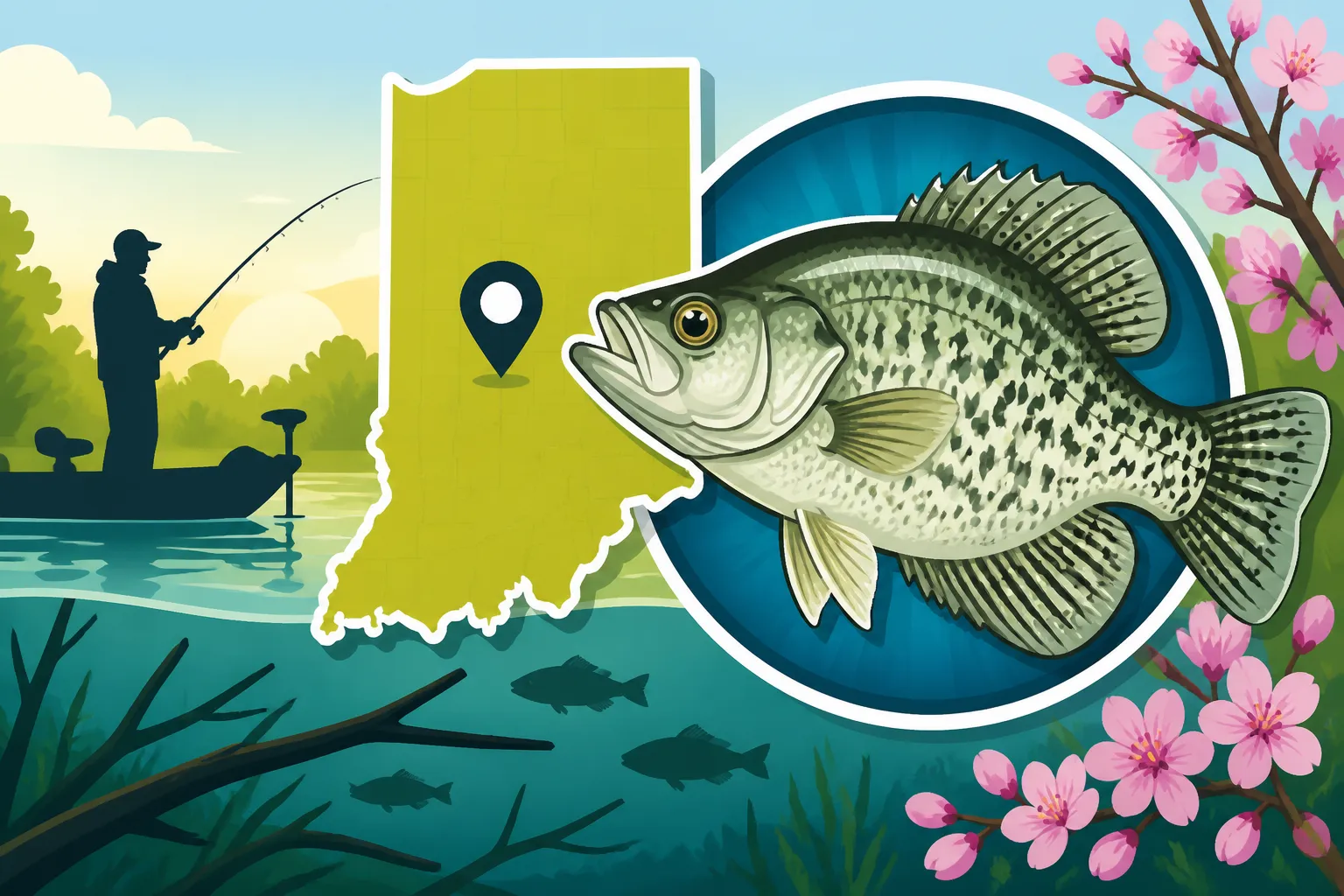
Crappie, whether black or white, are creatures of habit, but those habits shift dramatically as the seasons change. Spring is arguably the most exciting, yet sometimes frustrating, time to chase them because their behavior is so heavily tied to water temperature and their spawning cycle. If you understand what drives them during these months, you're halfway to finding them.
The Crappie Spawn and Why It Matters
The crappie spawn is the golden ticket for many anglers, a time when these fish move into shallower, more accessible waters. This annual event is triggered by rising water temperatures, typically when the water consistently hits between 55 to 65 degrees Fahrenheit. In Indiana, this usually means late April through May, though it can vary based on how quickly spring warms up and how far north or south you are in the state. During the pre-spawn phase, crappie are actively feeding, bulking up for the energy-intensive spawning process. They'll start staging in slightly deeper water near their eventual spawning grounds.
Once the water temperature hits that sweet spot, male crappie move into the shallows, often around natural cover like submerged brush, fallen trees, or even man-made structures like dock pilings and riprap. They clear out small nests, and the females move in to lay their eggs. This is when they become most concentrated and, often, most aggressive. After spawning, the females typically retreat to deeper water to recover, while the males guard the nests for a short period before following suit. Understanding this progression is crucial; if you're too early, they're deeper; too late, they've dispersed again. You can learn more about this timing in Crappie Spawn Timing on Indiana Lakes.
Water Temperature is Key
Let's talk more about temperature because it's truly the primary driver for spring crappie. Early spring, when water temperatures are in the high 40s to low 50s, crappie will still be somewhat lethargic, holding in deeper main lake or river channel areas, often suspending over structure. As temperatures creep into the mid-50s, they begin to move towards those pre-spawn staging areas—points, creek channel bends, and the outer edges of flats. This is a great time to fish just outside the shallow cover they'll eventually use.
When the water hits that prime 58-65 degree range, the spawn is on. This is when they commit to the shallow cover. Even a few degrees can make a world of difference. A sudden cold front can drop water temperatures, pushing crappie back out to deeper water for a day or two until the sun warms the shallows again. Carrying a thermometer to check the water temperature in different areas of the lake can be a game-changer. It helps you understand where the fish should be at any given moment, rather than just guessing.
Preferred Spring Habitat
Crappie are masters of cover, and spring is no exception. As they transition from wintering holes to spawning grounds, they'll gravitate towards specific types of habitat. Submerged timber, brush piles, old stump fields, and fallen trees are absolute magnets. These provide cover from predators, ambush points for baitfish, and a surface for their eggs during the spawn. You'll often find them tucked right into the densest parts of this cover.
Beyond natural cover, man-made structures are equally important. Think about docks, boat lifts, bridge pilings, and riprap shorelines. These structures absorb sunlight, warming the water around them slightly faster, and offer vertical cover that crappie adore. Don't overlook culverts or channels that flow into a main body of water, as these can be highways for crappie moving to and from spawning areas. Shallow flats adjacent to deeper creek channels are also prime real estate, providing easy access to both food and safety.
Top Indiana Lakes and Rivers for Spring Crappie
Indiana offers a fantastic variety of waters for crappie anglers, from sprawling southern reservoirs to the smaller, glacier-carved lakes up north. Each region has its own unique charm and challenges when it comes to finding these popular panfish in the spring.
Southern Indiana Hotspots
When you think of southern Indiana fishing, reservoirs often come to mind, and for good reason—they hold some truly excellent crappie populations. Patoka Lake in Dubois County is a prime example, known for its extensive timber stands and standing trees, which become crappie havens in the spring. Anglers often find success focusing on the submerged timber in shallower coves and feeder creek arms as the water warms. The key here is patience and thoroughly working the cover. You can find more specific details on this gem in Patoka Lake Crappie Fishing Spots.
Another powerhouse in the south is Monroe Lake, Indiana's largest inland lake. While famous for bass, Monroe also boasts a healthy crappie population. Its many arms, coves, and standing timber areas provide ample spawning habitat. During the spring, look for crappie staging near points and then moving into the warmer, shallower bays and creeks, particularly those with plenty of brush or submerged wood. Shore anglers can find good success off main lake points or in accessible coves. For deeper dives into its crappie potential, check out Best Crappie Spots on Monroe Lake. Other great southern spots include Brookville Lake and Mississinewa Lake, which also offer excellent spring crappie opportunities around their abundant cover.
Central Indiana Opportunities
Even if you're closer to the state's center, you don't have to travel far for great crappie fishing. Many smaller public lakes and even some larger municipal reservoirs offer fantastic spring action. Eagle Creek Reservoir near Indianapolis, for instance, has a good crappie population that congregates around its many docks, bridge pilings, and submerged cover in the spring. It's a convenient option for city dwellers looking for a quick outing.
The Wabash River and its tributaries, while often thought of for catfish, also hold plenty of crappie. Look for calmer backwater sloughs, oxbows, and protected creek mouths where crappie will seek refuge from the main current and warm up. These riverine crappie often relate heavily to log jams and fallen trees, so a boat or kayak can be very beneficial for accessing these spots. Remember that river systems can be more susceptible to fluctuating water levels and clarity, so keep an eye on conditions.
Northern Indiana's Glacial Lakes
Up north, Indiana's glacial lakes offer a different kind of crappie experience. These natural lakes, often deeper and clearer, require a slightly different approach. Lakes like those in Kosciusko and Steuben Counties—think Lake Wawasee, Webster Lake, or the Barbee Lakes chain—can be fantastic. In these lakes, crappie will often move into the shallower bays and channels that warm up first, particularly those with reeds, lily pad stems (from last year's growth), or boat docks.
The key to these clear water lakes is often being a bit stealthier, especially if you're fishing shallow. Pay close attention to wind-blown shorelines that concentrate warmer surface water and baitfish. While you might not find the vast standing timber of southern reservoirs, the docks, seawalls, and sparse cover can hold huge numbers of crappie during the spawn. Anglers often do well casting small jigs or minnows around these structures. These northern waters are also known for other species, such as walleye and muskie, so consider exploring Best Months for Walleye Fishing in Indiana's Glacial Lakes if you're multi-species minded.
Essential Techniques and Tackle for Spring Crappie
Once you've zeroed in on likely crappie holding areas, the next step is presenting your bait or lure effectively. Spring crappie can be finicky, so having the right gear and knowing how to use it makes all the difference.
Go-To Lures and Baits
When it comes to spring crappie, simplicity often reigns supreme, but having a few options is wise. Live minnows are, without a doubt, a perennial favorite. Fished under a small bobber or tightlined, they are incredibly effective, especially for hesitant or post-spawn fish. Hook them lightly through the back or lips. You can often find excellent minnows at your local bait shop.
Beyond live bait, small jigs are the bread and butter for many crappie anglers. Think 1/32 to 1/16 ounce jigs with soft plastic bodies in various colors—chartreuse, white, black/chartreuse, or even natural shad patterns. Experiment with colors based on water clarity. Sometimes a bright, obnoxious color works best in stained water, while a more subtle, natural color shines in clear conditions. Pair these with ultralight spinning gear for maximum sensitivity and casting distance. You can often find a wide array of jig heads and soft plastics on Amazon to stock your tackle box for spring. Small crankbaits or even tiny spoons can also be effective, particularly when fish are actively chasing bait in open water or when you need to cover water quickly. Crappie Jigging Techniques for Beginners offers a deeper dive into these methods.
Presentation is Everything
How you present your bait to a crappie can be more important than the bait itself. In spring, slow and subtle is often the name of the game. Jigging is perhaps the most common technique. This involves casting your jig out and slowly reeling it back, imparting a slight jigging motion with your rod tip. Pay close attention to subtle bites, which often feel like a slight "tick" or simply a feeling of added weight on your line. Sometimes, crappie will hit on the fall, so always be ready.
Tightlining is another deadly tactic, especially around vertical cover. This involves dropping a jig or minnow straight down into brush piles, under docks, or next to bridge pilings. The key is to keep your line taut but allow the bait to fall naturally, controlling its descent. This allows you to fish very precisely in tight spots. For suspended crappie in brush, you might need to adjust your depth until you find the sweet spot where they're holding. How to Tightline for Crappie can provide more in-depth strategies. When using a bobber, make sure it's small enough to offer minimal resistance to a biting crappie. A slight dip or sideways movement is often all you'll get before they drop the bait.
Reading the Water
Modern technology has certainly made fishing easier, but nothing beats old-fashioned observation and knowing how to read the water. On sunny spring days, pay attention to the sunny side of docks, seawalls, or shallow flats—these areas will warm up faster and often attract crappie. Conversely, after a cold front, fish might retreat to deeper, darker areas, or be found buried deep in dense cover.
Using electronics, like a fish finder, can dramatically increase your success, especially when crappie are suspending. A good fish finder can help you locate brush piles, channel edges, and even schools of baitfish and crappie. Many anglers swear by portable fish finders for kayak or bank fishing, which you can easily find on Amazon. Even without fancy electronics, look for visual cues: swirls on the surface, nervous baitfish, or even other anglers clustered in a particular area. Sometimes the best "spot" is simply observing where the locals are having success!
Crappie Fishing Success Strategies
Catching crappie consistently in spring isn't just about showing up at the right lake with the right bait; it's about strategy, adaptability, and understanding the nuances of the season.
Timing Your Trip
The time of day can significantly impact your success, especially in spring. Early mornings and late evenings are often prime times, not just for crappie but for many fish species. During these periods, light levels are lower, and crappie are often more willing to move into shallower, more exposed feeding areas. The water temperature also tends to be more stable during these hours. However, on cloudy or overcast days, crappie might remain active in shallower water throughout the day. Conversely, a bright, sunny day might push them deeper or tighter into cover during midday.
Weather patterns are also crucial. A stable period of warm weather will typically keep crappie active and in their preferred shallow spawning zones. However, a sudden cold front can put them down hard. If a front rolls through, consider waiting a day or two for conditions to stabilize, or focus your efforts on deeper edges of spawning flats or dense, deep cover where they might retreat. Always check the forecast and plan accordingly. It's all part of understanding the Best Time of Year to Fish in Indiana.
Scouting and Adaptability
Spring crappie fishing often involves a bit of detective work. Don't be afraid to move around and explore different areas of a lake or river. Start by checking a variety of depths and types of cover. If one cove isn't producing, move to another. Experiment with different lures, colors, and retrieve speeds until you find what the fish are responding to on that particular day. Crappie can be very localized, meaning one brush pile might be loaded, while another just a few yards away is barren.
If you're new to a body of water, dedicate some time to scouting. Use your boat's electronics (if you have them) to locate submerged structure, or simply observe shorelines for obvious cover. Look for old timber, fallen trees, or visible docks. Even after you find fish, continue to be adaptable. As the day progresses and temperatures change, crappie might shift their location or preferred depth. Being willing to adjust your strategy is key to consistent success. For a general guide on panfish, refer to Indiana Panfish Guide: Crappie, Bluegill, and Sunfish.
Regulations and Conservation
Before you head out, always make sure your Indiana fishing license is current. You can find detailed information on Indiana Fishing License Requirements Explained. It's not just about avoiding a fine; it’s about supporting the conservation efforts that keep our fisheries healthy. Also, be aware of the daily bag limits and length limits for crappie, which can vary by body of water, though the statewide panfish limit is quite generous. For general guidance, check out How Many Crappie Can You Keep in a Day?.
Responsible angling also means practicing good conservation. Only keep what you'll eat, and consider releasing larger crappie, especially the black crappie, as they are often the prime breeders. Handle fish gently if you plan to release them. Proper crappie management ensures that future generations of anglers will have just as much, if not more, success chasing these delightful panfish in the spring.
Spring Crappie Location Summary
Here's a quick overview to help you target spring crappie across Indiana:
| Region | Typical Spring Locations | Water Temp Range (F) | Common Depths (Feet) | Preferred Cover | Notes |
|---|---|---|---|---|---|
| Southern IN | Creek channels, timbered coves, brush piles | 55-65 | 3-10 | Standing timber, fallen trees, dock pilings | Patoka, Monroe Lakes are top choices. Heavy cover is key. |
| Central IN | Backwater sloughs, bridge pilings, docks | 55-65 | 4-12 | Log jams, docks, submerged brush | Eagle Creek Reservoir, Wabash River backwaters. |
| Northern IN | Shallow bays, channels, reeds, docks | 58-68 | 2-8 | Reeds, lily pad stems, seawalls, boat docks | Glacial lakes like Wawasee. Stealth often required in clear water. |
This article is for general informational purposes only and does not constitute professional advice. Laws, prices and regulations vary by location and change over time. Consult a qualified professional for guidance on your specific situation.