Best Lures for Indiana Walleye Fishing
Finding the right lures for walleye in Indiana can feel like a never-ending quest, especially with our state's incredible diversity of lakes, rivers, and reservoirs. You might find yourself staring at an overwhelming array of options at the tackle shop, wondering which flashy crankbait or subtle jig will actually entice a bite on your next outing. This comprehensive guide will cut through the confusion, helping you understand walleye behavior and matching the best lures to specific conditions, ensuring you spend less time guessing and more time reeling in those golden beauties.
Understanding Walleye Behavior and Habitat in Indiana
Before we even talk about specific lures, it's crucial to understand the fish we're trying to catch. Walleye aren't just any fish; they're predators, and their behavior, habitat preferences, and feeding patterns are unique. Knowing why a walleye might strike a certain lure is half the battle won, especially when you're fishing in diverse Indiana waters.
Seasonal Movements and Feeding Patterns
Walleye are constantly on the move, and their migration patterns throughout the year significantly impact where you'll find them and what they'll be willing to eat. Think of it like this: they're always following their dinner.
In the spring, after the ice melts, walleye will often move into shallower areas, especially rocky points, river mouths, and gravel flats, to spawn. During this time, they might be less focused on feeding aggressively and more on their biological imperative. Post-spawn, however, they become incredibly hungry, often lingering near those spawning grounds before moving to deeper structure. Lures that mimic small baitfish or worms can be particularly effective during this period. As the water warms, they'll seek out cooler, deeper water, often transitioning from shallow spawning areas to main lake points or channel edges. This is also when they become more active, chasing schools of baitfish.
Come summer, walleye typically inhabit deeper, cooler waters, often congregating around submerged islands, humps, weed lines, and structural elements like old river channels or points. They become more nocturnal feeders in warm, clear water, though you can still find them during the day in low light conditions or on cloudy days. Their feeding windows might be shorter but more intense. Understanding Best Months for Walleye Fishing in Indiana's Glacial Lakes is key to timing your trips right for these deeper-water patterns.
Fall is a fantastic time for walleye fishing in Indiana. As the water cools, walleye become very active, bulking up for winter. They'll often move back shallower, particularly in low light, and aggressively pursue baitfish that are also moving into shallower areas. This is when they can be found in predictable locations, gorging themselves. Finally, in winter, walleye slow down significantly, often holding tight to deep structure. Ice fishing requires a different approach, often involving vertical presentations directly over schools of fish. Knowing their seasonal rhythm means you can anticipate their location and adjust your lure choice accordingly.
Preferred Structures and Depths
Walleye are structure-oriented fish. They love edges, contours, and anything that offers cover or an ambush point. In Indiana's vast waters, this can mean a lot of different things.
In our natural lakes, like those up in the Indiana's Glacial Lake District: Home to Muskie, Pike, and Walleye, you'll often find walleye relating to distinct weed lines, transition areas from hard bottom to soft, and deep rock piles. They might be right on the edge of the weeds, waiting to dart out, or suspended just off the bottom over a rocky shoal. In lakes with clearer water, they'll often be deeper during the day, moving shallower at dawn and dusk. Understanding the specific lake's topography, whether through charts or a good fish finder, is invaluable.
Reservoirs across the state, such as Monroe or Patoka, offer different challenges. Here, walleye will often follow submerged river channels, steep drop-offs, and old roadbeds. Creek arms and flooded timber can also hold fish. These impoundments often have current, even subtle, which walleye will use to their advantage, positioning themselves to ambush prey. Deeper main lake points that extend into the channel are classic walleye haunts. Rivers like the Wabash or St. Joseph present yet another scenario, where walleye will hold in deeper holes, behind current breaks, or along submerged rock piles and wing dams. They'll use the current to conserve energy while waiting for food to drift by.
Water Clarity and Light Conditions
Walleye have excellent low-light vision, which is why they are often most active during dawn, dusk, cloudy days, or at night. This gives them a significant advantage over their prey and other sight-feeding predators.
In clear water, walleye tend to be more wary. They'll often hold deeper or tighter to cover during bright daylight hours. When fishing clear water, more natural lure colors and subtle presentations are often the ticket. Translucent or metallic finishes that mimic natural baitfish can be very effective. Conversely, in stained or muddy water, walleye rely less on sight and more on their lateral line to detect vibrations. This is where brighter, more aggressive colors like chartreuse, orange, or firetiger, along with lures that produce strong vibrations, can really shine. You might also find them shallower in dingy water, as the reduced light penetration makes them feel more comfortable.
Light conditions also dictate lure choice. On bright, sunny days, deep-diving crankbaits or jigs worked slowly along the bottom in deep water might be best. On overcast days, or during prime low-light periods, walleye might move shallower and be more willing to chase faster-moving baits. Even at night, different lures excel. Do Walleye Bite at Night in Indiana Reservoirs? explains how to capitalize on those after-dark opportunities.
Essential Lure Categories for Indiana Walleye
Now that we understand a bit more about walleye, let's dive into the core lure categories that every Indiana walleye angler should have in their tackle box. These aren't just generic options; they're proven producers for our local waters.
Jigs: The Versatile Walleye Workhorse
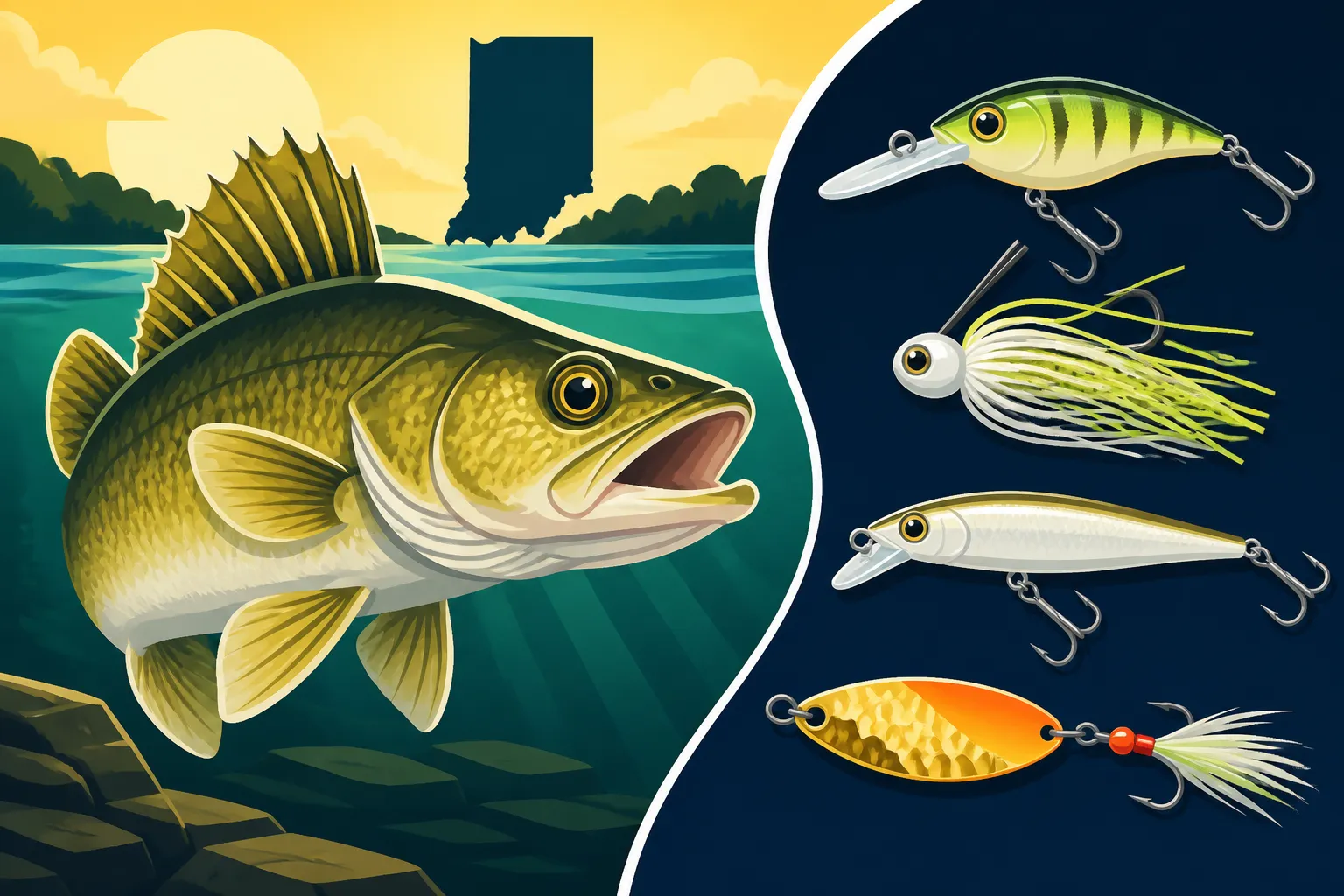
If there's one lure category that stands above the rest for walleye, it's the jig. Jigs are incredibly versatile, mimicking everything from an injured baitfish to a crawfish scurrying along the bottom. Their effectiveness largely comes from their ability to be presented vertically, horizontally, or dragged slowly, appealing to walleye in various moods and depths.
Grub Jigs and Soft Plastics: These are arguably the most common and effective. A simple jig head, often between 1/8 and 1/2 ounce, paired with a soft plastic grub (like a curl-tail or paddle-tail) or a minnow-imitation plastic is a deadly combination. The tail action provides tantalizing movement, even with minimal rod tip action. Colors can range from natural greens and browns to vibrant chartreuse or white. These are excellent for pitching to structure, vertical jigging over schools of fish, or slowly dragging along the bottom. The subtle thump of a paddle tail grub can often trigger a strike when nothing else will. You can find a huge variety of these soft plastics on platforms like Amazon, allowing you to experiment with different brands and styles.
Hair Jigs and Bucktails: These lures offer a different, more subtle presentation. The natural hair (often deer hair or marabou) breathes and pulses in the water with very little movement, making them incredibly lifelike. They are often favored in colder water or when walleye are finicky. Tipping a hair jig with a minnow or a piece of nightcrawler can add scent and extra appeal. They're excellent for slowly working deep breaks or pitching into shallower spawning areas in early spring. Their natural movement often makes them irresistible to even the most lethargic walleye.
Blade Baits: While technically a jig, blade baits deserve special mention. These thin, metallic lures vibrate intensely on the retrieve or when snapped off the bottom, creating a strong sensory disturbance that walleye can detect from a distance. They're fantastic for vertical jigging in deeper water, especially during cooler months, or for casting and retrieving with a lift-drop motion. Their flash and vibration can trigger reaction strikes even when walleye aren't actively feeding. Brands like Heddon and Johnson produce classic blade baits that have been catching walleye for decades.
Crankbaits: Covering Water Effectively
When walleye are scattered, actively chasing bait, or you need to cover a lot of water quickly, crankbaits are your go-to. These lures are designed to dive to specific depths, mimic various baitfish, and create a swimming action that calls in aggressive fish.
Shallow-Diving Crankbaits: For fishing shallower flats, points, or weed edges, particularly during low light conditions or in stained water, shallow divers are excellent. These typically have a smaller lip and run from 2 to 8 feet deep. They're great for casting and retrieving, allowing you to quickly explore large areas where walleye might be cruising. Subtle wobbles and realistic baitfish patterns are often effective here.
Medium and Deep-Diving Crankbaits: These are the workhorses for targeting walleye in deeper reservoirs and glacial lakes. With larger diving lips, they can reach depths of 10, 20, or even 30+ feet when cast or trolled. Trolling is a hugely popular and effective method for walleye with these lures, allowing anglers to present baits at specific depths for extended periods, especially over expansive flats or along deep breaks. Look for models that "hunt" or have an erratic action, as this often triggers strikes. Colors can range from natural shiner patterns to brighter firetiger or clown patterns, depending on water clarity and light. Learn more about effective presentations with Walleye Trolling Techniques.
Floating, Suspending, and Lipless Crankbaits: Floating crankbaits are great for deflecting off cover without getting snagged. Suspending models, which stay at a specific depth when paused, can be deadly for tempting hesitant walleye that want a longer look at the bait. Lipless crankbaits, which sink and produce a tight wobble and loud rattle, are fantastic for covering large areas, especially around submerged grass beds or when yo-yo'd vertically. They create a lot of vibration, which is great in stained water.
Spinner Rigs and Live Bait Combinations
Sometimes, the natural appeal of live bait is simply irresistible, and spinner rigs are designed to enhance that appeal, adding flash and vibration to an already enticing meal.
Crawler Harnesses: This is a classic walleye killer, especially when trolled or drifted slowly. A crawler harness typically consists of a series of beads, a clevis with a spinner blade, and two or three hooks spaced to hold a nightcrawler. The spinner blade provides flash and vibration, while the live nightcrawler offers natural scent and movement. You can adjust the blade size, shape, and color, as well as bead colors, to match conditions. These are incredibly effective on deeper flats and breaks in reservoirs and large natural lakes, often fished behind a bottom bouncer or simply weighted to get to the desired depth. Many anglers stock up on components for these harnesses through online retailers like Amazon.
Leech Rigs: Similar to crawler harnesses but often simpler, leech rigs typically involve a single hook (sometimes a snell of two small hooks) with a spinner blade, fished with a lively leech. Leeches are incredibly tough and active baits that walleye adore. They're often drifted or slowly trolled, again behind a bottom bouncer or weighted, especially effective during the summer months when leeches are readily available and walleye are often keying in on them.
Minnow Rigs: For a more classic presentation, a simple jig and minnow or a slip-bobber rig with a minnow can be unbeatable. However, spinner rigs can also be adapted for minnows, using smaller blades and hooks to present a lively shiner or fathead. These rigs are particularly effective in colder water when walleye are less willing to chase and prefer a slow, easy meal with added flash. Whether casting, drifting, or trolling, the flash of the spinner combined with the natural action and scent of a minnow makes it a top choice.
Top Lure Choices by Indiana Water Type
Indiana's fishing landscape is incredibly varied, from the deep, clear glacial lakes of the north to the sprawling reservoirs of the south and the winding rivers throughout. What works wonders in one body of water might be completely ignored in another. Tailoring your lure selection to the specific water type you're fishing is paramount for consistent walleye success.
Glacial Lakes and Natural Lakes
Indiana's glacial lakes, particularly in the northern part of the state (think Lake Wawasee, James Lake, or Webster Lake), are known for their clarity, depth, and distinct structure like deep weed lines, rock humps, and steep drop-offs. Walleye in these waters often follow very specific patterns.
For these deeper, clearer lakes, deep-diving crankbaits are indispensable, especially for trolling along contour lines, across submerged humps, or over basin areas where walleye might be suspended. Colors that mimic natural forage like perch, shiners, or ciscoes, along with some brighter options for overcast days, tend to do well. Brands like Rapala, Berkley, and Storm make excellent deep-diving models. On brighter days, a more subtle, metallic finish might be preferred. Lake Wawasee Walleye Fishing Access Points are popular spots where these lures excel.
Jigs, particularly lighter finesse jigs or hair jigs, are also highly effective, especially when worked vertically over deep structure or pitched to the edges of weed beds. A 1/8 to 1/4 ounce jig head with a slender minnow-shaped plastic or a fine hair jig in natural colors (greens, browns, clear with silver flake) can be deadly. When the fish are holding tight to the bottom or to specific pieces of structure, a jig presented with minimal movement often outfishes faster presentations. Don't forget that during low light periods, walleye might move shallower, and then a casting approach with suspending jerkbaits or shallow-running cranks can really shine.
Reservoirs and Impoundments
Southern and central Indiana boast large reservoirs like Monroe Lake, Patoka Lake, and Brookville Lake. These waters often have vast expanses, submerged timber, old creek channels, and significant current breaks, making them different from the clear, structured glacial lakes. Walleye here often relate to these historical riverbeds and flooded contours.
In these expansive reservoirs, crawler harnesses fished behind bottom bouncers are a classic and highly effective method. Trolling or drifting these rigs along old river channels, across main lake points, or over large flats where baitfish are schooling can be incredibly productive. The ability to vary weight on your bottom bouncer allows you to maintain bottom contact even as depths change.
Deep-diving crankbaits also shine in reservoirs, particularly when trolled. They help you cover large areas and locate active fish that might be suspended over deeper water or cruising along drop-offs. Vibrating lipless crankbaits can also be very effective, especially when walleye are feeding on shad or other baitfish in open water. These lures create a lot of vibration and are great for covering water quickly, whether cast and retrieved or trolled.
When walleye are concentrated around submerged timber or rock piles, jigging with heavier jigs (1/4 to 1/2 ounce) tipped with soft plastics or live bait is often the most precise approach. Blade baits also come into their own here, creating that strong vibration to call fish out of dense cover or off hard structure. For those who enjoy fishing at night, Do Walleye Bite at Night in Indiana Reservoirs? delves into specific techniques and lures perfect for those after-dark hours.
Rivers and Flowing Water
Rivers like the Wabash, White, or St. Joseph present a dynamic environment where current is the dominant factor. Walleye will position themselves in current breaks, behind obstructions, in deeper holes, or along the inside bends of river channels.
In rivers, jigs are often the number one choice. Heavier jigs (1/4 to 3/4 ounce or more, depending on current strength) tipped with soft plastics (grubs, paddle tails, minnow imitations) or live minnows are essential. The key is to get the jig down to the walleye quickly and keep it in the strike zone without being swept away. Vertical jigging directly below the boat in deeper holes or pitching jigs upstream and letting them drift back down while maintaining bottom contact are prime tactics. Walleye Jigging Techniques provides a deeper dive into these methods.
Crankbaits with a strong wobble are also effective in rivers, especially when cast upstream and retrieved with the current, or trolled against it. Look for crankbaits that have good diving capabilities to get down to those deeper holding areas. Colors that stand out in stained river water, such as chartreuse, orange, or firetiger, are often preferred. The vibration of these lures helps walleye locate them in less clear conditions.
Blade baits are another excellent choice for river walleye, particularly in deeper holes or current seams. Their intense vibration and flash can draw strikes from fish nestled tight to the bottom in strong current. They can be jigged aggressively or slowly lifted and dropped to mimic a struggling baitfish. For specific rules regarding length limits in these waters, be sure to consult resources like Walleye Minimum Length North of State Road 26 or Walleye Minimum Length South of State Road 26 in Indiana depending on your location.
Color, Size, and Presentation: Fine-Tuning Your Walleye Lures
Having the right category of lure is a great start, but the subtle details of color, size, and how you present that lure can make all the difference between a productive day and a frustrating one. Walleye can be incredibly finicky, and paying attention to these nuances will significantly improve your catch rates.
Lure Color Selection for Different Conditions
Lure color is often debated among anglers, but there are some general guidelines that hold true for walleye fishing in Indiana. It's not just about what you like, it's about what the fish can see and what looks natural (or provocatively unnatural) to them.
In clear water and bright conditions, more natural and translucent colors often perform best. Think about the baitfish in your local lake: shiners, perch, or shad often have silver, white, or light green hues. Lures that mimic these subtle tones, or even clear lures with flecks of glitter, can be very effective as they don't spook wary walleye. Sometimes, a touch of metallic flash, like silver or gold, can simulate scales.
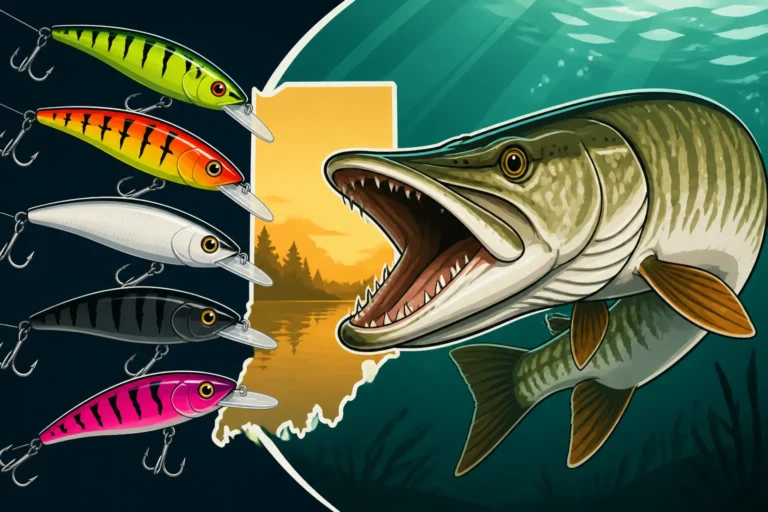
Conversely, in stained or muddy water, or low light conditions (dawn, dusk, cloudy days, or even at night), brighter, more opaque, or high-contrast colors tend to be more visible and provoke strikes. Chartreuse, orange, firetiger (a combination of bright green, orange, and black stripes), and bright pink can be excellent choices. These colors stand out in reduced visibility, making it easier for walleye to spot them. UV-reactive lures can also be a game-changer in these conditions, as they absorb and re-emit light, appearing brighter to fish. For a deeper dive into this, check out Best Walleye Lures for Cloudy Days.
It's also worth considering the "matching the hatch" principle. If walleye are feeding heavily on yellow perch, a perch-patterned crankbait will likely perform better than a bright pink one. Always observe the local forage if possible. Having a variety of colors in your tackle box is a good strategy, allowing you to experiment and adapt to changing conditions throughout the day.
Matching Lure Size to Forage
Just like color, lure size plays a critical role in mimicking the natural diet of walleye. Walleye are opportunistic predators, but they tend to key in on specific baitfish sizes, especially if there's an abundant forage base.
A general rule of thumb is to match the size of your lure to the size of the predominant baitfish in the water you're fishing. If walleye are feeding on small emerald shiners, a 2-3 inch crankbait or soft plastic minnow imitation will be more effective than a 6-inch magnum lure. Conversely, if they're feeding on larger gizzard shad or perch, scaling up to a 4-5 inch lure might be necessary to accurately represent their meal.
Consider also the time of year and the maturity of the baitfish. In spring, baitfish are often smaller, having just hatched or being juveniles. As the season progresses into summer and fall, those baitfish grow, and walleye will often prefer larger offerings. Don't be afraid to experiment. Sometimes, an unusually large or small lure can trigger a strike purely out of curiosity or aggression, especially if it stands out from the natural forage. If you're using live bait, select minnows or leeches that are proportionate to the size of fish you're targeting and the typical forage in that body of water.
Mastering Retrieval Techniques
Even the perfect lure won't catch fish if presented incorrectly. Walleye can be particular about the speed, action, and depth of your lure. Mastering a variety of retrieval techniques is key to consistent success.
For jigs, presentation is paramount. Walleye Jigging Techniques covers a lot of ground here, but generally, it involves lifting and dropping the lure to simulate an injured baitfish or a crawfish. The speed and height of the lift, and the duration of the pause, can all make a difference. Sometimes a slow, almost dead-stick retrieve where the jig barely leaves the bottom is best, especially in cold water or when fish are lethargic. Other times, a more aggressive snap-jigging motion is needed to provoke a reaction strike. Experiment with how hard you snap the rod and how long you let the jig fall on slack line.
Crankbaits are typically fished with a steady retrieve, but even here, variations can be effective. Try incorporating pauses, erratic jerks, or changes in retrieve speed to make the lure appear more injured or panicked. Trolling crankbaits allows for very precise depth control and consistent speed. However, even when trolling, making slight S-turns with the boat will cause your outside lines to speed up and your inside lines to slow down, often triggering strikes from following fish. Knowing Best Time of Day to Catch Walleye can also help you determine whether a fast or slow retrieve might be more effective.
For spinner rigs with live bait, a slow, steady retrieve or drift is usually most effective. The goal is to keep the spinner blade turning and the live bait looking as natural as possible while covering water. This means maintaining just enough speed to get the blade to turn, but not so fast that it looks unnatural or pulls the bait out of the walleye's strike zone. Using a bottom bouncer helps keep the rig near the bottom where walleye often feed. Always feel for the subtle tap-tap of the bottom bouncer occasionally ticking the lakebed, confirming your depth.
Advanced Tips and Troubleshooting for Walleye Success
Even with the best lures and a solid understanding of walleye behavior, there will be days when the fish just aren't cooperating. That's when it's time to dig into your bag of tricks and troubleshoot the situation. Consistent walleye success often comes from a willingness to adapt and experiment.
When to Switch Lures
One of the biggest mistakes anglers make is sticking with a lure that isn't working for too long. Walleye, especially, can be incredibly particular. If you're not getting bites, don't be afraid to make a change.
No Bites After 15-20 Minutes: If you're in a known walleye area and haven't had a sniff after a reasonable amount of time, it's a clear sign that your current presentation isn't appealing. Start by changing colors. Go from natural to bright, or vice versa. If that doesn't work, try changing the size of your lure, perhaps going smaller or larger than what you started with. Finally, consider a completely different lure type. If you were jigging, try trolling a crankbait. If you were casting, try a live bait rig.
Changing Conditions: Weather and water conditions can shift rapidly in Indiana, and what worked an hour ago might not work now. A bright sun popping out from behind clouds might call for a switch to more natural colors and deeper presentations. An increase in wind might require heavier jigs or crankbaits to maintain contact with the bottom. Pay attention to sudden cold fronts; How Water Temperature Affects Fish Activity is a major factor, and walleye often become more lethargic, requiring slower, more subtle presentations. Don't be afraid to read the environment and adjust.
Time of Day: As discussed, walleye feeding windows can be tied to specific times of day. A crankbait that was producing well at dawn might be ignored mid-day, when a deep-water jig might be more effective. Or, as evening approaches, a switch back to shallower presentations could ignite the bite again. Always keep an eye on the clock and the light conditions.
Storage and Maintenance of Your Walleye Lure Arsenal
Taking care of your lures isn't just about keeping them neat; it's about ensuring they perform optimally and last longer. Neglected lures can lead to lost fish and wasted money.
Proper Storage: Keep your lures organized in tackle boxes or bags specifically designed for fishing tackle. This prevents hooks from tangling, lures from getting scratched, and allows for quick access. Use compartments for different lure types or colors. After a trip, especially if you've been fishing in brackish or dirty water, rinse your hard baits with fresh water and let them air dry before storing them. This prevents corrosion on hooks and split rings. Soft plastics should be stored in their original bags or in separate compartments to prevent them from melting or reacting with other plastics, especially if you buy them in bulk from places like Amazon.
Hook and Split Ring Maintenance: The sharpest hook is your best friend when walleye fishing. Walleye have tough mouths, and a dull hook will lead to missed strikes and lost fish. Routinely check your hooks for sharpness and either sharpen them with a hook file or replace them if they're bent, rusted, or too dull to effectively sharpen. Pay attention to your split rings too; if they're weak or corroded, they can open up under the stress of a fighting fish. Replacing them with stronger, corrosion-resistant rings is a small investment that pays off.
Lure Inspection: Before each trip, give your lures a quick once-over. Check crankbaits for cracked lips, which can alter their swimming action. Ensure spinner blades on your crawler harnesses spin freely. Inspect soft plastics for tears or damage that might affect their action. A well-maintained lure not only looks better but also performs better, giving you the confidence that it will do its job when that trophy walleye strikes.
Combining Electronics with Lure Selection
Modern fishing electronics aren't just for locating fish; they can be invaluable tools for optimizing your lure selection and presentation. Using your fish finder effectively can tell you not just where the walleye are, but also how they're behaving, which directly influences your lure choice.
Locating Fish and Structure: Your fish finder (sonar and/or side imaging) helps you pinpoint those classic walleye structures: humps, drop-offs, weed lines, and submerged timber. Once you've located fish, observe their depth and how they're relating to the structure. Are they tight to the bottom? Suspended mid-water? This tells you immediately what depth your lure needs to be presented at. If they're tightly schooled and holding near the bottom, a vertical jigging presentation with a blade bait or heavy jig might be ideal. If they're scattered and suspended, trolling a deep-diving crankbait could be more effective.
Interpreting Fish Behavior: Some advanced fish finders can even show you if fish are actively chasing bait or if they're lethargic and tight-lipped. If you see baitfish schools being actively pursued by larger arches (walleye), then faster-moving, reaction-strike lures like crankbaits or aggressively jigged blade baits might be the ticket. If the fish appear scattered and unresponsive, a slower, more subtle live bait presentation or a slowly worked finesse jig might be more appropriate. Seeing your lure on the screen, descending towards fish, can also help you perfect your Walleye Jigging Techniques by showing you how the fish react to your retrieve.
Understanding Bottom Composition: Many fish finders can help you determine the type of bottom structure. Hard bottoms (rock, gravel) often appear as thicker, more distinct lines, while soft bottoms (mud, silt) appear as thinner, fuzzier lines. This knowledge can influence your lure choice; for instance, a blade bait might be more effective bouncing off rocks, while a slow-dragged plastic grub might be better over softer, muddier bottoms. By effectively using your electronics, you can eliminate guesswork and make more informed decisions about which walleye lures to deploy.
Comparing Walleye Lure Types
To help visualize the versatility and specific applications of the most effective walleye lures in Indiana, here's a handy comparison table. This isn't exhaustive, but it covers the main types you'll rely on.
| Lure Type | Best for Conditions | Ideal Water Types | Presentation Styles | Key Advantages |
|---|---|---|---|---|
| Jigs | All-around, especially cold water, finicky fish, clear/stained | Rivers, deep lakes, reservoirs, specific structure | Vertical jigging, pitching, dragging, snap-jigging | Versatile, precise, can be tipped with live bait |
| Crankbaits | Covering water, active fish, varying depths, trolling | Large lakes, reservoirs, larger rivers | Casting & retrieving, trolling, twitching | Covers large areas, mimics baitfish, depth-specific |
| Spinner Rigs (e.g., Crawler Harnesses) | Slow presentations, live bait appeal, searching | Large lakes, reservoirs, open water, flats | Trolling (with bottom bouncers), drifting | Natural scent/action, adds flash, consistent depth |
| Blade Baits | Reaction strikes, vertical presentations, deep water | Deep lakes, reservoirs, rivers, current breaks | Vertical jigging, lift-drop retrieve, snapping | High vibration, flash, effective for active/inactive |
This table provides a quick reference as you're packing your tackle box or making a quick decision on the water. Remember, experimentation is key, but starting with the right tools for the job always helps.
Disclaimer
This article is for general informational purposes only and does not constitute professional advice. Laws, prices and regulations vary by location and change over time. Consult a qualified professional for guidance on your specific situation.