Best Walleye Lures for Cloudy Days
One of the most common frustrations for us anglers is facing a murky, overcast day on the water and wondering if it's even worth casting a line for walleye. Many assume bright, sunny days are always best, but I'm here to tell you that cloudy conditions can actually present some of the most opportunistic walleye fishing, if you're using the right lures. This guide will dive deep into why walleye behave differently under cloudy skies and unveil the best lures to make those low-light days incredibly productive on Indiana's lakes and rivers.
Understanding Walleye Behavior on Cloudy Days
Walleye are fascinating fish, and their behavior shifts significantly with changes in light. What might seem like a disadvantage – a dark, gloomy sky – is often a blessing in disguise for those targeting these sought-after predators.
Why Cloudy Days Are Different
Think about it from a walleye's perspective: they have exceptionally light-sensitive eyes. This is why you often find them in deeper water or tight to structure during bright, sunny conditions. Their eyes, with a tapetum lucidum layer, are perfectly adapted for low-light feeding, giving them a distinct advantage over their prey.
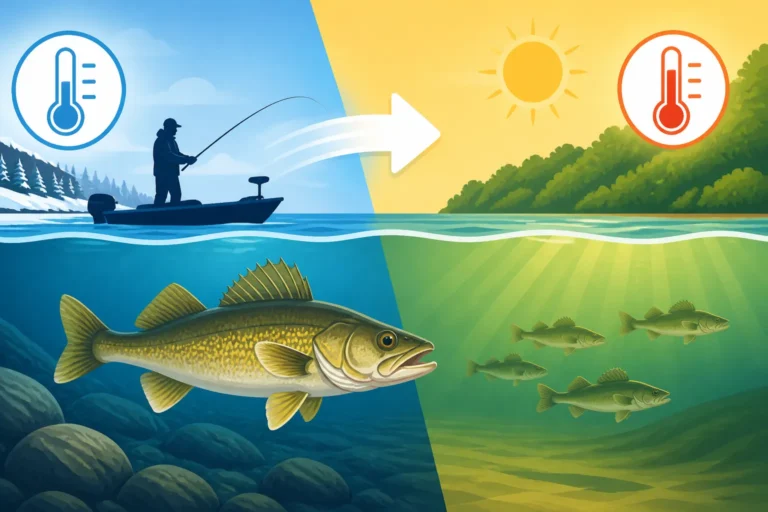
On cloudy days, especially those with consistent, heavy overcast skies, the entire water column becomes much dimmer. This reduction in light penetration means walleye feel more comfortable moving out of their typical deep-water sanctuaries. They'll push into shallower flats, roam open water, and patrol weed lines or rock piles with much more confidence. The low light essentially extends their feeding window throughout the day, whereas on sunny days, their prime feeding times are often restricted to dawn, dusk, or deep nighttime. This expanded activity makes them more accessible and aggressive, which is exactly what we want as anglers. The key is presenting them with something they can easily spot and track in these muted conditions.
Reading the Water and Weather
It's not just about "cloudy or not cloudy." There's a spectrum of low-light conditions, and understanding them helps refine your lure choice. A lightly overcast sky with a slight ripple on the water is different from a heavy, dark storm front rolling in.
If the clouds are thin and high, allowing some diffused light to penetrate, walleye might still be a little hesitant to come all the way up. You might find them suspended a bit deeper, perhaps along a drop-off or the deeper edges of a weed bed. However, if you're dealing with thick, dark storm clouds that make it feel almost like twilight at midday, those walleye are likely to be much more spread out and shallower, actively hunting. Water clarity also plays a huge role. In clear water, even on cloudy days, walleye might still prefer a slightly subtler presentation, or at least a lure with a more natural profile, but with enhanced vibration or flash. In murky or stained water, common after heavy rains or in some of our larger river systems like the Wabash River, loud, vibrant lures with strong vibration become absolutely crucial for getting noticed. Always pay attention to the wind, too. A chop on the water further breaks up light, giving walleye even more cover and making them more active, but it also disperses their prey, requiring lures that can cover water effectively.
Top Lure Categories for Overcast Conditions
When the sun takes a break, it's time for some specific lure types to shine. These categories consistently produce walleye under the cover of clouds.
Crankbaits: The Vibrating All-Stars
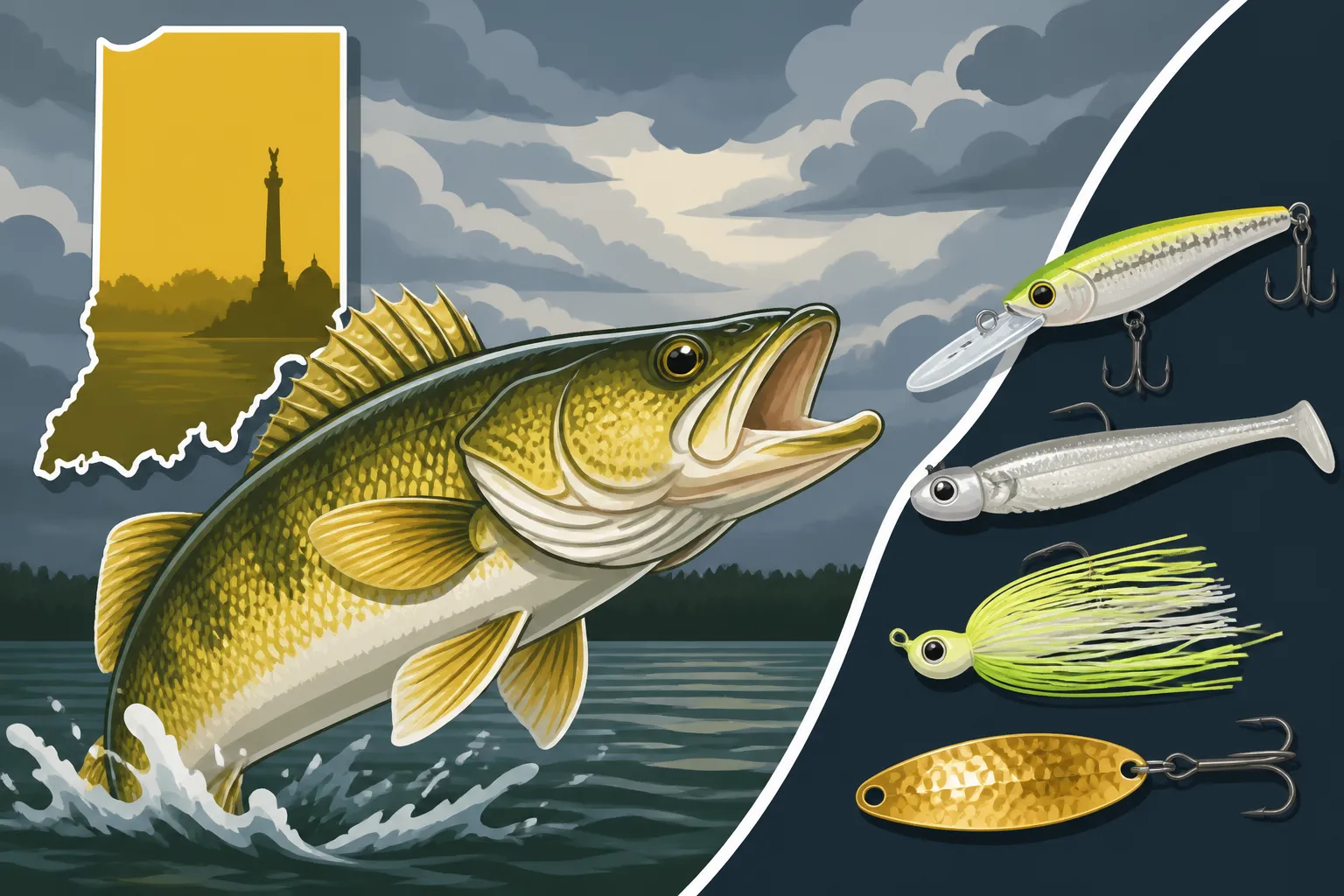
Crankbaits are arguably one of the most versatile and effective lure choices for cloudy day walleye, whether you're casting them from shore or trolling open water. Their inherent design provides both visual appeal and vibration, which are two critical elements for attracting walleye in low-light conditions.
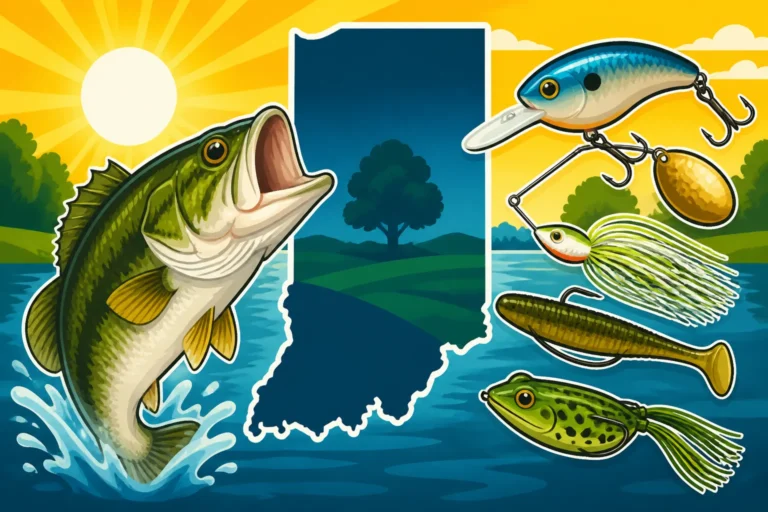
You have your shallow-diving crankbaits, which are perfect for covering those newly accessible weed flats, rocky points, or shoreline breaks where walleye are actively hunting. These typically run just a few feet deep, making them ideal for casting and retrieving. Then there are deep-diving crankbaits, excellent for reaching walleye that might be holding a bit deeper in channels or along steep breaklines, even on cloudy days. Trolling these can be incredibly effective, especially when you're trying to locate scattered schools across a large lake. Consider techniques like those discussed in our guide on Walleye Trolling Techniques to maximize their potential. Lipless crankbaits, with their aggressive rattle and vibration, are also fantastic choices. They sink quickly, allowing you to work various depths, and their tight wobbling action sends out powerful signals that walleye can home in on through the dim water. Many anglers have great success with lipless cranks fished with a "yo-yo" retrieve, letting them sink and then ripping them up, mimicking a struggling baitfish. You can find a huge variety of these crankbaits on Amazon, from top brands to more budget-friendly options.
Jigging Lures: Bottom-Bouncing Success
Jigs are a staple in any walleye angler's tackle box, and they remain incredibly potent on cloudy days, especially when walleye are hugging the bottom or suspended just above structure. The beauty of a jig is its ability to imitate a wide range of prey items, from crawfish to small baitfish, with subtle movements.
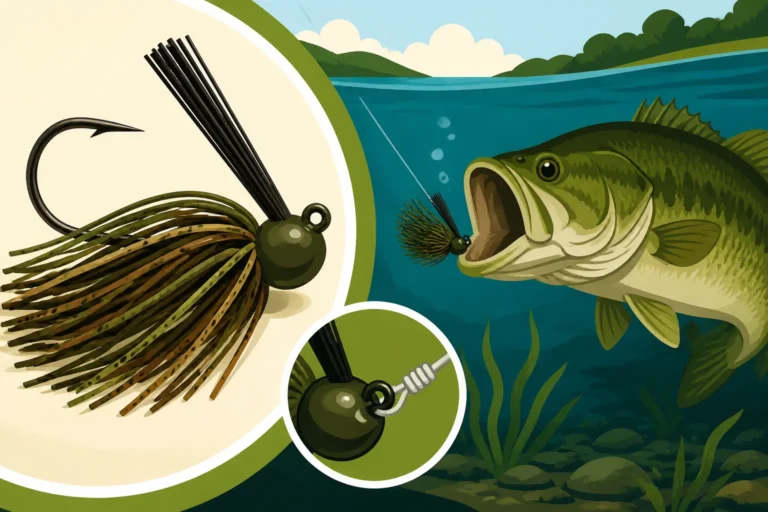
Blade baits are a personal favorite for many on overcast days. Their intense vibration and flash as they're lifted and dropped are irresistible to walleye. These work wonders when vertically jigged directly over suspected walleye holding areas, or when cast and retrieved with a lift-and-drop motion. The metallic flash of the blade acts like a beacon in the dim water, and the vibration is easily detected by the walleye's lateral line. Soft plastic jigs, particularly those with paddle tails or curly tails, also shine. The pulsating action of the tail on a slow retrieve or gentle lift-and-drop is incredibly enticing. Pairing these with a brightly colored jig head (think chartreuse, orange, or even glow-in-the-dark options for really dark conditions) can make a huge difference. Hair jigs offer a more subtle, natural presentation that can be deadly when walleye are being a bit finicky. Our guide on Walleye Jigging Techniques provides more in-depth strategies for mastering these presentations. The controlled depth and precise action of a jig allow you to put the lure right in front of a walleye, even if they're not actively chasing.
Spinner Rigs and Crawler Harnesses: Classic Fish-Catchers
Sometimes, the classics are classics for a reason, and spinner rigs and crawler harnesses definitely fall into that category for walleye, especially when the conditions are cloudy. These setups combine flash, vibration, and natural scent, a powerful trifecta for tempting reluctant fish.
The spinning blade on a crawler harness provides continuous flash and vibration as it moves through the water, making it highly visible and detectable in low light. There are various blade types to consider: Colorado blades offer maximum thump and vibration, great for murky water or when walleye are aggressive. Indiana blades provide a good balance of flash and vibration, while Willowleaf blades offer a more subtle flash and minimal vibration, often preferred in clearer water or when fish are less active. The addition of a live nightcrawler or another juicy bait on the hooks adds that irresistible natural scent trail that walleye simply can't ignore. You can slow-troll these behind a planer board or bottom bouncer, or simply drift them over flats and breaks. This is particularly effective on large bodies of water where walleye might be spread out, allowing you to cover a lot of ground. The combination of visual and olfactory appeal makes these rigs incredibly reliable on cloudy days, mimicking a natural foraging opportunity.
Essential Lure Colors and Features for Low Light
Beyond the lure type, the specific colors and features you choose become paramount when fishing for walleye under cloudy skies. Visibility is king, and anything that helps your lure stand out is a distinct advantage.
High-Contrast and Fluorescent Colors
On bright, sunny days, natural colors like shad, perch, or crawfish patterns often work best. But when the light dims, you need to switch gears. Walleye rely heavily on their lateral line to detect vibrations, but they also use their excellent low-light vision to zero in on prey. High-contrast and fluorescent colors become incredibly effective because they show up better in muted light conditions.
Think chartreuse, bright orange, hot pink, and firetiger (a combination of bright green, yellow, orange, and black stripes). These colors create a stark contrast against the darker water and overcast sky, making your lure much easier for a walleye to see from a distance. Imagine a bright chartreuse jig slowly swimming through tannin-stained water; it practically glows. These "unnatural" colors don't necessarily mimic a specific baitfish but rather act as an attention-grabbing signal. Many anglers will even paint their jig heads in these vibrant hues, or add a dab of fluorescent dye to their soft plastics. The goal is maximum visibility. When considering your overall Best Lures for Indiana Walleye Fishing, remember to always have a selection of these bold, bright options on hand for those gloomy days.
Flash, Vibration, and Sound
Since visual cues are limited on cloudy days, anything that appeals to a walleye's other senses can significantly increase your strike rate. This means focusing on lures that create a lot of flash, vibration, and even sound.
Metallic blades on spinner rigs or blade baits are fantastic. The way they reflect even ambient light, combined with the disturbance they create in the water, makes them highly attractive. Think about how a school of baitfish flashes as it moves – that's what you're trying to mimic. Rattles inside crankbaits are another excellent feature. The internal BBs or beads create an audible clicking or rattling sound that travels through the water, alerting walleye to the lure's presence long before they see it. Many plastic jerkbaits also incorporate rattles for this very reason. The thumping action of a wide-wobbling crankbait or the rhythmic pulse of a paddle-tail soft plastic also displaces a lot of water, creating vibrations that walleye can detect with their lateral line. It's about creating a "noisy" presentation in the water, essentially ringing the dinner bell for actively feeding walleye who are less wary under the cover of clouds.
Putting It All Together: Tactics for Cloudy Day Walleye
Knowing the best lures is one thing, but knowing how to use them effectively and where to deploy them on a cloudy day is what truly separates a good day from a great one.
Target Locations
On sunny days, walleye tend to hug tight to deep structure, rock piles, or dense weed beds, seeking refuge from the bright light. But on cloudy days, their comfort zone expands significantly, allowing them to move into areas they'd typically avoid during peak daylight.
Focus on shallower flats that are adjacent to deeper water. Walleye will often push up onto these flats to forage on baitfish or crawfish. Weed edges are another prime target. Look for breaks in the weed line, pockets, or even sparse weed growth where walleye can ambush prey. Transition areas, where a hard bottom meets a soft bottom, or where rock turns to sand, can also be hotspots, as these areas often hold abundant forage. Don't overlook points that extend out into the lake or river; these act as highways for migrating fish and ambush points. In our guide to the Best Walleye Fishing in Indiana, you'll find many excellent locations where these features abound. Remember that walleye tend to spread out more on cloudy days, so covering water effectively is crucial. Don't be afraid to fish areas that might seem too shallow or too open during brighter conditions.
Experimentation Is Key
While we've covered some fantastic starting points, no two cloudy days are exactly alike, and what worked yesterday might not work today. This is where experimentation becomes your best friend.
Start with a proven cloudy-day lure and color combination, but don't be afraid to change things up if you're not getting bites. Vary your retrieve speed: sometimes a slow, methodical retrieve is best, while other times a fast, erratic retrieve can trigger reaction strikes. Adjust your depth: if you're not getting bites shallow, try moving to slightly deeper edges or vice versa. Swap out lures with different actions – if a tight-wobbling crankbait isn't working, try a wide-wobbling one. Even small changes in lure size or the addition of a scent can make a difference. Pay close attention to any subtle taps or changes in your line, as walleye bites can be incredibly light, especially in cooler water. This adaptability is what makes a successful walleye angler, whether on a cloudy morning in Lake Wawasee or a drizzly afternoon on the St. Joseph River.
Gear Considerations for Cloudy Conditions
Beyond the lures themselves, a few other gear considerations can give you an edge when fishing for walleye on cloudy days.
Your choice of fishing line, for example, can be important. While visibility is less of a concern for the fish in low light, using a low-visibility fluorocarbon leader is always a good idea. Fluorocarbon is nearly invisible underwater and offers excellent abrasion resistance, which is handy when fishing around rocky structure or zebra mussels, common in many of Indiana's walleye lakes. A sensitive rod is another must-have. Walleye bites can be notoriously subtle, sometimes feeling like little more than a "tick" or added weight on your line. A sensitive medium-light or medium-power spinning rod with a fast action tip will help you detect these faint bites, allowing for quicker hook sets. Pair this with a smooth, reliable reel, and you'll be well-equipped. For more comprehensive advice on outfitting your setup, take a look at our Best Tackle for Indiana Walleye Fishing guide. Don't forget to double-check your knots frequently, especially when fishing with braided mainline and a fluorocarbon leader.
| Lure Type | Key Features for Cloudy Days | Best Low-Light Colors | Ideal Conditions |
|---|---|---|---|
| Crankbaits | Aggressive wobble, rattles, varying dive depths | Firetiger, Chartreuse, Orange, Hot Pink | Casting shallow flats, trolling open water or breaklines, moderate retrieves |
| Blade Baits | Intense vibration, flash on retrieve, quick sink | Chrome/Blue, Chartreuse, Gold, Silver | Vertical jigging over structure, casting and ripping, murky water |
| Soft Plastic Jigs | Paddle or curly tail action, scented options | Chartreuse, Pearl, Motor Oil, Fluorescent Green | Bottom bouncing, slow dragging, pitching to cover, clear to stained water |
| Hair Jigs | Subtle, natural movement, sparse profile | Black, Brown, Chartreuse/White | Finesse presentation, cold front conditions, clearer water, slow retrieves |
| Crawler Harnesses | Spinning blade flash, vibration, live bait scent | Colorado (max thump), Indiana (balanced), Willowleaf (subtle) | Slow trolling or drifting over flats, humps, weed edges, covering wide areas |
Disclaimer
This article is for general informational purposes only and does not constitute professional advice. Laws, prices and regulations vary by location and change over time. Consult a qualified professional for guidance on your specific situation.