Indiana’s Best Lakes for Muskie Fishing
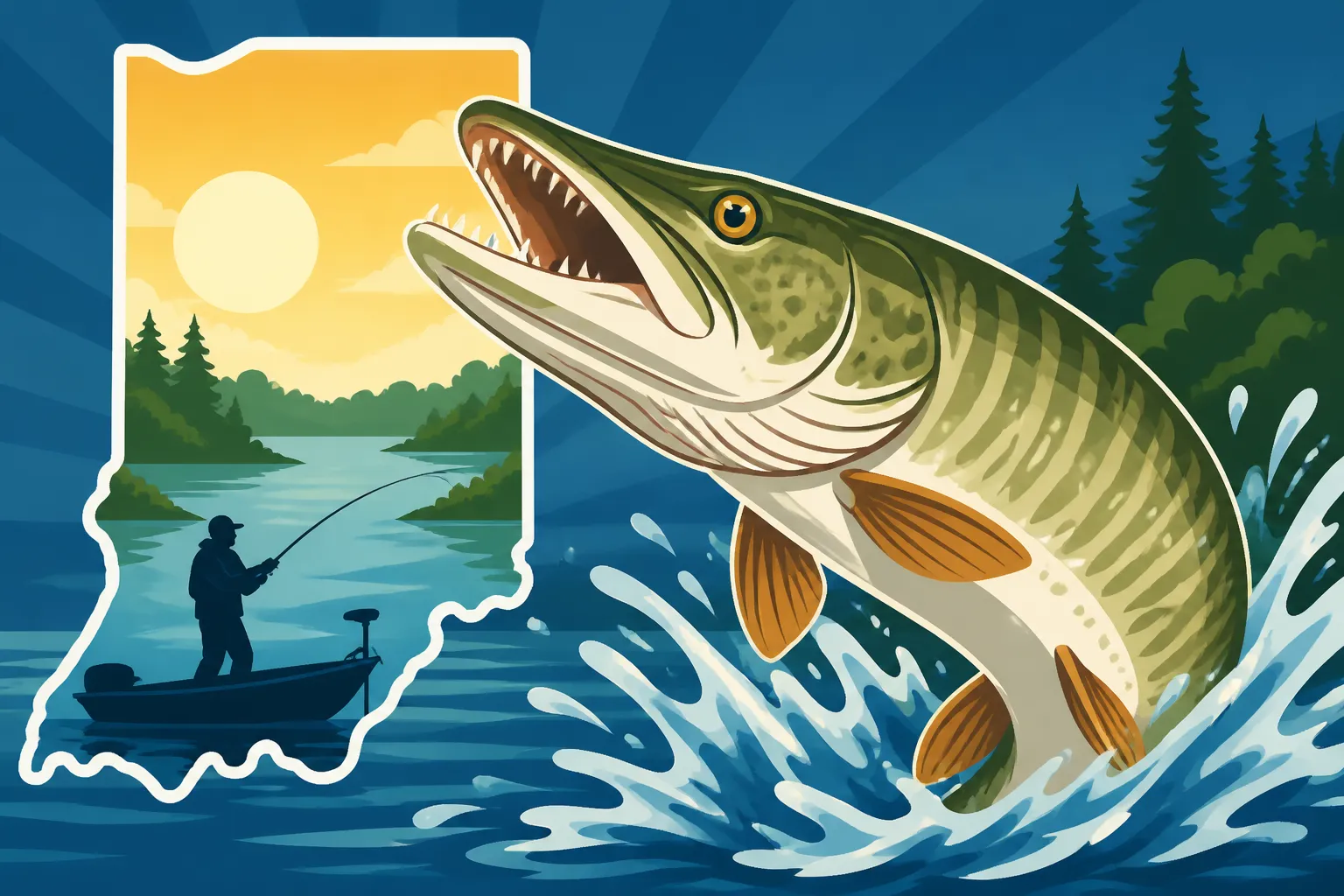
For many anglers, the pursuit of a muskellunge is more than just fishing; it's an obsession, a quest for a true freshwater apex predator. Indiana might not be the first state that comes to mind when you think of muskie, but we have some incredible waters holding these elusive giants, and knowing where to focus your efforts can make all the difference between a lifetime memory and a long day of casting. This guide will walk you through Indiana's prime muskie fishing lakes, detailing what makes them special and how you can increase your chances of landing one of these formidable fish.
Understanding the Elusive Indiana Muskie
Muskellunge, often called "muskies" or "the fish of 10,000 casts," are legendary for a reason. They're notoriously challenging to catch, demanding patience, specialized gear, and a deep understanding of their behavior. In Indiana, these magnificent fish are present in several lakes, offering exciting opportunities for dedicated anglers. Unlike other popular game fish, muskie populations are typically managed for quality over quantity, meaning fewer, but often larger, fish.
Part of the allure is the sheer power and size of these fish. When a muskie hits, it's often with an explosive force that can be truly unforgettable. Their razor-sharp teeth and aggressive nature mean they put up an incredible fight, pushing your tackle and your stamina to their limits. It's not uncommon to fish for hours, even days, without a single strike, only to have that one sudden, heart-stopping encounter that makes all the effort worthwhile. This makes every muskie caught a trophy, regardless of its exact dimensions.
Indiana's muskie fisheries are primarily supported by stocking programs, as natural reproduction is limited in most lakes. The Indiana Department of Natural Resources (DNR) works tirelessly to ensure healthy populations by raising and releasing muskie fingerlings into designated waters. This careful management ensures that future generations of anglers will continue to have the opportunity to pursue these incredible fish. These efforts highlight the importance of proper handling and catch-and-release practices, which we'll discuss later.
Indiana's Premier Muskie Destinations
When it comes to targeting muskie in Indiana, a few lakes consistently rise to the top as prime hunting grounds. These waters offer the right combination of habitat, forage, and stocking success to support a healthy muskie population, giving anglers the best chance at hooking into a giant.
Lake Wawasee: Indiana's Largest Natural Lake
Lake Wawasee, located in Kosciusko County, holds the distinction of being Indiana's largest natural lake, and it's also one of its best muskie fisheries. This sprawling lake covers over 3,000 acres and offers a diverse range of habitats, from deep basins to expansive weed flats and sharp drop-offs. Muskie thrive in these varied environments, utilizing the weeds for ambush points and the deeper water for refuge in warmer months.
Fishing Wawasee for muskie often involves trolling large crankbaits over open water or casting oversized bucktails and jerkbaits along the edges of weed lines and structural elements like points and humps. The lake's clear water means fish can be spooky, so stealth and careful presentation are key. Anglers targeting this lake should also be aware of the recreational boat traffic, especially during peak summer months, and plan their fishing during quieter times like early mornings or evenings. Lake Wawasee: Indiana's Largest Natural Lake and Its Fish
The sheer size of Wawasee means there's always new water to explore, and muskie can be found throughout the lake, not just in a few concentrated spots. While some areas are known hotspots, consistent success often comes from systematically covering water and experimenting with different depths and presentations until you crack the code. It’s not uncommon to hear tales of massive muskie follows right up to the boat, reminding you that these fish are always lurking, even if they don't commit to a strike.
James Lake: Home of the State Record Muskie
For those seeking truly giant muskie, James Lake, part of the Fawn River Chain in Steuben County, is a must-visit. This relatively smaller lake (around 300 acres) is legendary for producing the current Indiana state record muskie. James Lake offers a different fishing experience than Wawasee, often with less fishing pressure and a more intimate feel, but with no less impressive fish.
James Lake is characterized by its deep holes, extensive weed beds, and submerged timber, all of which provide excellent cover and ambush points for muskie. Anglers often find success by focusing on the deeper breaks and structural contours, especially where current or unique features concentrate baitfish. The lake's reputation for producing massive fish means that every cast holds the potential for a true trophy. James Lake and Indiana's State Muskie Record
Due to its smaller size, James Lake can be easier to pattern once you understand the muskie movements. However, like all muskie waters, it requires persistence. Casting large, heavy baits for hours on end is par for the course. Many anglers who frequent James Lake swear by specific techniques or patterns they’ve developed over years of fishing, knowing that consistency in presentation is often rewarded with an unforgettable strike.
The Glacial Lakes Region: A Muskie Hotbed
Beyond Wawasee and James, Indiana's "Glacial Lakes Region" in the northeastern part of the state offers a treasure trove of muskie fishing opportunities. Counties like Kosciusko and Steuben are dotted with dozens of natural lakes, many of which are stocked with muskie and hold thriving populations. Lakes such as Webster Lake, Tippecanoe Lake, Syracuse Lake, and Barbee Lakes are all excellent choices.
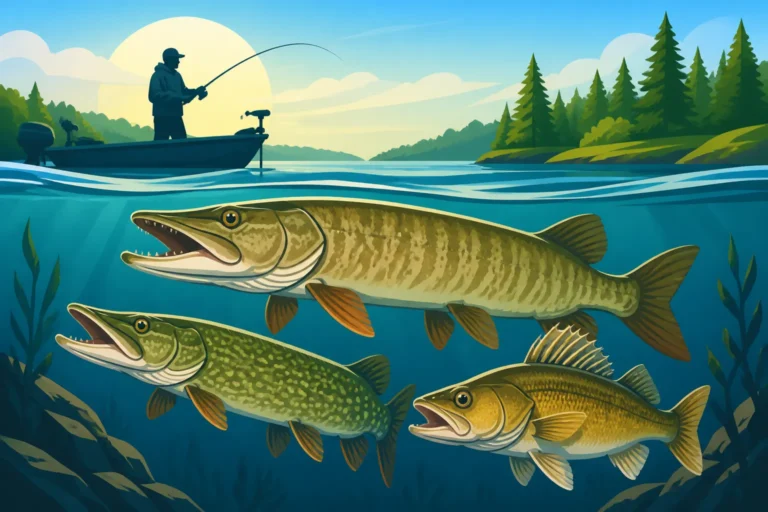
What makes the glacial lakes so ideal for muskie? Their formation left behind deep, clear waters with distinct structural elements like sharp drop-offs, gravel bars, and sprawling weed beds, all perfect muskie habitat. These lakes often connect, forming chains that allow muskie to move and forage over larger areas. The abundance of healthy forage fish further contributes to the growth of large, powerful muskie. Indiana's Glacial Lake District: Home to Muskie, Pike, and Walleye Best Muskie Lakes in Indiana's Glacial Lake District
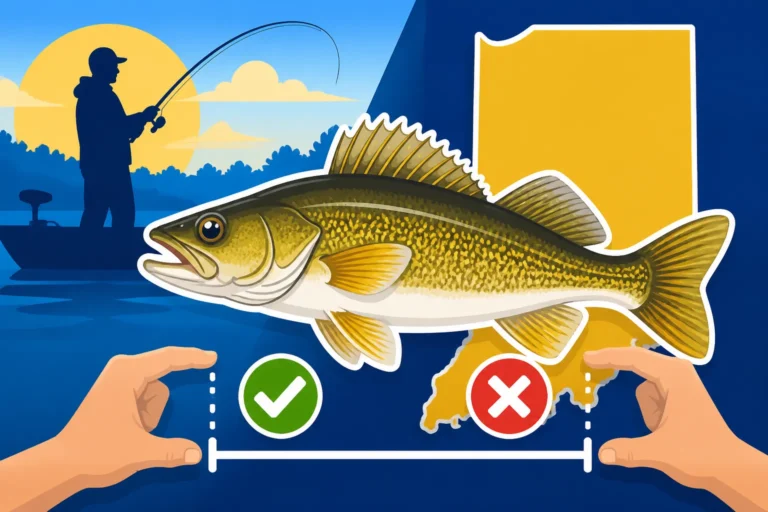
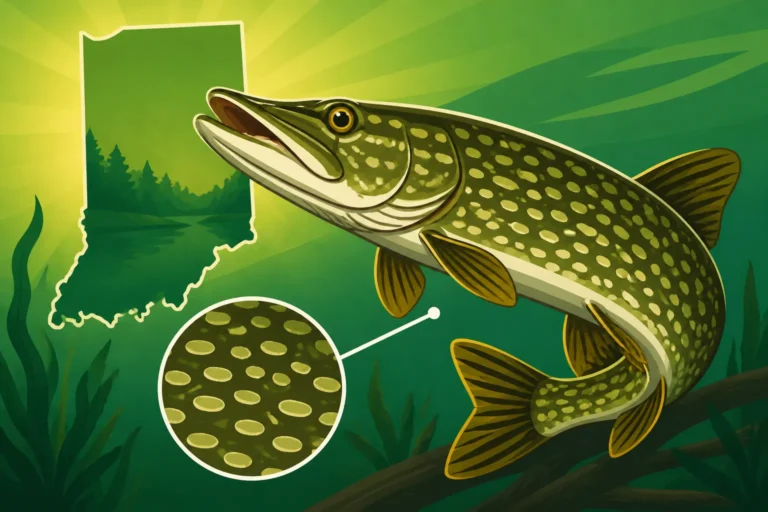
Each lake in the glacial region has its own unique characteristics, so it pays to do a bit of research on specific contour maps and recent fishing reports. However, the general strategy remains the same: target areas with prominent structure, healthy weed growth, or significant depth changes. These lakes are also known for their populations of northern pike, which can sometimes be mistaken for muskie. Knowing how to differentiate between them is helpful, both for regulations and for understanding which species you're targeting.
Essential Gear for Serious Muskie Anglers
Muskie fishing isn't like panfishing; it demands specialized gear designed to handle massive fish, heavy baits, and the sheer abuse of hundreds of casts. Investing in the right equipment isn't just about catching fish; it's about safety, efficiency, and increasing your chances of success. Cutting corners here can lead to lost fish, broken tackle, and even injury.
Rods, Reels, and Line: The Heavy-Duty Trinity
Your rod and reel setup is the foundation of your muskie arsenal. You'll need heavy-duty equipment built to withstand the strain of casting large lures and fighting powerful fish. A typical muskie rod is between 8 and 9 feet long, with a heavy or extra-heavy power rating and a fast action. This length provides the leverage needed for long casts and effective figure-eights at the boat, while the power helps control big fish. You can find a fantastic selection of these specialized rods on reputable online retailers like Amazon.
Paired with a muskie rod, a robust baitcasting reel is essential. Look for models with a high retrieve ratio, a strong drag system, and a comfortable handle. These reels need to be able to cast heavy lures repeatedly without faltering. For line, braided line with a test strength between 80 to 100 pounds is standard. Braid offers incredible strength, minimal stretch for solid hooksets, and excellent abrasion resistance, which is crucial around muskie teeth. Best Rods for Muskie Fishing
Remember, a muskie's strike can be incredibly violent, and the fight is often a test of endurance. A reel with a smooth, consistent drag is paramount to preventing break-offs, especially during those initial, powerful runs. Many anglers also carry a spare spool of line or even a backup rod and reel combo, just in case something breaks down during a hot bite. Don't forget a strong, heavy-duty fluorocarbon or wire leader, as muskie teeth will slice through regular monofilament or braid in an instant. Wire Leaders for Muskie Fishing in Indiana's Glacial Lakes
Lures and Baits: Big Baits for Big Fish
Muskie lures are notoriously large, designed to imitate the sizable forage fish that these predators target. Bucktails, spinnerbaits, crankbaits, jerkbaits, and soft plastic swimbaits are all popular choices, with many measuring 8 to 14 inches or even larger. These lures are often expensive, but their effectiveness is undeniable.
Having a diverse selection of lures is critical, as muskie can be incredibly finicky. Different conditions might call for different presentations, colors, or vibration patterns. For instance, brightly colored bucktails might be effective on sunny days, while darker, subtler crankbaits could work better in low light or stained water. Many anglers swear by the "figure-eight" technique at the boat, where you continue your lure's retrieve in a large figure-eight pattern beside the boat to entice a following muskie to strike. You can browse a huge array of these specialized lures on platforms like Amazon.
Don't be afraid to experiment with retrieve speeds and depths. Sometimes a slow, methodical retrieve is what's needed, while other times a fast, erratic burn will trigger a strike. It’s also important to ensure your hooks are razor-sharp, as muskie have hard, bony mouths. Many experienced muskie anglers replace factory hooks with stronger, sharper alternatives to improve hook-up ratios. Best Muskie Lures for Fall Fishing
Important Accessories: Safety and Handling
Beyond your rod, reel, and lures, several accessories are non-negotiable for safe and responsible muskie fishing. A large, rubberized landing net specifically designed for muskie is essential. The rubber coating protects the fish's slime coat and fins, minimizing harm during landing. Using a net is far safer for both the fish and the angler than trying to hoist a large, toothy fish directly into the boat.
You'll also need long-nosed pliers or a specialized hook remover tool to safely extract hooks from a muskie's mouth, as their teeth are incredibly sharp and can cause serious injury. A pair of heavy-duty bolt cutters or wire cutters can be a lifesaver if a hook is deeply embedded and cannot be removed, allowing you to cut the hook and release the fish quickly. A bump board or measuring tape is crucial for accurately documenting your catch length, and a good quality camera is a must for those trophy photos.
| Lake Name | Primary County | Key Features | Typical Muskie Size (inches) | State Record Link |
|---|---|---|---|---|
| Lake Wawasee | Kosciusko | Diverse habitat, weed lines, open water trolling | 36-50+ | How Big Do Muskellunge Get in Indiana Waters? |
| James Lake | Steuben | Deep holes, timber, state record producer | 40-55+ | James Lake and Indiana's State Muskie Record |
| Webster Lake | Kosciusko | Extensive weed beds, clear water, consistent action | 38-52+ | Best Muskie Lakes in Indiana's Glacial Lake District |
| Tippecanoe Lake | Kosciusko | Deep, clear, large structure, good forage base | 35-50+ | Indiana's Glacial Lake District: Home to Muskie, Pike, and Walleye |
Strategies for Success on Indiana's Muskie Lakes
Catching a muskie requires more than just casting big lures; it demands a strategic approach tailored to their behavior and habitat. Understanding when and where to find these fish, and how to present your baits effectively, can dramatically improve your odds.
Understanding Muskie Behavior and Seasonal Patterns
Muskie are highly influenced by water temperature, forage availability, and spawning cycles. In early spring, after ice-out, muskie often move to shallower bays and flats where water temperatures rise first. They may be sluggish but can be targeted with slower presentations. As the water warms into summer, they typically move to deeper, cooler water, relating to main lake points, drop-offs, and dense weed beds. This is often a good time for trolling or fishing deep structure. Best Time of Year for Muskie Fishing in Indiana
Fall is often considered the prime time for muskie fishing, as these fish begin to bulk up for winter, becoming more aggressive and feeding heavily. They will often move back into shallower areas, especially large weed flats and rock piles, making them accessible to casting anglers. This is when some of the largest muskie are caught, as they are actively pursuing large meals. Understanding these seasonal shifts is crucial for knowing where to start your search on any given lake.
Muskie also have a notorious habit of "following" lures without striking. This is where the figure-eight technique comes into play. If you see a muskie following your lure right up to the boat, don't stop reeling! Continue sweeping your rod in a large figure-eight pattern in the water beside the boat. This erratic movement can often trigger a strike from an otherwise hesitant fish.
Casting and Presentation Techniques
Muskie fishing is very much a casting game. Anglers spend hours fan-casting large baits to cover water, searching for active fish. Focus your casts on prime ambush points: the edges of weed lines, submerged timber, rock piles, drop-offs, and points. Pay attention to changes in bottom contour or structure that might concentrate baitfish, as muskie will likely be nearby.
Varying your retrieve speed and adding pauses or twitches can be effective, mimicking injured baitfish. Some days muskie want a fast, aggressive retrieve, while other days a slow, methodical pull is what tempts them. Don't be afraid to experiment until you find what they're reacting to. The retrieve itself should be consistent and controlled, ensuring your lure is working optimally. Muskie Casting Techniques
It's also important to manage your expectations. Muskie fishing is a mental game as much as a physical one. You will make countless casts without a bite, and that's perfectly normal. Every follow, every flash, every bump on your line keeps you going. That one explosive strike makes all the hard work worth it, and that's what keeps muskie anglers coming back for more.
Conservation and Catch & Release Best Practices
Due to their elusive nature, slow growth rates, and limited natural reproduction in many Indiana waters, muskie are primarily a catch-and-release species. Responsible handling is paramount to ensuring the survival of released fish and the health of the fishery. Always prioritize the fish's safety.
When you land a muskie, minimize its time out of the water. Have your camera, measuring board, and hook removal tools ready. Unhook the fish while it's still in the net or partially submerged, if possible. If you must lift the fish for a photo, support its body horizontally with two hands—one under the belly and one under the gill plate (avoiding the actual gills). Never hold a muskie vertically by its jaw, as this can severely damage its spine and internal organs. Muskellunge Fishing in Indiana: What Anglers Need to Know
After a quick photo and measurement, release the muskie gently back into the water, allowing it time to recover before swimming off. If the fish seems sluggish, hold it upright in the water and move it back and forth gently to force water over its gills until it regains its strength and swims away on its own. Every muskie released successfully is a future trophy for another angler, or for you again someday.
Disclaimer
This article is for general informational purposes only and does not constitute professional advice. Laws, prices and regulations vary by location and change over time. Consult a qualified professional for guidance on your specific situation.