Bass Lake, Wolf Lake, and Lake George Don’t Follow the Statewide Walleye Rule
You’ve got your Indiana fishing license, you’ve memorized the statewide walleye limits, feeling pretty confident about hitting the water. Then you hear about specific lakes like Bass Lake, Wolf Lake, or Lake George, and suddenly, everything you thought you knew about walleye regulations in Indiana goes out the window. It’s enough to make any angler scratch their head, wondering why these particular spots have to be so different. This guide is here to unravel that mystery and ensure you're compliant and confident when fishing these unique Indiana waters.
Unpacking Indiana's Walleye Regulations
Navigating fishing regulations can feel like trying to untangle a bird's nest of fishing line. Just when you think you've got it figured out, a special rule pops up. Indiana's walleye regulations are a prime example, with a general statewide framework that has a few crucial exceptions that every angler needs to know, especially if you're targeting those beautiful walleye in certain lakes.
Understanding the Standard Walleye Rules
For the most part, Indiana's Department of Natural Resources (DNR) sets clear, easy-to-understand rules for walleye across the state, broken down geographically by a major highway. Generally speaking, if you're fishing for walleye in lakes and reservoirs north of State Road 26, you're looking at a minimum length limit of 16 inches. This means any walleye shorter than 16 inches needs to be carefully released back into the water, ensuring it has the best chance of survival. This rule is designed to protect juvenile fish and allow them to grow to a mature size, contributing to a healthy breeding population.
If your fishing adventures take you south of State Road 26, the minimum length limit typically drops to 14 inches. This distinction often accounts for different ecological conditions, growth rates, and fishing pressures in various regions of the state. In both cases, the daily bag limit for walleye (and sauger or saugeye, combined) is usually six fish per angler. These blanket rules provide a solid foundation, and you can find more details in our comprehensive guide to Indiana Fishing Regulations and Bag Limits Guide or specific information on Walleye Minimum Length North of State Road 26 and Walleye Minimum Length South of State Road 26 in Indiana.
The Rationale Behind Specific Lake Rules
So, why would specific lakes deviate from these otherwise consistent rules? It's not just to keep anglers on their toes, I promise! These exceptions are carefully crafted management tools, often implemented to address unique challenges or opportunities within a particular fishery. Lakes can have different forage bases, varying water temperatures, unique genetic strains of fish, or face different levels of fishing pressure. When the DNR identifies that a standard statewide regulation isn't serving the best interests of a specific lake's walleye population, they'll implement a special rule.
For instance, a smaller minimum length limit might be put in place if a lake's walleye are naturally smaller or if the goal is to reduce competition among a dense population of smaller fish, encouraging faster growth for the remaining ones. Conversely, a protected slot limit, where fish within a certain size range must be released, aims to protect prime spawning-age fish, ensuring they contribute to future generations before being harvested. These site-specific rules are vital for maintaining ecological balance and providing sustainable fishing experiences, though they do require anglers to be extra vigilant and informed.
Special Walleye Regulations in Select Indiana Lakes
Now, let's get down to the nitty-gritty of those specific lakes that march to the beat of their own drum when it comes to walleye limits. For anglers heading to Bass Lake, Wolf Lake, or Lake George, forgetting these unique rules could turn a great day into a frustrating one, possibly even leading to a citation. It's truly important to know the details before you cast your line.
Bass Lake's Walleye Length Limit Exception
Bass Lake, nestled in Starke County, is a beautiful natural lake that offers some fantastic fishing opportunities, but it's one of those places where you can't just rely on the statewide walleye rules. While Bass Lake is geographically north of State Road 26, where the standard minimum length is 16 inches, the walleye here have a different story. For Bass Lake, the minimum length limit for walleye is set at 14 inches. This means you can keep walleye that are 14 inches or longer, provided you don't exceed the daily bag limit.
This specific adjustment for Bass Lake is often due to localized fishery management goals. Perhaps the growth rates of walleye in Bass Lake differ from other northern Indiana lakes, or there's a specific management strategy in place to encourage a healthier population structure. It's a prime example of how local conditions dictate local rules. So, before you load up your gear, remember this crucial detail; a 15-inch walleye you might have to release elsewhere north of SR 26 is a keeper at Bass Lake. This is specifically covered in more detail in our article on Bass Lake Walleye Length Limit Is Different From the Rest of the State.
Wolf Lake: A Unique Walleye Rule in Lake County
Wolf Lake, straddling the Indiana-Illinois border in Lake County, is another intriguing case. This urban fishery, easily accessible from cities like Hammond and Gary, presents its own set of challenges and opportunities for walleye management. Just like Bass Lake, Wolf Lake also falls within the "north of State Road 26" region, which would typically imply a 16-inch minimum length limit for walleye. However, Wolf Lake also has a special, reduced minimum length limit of 14 inches for walleye.
This exception for Wolf Lake might be influenced by its unique urban environment, its connection to a multi-state fishery, or specific stocking programs and habitat conditions. Anglers visiting Wolf Lake should always be aware that they can legally harvest walleye measuring 14 inches or more, up to the standard daily bag limit. This slight deviation from the typical northern Indiana rule makes it imperative for anglers to double-check local signage or the latest DNR regulations, perhaps even investing in an accurate measuring tape easily found on Amazon to be sure of their catch's length. Understanding this nuance is key to a successful and legal fishing trip to this vibrant border lake. You can learn more about this exception by reading Wolf Lake Walleye Length Exception in Lake County.
Lake George's Distinct Walleye Slot Limit
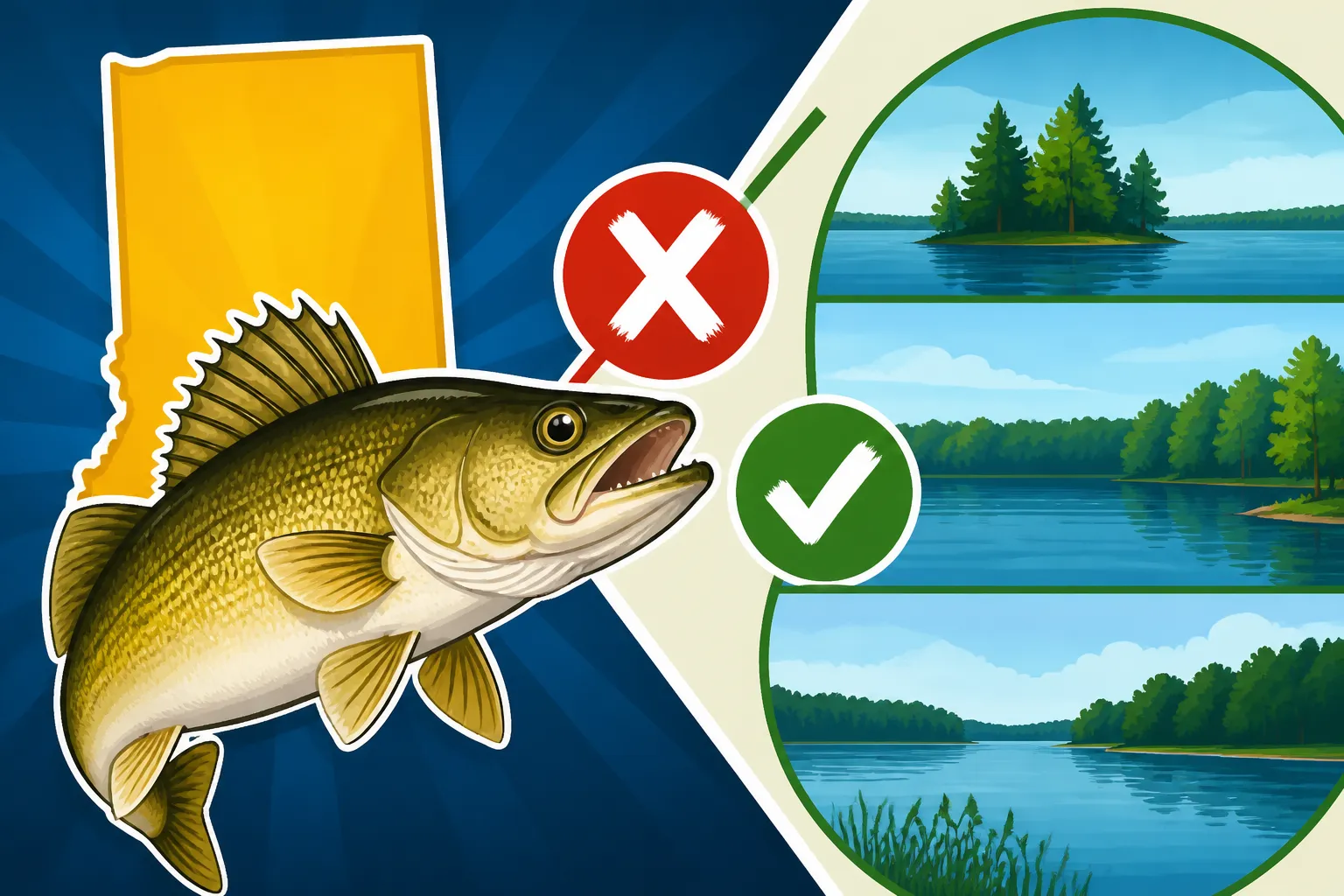
Now, Lake George in Steuben County throws an entirely different curveball into the mix with its walleye regulations. Unlike Bass Lake and Wolf Lake, which simply have a reduced minimum size, Lake George implements a protected slot limit. This is a common conservation tool that aims to protect the most productive breeding-age fish. For Lake George, the rule states that walleye between 15 and 20 inches in length must be immediately released. You can keep walleye under 15 inches, and you can keep two walleye over 20 inches, as long as your total daily bag limit of five walleye is not exceeded.
This slot limit is often put in place to ensure that a healthy population of mature, spawning walleye remains in the lake to reproduce, leading to a more robust and sustainable fishery for years to come. It’s a bit more complex than a simple minimum length, and it requires anglers to be very precise with their measurements. Imagine catching a beautiful 18-inch walleye; statewide, it's a prize, but at Lake George, it's a mandatory release. This is why having a reliable measuring device and understanding the Lake George Walleye Minimum Length in Steuben County details are absolutely critical. This approach helps maintain the quality of fishing for trophy-sized walleye while ensuring the species continues to thrive in the lake.
Navigating These Specific Regulations
Understanding these distinct rules is one thing, but practically applying them on the water is another. Anglers often face real-time decisions, and being prepared can make all the difference between a compliant and enjoyable trip and a stressful one.
Practical Steps to Stay Compliant
Staying compliant when fishing these special regulation lakes requires a proactive approach. First and foremost, before you even leave your driveway, always check the most current Indiana DNR fishing guide or their website. Regulations can change, and what was true last year might not be this year. Look for specific lake entries under the walleye section. Secondly, invest in a reliable measuring device. A flat, accurate measuring board is ideal, allowing you to quickly and precisely measure your catch while minimizing its time out of the water. Many excellent options are available from retailers like Amazon, ensuring you have the right tool for the job.
Third, especially with a slot limit like Lake George’s, know your limits before you go. Don't wait until you have a fish in the boat to try and remember the exact numbers. Consider printing out the relevant section of the regulations or saving it on your phone for quick reference. When you do catch a fish, handle it carefully, measure it quickly, and if it's a mandatory release, do so gently. Being prepared not only keeps you legal but also contributes to the health of the fishery.
Consequences of Not Knowing the Rules
Ignorance of the law is never an excuse, especially when it comes to fishing regulations. The consequences for violating fishing regulations in Indiana can range from a warning to significant fines and even forfeiture of your fishing equipment. Imagine the frustration of spending a day catching walleye at Bass Lake, only to have a conservation officer inform you that half your catch is illegal because you were following the statewide 16-inch rule instead of the 14-inch lake-specific rule. The fines can add up quickly, making that prized catch a very expensive mistake.
Beyond the legal and financial penalties, violating regulations can also impact the sustainability of the fishery itself. Special regulations, whether they're minimum lengths or slot limits, are put in place for a reason – to protect the fish population and ensure future generations of anglers can enjoy the same opportunities. Carelessly keeping undersized or slot-limit fish undermines these conservation efforts. It's a stark reminder that responsible angling involves more than just catching fish; it also means playing by the rules that protect our natural resources. For more on the potential repercussions, you might want to review Penalties and Fines for Fishing Without a License.
Comparison of Walleye Regulations
To make things a little clearer, here’s a quick overview of how these specific lake regulations compare to the general statewide rules. This table can be a handy reference as you plan your next walleye adventure in Indiana.
| Lake/Area | Location | Minimum Length Limit | Protected Slot Limit | Maximum Length Limit | Daily Bag Limit |
|---|---|---|---|---|---|
| Statewide (North of SR 26) | Most Northern Indiana Lakes/Rivers | 16 inches | None | None | 6 fish (Walleye, Sauger, Saugeye combined) |
| Statewide (South of SR 26) | Most Southern Indiana Lakes/Rivers | 14 inches | None | None | 6 fish (Walleye, Sauger, Saugeye combined) |
| Bass Lake | Starke County | 14 inches | None | None | 6 fish |
| Wolf Lake | Lake County (IN/IL border) | 14 inches | None | None | 6 fish |
| Lake George | Steuben County | None (see slot) | 15-20 inches (must release) | None (two fish over 20" allowed) | 5 fish |
Note: Always verify current regulations with the Indiana DNR as rules can change.
Essential Gear and Local Wisdom for Walleye Success
Once you've got the regulations down, it's time to think about what you'll need to maximize your chances of success on these unique walleye waters. Beyond your Indiana fishing license, a few key pieces of gear and a dash of local knowledge can go a long way.
Must-Have Gear for Regulation Compliance
When you're dealing with precise length limits, especially slot limits, accuracy is paramount. First, as mentioned, a sturdy and reliable measuring device is non-negotiable. Don't rely on a flimsy tape measure or the markings on your rod. A flat, rigid measuring board, often made of plastic or treated wood, will give you the most accurate read. You can find a wide array of options for a measuring board or even a portable digital scale, if you’re into tracking weight, on Amazon, making it easy to prepare before your trip. Having these tools readily available ensures you can quickly measure your catch, abide by the rules, and get any released fish back into the water promptly.
Second, consider a good pair of fishing gloves. Walleye have sharp dorsal fins and gill plates that can easily cut your hands, especially when you're trying to quickly and safely measure and release a fish. Gloves protect you and allow for a more secure grip, which is beneficial for the fish. Lastly, if you’re practicing catch-and-release for slot limits or undersized fish, a good pair of long-nosed pliers or a de-hooking tool can be invaluable for removing hooks quickly and cleanly, further increasing the fish's survival chances.
Leveraging Local Knowledge and Resources
Local knowledge is truly a goldmine when fishing a specific lake, especially one with unique regulations. Don't be shy about striking up a conversation with anglers at the boat ramp, local bait shops, or even online fishing forums dedicated to Indiana fishing. These resources can provide invaluable insights into current fishing conditions, hot spots, and any nuances of the regulations that might not be immediately obvious in a printed guide. For instance, a bait shop owner might tell you that the walleye are currently biting best on specific lures or at certain depths in Bass Lake, or give you tips for handling those slot-limit fish at Lake George.
Additionally, checking local DNR reports or lake-specific stocking information can offer clues about why certain regulations are in place. For example, learning about a recent walleye stocking program might explain a particular length limit aimed at giving those young fish a chance to mature. Understanding the "why" behind the rule can often help you remember the "what" and even improve your fishing strategy. For broader context, our guide to Indiana Walleye Fishing: A Complete Guide is a great starting point, but always supplement it with the very latest information for your chosen specific lake.
Disclaimer: Fishing regulations are subject to change. Always consult the official Indiana Department of Natural Resources (DNR) website or the latest printed fishing guide before heading out on the water to ensure you have the most current information.