Best Time to Bass Spawn in Indiana
Missing that explosive bass bite when they’re aggressive and hungry can be incredibly frustrating for any angler, especially after you've put in the time and effort. You might find yourself wondering if you're just a little too early or a little too late. This comprehensive guide will walk you through everything you need to know about the crucial bass spawn timing in Indiana, helping you pinpoint those peak windows and significantly boost your chances of a successful outing.
Understanding the Bass Spawn Cycle in Indiana
The bass spawn isn't just a single event; it's a multi-stage process that plays out over several weeks, even months, depending on various factors. Each stage presents unique opportunities and challenges for anglers. Understanding these distinct phases – pre-spawn, peak spawn, and post-spawn – is absolutely essential for tailoring your approach and maximizing your success on Indiana's diverse waters.
Pre-Spawn: The Energetic Feeding Frenzy
Ah, pre-spawn. This is often hailed as one of the most exciting times to fish for bass, and for good reason. As winter's chill begins to recede and water temperatures slowly climb, largemouth and smallmouth bass shake off their cold-weather lethargy. Their biological clocks start ticking, signaling that it's time to pack on calories in preparation for the energy-intensive spawning ritual ahead. They're moving from deeper, wintering grounds towards shallower, warmer areas, often staging on secondary points, creek channels, or the outer edges of flats.
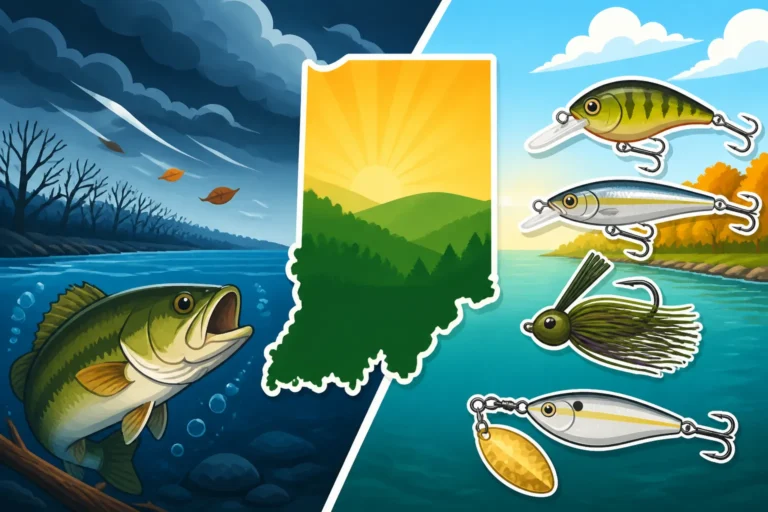
During this period, bass are incredibly active and aggressive feeders. They're not just nibbling; they're looking for substantial meals to fuel their bodies. This means they’ll readily chase down larger baits and lures. Think about throwing reaction baits like lipless crankbaits, jerkbaits, and spinnerbaits. You can really cover a lot of water with these, searching for those active fish. This is when you can often catch some of the biggest bass of the year because they're at their heaviest weight before they expend all that energy on spawning. They're feeling the urge to reproduce, but they haven't committed to their nests yet, so they're all about eating. This window usually begins when water temperatures consistently hit the low 50s Fahrenheit.
The Peak Spawn: Nesting and Reproduction
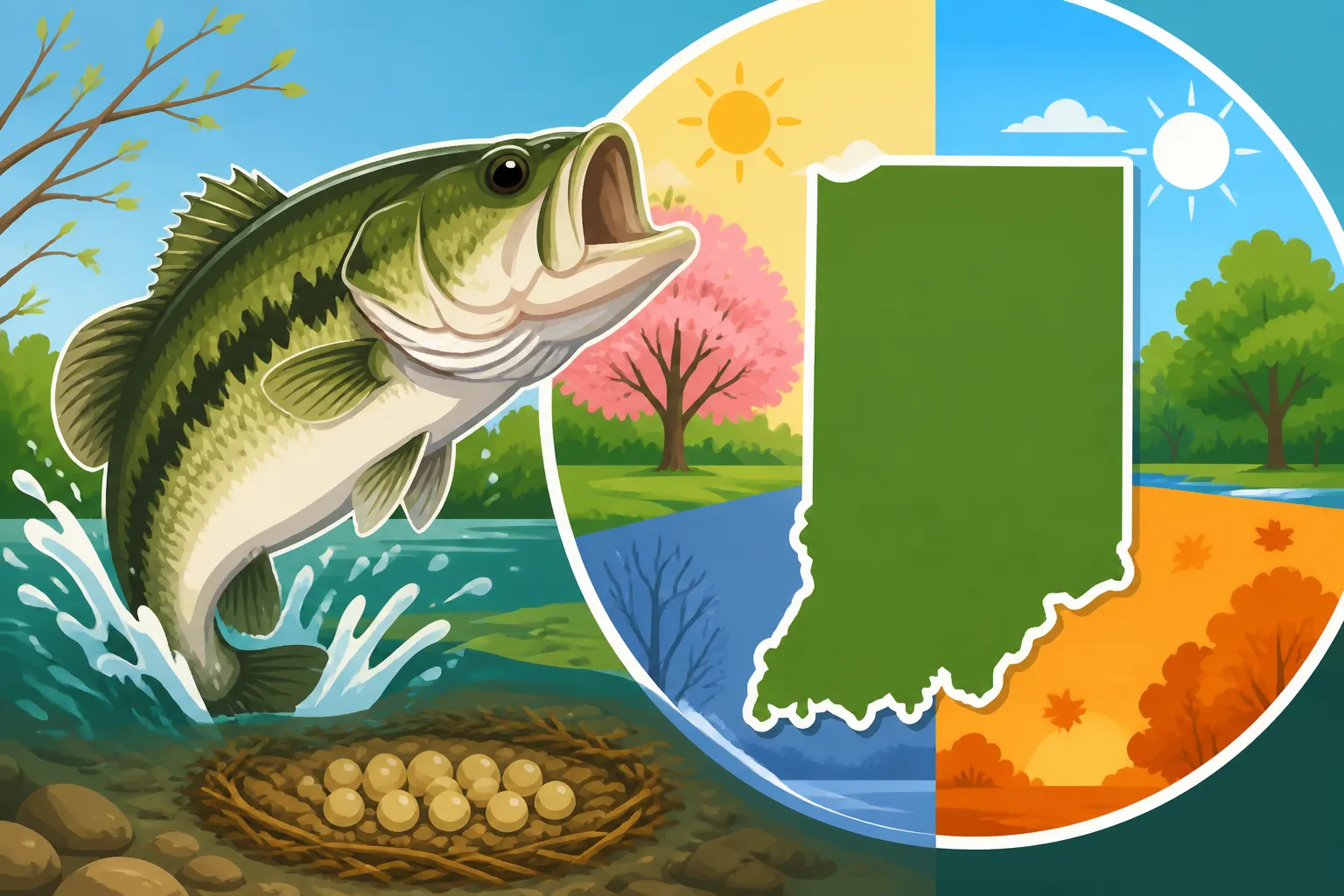
This is what most people picture when they think of "the spawn." Once water temperatures stabilize in the mid-50s to low 60s Fahrenheit, bass move onto their shallow spawning beds. For largemouth, this often means quiet, protected coves, lily pad fields, or areas with submerged timber and brush. Smallmouth might choose rocky points, gravel beds, or hard bottoms in slightly deeper, more exposed areas. The males typically arrive first, clearing out circular nests with their tails, often referred to as "beds." Once a nest is prepared, a female will join him, lay her eggs, and then often retreat back to slightly deeper water. The male then guards the nest diligently, fanning the eggs to keep them clean and oxygenated, and aggressively chasing away any perceived threats.
Fishing during the peak spawn can be a bit more nuanced. The bass are still catchable, but their motivation has shifted. They're not necessarily feeding out of hunger as much as they are out of pure territorial aggression. This means you need to be very precise with your presentations. Flipping and pitching soft plastics like creature baits, jigs, or senkos directly onto a bed can trigger a strike. The goal is to annoy the bass into striking, rather than tempting them with a meal. However, many anglers practice catch-and-release during this sensitive period to allow successful reproduction. Remember that Indiana has a Combined Bass Limit for Indiana Lakes and Rivers you'll need to follow.
Post-Spawn: Recovery and Transition
After the arduous process of spawning, both male and female bass need a period of recovery. The females, especially, are often quite depleted and thin, having expended massive amounts of energy laying eggs. They'll typically move to nearby deeper water, often to structures like submerged brush piles, ledges, or channel swings, where they can recuperate and find easy meals. The males will stay on the beds a bit longer, guarding the fry until they disperse, then they too will begin their recovery.
This post-spawn period, which usually sees water temperatures climbing into the mid-60s and 70s, can sometimes be challenging for anglers because the fish are not always as aggressive or concentrated as they were during pre-spawn. However, as they regain strength, they'll start feeding more actively again, though perhaps not with the same reckless abandon as in pre-spawn. Look for bass relating to transition areas – edges of flats, points leading to deeper water, or cover where they can ambush baitfish. Topwater lures, worms, and slow-moving crankbaits can be effective as bass transition into their summer patterns. Knowing how to adapt your strategy for Bass Post-Spawn Patterns in Indiana is key to continued success.
Key Factors Influencing Indiana's Bass Spawn Timing
While the general sequence of the bass spawn remains consistent, the exact timing can fluctuate quite a bit from year to year and even from lake to lake. Ignoring these influencing factors is like trying to guess the winning lottery numbers – you might get lucky, but you're better off understanding the odds.
Water Temperature: The Ultimate Trigger
Without a doubt, water temperature is the single most critical factor in determining when bass will spawn in Indiana. Bass are cold-blooded creatures, and their metabolic rate, activity levels, and reproductive urges are directly tied to the water around them. They won't initiate spawning until the water reaches a specific comfort zone.
For largemouth bass, the ideal spawning temperature range generally falls between 60 to 70 degrees Fahrenheit. However, they'll start making their moves into shallower water for pre-spawn activities once temperatures consistently hit the low to mid-50s. Smallmouth bass often prefer slightly cooler water, typically spawning when temperatures are between 55 and 65 degrees Fahrenheit. It's not just about hitting that magic number once, though; it’s about stable, rising temperatures. A sudden cold front can halt the spawn in its tracks, sending bass scattering back to deeper, more stable water until conditions improve. This is why paying close attention to daily water temperature readings is far more important than just the air temperature. Many anglers use a portable temperature gauge, which you can easily find on sites like Amazon, to get accurate readings throughout their fishing day. For a deep dive into this, check out our guide on the Best Water Temperature for Bass Fishing in Indiana.
Here's a quick look at the typical water temperature ranges for each stage:
| Spawn Stage | Water Temperature Range (Fahrenheit) | Bass Behavior | Prime Lure Types |
|---|---|---|---|
| Pre-Spawn | 50-59°F | Aggressive feeding, moving to staging areas | Lipless crankbaits, jerkbaits, spinnerbaits, jigs |
| Peak Spawn | 60-70°F | Nesting, guarding beds, territorial strikes | Soft plastics (worms, creature baits), jigs, topwater |
| Post-Spawn | 65-75°F | Recovering, scattering, feeding less aggressively initially | Topwater, worms, crankbaits, swimbaits |
Photoperiod and Moon Phases
While water temperature is the primary trigger, other environmental cues also play a role, albeit a secondary one. Photoperiod, or the length of daylight hours, is a fundamental signal for all living things that the seasons are changing. As the days lengthen in spring, it reinforces the warming water trend and tells bass that it's time to reproduce. You might notice that even if there's a warm spell in February, bass aren't usually spawning then because the days are still too short.
Moon phases are another factor that many seasoned anglers swear by. While not as universally accepted as water temperature, some studies and anecdotal evidence suggest that major spawning pushes often occur around the full moon or new moon cycles in spring. The increased gravitational pull of these moon phases can create subtle currents or tidal influences that might trigger fish activity. Moreover, brighter moonlit nights during a full moon can allow male bass to continue their nest-building and guarding duties under cover of darkness, potentially extending their active periods. Keeping an eye on a lunar calendar in conjunction with your water temperature readings can give you an extra edge.
Weather Conditions and Their Impact
Indiana weather, as any resident knows, can be incredibly fickle, especially in spring. A beautiful stretch of warm, sunny days can quickly be followed by a sharp cold front, heavy rains, or even a late-season snow flurry. These dramatic shifts can significantly impact the bass spawn. A sustained period of warm, stable weather allows water temperatures to rise gradually and stay within the optimal spawning range, encouraging bass to commit to their beds.
Conversely, a sudden cold front can be a real buzzkill. It can drop water temperatures several degrees, pushing bass off their shallow beds and back into deeper, more stable water. They might suspend near cover or simply become lethargic and less willing to bite. Heavy rains can also muddy up the water, reduce visibility, and quickly drop water temperatures, especially in shallower areas. Bass rely on sight for much of their feeding and territorial defense, so murky water can make them less active on the beds. Wind also plays a role; strong winds can stir up shallow areas, drop water temps, and make it difficult for bass to maintain their nests. Paying attention to the 5-day forecast, not just the current day's weather, is crucial for planning a successful spawn-focused fishing trip.
Regional Differences in Indiana Bass Spawning
Indiana is a surprisingly diverse state geographically, and this diversity means that the bass spawn doesn't happen uniformly across all its waters. From the deep glacial lakes of the north to the reservoirs and river systems of the south, understanding these regional nuances can be the difference between a frustrating day and a fantastic one.
Southern Indiana Lakes vs. Northern Indiana Lakes
There's a noticeable north-south gradient when it comes to the bass spawn in Indiana. Generally speaking, bass in Southern Indiana's lakes and reservoirs will start their spawning activities earlier than those in the northern part of the state. This is simply due to warmer average temperatures. Lakes like Monroe Lake: Indiana's Largest Lake for Bass Fishing and Patoka Lake Fishing Guide for Bass and Crappie in southern Indiana often see pre-spawn activity beginning in late March or early April, with the peak spawn occurring in late April through mid-May.
As you move north, towards the glacial lakes of Kosciusko and Steuben counties, such as Lake Wawasee: Indiana's Largest Natural Lake, the water takes longer to warm up after winter. Here, pre-spawn might not really kick into high gear until mid-April, with the peak spawn often happening in May, sometimes extending into early June, especially after a cooler spring. These northern lakes are typically deeper and can retain winter's chill longer, delaying the thermal trigger for bass. When planning your fishing trip, always consider the specific region of Indiana you'll be visiting, as a week or two difference in timing can make all the difference.
River Systems and Their Unique Spawn Patterns
Fishing river systems for bass during the spawn presents a different set of challenges and opportunities compared to lakes. Rivers tend to warm up and cool down faster than large lakes, but they are also much more susceptible to fluctuations from rainfall and current. Bass in rivers will also seek out calmer, protected areas for spawning, often in oxbows, backwaters, slow-moving eddies, or tributary mouths where the current is minimal.
The spawn in river systems like the Fishing the Wabash River in Indiana or the Fishing the White River in Indiana might start slightly earlier than nearby lakes if the river warms quickly, but it can also be interrupted more severely by heavy spring rains that cause the river to swell, muddy, and cool down rapidly. These conditions can push bass out of their shallow spawning grounds until water levels recede and clarity improves. Anglers often find success by focusing on protected coves or sloughs connected to the main river, or by targeting structure in slightly deeper, calmer areas when the main river is high and fast. The key here is adaptability and paying close attention to river levels and clarity reports, not just temperature.
Smaller Ponds and Their Earlier Spawns
Don't overlook the myriad of smaller farm ponds, private lakes, and public access ponds scattered across Indiana. These smaller bodies of water are often the first to warm up in the spring. Their shallower depths and smaller volume mean they absorb solar radiation much more quickly than large lakes or rivers. As a result, bass in these smaller waters often enter the pre-spawn and peak spawn phases earlier than their counterparts in bigger lakes.
You might find bass on beds in a small pond a week or even two weeks before they show up on the main lake nearby. This can be a huge advantage for anglers eager to get an early start on the spawn bite. These ponds can offer excellent opportunities for bank fishing or kayak fishing, providing less crowded access to eager pre-spawn and spawning bass. It’s a great chance to hone your skills and catch some quality fish before the larger lakes hit their prime. Always check local regulations, as some private ponds might have specific rules or require permission.
Maximizing Your Success During the Indiana Bass Spawn
Knowing when the bass spawn is happening is only half the battle; knowing how to fish it effectively is the other. Each stage requires a tailored approach, from lure selection to presentation, and always with an eye toward ethical angling.
Best Lures and Techniques for Each Stage
-
Pre-Spawn: This is the time for aggressive presentations. Since bass are bulking up, they're not shy about chasing down a meal.
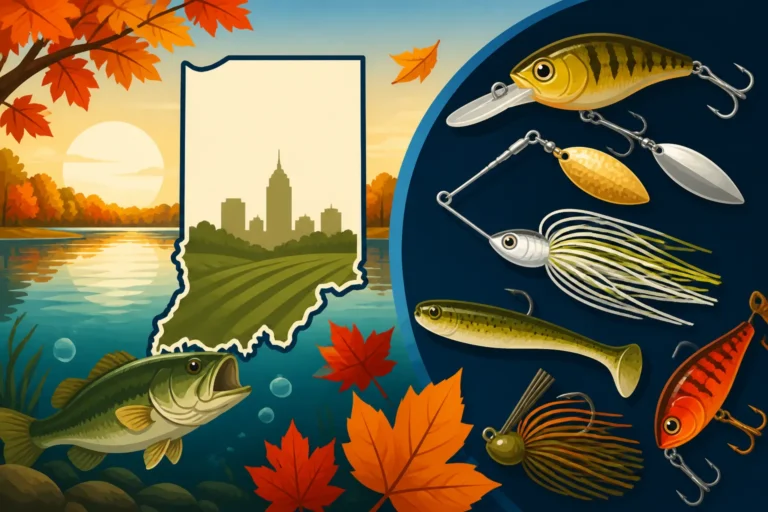
- Reaction Baits: Lipless crankbaits (e.g., Strike King Red Eye Shad), jerkbaits (e.g., Rapala X-Rap), and spinnerbaits are fantastic for covering water and triggering strikes from active, hungry bass. Cast them near points, channel swings, and the edges of flats where bass are staging.
- Jigs: Flipping and pitching jigs with craw or creature bait trailers into submerged wood, rock piles, or docks can entice larger, lethargic bass that are still tucked away in cover.
- A-Rigs: In open water, a well-rigged A-rig (umbrella rig) can be deadly, mimicking a school of baitfish that pre-spawn bass can't resist.
- For more detailed advice, check out Best Bass Fishing Techniques for Pre-Spawn.
-
Peak Spawn: During this period, bass are focused on reproduction and guarding their nests. They're more territorial than hungry.
- Sight Fishing: If the water is clear, you can often spot bass on their beds. Cast soft plastics like Texas-rigged worms, creature baits, or senkos directly into the nest. Let the bait sit there and twitch it subtly. The goal is to annoy the bass into moving the "intruder."
- Jigs and Pitched Baits: Even if you can't see the beds, pitching jigs or weedless soft plastics into shallow cover (lily pads, cattails, brush) where bass are likely to spawn can be effective.
- Topwater (for aggressive males): Sometimes, an aggressive male bass guarding a nest will absolutely smash a topwater frog or popper that comes too close. This is less about feeding and more about perceived threat.
- Be mindful of ethical angling. Catching and releasing bass directly off beds can stress them and potentially leave eggs vulnerable. Consider focusing on pre-spawn or post-spawn for higher catch rates with less impact.
-
Post-Spawn: As bass recover, they'll gradually resume active feeding, but often in slightly deeper water or around different types of cover.
- Topwater Lures: Early mornings and late evenings are prime times for topwater baits like walking baits (e.g., Heddon Super Spook) or poppers as bass look for easy meals near the surface.
- Plastic Worms and Jigs: Texas-rigged or Carolina-rigged worms and jigs fished along ledges, brush piles, and points can tempt recovering bass that are congregating around structure.
- Crankbaits and Swimbaits: Medium-diving crankbaits and soft swimbaits are excellent for covering water and enticing bass that are chasing baitfish.
- Many anglers also find that the Best Bait for Largemouth Bass in Indiana Lakes during this period can often include live bait like shiners or large minnows, as bass seek easy, protein-rich meals. You can find a wide variety of these lures and essential gear on platforms like Amazon, ensuring you're prepared for any stage of the spawn. For specific gear recommendations, you might find our guide on the Best Rods and Reels for Indiana Largemouth Bass helpful.
Ethical Angling Practices During the Spawn
Fishing during the bass spawn, particularly when fish are on their beds, brings up important ethical considerations. While it is generally legal to fish for bass during the spawn in Indiana (always check current DNR regulations, which are usually covered by your Indiana Fishing License Requirements Explained), many anglers choose to modify their approach to minimize stress on the fish and ensure successful reproduction.
- Catch and Release: If you are targeting bedding bass, practicing immediate and careful catch and release is paramount. Avoid prolonged fights that exhaust the fish, and handle them as little as possible. Get a quick photo if you must, and then release them gently back to their nest.
- Minimize Disturbance: Try not to repeatedly cast to the same bedding fish if it's overly stressed or refusing to bite. If a fish takes a long time to return to its nest after release, it might be better to move on.
- Consider Pre- and Post-Spawn: Some anglers choose to avoid targeting bedding bass altogether, preferring to focus on the pre-spawn or post-spawn periods when fish are actively feeding and not tied to their reproductive duties. These periods often offer fantastic fishing with less impact on the overall population.
- Report Poaching: If you observe illegal fishing practices or excessive harvesting of bedding fish, report it to the Indiana Department of Natural Resources (DNR). Protecting our fisheries is a collective responsibility.
Planning Your Fishing Trip
Preparation is key to a successful bass spawn fishing trip. Don't just show up to the lake hoping for the best; put in a little homework!
- Monitor Conditions: Continuously check water temperature reports (many state parks, local bait shops, or online forums provide this), weather forecasts, and river levels if you're fishing moving water. Look for stable, rising temperatures and clear conditions.
- Scout Locations: Before the spawn, or even during early pre-spawn, take some time to scout potential spawning areas. Look for shallow, protected coves, flats with submerged vegetation, or rocky points. Using polarized sunglasses can help you spot potential beds or cruising fish.
- Have a Backup Plan: Indiana weather can change rapidly. If a cold front moves in or heavy rains muddy the water, have a backup plan. This might mean shifting to deeper-water techniques, changing locations to a less affected area, or targeting a different species altogether.
- Know the Rules: Always have your Indiana Fishing License Requirements Explained up to date and understand the current Indiana Fishing Regulations and Bag Limits Guide for the specific body of water you're fishing. Even if you're planning on catch and release, knowing the rules is part of being a responsible angler.
- Pack Accordingly: Ensure your tackle box is stocked with a variety of baits for different stages of the spawn. Don't forget essentials like a good pair of pliers, line cutters, a measuring tape, and a camera. You can find a vast selection of these items and more on Amazon, often with helpful reviews from other anglers.
Disclaimer
Please note that fishing conditions and regulations can change. Always consult the latest Indiana Department of Natural Resources (DNR) regulations before heading out on the water. This guide is for informational purposes only and should not replace official state publications.