Indiana’s Top Lakes for Trophy Northern Pike
For many anglers in Indiana, the dream of battling a true trophy Northern Pike feels like a distant fantasy, often overshadowed by the pursuit of bass or walleye. But I'm here to tell you that Indiana's waters hold some incredible opportunities for landing those toothy giants, especially if you know where to look and what to expect. This guide is dedicated to revealing Indiana's top lakes where you stand the best chance of encountering a formidable Northern Pike that will test your tackle and make for an unforgettable fishing story.
Understanding Northern Pike in Indiana's Waters
Northern Pike are a thrilling species to target. Their aggressive strikes, powerful runs, and sharp teeth make them a formidable opponent, and finding a truly large one can be a real challenge and an even bigger reward. In Indiana, these magnificent fish primarily inhabit the cooler, clearer waters of the northern half of the state, particularly the deep, glacial lakes left behind by ancient ice sheets.
The Allure of Northern Pike for Indiana Anglers
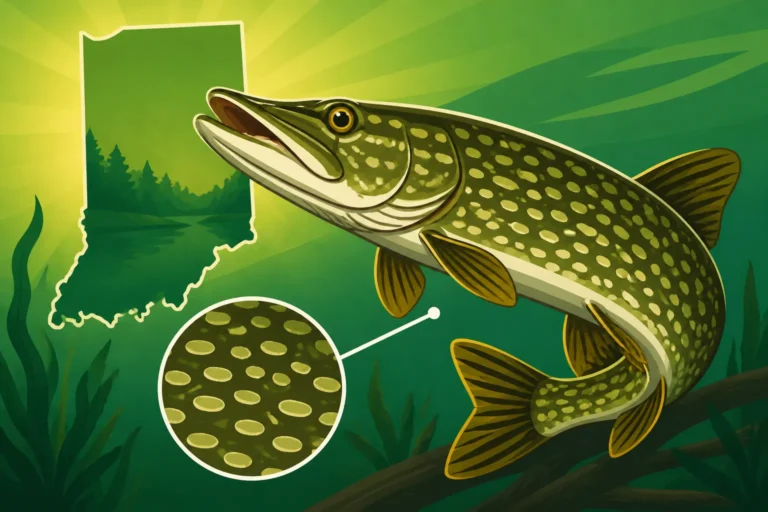
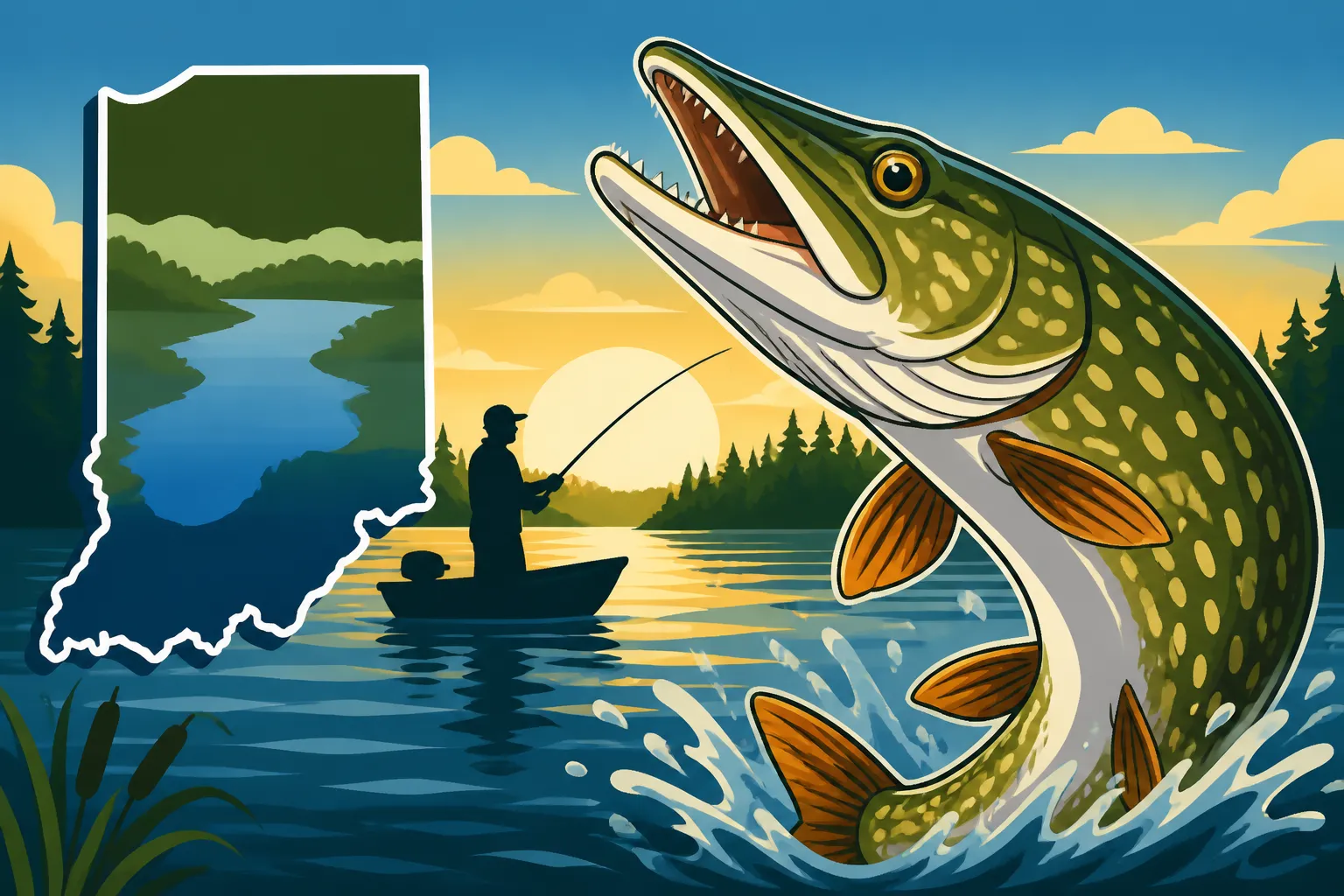
There's just something about a Northern Pike that gets an angler's blood pumping. They're often seen as the ultimate freshwater ambush predator, lying in wait in weed beds or near submerged structure, ready to explode on unsuspecting prey. Their elongated, torpedo-shaped bodies and duckbill snouts, lined with rows of razor-sharp teeth, are unmistakable. For me, the thrill isn't just in the fight, but in the sheer predatory nature of the fish. They're cunning, powerful, and when you hook into a big one, you know you've earned it. Pike fishing offers a unique excitement, a blend of strategy and adrenaline that keeps me coming back. You can learn more about these fascinating fish in our comprehensive guide, Northern Pike Fishing in Indiana: A Complete Guide.
What Makes a Northern Pike a "Trophy" Catch?
What constitutes a "trophy" Northern Pike can be subjective, but generally, anglers in Indiana consider a pike over 30 inches to be a very respectable catch, and anything pushing 36 inches or more is truly a trophy-class fish. Pike of this size have often survived many seasons, outsmarting countless anglers and predators, and they represent a true achievement. These larger fish are typically females, carrying years of wisdom and brute strength. While smaller "hammer handles" (younger, smaller pike) are fun to catch, it's the sheer size and power of a trophy pike that leaves a lasting impression. Their vibrant green and yellow markings, often with a distinct pattern of light spots on a darker body, become even more pronounced on these mature fish. If you're unsure about identifying your catch, check out Northern Pike Identification: Light Spots on a Dark Body for helpful tips.
Prime Northern Pike Lakes in Indiana's Glacial Region
If you're serious about targeting trophy Northern Pike in Indiana, your compass needs to point north. The state's northernmost counties are home to dozens of natural, glacially-formed lakes that provide the perfect habitat for these cold-water predators. These lakes typically feature deeper waters, clear visibility, and abundant weed beds and submerged structure – all prime real estate for big pike.
Kosciusko County: The Pike Angler's Paradise
Kosciusko County, often referred to as "Lake Country," is arguably the crown jewel for Northern Pike fishing in Indiana. This county boasts a remarkable concentration of lakes, many of which are interconnected, offering extensive pike habitat.
- Lake Wawasee: As Indiana's largest natural lake, Wawasee is a prime location for trophy pike. Its vastness, diverse depths, and extensive weed lines make it ideal. Anglers often find success targeting pike in the deeper channels and along the edges of the expansive flats. I've spent countless hours navigating its waters, and while it can be busy, the rewards are often worth the effort. The pike here are well-fed and can grow to impressive sizes, offering a thrilling challenge.
- Webster Lake: Located near North Webster, Webster Lake is another fantastic pike fishery. It's known for producing some truly monstrous pike, with its deep sections and abundant cover. This lake has a fantastic reputation among dedicated pike anglers. You'll find active fish around the sunken islands and deeper weed edges.
- Tippecanoe Lake: As the deepest natural lake in Indiana, Tippecanoe Lake provides excellent cold-water habitat for pike, especially during the warmer months when they retreat to cooler depths. Look for them around submerged humps and where deep water meets cover. The sheer size of this lake means there's a lot of water to explore, and patience is key, but the potential for a giant is definitely there.
These lakes are consistently mentioned in angler circles for their strong pike populations. For more detailed information, consider checking out Kosciusko County's Best Lakes for Northern Pike.
Steuben County: Abundant Waters and Big Pike Potential
Just to the east of Kosciusko, Steuben County offers another fantastic collection of glacial lakes that are well worth exploring for Northern Pike. This area is equally rich in prime pike habitat.
- Lake James: Part of the large Chain O' Lakes system, Lake James is a popular destination that also holds a solid population of pike. Its diverse structure, including points, drop-offs, and plenty of weed growth, creates excellent ambush points for pike. Early mornings and late evenings around sparse weeds can be particularly productive.
- Lake George: This smaller but deeper lake has a reputation for clear water and good pike numbers. It might not be as vast as Wawasee, but its concentrated habitat can make locating pike a bit more manageable for those who prefer smaller, quieter waters. Look for transitions where deep water meets shallower flats with vegetation.
- Snow Lake & Crooked Lake: These are other excellent options in Steuben County, part of interconnected systems that allow pike to move and thrive. These lakes offer similar conditions to James and George, with clear water and ample cover for these ambush predators. Anglers targeting walleye in Steuben County often encounter pike as a bonus, so keep an eye out even if that's not your primary target. For more on the area, take a look at Steuben County Lakes for Walleye Fishing.
Other Notable Glacial Lakes and River Systems for Pike
While Kosciusko and Steuben counties are heavy hitters, don't overlook other areas. The impact of glaciation created many smaller, yet equally productive, lakes scattered across northern Indiana.
- Lake Maxinkuckee (Marshall County): This is another large, deep, natural lake with a well-established pike population. It offers diverse structure, and the pike here are known for their strong fight.
- Sylvan Lake (Noble County): A great option for anglers looking for a slightly less pressured lake, Sylvan still offers excellent pike fishing, particularly around its numerous weed beds and drop-offs.
- Certain River Stretches: While lakes are primary, some slower, deeper stretches of rivers in northern Indiana that connect to these glacial lakes can also hold pike, especially during certain times of the year. Always check local regulations, as river fishing can sometimes have different rules. For instance, the St. Joseph River in northern Indiana, while known for salmon and steelhead, can sometimes yield pike in its slower backwaters.
No matter which lake you choose, remember that patience and persistence are key when targeting trophy pike. Researching local bait shops for recent reports can also give you an edge!
| Lake Name | County | Key Characteristics | Best Time to Fish | Notes |
|---|---|---|---|---|
| Lake Wawasee | Kosciusko County | Largest natural lake, diverse depths, vast weedlines | Spring, Fall | Trophy potential, can be busy, good structure |
| Webster Lake | Kosciusko County | Deep sections, abundant cover, known for big pike | Spring, Fall | Excellent reputation, target sunken islands |
| Tippecanoe Lake | Kosciusko County | Deepest natural lake, clear water | Spring, early Summer, Fall | Pike retreat to cooler depths in Summer |
| Lake James | Steuben County | Part of Chain O' Lakes, varied structure | Spring, Fall | Popular, diverse ambush points |
| Lake George | Steuben County | Smaller, deep, clear water | Spring, Fall | More manageable, good for focusing on specific spots |
| Lake Maxinkuckee | Marshall County | Large, deep lake, established pike population | Spring, Fall | Strong fighters, diverse structure |
Essential Gear and Techniques for Trophy Northern Pike
You wouldn't bring a butter knife to a sword fight, and the same goes for tackling trophy Northern Pike. These fish are powerful, aggressive, and their mouths are literally full of teeth. Having the right equipment and knowing how to use it is paramount to both landing your fish and ensuring your safety.
Equipping Yourself: Rods, Reels, and Line for Big Pike
When targeting trophy pike, you need gear that can handle the abuse. Light tackle simply won't cut it, and you risk losing both your fish and your expensive lures.
- Rods: Look for medium-heavy to heavy power casting or spinning rods, typically 7 to 8 feet long. A longer rod gives you better casting distance, especially with larger lures, and more leverage to fight a powerful fish. Graphite composites are excellent for sensitivity and backbone.
- Reels: A sturdy baitcasting reel with a smooth drag system is often preferred for casting heavy pike lures and handling the brute force of a big fish. If you prefer spinning gear, opt for a larger 4000-6000 series reel with a robust build. The drag system is your best friend when a pike makes a screaming run.
- Line: Braided line is almost a necessity for pike fishing. It has virtually no stretch, offering excellent sensitivity for detecting subtle bites and superior strength for battling tough fish and cutting through weeds. I typically use 30-50 pound test braid. However, the most critical piece of line is your leader. Pike have incredibly sharp teeth that can easily slice through monofilament or fluorocarbon. A heavy-duty fluorocarbon (80-100lb) or, more commonly, a steel or titanium wire leader is absolutely essential. Many anglers find a good selection of specialized pike lures and heavy-duty line on Amazon. For specific advice on leaders, you can reference How to Rig a Wire Leader for Muskie Fishing, which offers principles applicable to pike as well.
The Right Presentation: Baits, Lures, and Rigging
Pike are opportunistic eaters, but specific presentations can be incredibly effective for enticing a trophy-sized fish.
- Large Jerkbaits and Minnow Baits: These lures imitate the larger baitfish that trophy pike prey on. Vary your retrieve with pauses and twitches to mimic an injured fish. Brands like Rapala or Livingston Lures often produce excellent pike jerkbaits.
- Swimbaits: Both hard-bodied and soft-bodied swimbaits, especially those with realistic profiles, can be deadly. Rig soft swimbaits on heavy jig heads or weighted hooks to get them down to the desired depth.
- Spinnerbaits and Bucktails: These create a lot of flash and vibration, which can draw pike out of dense cover. Use larger sizes with big blades for maximum appeal. They're particularly effective when retrieved quickly over weed tops. You can find a great selection of these on retailers like Amazon.
- Live Bait: Large shiners, suckers, or even substantial chubs can be incredibly effective when suspended under a bobber or fished on a quick-strike rig. This is often the go-to method for targeting truly sedentary, large pike, especially in cooler water. However, always check local regulations regarding live bait usage and species.
- Rigging: Beyond your leader, using strong, sharp hooks is non-negotiable. Pike have bony mouths, and a dull hook will often result in a missed fish. For soft plastics and live bait, quick-strike rigs are popular as they increase hook-up percentages while minimizing deep hooking, which is crucial for catch and release.
- Pliers and Jaw Spreaders: These aren't just helpful; they are absolutely mandatory for safe unhooking. Pike teeth are no joke. Don't forget essentials like a good pair of long-nosed pliers and jaw spreaders, easily found on Amazon, to protect both you and the fish.
Timing and Tactics: When and How to Target Trophy Pike
Understanding pike behavior throughout the year is crucial for consistent success.
- Spring: As the ice melts and water temperatures begin to rise (typically 45-55°F), pike become very active. They move into shallower bays and weed beds for spawning and then feed heavily. This is often the easiest time to catch numbers of pike and a good chance at a trophy, as they are less pressured and more concentrated. Early spring, just after ice-out, can be phenomenal.
- Summer: During the heat of summer, pike generally retreat to deeper, cooler water, often suspending over deep structures or holding tight to thermoclines. Target the edges of deep weed lines, submerged humps, and points where they can ambush baitfish. Dawn and dusk can offer brief windows of shallower activity.
- Fall: As water temperatures drop (50-60°F), pike become incredibly aggressive again, feeding heavily in preparation for winter. They'll often move back to shallower weed beds and rocky points. This is another prime time for trophy pike, with many anglers reporting their largest fish during the fall feeding frenzy. You can read more about Best Season to Catch Northern Pike in Indiana for an in-depth look at seasonal patterns.
- Winter (Ice Fishing): Ice fishing for pike is popular in northern Indiana. Large shiners or suckers fished on tip-ups are highly effective. Look for pike suspending under the ice near deep weed edges or over deep holes. Patience is key, but the reward of hauling a massive pike through an ice hole is incredible.
Remember, pike are ambush predators. Focus your efforts on areas with good cover like dense weed beds, submerged timber, rock piles, or sharp drop-offs where they can hide and wait for prey.
Practicing Responsible Pike Fishing and Conservation
Catching a trophy Northern Pike is an incredible experience, but it comes with the responsibility of ensuring the health and future of this magnificent fishery. Proper handling and adherence to regulations are vital for conservation.
Safe Handling and Release of Large Pike
Pike are durable fish, but their size, weight, and especially those teeth, require careful handling to ensure a successful release. The goal is to minimize stress and injury to the fish.
- Landing Net: Use a large, rubberized landing net specifically designed for large game fish. Knotless, rubber nets protect the fish's slime coat and fins much better than knotted nylon nets, which can strip away protective mucus and cause abrasions.
- Unhooking: This is where those long-nosed pliers and jaw spreaders become your best friends. Never reach your hand into a pike's mouth. Use the jaw spreaders to safely open the mouth, then use the pliers to remove the hook. If the hook is deeply embedded, cut the line as close to the hook as possible. Don't try to rip it out.
- Support the Fish: When holding a large pike for a photo, always support its body horizontally with two hands – one under the belly and one near the tail. Never hold a large pike vertically by the gills or jaw, as this can damage internal organs and the spine. Keep the fish in the water as much as possible, only lifting it briefly for a quick photo.
- Revival: If the fish seems sluggish, hold it gently in the water, facing into the current (if any), and move it back and forth slightly to push water over its gills until it swims away under its own power. A healthy release ensures that trophy pike can continue to grow and reproduce, providing more thrilling catches for future generations.
Understanding and Adhering to Indiana's Pike Regulations
Indiana has specific regulations for Northern Pike, including length and bag limits, which can vary by water body. It is absolutely crucial to be familiar with these rules before you ever cast a line.
- Check the Current Regulations: Always consult the most recent Indiana Fishing Regulations guide. These guides are updated periodically, and what was legal last year might not be this year. You can usually find these online through the Indiana Department of Natural Resources (DNR) website or pick up a physical copy at license vendors.
- Length Limits: There is typically a minimum length limit for Northern Pike in Indiana. For many waters, this is 24 inches, but some lakes may have different rules. Keeping an undersized fish can result in a hefty fine. Always have a measuring board or tape handy.
- Bag Limits: This refers to the maximum number of fish of a particular species you are allowed to keep in a single day. For Northern Pike, the statewide bag limit is often 6 fish. However, this is combined with other species like pickerel. Again, check the regulations carefully, as these can change.
- Special Regulations: Some specific lakes may have unique regulations, such as slot limits (where fish within a certain size range must be released) or different daily bag limits. For example, some glacial lakes might have more protective rules to foster trophy growth. Always verify the rules for the specific body of water you intend to fish.
By fishing responsibly, practicing safe handling, and respecting the regulations, you contribute to a sustainable and thriving Northern Pike fishery in Indiana, ensuring that the thrill of catching these magnificent predators continues for years to come.
Disclaimer
This article is for general informational purposes only and does not constitute professional advice. Laws, prices and regulations vary by location and change over time. Consult a qualified professional for guidance on your specific situation.