Is Steelhead Good to Eat?
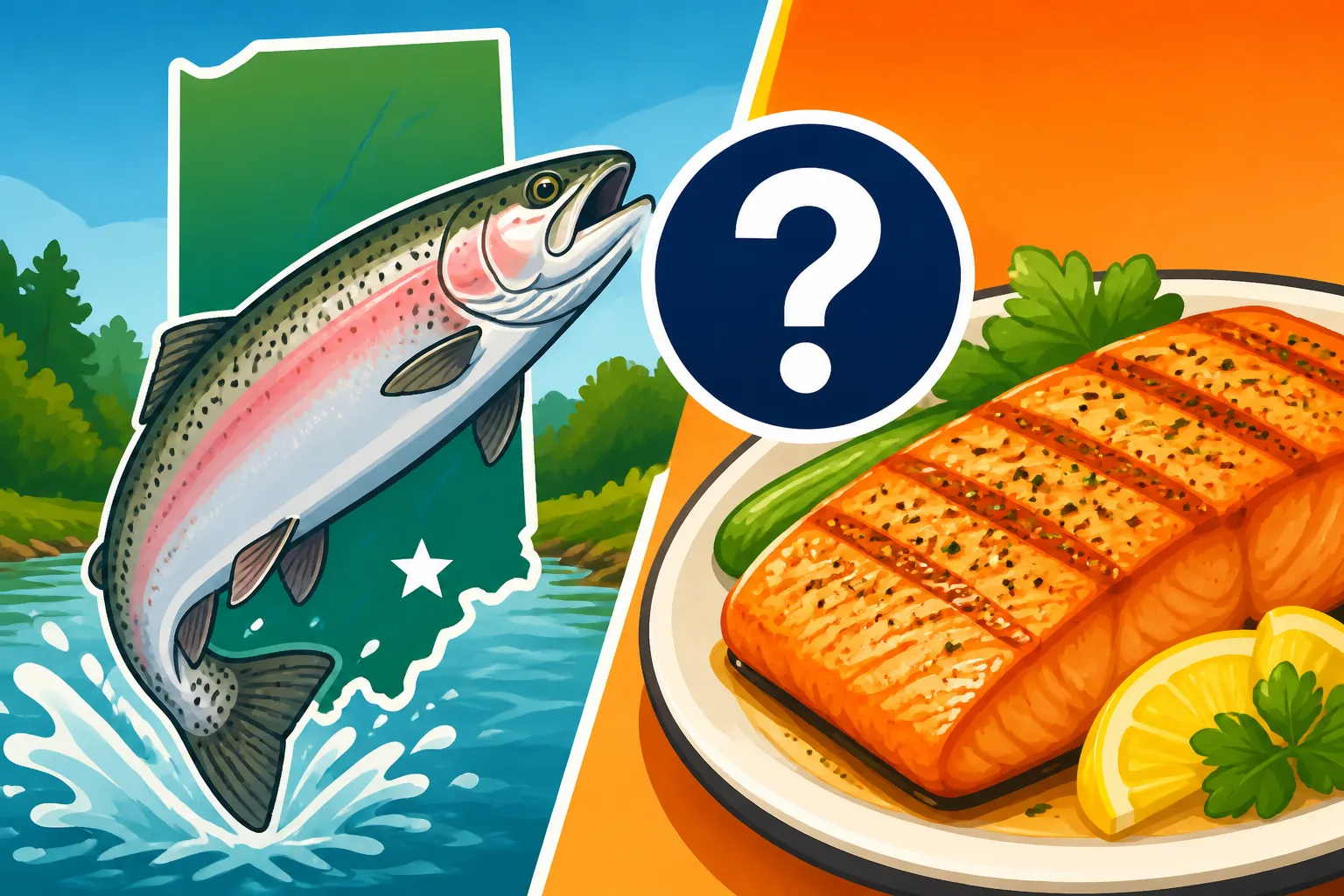
If you've ever reeled in a beautiful, silver flash from one of Indiana's northern rivers or off the Lake Michigan shoreline, chances are you've encountered a steelhead trout. This magnificent fish offers an exciting fight, but a common question that pops up for many anglers, especially those new to chasing these powerful fish, is simple yet crucial: "Is steelhead good to eat?" The answer is a resounding yes, but like any wild-caught fish, knowing a little about its flavor, texture, and how to properly prepare it makes all the difference in turning a great catch into a fantastic meal. This guide will dive deep into everything you need to know about enjoying your Indiana steelhead at the dinner table.
What Exactly is a Steelhead Trout?
Before we talk about eating them, let's clear up what we're dealing with. Steelhead are essentially rainbow trout that exhibit an anadromous life cycle, meaning they migrate from freshwater rivers and streams to the ocean (or, in Indiana's case, to a large freshwater lake like Lake Michigan) to grow large, then return to freshwater to spawn. Because of this unique lifestyle, they develop a distinct flavor and texture compared to their stream-dwelling rainbow trout cousins.
The Great Lakes Connection in Indiana
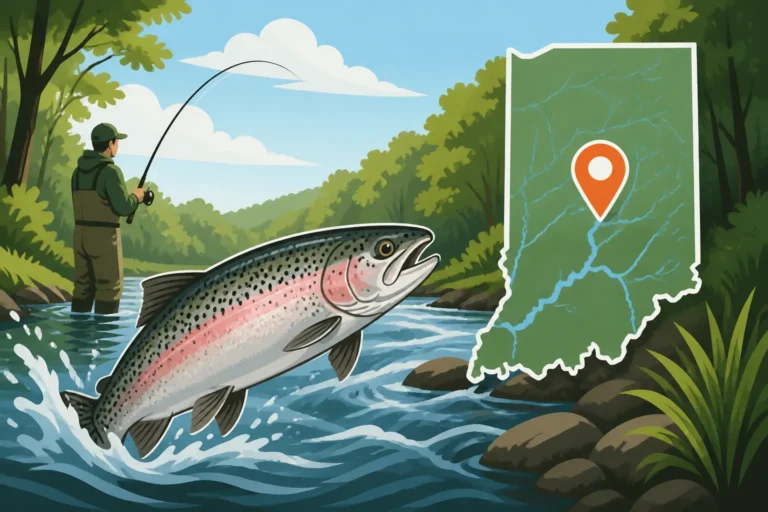
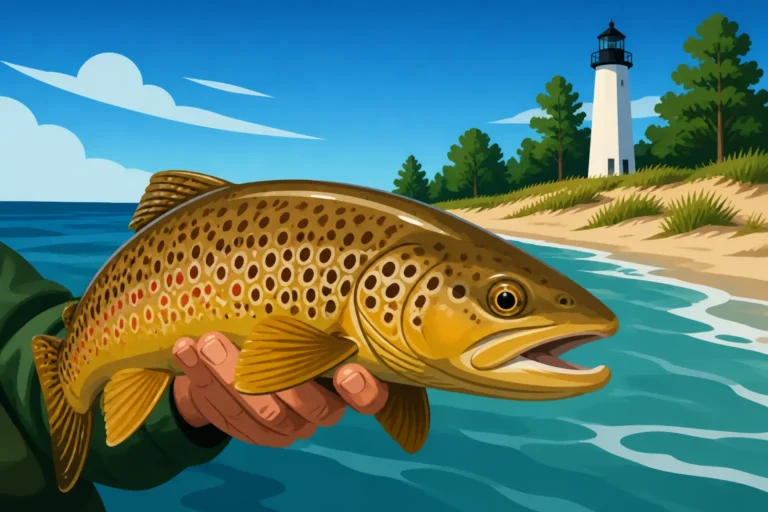
In Indiana, when we talk about steelhead, we're almost exclusively talking about fish that spend their lives in Lake Michigan and then run up its tributary rivers, like the St. Joseph River, to spawn. This environment plays a massive role in their diet and, consequently, their taste. They feed on baitfish, crustaceans, and other aquatic life in the vast, cold waters of Lake Michigan, which contributes to their rich, often salmon-like flesh color and robust flavor. If you're looking to target these fish, understanding their migratory patterns is key; check out Steelhead Fishing in Indiana: A Fall Run Guide to learn more about when and where to find them.
Steelhead vs. Other Trout and Salmon
It's easy to confuse steelhead with other trout and salmon species, especially since they're often caught in similar waters during the same seasonal runs. However, there are subtle differences in their appearance and, yes, in their culinary characteristics. A true steelhead will generally have a more silvery, ocean-going appearance compared to a resident rainbow trout, which might have more pronounced spots and a brighter pink or red stripe along its side. For a more detailed look, you can read Steelhead Identification: Silver Sides and a Pink Stripe. Their diet in Lake Michigan gives them a fattier, richer flesh than many stream trout, making them a prize for the table.
The Flavor and Texture of Steelhead
So, what can you expect when you sit down to a plate of Indiana steelhead? It's often described as a delightful cross between a flaky white fish and a rich salmon, offering the best of both worlds.
A Rich, Delicate Taste Profile
Many anglers rave about the taste of steelhead, often comparing it favorably to salmon. The flesh typically has a beautiful orange-red hue, a testament to its diet of krill and other carotenoid-rich organisms in Lake Michigan. It's rich, but not overly "fishy," with a clean, mild flavor that takes well to various seasonings. If you're someone who enjoys the robust flavor of salmon but sometimes finds it a bit too intense, steelhead might just be your perfect compromise.
The fat content of steelhead also plays a crucial role in its deliciousness. These fish spend their lives packing on fat in the cold waters of Lake Michigan, which translates into incredibly moist and flavorful fillets when cooked. This healthy fat also contains omega-3 fatty acids, making it a nutritious choice for your dinner plate.
Flaky Yet Firm Texture
When cooked properly, steelhead fillets will flake apart easily with a fork, yet maintain a firm, satisfying texture. It's not as delicate as a sole or cod, nor as dense as some swordfish or tuna. This versatility in texture means it holds up well to grilling, baking, pan-searing, and even smoking. Unlike some leaner fish that can dry out quickly, the natural oils in steelhead help it stay moist and tender, even if you slightly overcook it.
The preparation method can influence the final texture, of course. Grilling will give you a slightly firmer exterior with a succulent interior, while baking or poaching might yield a more uniformly tender fillet. Experiment with different methods to find what you love most; there's really no wrong way to enjoy this fantastic fish.
Preparing and Cooking Your Steelhead Catch
Now that your mouth is watering, let's talk about turning that fresh catch into a culinary masterpiece. Proper handling from the moment it's caught right up to the kitchen is paramount for the best flavor.
Field Care and Filleting for Optimal Taste
The moment you land a steelhead, its quality for the table begins. I always recommend dispatching the fish quickly and bleeding it immediately. This helps preserve the meat's quality by removing blood, which can contribute to a "fishy" taste. Then, get it on ice as fast as possible. A good cooler, like those you can find on Amazon, is an absolute must-have for keeping your catch fresh until you can process it.
When you get home, proper filleting is next. Steelhead have a relatively simple bone structure, making them easier to fillet than some other species. A sharp, flexible fillet knife, easily purchased on Amazon, is your best friend here. Aim to remove all the bones and skin, leaving you with beautiful, clean fillets. Some people prefer to leave the skin on for certain cooking methods like grilling or pan-searing, as it can help keep the fish together and crispy up nicely. However, if you're sensitive to strong flavors, removing the skin is often recommended as it can hold some of the stronger oils.
Popular Cooking Methods and Simple Recipes
Steelhead is incredibly versatile in the kitchen. Here are a few popular methods and ideas to get you started:
- Grilling: This is a personal favorite. Brush fillets with olive oil, season with salt, pepper, garlic powder, and a squeeze of lemon. Grill skin-side down first for about 4-6 minutes, then flip and cook until the internal temperature reaches around 145°F and the fish flakes easily. The smoky flavor from the grill is a perfect match for steelhead.
- Baking: A classic, low-fuss method. Place fillets on a baking sheet, drizzle with olive oil, sprinkle with your favorite herbs (dill, parsley, thyme work wonderfully), and lemon slices. Bake at 400°F (200°C) for 12-15 minutes, or until cooked through. This method keeps the fish incredibly moist.
- Pan-Searing: For a crispy exterior. Heat a little oil or butter in a non-stick skillet over medium-high heat. Season fillets and sear skin-side down for 3-5 minutes until crispy, then flip and cook for another 2-4 minutes.
- Smoking: If you have a smoker, steelhead takes to it beautifully. A brined steelhead fillet, slow-smoked with apple or cherry wood, develops an incredible depth of flavor and tender texture that's perfect for appetizers or a main course.
- Fish Tacos: Flaked, grilled or baked steelhead makes fantastic fish tacos! Top with fresh salsa, shredded cabbage, and a creamy sauce for a fresh, vibrant meal.
| Cooking Method | Best For | Prep Time (approx.) | Cook Time (approx.) | Notes |
|---|---|---|---|---|
| Grilling | Smoky flavor, firm texture | 10 min | 8-12 min | Use medium-high heat, don't overcook. |
| Baking | Moist, tender, hands-off | 5 min | 12-15 min | Easy cleanup, great for family meals. |
| Pan-Searing | Crispy skin, quick meal | 5 min | 5-9 min | Watch heat to prevent burning. |
| Smoking | Rich, deep flavor, tender flakes | 1 hour (brine) | 2-4 hours | Requires a smoker; perfect for larger batches. |
| Poaching | Very delicate, moist, light | 5 min | 10-12 min | Ideal for salads or lighter preparations. |
Safety, Sustainability, and Health Considerations
When enjoying any wild-caught fish, it's natural to have questions about safety and environmental impact. Steelhead fishing in Indiana is generally very safe and regulated to ensure healthy populations.
Eating Wild-Caught Fish from Lake Michigan
One common concern for anglers is the safety of eating fish from large industrial areas like Lake Michigan. Indiana's Department of Natural Resources (DNR) and the Indiana Department of Health regularly test fish for contaminants. While advisories exist for certain species and sizes, especially for vulnerable populations like pregnant women or young children, steelhead generally have favorable consumption advisories compared to some longer-lived, fatter species like lake trout. It's always a good idea to check the most current advisories from the state's health department before consuming any wild-caught fish.
For most healthy adults, consuming steelhead in moderation as part of a balanced diet is perfectly fine. The benefits of omega-3 fatty acids often outweigh the minimal risks associated with typical consumption levels. The key is moderation and being informed.
Sustainability and Responsible Angling Practices
Indiana's steelhead fishery is sustained through stocking programs, meaning the fish you catch are a product of responsible fisheries management. This helps alleviate pressure on wild populations, though natural reproduction does occur in some tributaries. As anglers, we have a responsibility to practice ethical fishing. This includes adhering to Indiana Fishing Regulations and Bag Limits Guide, using appropriate gear, and handling fish carefully, especially if you plan to release them.
If you're keeping your catch, only take what you'll consume and be mindful of size and creel limits. Releasing fish properly, especially those that are not destined for the dinner table, ensures a healthy fishery for future generations. Tools like specialized release nets and hook removers, which you can browse on Amazon, can make a big difference in the survival rate of released fish. Remember, a thriving fishery means more delicious steelhead for everyone to enjoy down the road!
Health Benefits of Steelhead Trout
Beyond just tasting great, steelhead is a powerhouse of nutrition. It's an excellent source of lean protein, essential for muscle repair and overall body function. More notably, steelhead is packed with beneficial omega-3 fatty acids, specifically EPA and DHA. These fats are well-known for supporting heart health, reducing inflammation, and even aiding in brain function.
Compared to many red meats, steelhead offers a much lower saturated fat content while providing a similar feeling of satiety. It's also a good source of Vitamin D, B vitamins (like B12 and niacin), and important minerals such as selenium and phosphorus. So, not only is it a delicious meal, but it's also a smart choice for your health. Knowing that a fish you caught yourself can be so good for you just adds another layer of satisfaction to the whole angling experience.
Disclaimer
This article is for general informational purposes only and does not constitute professional advice. Laws, prices and regulations vary by location and change over time. Consult a qualified professional for guidance on your specific situation.