Indiana’s Best Piers for Brown Trout Fishing
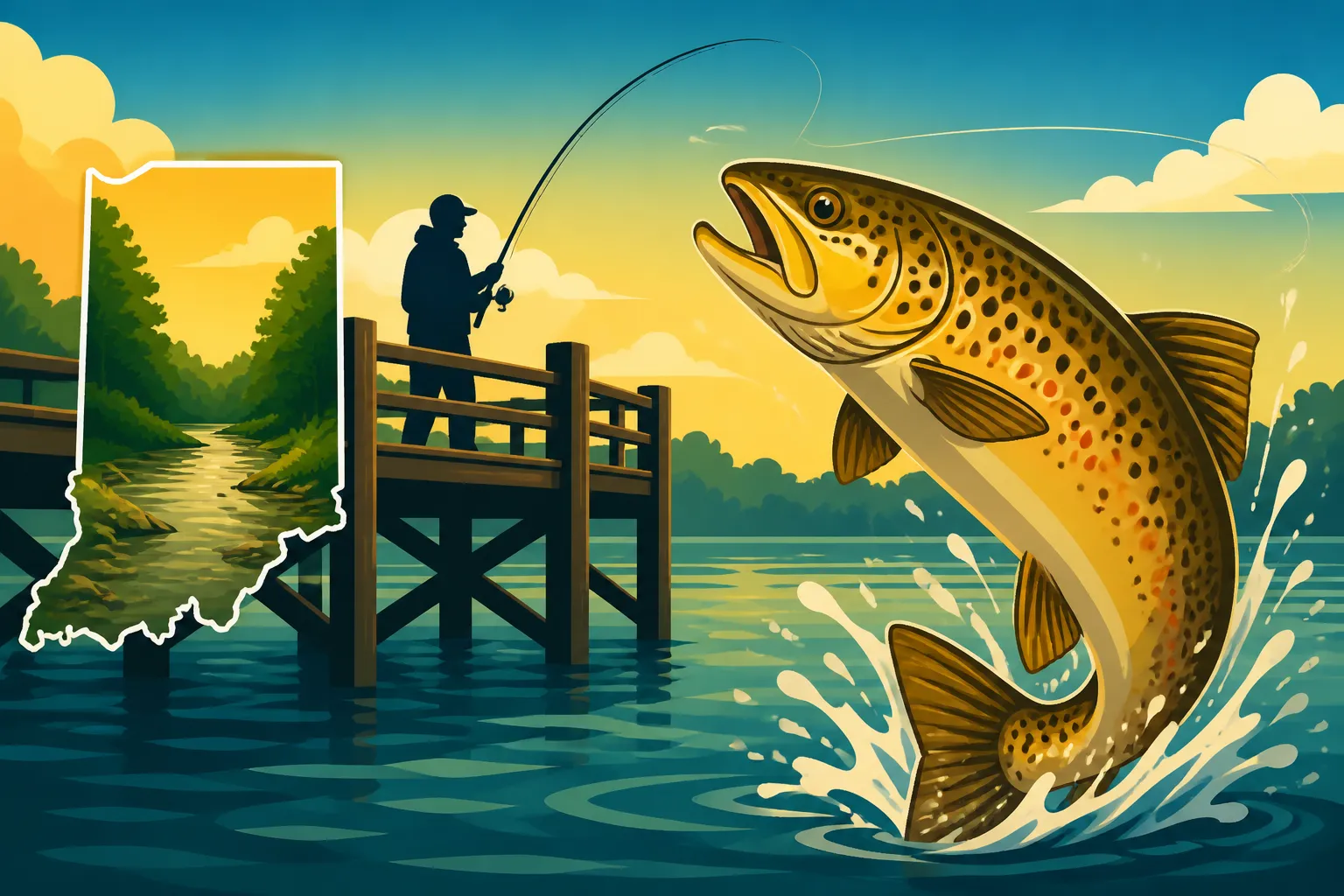
There's nothing quite like the thrill of a hard-fighting brown trout, especially when you're casting from the sturdy comfort of an Indiana pier. For many anglers, the thought of chasing these elusive, silvery adversaries conjures images of expensive charter boats or remote river excursions. But what if I told you that some of the most productive brown trout fishing in Indiana is accessible right from shore, specifically from our fantastic Lake Michigan piers? This guide is going to walk you through everything you need to know about targeting brown trout from these readily available access points, revealing the best locations, the gear you'll need, and the techniques that will put more fish on your line.
Understanding Brown Trout in Indiana's Lake Michigan Fishery
Brown trout are a fascinating species, known for their incredible fighting spirit and their gorgeous, often iridescent, appearance. While they aren't native to the Great Lakes, they've established a strong presence in Lake Michigan, thriving in its cooler, deeper waters. Indiana's stretch of Lake Michigan coastline, though relatively small, offers some fantastic opportunities to connect with these fish, especially during certain times of the year when they venture closer to shore. They are predators, constantly on the hunt for baitfish, and their movements are heavily influenced by water temperature, currents, and the presence of their food sources. If you're curious about identifying these beauties, check out Brown Trout Identification: Spots and Coloring.
Why Brown Trout Love Piers
Piers aren't just convenient spots for anglers; they're magnets for fish, including brown trout, for several compelling reasons. First and foremost, piers provide immediate access to deeper water. Unlike sandy beaches where you might need to cast a mile to reach prime habitat, piers extend out into the lake, putting you directly over or near the depths where brown trout feel most comfortable. This extension also creates a "structure" in an otherwise open water environment. Barnacles, algae, and other aquatic life attach to the pilings, forming micro-ecosystems that attract smaller baitfish. And where there are baitfish, larger predators like brown trout are sure to follow.
Furthermore, piers often create current breaks and eddies, which are prime ambush points for predatory fish. The structure can disrupt the flow of water, giving a brown trout a place to rest out of the main current while still being perfectly positioned to dart out and snatch a passing meal. They also offer valuable shade, particularly on bright, sunny days when brown trout might retreat from the direct sunlight. From a pier, you can often cast into these shaded areas or along the edges where the shadows meet the sun, increasing your chances of a bite.
Seasonal Movements and Pier Fishing
Understanding the seasonal movements of brown trout is absolutely critical to successful pier fishing. These fish are highly responsive to changes in water temperature and the availability of food.
- Spring (Ice-out to early June): This is often considered prime time for brown trout pier fishing. As the lake ice melts and water temperatures begin to rise but remain cool, brown trout become very active and move into shallower waters closer to shore. They're hungry after winter and eager to feed on the abundant baitfish that also congregate near the warming shoreline. Piers provide excellent access during this period, allowing you to reach these cruising fish.
- Summer (Late June to August): As Lake Michigan's nearshore waters warm significantly, brown trout will generally retreat to deeper, cooler areas offshore. Pier fishing can be tougher during the heat of summer, but it's not impossible. Focus your efforts during the cooler parts of the day – early mornings, late evenings, or even after dark. A strong westerly wind pushing cooler water towards the shore can also bring brown trout within casting range of piers.
- Fall (September to November): This is another fantastic time for brown trout. As water temperatures drop, brown trout become incredibly active again. They often follow the salmon and steelhead runs, moving closer to shore and into tributary mouths like Trail Creek or the Burns Waterway, which are often near piers. They're bulking up for winter, making them aggressive feeders. If you're interested in the salmon run, check out Fall Salmon Run Timing on Lake Michigan in Indiana.
- Winter (December to Ice-in): If piers are accessible and not frozen over, they can still produce brown trout, particularly those that extend into deeper water. Ice fishing is more common for brown trout during the coldest months, but open water pier opportunities exist until conditions make it unsafe or impossible.
Top Piers for Brown Trout Fishing in Indiana
While Indiana's Lake Michigan coastline is shorter than our neighboring states, we still boast some excellent public piers that consistently produce brown trout. Each has its own unique characteristics, but all offer the deep-water access these fish prefer.
| Pier Name | Location | Key Features for Brown Trout | Best For | Potential Crowds |
|---|---|---|---|---|
| Michigan City Pier | Michigan City, IN | Long reach into deep water, near Trail Creek, diverse bait | Experienced anglers, excellent current access, year-round potential | High |
| Portage Lakefront Pier | Portage, IN | Access to Burns Waterway, modern facilities, ample parking | Anglers seeking varied opportunities, quieter during off-peak times | Moderate |
| East Chicago Marina/Jeorse Park Pier | East Chicago, IN | Near marina structures, deeper water access, sheltered area | Local anglers, those coming from Chicago area, good in varied weather | Moderate |
Michigan City Pier: A Brown Trout Hotspot
The Michigan City Pier is arguably the most famous and productive pier for salmon and trout fishing in Indiana, and brown trout are no exception. This impressive structure extends far out into Lake Michigan, giving anglers access to significant depths quickly. Its location near the mouth of Trail Creek is a huge advantage, as brown trout, like other salmonids, will cruise these areas looking for baitfish, especially during the spring and fall migrations. The currents around the pier can be strong, which often brings baitfish closer and congregates larger fish.
When fishing the Michigan City Pier, you'll find anglers using a variety of techniques, from casting spoons and stickbaits to setting up bottom rigs with live bait. Because of its popularity, it can get crowded, especially during peak seasons and weekends, so arriving early is often a good strategy to secure a prime spot. The walk out to the end can be a bit of a trek, but the reward of a solid brown trout on the line makes it well worth the effort.
Portage Lakefront and Riverwalk Pier
A more modern addition to Indiana's Lake Michigan public access, the Portage Lakefront and Riverwalk Pier offers a fantastic fishing experience, often with a little less elbow room than Michigan City. This pier is known for its excellent access and well-maintained facilities. It extends into Lake Michigan and also provides access to the Burns Waterway, which is a key migratory path for many species. This dual access can be incredibly beneficial for targeting brown trout, as they might be found both in the open lake waters and staging near the waterway mouth.
The Portage pier is typically a great spot for casting spoons, stickbaits, and even some heavier jigs, especially when targeting brown trout that are cruising the drop-offs. It's often a good choice for anglers who prefer a slightly less intense atmosphere than some of the more bustling piers. The ample parking and scenic views add to the overall appeal. This spot is also excellent for other species, as highlighted in Best Salmon Fishing Spots on Lake Michigan in Indiana.
East Chicago Marina and Jeorse Park Pier
Located in the western part of Indiana's Lake Michigan shoreline, the Jeorse Park Pier in East Chicago is another excellent option for brown trout. This pier is situated near the East Chicago Marina, which itself creates additional structure and habitat that can hold baitfish, and consequently, brown trout. The proximity to the marina often means there's a good concentration of forage, making it an attractive spot for predators.
The Jeorse Park Pier typically offers access to good depths, and its more sheltered location can sometimes make it a more comfortable fishing experience during windy conditions. Anglers here often have success casting a variety of lures or setting up dead-stick rods with live bait. It's a popular spot for local anglers and those coming from the nearby Illinois border, offering diverse fishing opportunities on Indiana's unique corner of Lake Michigan. For more options in the region, consider Shore Fishing Spots Along Indiana's Lake Michigan Coast.
Essential Gear and Techniques for Pier Fishing Brown Trout
To successfully tackle brown trout from a pier, you'll need the right tools and a solid understanding of effective techniques. These fish are powerful, so reliable gear is a must.
Rods, Reels, and Line for Pier Success
When fishing for brown trout from a pier, you'll want a setup that offers both casting distance and the strength to handle a strong, potentially large fish.
- Rods: Opt for a medium-heavy to heavy action spinning rod, typically between 7 and 9 feet in length. The longer rod helps with casting distance, which is crucial for reaching deeper water or far-off schools of baitfish, and provides leverage for fighting powerful fish. A fast-action tip will give you the sensitivity to detect subtle bites while retaining the backbone for a solid hookset.
- Reels: Pair your rod with a sturdy spinning reel in the 3000 to 5000 size range. Look for a reel with a smooth, reliable drag system, as brown trout are known for their strong runs. A high line capacity is also beneficial, especially if you hook into a larger fish that decides to strip some line.
- Line: Many anglers prefer a braided main line, typically 15-30 lb test, for its strength, sensitivity, and minimal stretch. However, braid is highly visible, so it's essential to tie on a fluorocarbon leader of 10-20 lb test, which is nearly invisible underwater and abrasion-resistant. Alternatively, a good quality monofilament line in the 10-15 lb test range can also be effective, offering some stretch that can be forgiving during a fight.
- Essential Accessories: Don't forget a long-handled landing net – this is non-negotiable for pier fishing, as you can't hand-land a fish from a high pier. Pliers for hook removal, a towel, and a cooler with ice to keep your catch fresh are also vital. When it comes to finding durable, long-handled nets or reliable reels, Amazon can be a great resource to explore different brands and compare options before making a purchase. You can also get a good overview of what to carry with you by looking at a general Tackle Box Setup by Species.
Baits and Lures That Attract Brown Trout
Brown trout are opportunistic feeders, so having a variety of baits and lures in your tackle box will increase your chances of success.
- Live Bait: Live minnows, such as emerald shiners or fatheads, are often irresistible to brown trout. Rig them with a small hook (size 4-8) either free-lined or under a slip bobber. If local regulations allow, cut bait, like pieces of smelt or alewife, can also be highly effective, especially when fished on the bottom. During salmon and steelhead runs, salmon eggs or skein can be excellent choices.
- Artificial Lures:
- Spoons: Classic spoons like Little Cleos, Krocodiles, and Dardevles are incredibly effective. Their wobbling action mimics injured baitfish. Silver, blue, green, and fire tiger patterns are popular choices. Cast them out and use a steady retrieve, perhaps with occasional twitches or pauses.
- Stickbaits/Minnow Plugs: These slender lures, such as Rapala Original Floaters, Husky Jerks, or Bombers, imitate smaller fish. They can be retrieved steadily, twitched, or trolled (if permitted and practical from the pier, which is rare). Again, natural baitfish colors and bright colors like fire tiger or chartreuse are go-tos.
- Spinners: Inline spinners can also work, especially smaller ones. Their flash and vibration can entice a strike.
- Jigs with Soft Plastics: Small grub-style soft plastics or minnow imitations on a jig head can be very effective, particularly if you're targeting fish holding near the bottom or around pier pilings.
When choosing bait, keep in mind that many of the same baits that work for lake trout or salmon will also appeal to brown trout. For a broader perspective on bait options, consider Best Bait for Lake Trout Fishing in Indiana Waters.
Reading the Water and Pier Dynamics
Success in pier fishing, like all fishing, often comes down to reading the water. Don't just cast blindly. Take a few moments to observe your surroundings:
- Currents and Eddies: Look for areas where the current changes or where calm water meets moving water. These are often places where baitfish get funneled and where predators lie in wait.
- Water Clarity and Color: Clear water might require lighter lines and more natural presentations, while murkier water might call for brighter, more flashy lures.
- Baitfish Activity: If you see schools of minnows jumping or congregating near the surface, that's a huge clue that predatory fish might be in the area.
- Observe Other Anglers: See what others are catching on and what techniques they're using. While you don't want to copy them exactly, it can provide valuable insights.
- Vary Your Presentation: Don't be afraid to experiment with different casting distances, retrieve speeds, and lure depths until you find what the fish are responding to. Cast parallel to the pier, directly out, and at various angles to cover more water.
Tips for a Successful Brown Trout Pier Fishing Trip
Fishing from a pier offers unique advantages and challenges. A little preparation and awareness can make your trip much more enjoyable and successful.
Safety First on the Pier
Piers, while fantastic for fishing, require a level of caution to ensure a safe and enjoyable experience for everyone.
- Footwear: Piers can become incredibly slick, especially after rain, with lake spray, or from fish slime. Always wear shoes with good traction. In colder weather, watch out for ice patches.
- Awareness of Others: Be mindful of other anglers. Give everyone ample space, especially when casting. Keep your tackle and gear organized so you don't create tripping hazards.
- Weather: Lake Michigan weather can change rapidly. Keep an eye on forecasts and be prepared for sudden shifts in wind or temperature. If lightning is present, it's safest to leave the pier immediately.
- Landing Fish: As mentioned, a long-handled net is critical. Do not attempt to hand-land large, thrashing fish from a high pier. For bigger fish, a gaff might be necessary, but always use it responsibly and humanely. For added safety when handling toothy fish like brown trout, a good pair of fish grippers can be found at any outdoor retailer or on Amazon.
Best Times to Fish for Brown Trout from a Pier
Timing is everything when it comes to brown trout. While they can be caught at any time of day, some windows of opportunity are significantly better.
- Dawn and Dusk: These low-light periods are often the most productive. Brown trout are visual predators, and the reduced light allows them to hunt more effectively without being as visible to their prey. They also feel more secure in shallower waters during these times. This principle holds true for many species, as discussed in Why Dawn and Dusk Are the Best Times to Fish.
- Overcast Days: Cloudy, overcast conditions often extend the productive fishing window beyond just dawn and dusk, as the low light persists throughout the day.
- After a Cold Front: A passing cold front can sometimes trigger a feeding frenzy, especially if it brings cooler water temperatures closer to shore.
- During or After Strong Winds: Winds that create chop on the water can disorient baitfish and push them closer to the pier, bringing hungry brown trout in tow. Just be safe about casting in heavy winds.
Remember to always have your current Indiana fishing license. The Indiana Fishing License Year Explained runs from April 1st to March 31st, so make sure yours is up to date before heading out.
Handling Your Catch Responsibly
Whether you plan to keep your brown trout for the table or release it, responsible handling is key.
- Know the Regulations: Before you even cast a line, familiarize yourself with Indiana Fishing Regulations and Bag Limits Guide for brown trout on Lake Michigan. This includes minimum size limits and daily creel limits. These rules are in place to ensure healthy fish populations for the future.
- For Keeping Fish: If you intend to keep your catch, dispatch it quickly and humanely. Get it on ice in a cooler as soon as possible to preserve its quality.
- For Releasing Fish: If you're practicing catch and release, handle the fish as little as possible. Keep it in the water if you can. Use needle-nose pliers or a hook remover to quickly extract the hook. If you must remove it from the water for a quick photo, wet your hands first to protect the fish's protective slime coat. Support the fish horizontally, never by the jaw or gills alone. Revive the fish by holding it gently in the water, facing into the current, until it swims away under its own power. Having a measuring tape on hand is useful for verifying length if there's a size limit, and again, you can find various durable options, including those with built-in weighing scales, through retailers like Amazon.
Disclaimer
This article is for general informational purposes only and does not constitute professional advice. Laws, prices and regulations vary by location and change over time. Consult a qualified professional for guidance on your specific situation.