Hybrid Sunfish: A Cross Between Bluegill and Green Sunfish
If you've ever found yourself on an Indiana lake or pond, reeling in a feisty sunfish that just doesn't quite look like a typical bluegill or a green sunfish, you're not alone. It's a common experience that often leaves anglers scratching their heads, wondering if they've discovered a new species. Chances are, you've encountered one of Indiana's popular hybrid sunfish – a fascinating blend that combines the best traits of its parent species. This guide is here to unravel the mystery of these unique fish, helping you understand what they are, why they're so prevalent, and how to successfully target them for a fun day on the water.
What Exactly is a Hybrid Sunfish?
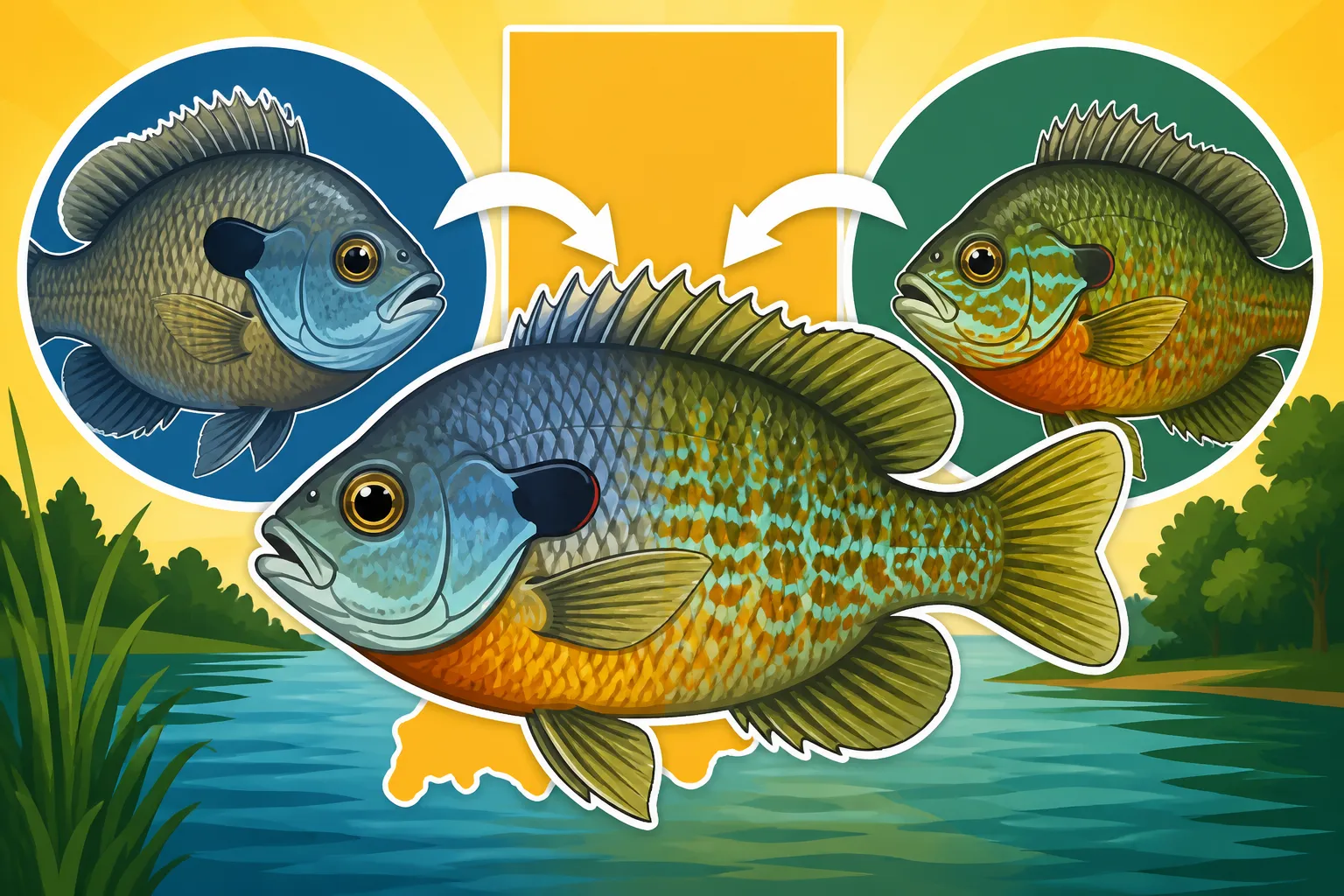
The term "hybrid sunfish" often refers to a cross between two different species of sunfish, most commonly the bluegill (Lepomis macrochirus) and the green sunfish (Lepomis cyanellus). While nature sometimes conjures these crosses on its own, they're also frequently stocked in ponds and lakes across Indiana due to their desirable traits. It's like they took the best features of both parents and combined them into one super-panfish.
The Genetic Blend: Bluegill Meets Green Sunfish
Imagine a bluegill, known for its deep body, small mouth, and delicious table fare, meeting a green sunfish, famous for its aggressive nature, larger mouth, and tough-as-nails attitude. When these two species interbreed, either naturally in environments where their ranges overlap or through intentional stocking programs by pond managers, their offspring are the hybrid sunfish we often encounter. These fish aren't just a random mix; they're a testament to what happens when you combine genetic strengths.
State agencies and private pond owners often introduce these hybrids precisely because of their unique genetics. Unlike many purebred fish, hybrid sunfish often exhibit what biologists call "hybrid vigor" – they grow faster, get bigger, and are often more aggressive than either of their parent species. This makes them fantastic for pond management where the goal is to produce a lot of catchable fish quickly. Plus, many of these hybrids are sterile or mostly sterile, meaning they don't reproduce endlessly, which can help prevent overpopulation and stunting in smaller bodies of water. This planned approach keeps the fishing robust without leading to an overcrowded pond of tiny, stunted fish.
A Perfect Match? Understanding Hybrid Vigor
Hybrid vigor, or heterosis, is a biological phenomenon where the offspring of two genetically different parents show superior traits to both parents. For hybrid sunfish, this means they often mature faster, reach a larger size, and display a more aggressive feeding response compared to pure bluegill or green sunfish. This is a huge win for anglers!
Think about it: you get a fish that grows big like a green sunfish but often retains some of the more desirable body shape and flavor profile of a bluegill. Their aggressive nature means they're less picky about what they'll bite, making them excellent targets for beginners, kids, or anyone just looking for consistent action. This vigor also contributes to their robust health, making them resilient in various water conditions. Pond owners love them because they provide a quick return on investment for stocking, quickly growing into large, catchable fish without overwhelming the ecosystem with too many offspring. It’s truly a win-win for both the fish and the folks trying to catch them.
Why Hybrid Sunfish Are So Popular Among Indiana Anglers
It's not just their intriguing lineage that makes hybrid sunfish so beloved; it's their performance on the line and on the dinner plate. Indiana anglers, myself included, have a real soft spot for these dynamic fish, and for good reason. They consistently deliver an enjoyable and rewarding fishing experience.
Fast Growth and Larger Size
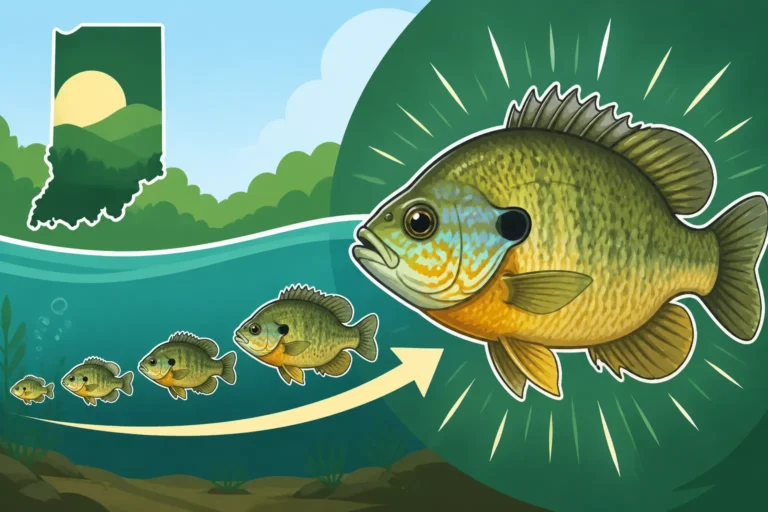
One of the biggest draws of hybrid sunfish is their impressive growth rate. While a pure bluegill might take a few years to reach a respectable eating size, a hybrid sunfish can often hit that mark much faster. This accelerated growth means that a pond stocked with hybrids can provide a bountiful harvest much sooner. For anglers, this translates to catching bigger, meatier panfish more frequently.
Imagine casting into a farm pond knowing that the sunfish below aren't just dime-sized nibblers, but bona fide hand-sized fighters ready to fill your cooler. This faster growth also often means they grow to a larger overall size than their bluegill counterparts, sometimes rivaling smaller bass in heft. This characteristic makes them particularly attractive for those managing private ponds or local public access areas where a consistent supply of good-sized fish is desired. More fillets for the frying pan, and fewer tiny fish that are difficult to clean – it's easy to see why anglers appreciate this attribute. For similar panfish, check out Crappie Size Limits and Regulations in Indiana.
Aggressive Bites and Hard Fights
If you've ever tried to coax a finicky bluegill to bite on a slow day, you know the frustration. Hybrid sunfish often throw that caution to the wind. Their green sunfish heritage shines through in their aggressive feeding habits. They are typically much more eager to strike a bait or lure, making for a much more engaging and active fishing trip. This makes them absolutely perfect for introducing new anglers, especially kids, to the joys of fishing. There's nothing quite like seeing a child's face light up after feeling that first strong tug on their line!
When you hook into a hybrid sunfish, be prepared for a spirited fight. They pull hard for their size, often putting a surprising bend in an ultralight rod. Their pugnacious attitude makes every catch exciting, proving that you don't need a huge fish to have a thrilling experience. On light tackle, they can be absolute gladiators, making quick runs and head shakes that keep you on your toes. This combination of eagerness to bite and a strong fight makes them an incredibly fun target for anglers of all skill levels, ensuring there's rarely a dull moment.
Excellent Table Fare
Let's be honest, a big part of why we love panfish is how they taste! Hybrid sunfish definitely don't disappoint in this department. Their meat is typically firm, flaky, and has a clean, mild flavor that is very similar to a bluegill, which is widely considered one of the best-eating freshwater fish. The added bonus of their larger size means you get more usable meat per fish, making cleaning them a more efficient and rewarding task.
Whether you prefer them pan-fried with a crispy cornmeal crust, baked with lemon and herbs, or even grilled, hybrid sunfish are a delicious option. They're a fantastic choice for a fish fry with family and friends, providing ample fillets that are sure to be a crowd-pleaser. If you're looking to stock a pond for eating, these hybrids are hard to beat due to their combination of rapid growth and superb flavor. For tips on other great eating fish, see Is Bluegill Good to Eat?. And don't forget to grab a good set of fillet knives! High-quality, affordable options are always available on Amazon to make cleaning your catch a breeze. Looking for some new panfish recipes to try with your hybrid sunfish fillets? A quick search on Amazon for 'panfish cookbooks' will yield a treasure trove of delicious ideas!
Identifying Hybrid Sunfish in Indiana Waters
Okay, so you're convinced these hybrid sunfish are awesome, but how do you actually tell them apart from their parent species when you pull one out of the water? This can be one of the trickiest parts, as they often display a mix of characteristics, making them a bit of a chameleon. There isn't a single definitive marker, but rather a combination of clues to look for. For a general overview of similar species, check out Indiana Panfish Guide: Crappie, Bluegill, and Sunfish.
Spotting the Blended Features
When trying to identify a hybrid sunfish, think of it as playing a "mix and match" game with features from both bluegill and green sunfish. Here’s what to look for:
- Mouth Size: This is a key indicator. A pure bluegill will have a relatively small mouth, rarely extending past the front edge of its eye. A green sunfish, by contrast, has a very large mouth that often extends back to the middle or even beyond the back edge of its eye. A hybrid sunfish will usually have a mouth that is intermediate in size – larger than a bluegill's but typically not quite as cavernous as a green sunfish's. It might extend to the middle of the eye.
- Opercular Flap (Ear Flap): The stiff flap on the gill cover. Bluegill have a solid black opercular flap without any distinct light trim. Green sunfish have a black opercular flap that is typically outlined with a noticeable light yellow, orange, or white margin. Hybrid sunfish often show a thin, faint, light margin on their opercular flap, less pronounced than a green sunfish but more present than a bluegill.
- Body Shape and Coloration: Bluegill are usually deep-bodied, almost disc-shaped, with distinct vertical bars that may or may not be prominent depending on water conditions. Green sunfish are more elongated and robust, with less distinct barring and often iridescent blue-green spots on their cheeks and body. Hybrids can lean either way, but often have a deeper body than a green sunfish, sometimes with faint vertical bars like a bluegill, combined with some iridescent spots or a greenish tint.
- Dorsal Fin Spot: Green sunfish often have a prominent dark spot on the posterior (back) part of their dorsal fin. Bluegill rarely do. Hybrid sunfish may or may not exhibit this spot, or it might be faint.
It's important to remember that because they're hybrids, there's a spectrum of appearance. You might catch a hybrid that leans heavily towards its bluegill parent in appearance, or one that looks much more like a green sunfish. The key is to look for that combination of features rather than relying on just one. For those who enjoy reading up on local fish identification, there are many excellent field guides you can pick up on Amazon that will help you differentiate between all the sunfish species in Indiana.
Distinguishing from Bluegill and Green Sunfish
To make things a bit clearer, let's put some of these identification clues side-by-side. This table highlights the primary differences between the three fish you're most likely to encounter when aiming for panfish. For more on specific identification, you can read Bluegill Identification: A Beginner's Guide and Redear Sunfish vs Bluegill: How to Tell Them Apart.
| Feature | Bluegill | Green Sunfish | Hybrid Sunfish (Bluegill x Green Sunfish) |
|---|---|---|---|
| Body Shape | Deep, compressed, disc-like | More elongated, stout, bass-like | Intermediate; deeper than green, but often not as round as bluegill |
| Mouth Size | Small; rarely past front of eye | Large; often past middle of eye | Intermediate; usually to middle of eye |
| Opercular Flap | Solid black; no light margin | Black with distinct light margin (yellow/orange/white) | Black with faint, thin light margin |
| Dorsal Fin Spot | Absent or very faint | Usually a distinct dark spot | Variable; may have a faint spot or none |
| Vertical Bars | Often prominent 6-8 bars | Faint or absent | Often faint to moderate bars |
| Cheek Markings | No iridescent spots | Iridescent blue/green spots often present | Variable; may have some faint iridescence |
Keep in mind that this is a general guide, and individual fish can vary. The best approach is to observe several features rather than just one. If you're still unsure, enjoy the catch, knowing it's likely a vibrant hybrid bringing a little extra challenge and fun to your fishing experience!
Fishing for Hybrid Sunfish: Tips and Techniques
Now that we know what these fantastic fish are, and how to spot them, let's talk about the fun part: catching them! Because they possess the aggressive nature of green sunfish and the schooling tendencies of bluegill, hybrid sunfish are usually quite cooperative. They make an excellent target for anglers of all ages and skill levels, promising a good time and potentially a great meal.
Where to Find Them in Indiana
Hybrid sunfish, much like their parent species, are not particularly finicky about their habitat. You'll find them in a wide variety of Indiana's freshwater bodies.
- Stocked Ponds: This is often the prime location. Many private farm ponds and even some public fishing areas are intentionally stocked with hybrid sunfish due to their fast growth and aggressive biting habits. These ponds are often managed to provide consistent panfish action. Consider visiting some of Indiana's Best Ponds for Kids to Catch Panfish.
- Reservoirs and Natural Lakes: Wherever bluegill and green sunfish coexist, there's a chance for natural hybridization to occur. Larger reservoirs and natural lakes throughout Indiana will often hold populations of these hybrids, especially in areas with plenty of submerged structure and aquatic vegetation.
- Habitat Preferences: Look for areas that offer cover and food. This includes:
- Docks and Piers: Always a good bet for sunfish. They love to hide underneath, darting out to grab morsels.
- Fallen Trees and Brush Piles: These submerged structures provide excellent ambush points and shelter.
- Weed Lines and Lily Pads: Areas with dense vegetation offer protection from predators and attract insects, a primary food source.
- Drop-offs: Where shallow water transitions to deeper water can hold larger hybrids.
When searching for them, remember that hybrid sunfish often school, particularly the smaller ones. If you catch one, there's a good chance more are nearby. They aren't usually found in fast-moving rivers but prefer the calmer waters of ponds, lakes, and reservoir coves. For other common pond fish, see Common Fish Species You'll Find in Farm Ponds.
Best Baits and Lures for Hybrid Action
Given their aggressive nature, hybrid sunfish aren't usually too picky, which is great news for your tackle box!
- Live Bait is King: Nothing beats live bait for consistency when it comes to panfish, and hybrids are no exception.
- Worms: Red wigglers or pieces of nightcrawlers are universally effective. Thread them onto a small hook (size 8 or 10 is usually perfect).
- Crickets/Grasshoppers: During warmer months, these insect baits are irresistible to surface-feeding hybrids.
- Small Minnows: Larger hybrids, especially those exhibiting more green sunfish traits, will readily strike small minnows, particularly when fished deeper.
- Small Artificials: Don't underestimate the power of tiny lures.
- Micro Jigs: Small lead-head jigs (1/32 to 1/16 ounce) tipped with a tiny plastic grub, tube, or a piece of Berkley PowerBait are incredibly effective. Chartreuse, white, black, and pink are popular colors.
- Tiny Spinners: In-line spinners with a small blade, like a Rooster Tail or Mepps Aglia, are great for casting and retrieving, attracting aggressive strikes.
- Small Spoons: Very small jigging spoons can work well when dropped near structure.
For tackle, ultralight spinning gear with 2-4 pound test line is ideal. It allows for accurate casting of small baits and makes even a modest-sized hybrid feel like a trophy. When stocking your tackle box, remember that a wide variety of small panfish jigs and spinnerbaits are readily available on Amazon, often in multi-packs that give you plenty of options. Need a good rod for the job? Check out Best Ultralight Rods for Bluegill Fishing or Best Panfish Rods for Indiana Ponds.
Techniques for Consistent Catches
You don't need complicated setups or advanced techniques to catch hybrid sunfish. Simplicity often reigns supreme.
- Bobber Fishing: The classic method, and for good reason! A small bobber (clip-on or slip bobber) set to suspend your bait just above or in the middle of a weed bed or brush pile is incredibly effective. The visual strike of the bobber disappearing is always exciting.
- Bottom Fishing: For larger hybrids that might be lurking deeper, a simple bottom rig with a small sinker and a short leader (Carolina rig style) can be deadly. Cast it near submerged structure and let the bait sit on the bottom.
- Sight Fishing: In clear water, if you can spot hybrids cruising near cover, a gentle cast beyond them and a slow retrieve can often entice a strike. This is particularly fun in shallow ponds.
- Slow Retrieve: Whether using jigs or spinners, a slow and steady retrieve is usually best. Hybrid sunfish are aggressive, but they're still panfish, and they appreciate an easy meal. Vary your retrieve speed and add small twitches until you find what they prefer.
- Targeting Structure: Always focus your efforts around docks, fallen trees, rock piles, or weed edges. These are their homes, their feeding grounds, and their safe zones. Persistence around these areas will typically pay off.
Remember, the goal is to have fun, and hybrid sunfish truly deliver. Their willingness to bite, combined with their spirited fight, makes them a fantastic species for a relaxed yet rewarding day of fishing in Indiana. Now get out there and give it a try!
Disclaimer
This article is for general informational purposes only and does not constitute professional advice. Laws, prices and regulations vary by location and change over time. Consult a qualified professional for guidance on your specific situation.