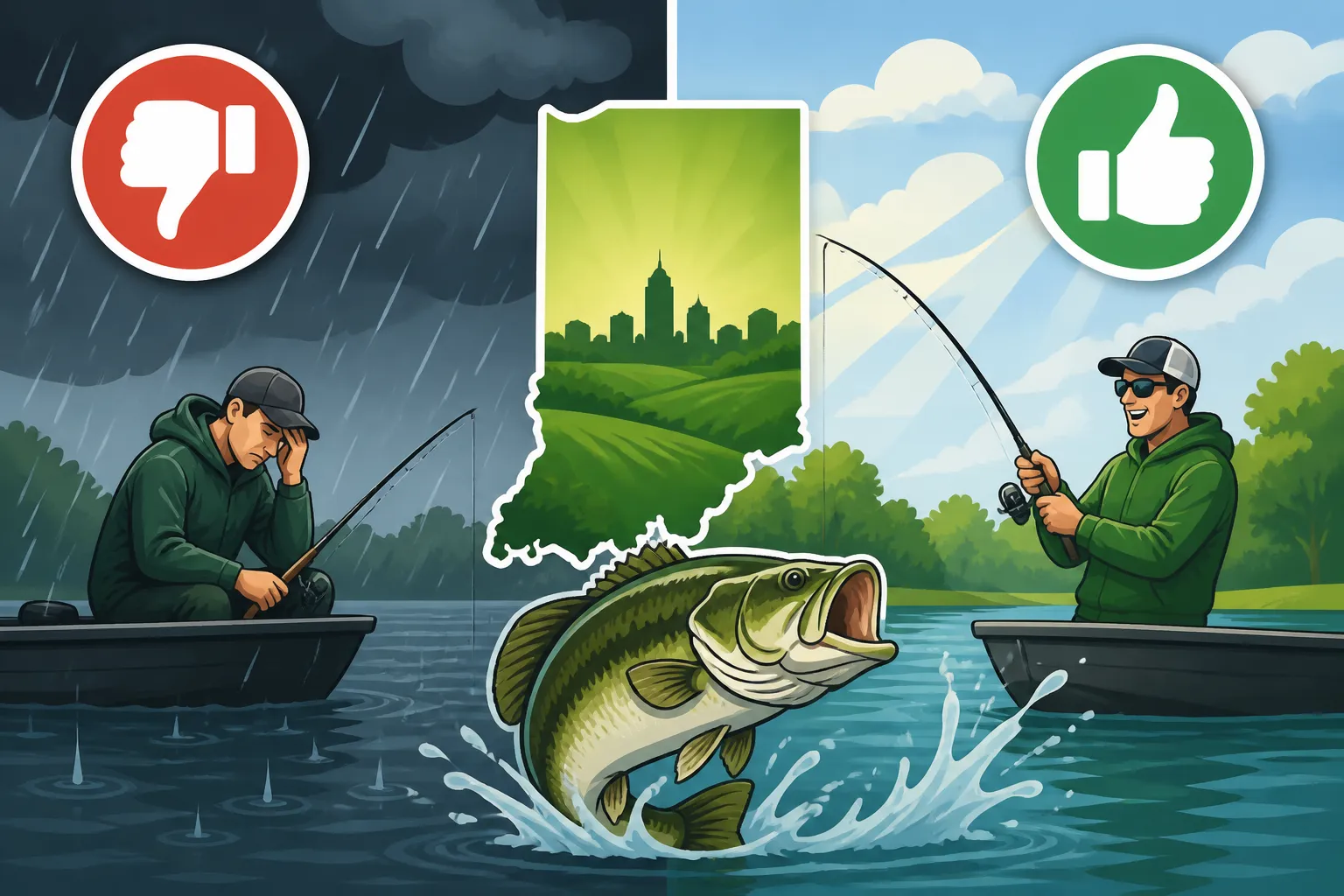
Does Rain Make Fishing Better or Worse?
The sound of rain hitting the water can be a beautiful symphony, but for many anglers, it sparks a nagging question: is this going to make my fishing trip better or worse? It's a valid concern, often leading to frustration and uncertainty about whether to even bother heading out. This guide will dive deep into how different types of rain can affect fish behavior and water conditions in Indiana, helping you understand when to grab your gear and when it might be best to stay dry.
The Immediate Impact of Rain on Water and Fish Behavior
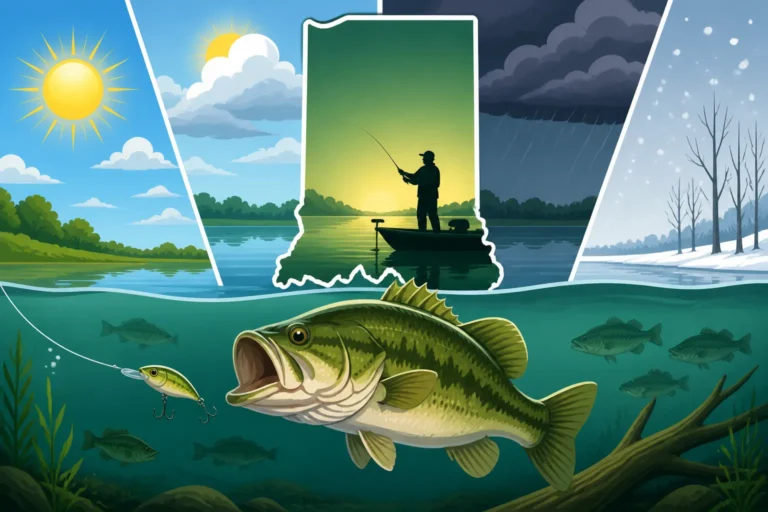
It’s easy to think of rain as just rain, but from a fish's perspective, it’s a whole spectrum of changes. Light drizzle is entirely different from a torrential downpour, and both will alter the aquatic environment in distinct ways that directly influence where fish are, what they’re eating, and how willing they are to bite. Understanding these nuances can be the difference between a dismal day and a surprisingly productive one.
How Light Rain Can Improve Fishing Conditions
A gentle, steady rain can often be an angler's best friend, especially in the warmer months. Think about those muggy summer days when the sun is beating down and the water feels stagnant. A light rain changes everything. It acts like a natural aerator, adding oxygen to the surface waters, which can invigorate sluggish fish. The gentle pitter-patter on the water's surface also breaks up the harsh sunlight, creating a diffuse light that makes fish feel more secure and less wary of predators from above, including us anglers. This reduced visibility can be a huge advantage, masking your presence and allowing you to get closer to the action without spooking fish.
Beyond the direct effects, light rain also washes insects and other small food sources into the water from the banks. This can create an instant feeding frenzy, especially for panfish like bluegill and crappie, or even smaller bass patrolling the shorelines. You’ll often find fish moving closer to the banks, eager to snap up these easy meals. This is a great time to be casting near overhangs, fallen logs, and other structures where these new food items might accumulate. You might even notice the surface activity picking up, with fish actively breaking the water.
The Challenges of Heavy Downpours
While a light rain can be a boon, a heavy downpour or a sudden thunderstorm is a completely different beast. Safety is always the absolute priority here; never stay on the water during lightning or severe weather. Beyond the obvious danger, heavy rain can drastically alter water conditions in ways that make fishing incredibly challenging, and sometimes, not worth the effort.
First, heavy rain causes significant runoff. If you're fishing a river, this means increased current and often a surge in murky, sediment-laden water. In lakes, it can create plumes of dirty water, especially near inlets where streams or ditches dump into the main body. This sudden influx of turbid water can make it very difficult for fish to see your bait, and it can also scatter them. Fish often seek clearer, calmer water during these events, retreating to deeper areas or finding eddies and protected coves.
Temperature can also play a role. If the heavy rain is much colder than the lake water, it can cause a rapid temperature drop in the upper water column, which can shock fish and send them to deeper, more stable thermal zones. Conversely, if it's hot rain hitting cooler water, it might warm things up too much. In either case, fish often become less active and harder to locate. It’s also just plain uncomfortable to fish in a heavy downpour, even with the best rain gear you can find on Amazon.
Post-Rain Fishing: When the Water Settles
The period immediately following a rain event, whether light or heavy, often presents some of the most overlooked and productive fishing opportunities. The initial chaos has subsided, but the benefits of the rain still linger, creating prime conditions for hungry fish.
Understanding Water Clarity and Current After Rain
After heavy rain, rivers and streams can become a chocolate milk mess, and even lakes can develop large areas of reduced visibility. While this might seem like a deterrent, it’s actually an invitation to change your tactics. Fish use their lateral line to detect vibrations, and in murky water, this sense becomes even more crucial. This means lures that create a lot of vibration or displacement, like spinnerbaits, chatterbaits, or large crankbaits, can be incredibly effective. Consider bright, contrasting colors that can stand out in the murk. You can learn more about how to choose the right gear in our guide on Best Lures for Fishing After a Cold Front.
For bass and other predatory fish, the edges of these muddy water lines can be goldmines. Fish will often stage right where the clear water meets the muddy water, ambushing anything that dares to cross the line. This is a fantastic time to work the transition zones. In rivers, the current might still be stronger than usual, but as it settles, fish will move out of their protected holding spots and resume feeding, often taking advantage of new food washed downstream. Our article on Fishing Techniques After Heavy Rain delves into this further.
Temperature Changes and Fish Relocation
Rain, especially if it's been a long, cool shower, can significantly drop the surface water temperature. This is especially impactful during hot summer months. When the surface cools, it can drive fish out of their deeper, thermocline-bound haunts and closer to the surface or into shallower areas where they can feed more actively. This phenomenon can sometimes trigger a feeding spree as fish take advantage of more comfortable temperatures and increased oxygen.
Conversely, if rain follows a long cold spell, a warm rain might actually warm the surface waters, stirring up sluggish fish. For species like walleye, which can be sensitive to rapid temperature shifts, this might mean a temporary lull in activity before they adjust. However, once settled, they'll often be more active in the more temperate water. Always keep an eye on water temperature fluctuations, as they are a key indicator of where the fish might be.
Increased Oxygen and Food Sources
One of the most consistently positive effects of rain is the boost in dissolved oxygen. Raindrops hitting the surface create tiny air bubbles that increase the oxygen content, which is vital for fish health and activity. This is particularly beneficial in still waters or during hot spells when oxygen levels can drop.
The rain also washes a smorgasbord of terrestrial insects, worms, and other small creatures into the water. Think about all those worms that come out on your driveway after a rainstorm – many end up in the nearest body of water. This creates an abundant and easy food source that fish are quick to exploit. Focusing your efforts around inlets, culverts, and shoreline areas where runoff enters the main body of water can be incredibly productive. Small jigs, worms, or even topwater lures mimicking struggling insects can elicit aggressive strikes.
Adapting Your Fishing Strategy for Rainy Weather
Successful fishing in the rain isn't about ignoring the weather; it's about embracing it and adapting your strategy. Just like you wouldn a good waterproof jacket, fish change their "outfit" and behavior in response to the conditions.
Lure and Bait Selection in Rainy Conditions
When the rain is falling, or the water is murky from a recent downpour, your lure and bait choices become critical. As mentioned, baits that create vibration are excellent. Try spinnerbaits with large blades that thump through the water, or crankbaits with internal rattles. Bright colors like chartreuse, orange, or white can also be more visible in stained water. If the water is lightly stained, a classic white or black jig with a plastic trailer can be very effective.
When it comes to live bait, worms are a no-brainer. After rain, fish are already keyed into the idea that worms might be entering the water. Thread a nightcrawler onto a hook and fish it on the bottom or under a bobber near runoff areas. Minnows can also be productive, especially for crappie or walleye that might be feeding more actively with increased oxygen. Don't be afraid to experiment; sometimes, a completely unexpected color or presentation will be what triggers a bite.
| Rain Condition | Water Clarity | Fish Behavior | Recommended Lures/Bait |
|---|---|---|---|
| Light Drizzle | Slightly improved | More active, closer to shore | Topwater, small jigs, worms, minnows |
| Steady Rain | Good, slightly disturbed surface | Active, less wary | Spinnerbaits, crankbaits, live bait |
| Heavy Downpour | Murky, strong currents | Retreat to deeper, calmer areas | Vibrating lures (spinnerbaits, chatterbaits), bright colors |
| Post-Heavy Rain | Stained, settling current | Feeding on new food sources | Vibrating lures, dark/bright jigs, worms, minnows |
Adjusting Your Casting and Presentation
Rain affects visibility for both you and the fish. The surface disturbance can help hide your line and movements, allowing for a more aggressive approach than on a bright, calm day. If you're using artificial lures, consider a slightly faster retrieve, especially if the fish are actively feeding on washed-in prey. For bass, a quicker retrieve of a spinnerbait or crankbait can trigger a reaction strike from fish that are already feeling more confident in the low light.
For bottom-feeding species like catfish, the increased current in rivers after rain can move food around, making them more active. Consider using heavier sinkers to keep your bait in place, and focus on current breaks like eddies or behind submerged structures. If you're fishing a lake, casting parallel to the shore in areas with runoff can put your bait right in the feeding zone. Remember, fish will often orient themselves towards the incoming flow to intercept food.
Essential Gear for Rainy Day Fishing
Nobody likes being wet and miserable, and nothing ruins a fishing trip faster than being unprepared for the elements. Investing in good rain gear is paramount. A quality waterproof jacket and pants are non-negotiable. Look for breathable materials that will keep you dry without making you sweat. You can find excellent options on Amazon from various reputable brands. Waterproof boots are also a must, especially if you'll be wading or walking along muddy banks.
Beyond keeping yourself dry, think about your gear. A waterproof bag for your phone, keys, and any other electronics is incredibly important. Even your tackle box should be relatively water-resistant to protect your lures and lines from moisture damage. A good hat with a brim will not only keep rain out of your eyes but also help with visibility. Don't forget a small towel to wipe down your hands and gear. Being comfortable allows you to focus on the fishing, which is, after all, why you're out there.
While you're gearing up, remember that you still need to adhere to all local regulations. Make sure you have your Indiana Fishing License Requirements Explained squared away, and if you're targeting trout or salmon, you'll need to know about Indiana Trout and Salmon Stamp Requirements. Don't let a little rain distract you from being fully compliant! Knowing the specific Indiana Fishing Regulations and Bag Limits Guide for your target species is always crucial, regardless of the weather.
Conclusion: Don't Let a Little Rain Keep You Home
So, does rain make fishing better or worse? The short answer is: it depends! A light, steady rain often improves conditions, increasing oxygen, creating cover, and washing in food, leading to more active fish. Heavy downpours, while potentially dangerous, can create opportunities for different tactics once the water begins to settle and visibility shifts.
The key takeaway is adaptation. Don't let the thought of rain automatically make you cancel your plans. Instead, view it as a challenge and an opportunity to learn. With the right gear, a bit of strategic thinking, and an understanding of how fish react to different rainy conditions, you might just find that some of your best fishing days happen when the sky is gray and the drops are falling. So grab your waterproof jacket, head out to your favorite Indiana fishing spot, and see what the rain brings! Remember to check out specific guides like Best Bait for Spring Bass Fishing or Best Lures for Summer Fishing to pair with your rainy-day strategy.
Disclaimer
This article is for general informational purposes only and does not constitute professional advice. Laws, prices and regulations vary by location and change over time. Consult a qualified professional for guidance on your specific situation.