Best Time to Fish Patoka Lake for Bass in Indiana
There's nothing quite like the frustration of hitting a prime fishing spot, full of anticipation, only to find the bass aren't biting. It feels like you've wasted precious time and effort. Patoka Lake, with its sprawling waters and incredible bass population, can be one of those places that leaves you scratching your head if you don't understand its rhythms. This guide is all about demystifying Patoka Lake's bass fishing, helping you pinpoint the absolute best times to cast your line for largemouth bass, ensuring more bent rods and triumphant smiles.
Understanding Patoka Lake's Unique Bass Fishery
Patoka Lake, nestled in Southern Indiana, is a true gem for bass anglers, and understanding its unique characteristics is the first step to consistently successful trips. It’s not just another body of water; it’s a dynamic ecosystem that changes throughout the year, profoundly influencing where and when you’ll find those big bass.
Why Patoka Lake is a Bass Angler's Dream
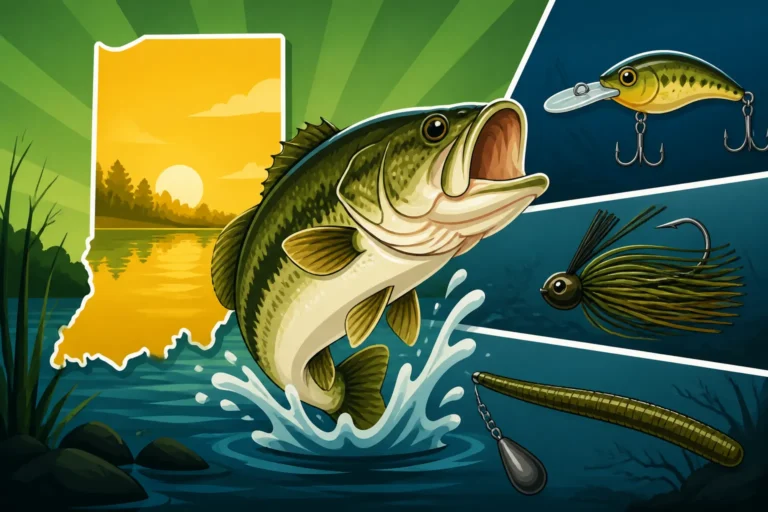
Patoka Lake holds the distinction of being Indiana's second-largest lake, boasting over 8,800 acres of water and more than 160 miles of shoreline. This immense size, combined with diverse underwater structure, makes it an ideal habitat for largemouth bass. Anglers consistently rank Patoka among the top lakes in Indiana for trophy bass, with numerous tournaments held here throughout the year. What makes it so special isn't just its size, but its incredible variety of cover and depths. You've got vast shallow flats, deep creek channels, standing timber, brush piles, rock formations, and even old roadbeds, all providing endless ambush points for bass. The Indiana Department of Natural Resources (DNR) has done a fantastic job managing the fishery, ensuring healthy populations and growth rates. When you combine this with the sheer beauty of the area, it's easy to see why so many anglers flock to Patoka. If you're looking for a comprehensive overview of this fantastic fishery, our full Patoka Lake Fishing Guide for Bass and Crappie dives even deeper.
Key Forage and Habitat for Bass in Patoka Lake
To catch bass, you really need to think like a bass – and that means understanding what they eat and where they feel safe. Patoka Lake is absolutely brimming with natural forage that keeps its bass healthy and growing. The primary food source for largemouth bass here includes shad, bluegill, crappie, and various types of crawfish. This abundant food supply is a huge reason why Patoka bass grow to impressive sizes.
The lake's diverse habitat directly relates to this forage. Shallow coves and flats, particularly those with submerged vegetation, are crucial during the spawn and offer excellent cover for baitfish. As the seasons change, bass will often follow schools of shad into deeper water or relate to the numerous standing timber fields that provide vertical cover from the bottom all the way to the surface. Old creek channels act as highways for bass, especially during migration periods. Knowing these key forage types and their preferred habitats will give you a significant advantage in patterning bass throughout the year, no matter if you're targeting early spring aggressors or deep winter lurkers.
Seasonal Strategies for Patoka Lake Bass Fishing
Fishing Patoka Lake effectively means embracing the seasons. Bass behavior shifts dramatically with water temperature and photoperiod, so what works in spring won't necessarily cut it in summer or fall. Let's break down the best times to target Patoka's largemouth, season by season.
Spring: Pre-Spawn and Spawn Aggression
Spring on Patoka Lake is arguably the most anticipated time for bass anglers, and for good reason. As the ice melts (if it even forms) and water temperatures begin to climb from the 40s into the 60s, bass become incredibly active. This period is split into two main phases: pre-spawn and the spawn itself.
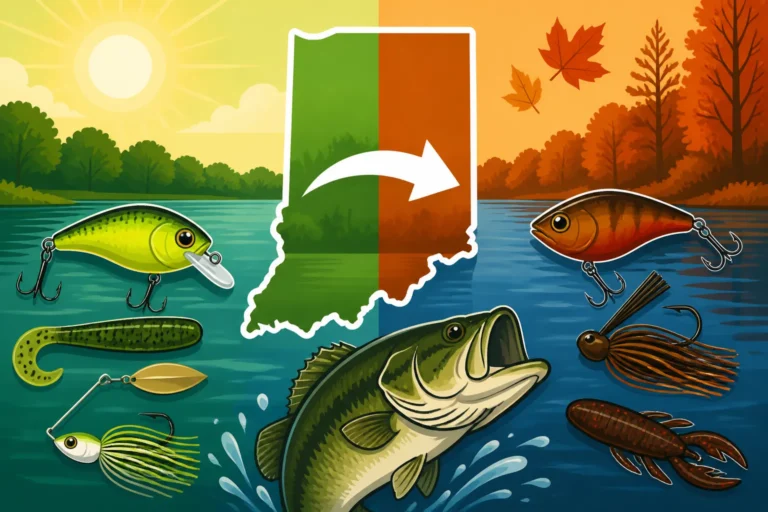
During pre-spawn, which typically runs from early March through April, bass move from their deeper winter haunts into shallower staging areas. They're looking for warmer water, often found on north-facing banks or in shallow, protected coves that receive more direct sunlight. These fish are hungry and aggressive, packing on calories before the rigors of spawning. This is a fantastic time for power fishing techniques. Think lipless crankbaits, jerkbaits, and spinnerbaits cast parallel to secondary points, channel swings, and old roadbeds leading into coves. The water temperature sweet spot for this aggressive feeding usually ranges from 48 to 55 degrees Fahrenheit.
The spawn follows, generally from late April through May, when water temperatures stabilize in the high 50s to mid-60s. This is when the bass move onto the actual beds to reproduce. While some anglers prefer to leave bedding fish alone, it's undeniable that they are catchable. Look for them in very shallow water, often around brush, stumps, or docks in protected coves. Soft plastic baits like lizards, senkos, or creature baits are excellent for tempting bass off their nests. When water temperatures hit the mid-60s, you know the main event is happening. Our guide on the Best Time to Bass Spawn in Indiana offers more localized insights into this crucial period.
Summer: Deep Water and Early Morning Bites
As Patoka Lake heats up, typically from June through August, bass behavior undergoes another significant change. The super-shallow bite often diminishes, and fish seek refuge and cooler, more oxygenated water in deeper areas. Don't be fooled into thinking summer fishing is slow; it just requires a different approach!
During the peak of summer, bass will often relate to deeper structure. This could mean submerged timber in 15-30 feet of water, ledges along the old creek channels, or even offshore humps. Early mornings and late evenings become prime time, as bass will often move up shallower briefly to feed under lower light conditions. Topwater baits like poppers or walking baits can be exhilarating during these periods. However, once the sun is high, you'll want to switch to techniques that target deeper fish. Carolina rigs, Texas rigs with heavy weights, deep-diving crankbaits, and football jigs are all excellent choices.
One of the frustrations of summer fishing is that you might find schools of bass, but they can be finicky. Having a good fish finder is invaluable for locating these deeper schools. Look for schools of shad, and you'll likely find bass nearby. The bite can also pick up after a good thunderstorm, as the rain can cool surface temperatures and add fresh oxygen. Remember, bass are still feeding in summer; they're just doing it in different places and often during specific windows. You can learn more specific tips on Best Lure Choices for Summer Fishing to ensure your tackle box is ready.
Fall: Feeding Frenzy Before Winter
Fall on Patoka Lake, spanning September through November, is another fantastic time for bass fishing, often rivaling spring in terms of action. As water temperatures begin to cool (from the 70s down into the 50s), bass sense the impending winter and embark on a serious feeding spree. They are actively chasing baitfish, trying to gorge themselves before the metabolism-slowing cold arrives.
This is when you'll often find bass schooling up and busting shad on the surface, especially in the mornings or late afternoons. Look for these "busts" on main lake points, over humps, or in the backs of larger coves. Reaction baits like spinnerbaits, crankbaits (both shallow and deep runners), and even larger topwater baits can be incredibly effective during this time. As the water cools further, bass will start to move shallower again, similar to the pre-spawn pattern, but they're chasing bait rather than preparing to spawn.
Jig fishing around standing timber or brush piles also becomes very productive in fall. The key is to cover water and look for active fish. Patoka's extensive shoreline and numerous coves offer endless opportunities to intercept these migrating and feeding bass. Knowing the best baits and lures for fall fishing will certainly put you ahead of the game, so check out our guide on Best Bait and Lures for Fall Fishing for specific recommendations.
Winter: Slow and Steady Tactics
While some anglers put their rods away, Patoka Lake can still offer rewarding bass fishing during the winter months, typically from December through February. However, it requires a significant shift in strategy. Bass metabolism slows dramatically in cold water, making them less inclined to chase fast-moving baits.
During winter, bass will typically move to the deepest, most stable water they can find, often congregating in large schools. Look for them in deep creek channels, main lake points dropping into deep water, or around isolated deep timber. The bite will be much more subtle, and patience is absolutely key. Slow-moving baits are the name of the game. Jigging spoons, blade baits, and drop shots presented vertically are extremely effective. Live bait, like shiners or minnows, can also be deadly when fished slowly on a simple hook-and-sinker rig.
It's crucial to understand that during winter, a bass might only move a few inches to strike, so paying close attention to your line for the slightest tap is essential. Often, a "thump" might just feel like a bit of extra weight. A sensitive rod and braided line with a fluorocarbon leader will increase your chances of detecting these subtle bites. While it might not offer the fast-paced action of spring or fall, catching a big Patoka bass in the dead of winter is incredibly satisfying. For a deeper dive into cold-weather tactics, our article on Winter Fishing Patterns on Indiana Lakes provides valuable insights.
Key Factors Influencing Bass Activity on Patoka Lake
Beyond the general seasons, specific environmental factors play a huge role in daily bass activity on Patoka Lake. Ignoring these can mean the difference between a banner day and a frustrating skunk.
Water Temperature is Your Best Friend
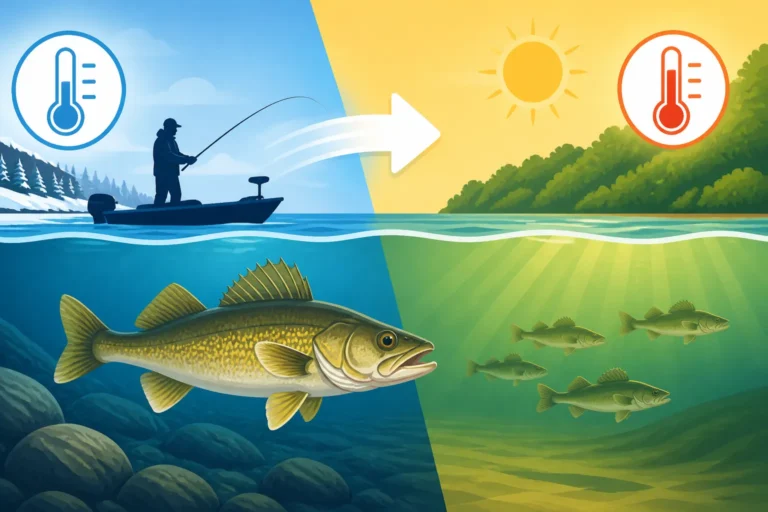
As mentioned, water temperature is arguably the single most important factor dictating bass behavior. Bass are cold-blooded, meaning their metabolism directly correlates with the water temperature. There are optimal temperature ranges for feeding, spawning, and resting.
Here’s a quick overview of how water temperature typically affects Patoka Lake bass:
| Temperature Range (Fahrenheit) | Bass Behavior | Best Fishing Strategy | Primary Season |
|---|---|---|---|
| Below 45° | Very sluggish, deep water, schooling tightly | Vertical jigging, slow presentations, live bait | Winter |
| 45-55° | Pre-spawn movement, moderately active, feeding | Jerkbaits, crankbaits, spinnerbaits on points | Early Spring, Late Fall |
| 55-65° | Spawning, aggressive, shallow water | Soft plastics (lizards, senkos), jigs near beds | Mid-Spring |
| 65-75° | Post-spawn recovery, summer patterns emerge | Topwater (early/late), Carolina/Texas rigs in deeper water | Late Spring, Early Summer |
| Above 75° | Deep water, early/late bite, seeking oxygen | Deep diving crankbaits, jigs, drop shots, night fishing | Mid-Summer |
Always carry a thermometer and pay attention to surface temperatures. Even a few degrees difference can dictate whether bass are in the shallows or pushed out to deeper water. For a more general understanding of this critical factor, consider reading our post on the Best Water Temperature for Bass Fishing in Indiana.
Weather Patterns and Their Impact
Weather isn't just about comfort for us; it's a huge factor for fish. High-pressure systems (clear skies, calm winds) often make bass more lethargic and less willing to bite. They might hold tighter to cover or drop into deeper water. In contrast, low-pressure systems (overcast skies, impending storms, light rain) can often trigger aggressive feeding binges. The reduced light penetration and increased oxygen can make bass feel more secure and active.
Wind also plays a critical role. A light chop on the water can break up the surface, making it harder for baitfish to see predators and easier for bass to ambush. It also pushes baitfish, concentrating them on wind-blown banks or points, which in turn concentrates the bass. However, extreme winds can make boat control difficult and fishing uncomfortable. Always check the forecast before you head out, and be prepared to adjust your tactics based on what Patoka Lake's weather is doing that day. Don't be afraid to fish in light rain; sometimes, those are the best days!
Prime Time of Day and Moon Phases
While bass can be caught at any time of day, there are certainly prime windows when they are most active. Generally, low-light conditions – dawn and dusk – are universally excellent for bass fishing, especially during warmer months. The reduced light allows bass to venture into shallower waters to feed without feeling as exposed. On overcast days, these low-light conditions can extend throughout the day. Our article on the Best Time of Day to Catch Bass offers more details on this.
Moon phases are a bit more debated among anglers, but many swear by their influence, particularly around the full and new moons. During these periods, gravitational pulls can affect tides (though minimal on inland lakes) and can influence baitfish movement, which in turn affects bass. Many anglers report increased activity during the periods leading up to and immediately following a full or new moon. While not as critical as water temperature or weather, keeping an eye on the moon calendar can sometimes give you that extra edge. It’s certainly worth considering when planning a special trip to Patoka Lake.
Essential Gear and Techniques for Patoka Lake Bass
Having the right tools and knowing how to use them is paramount to success on Patoka Lake. From choosing your rod to picking the perfect lure, every decision counts.
Rods, Reels, and Line for Patoka Bass
For Patoka Lake bass fishing, a versatile setup is usually the way to go, though having a few different combos can really maximize your effectiveness.
- Rods: Most anglers will find a 7' to 7'6" medium-heavy fast-action casting rod to be their workhorse. This length provides excellent casting distance and leverage for fighting bigger bass around cover. A fast action means the rod bends mostly in the tip, offering sensitivity for detecting bites and quick hook sets. For techniques requiring more finesse, like throwing lighter shaky heads or drop shots, a 6'6" to 7' medium-action spinning rod can be incredibly useful.
- Reels: Pair your casting rods with a good quality baitcasting reel, ideally one with a gear ratio between 6.4:1 and 7.5:1. This range offers a good balance for various techniques, from cranking to jigging. For spinning setups, a 2500-3000 series spinning reel provides a smooth drag and capacity for lighter lines.
- Line: Line choice is crucial. For heavy cover and power fishing, 15-20 lb fluorocarbon or even 30-50 lb braided line (with a fluorocarbon leader) is ideal. Fluorocarbon is nearly invisible underwater and has excellent abrasion resistance, making it perfect for Patoka's standing timber. Braid offers incredible strength and sensitivity but can be more visible. For finesse techniques, 8-12 lb fluorocarbon or monofilament will give you the subtle presentation needed. A good spool of line from a brand like Seaguar or Sunline, easily found on Amazon, can make a huge difference in feel and durability.
Remember, having a balanced setup where your rod, reel, and line work together harmoniously will make your fishing experience much more enjoyable and productive.
Top Baits and Lures for Each Season
Matching your lure selection to the season and current conditions on Patoka Lake is essential. Here's a rundown of some tried-and-true favorites:
- Spring:
- Pre-Spawn: Lipless crankbaits (e.g., Strike King Red Eye Shad), jerkbaits (e.g., Rapala X-Rap), spinnerbaits (1/2 oz tandem willow blades). These baits cover water quickly and elicit aggressive reaction strikes from hungry bass.
- Spawn: Soft plastic lizards (Zoom, Gary Yamamoto), senkos (Wacky rigged or Texas rigged), creature baits (Zoom Brush Hog). These are slowly fished around beds.
- Summer:
- Early/Late Day: Topwater lures (Heddon Super Spook, Whopper Plopper), walking baits.
- Mid-Day/Deep: Deep-diving crankbaits (Bandit 300 series, Strike King 6XD), Carolina-rigged soft plastics (Zoom Trick Worm, Fluke), Texas-rigged worms (Zoom Ol' Monster) or creature baits, football jigs.
- Fall:
- Feeding Frenzy: Spinnerbaits (1/2 oz), shallow to medium diving crankbaits (Rapala DT series), topwater (walking baits, poppers if fish are busting), jigs with a bulky trailer.
- Cooler Water: Jigs, slow-rolled spinnerbaits, soft plastic swimbaits.
- Winter:
- Deep and Slow: Jigging spoons (Hopkins Shorty, Johnson Thinfisher), blade baits (Z-Man ChatterBlade), drop shot rigs with small worms (Roboworm), Ned rigs. Live bait minnows.
Keeping a well-organized tackle box is key. You can find a vast selection of these baits and lures on Amazon, ensuring you're ready for any situation Patoka throws at you. For more detailed advice on crankbaits specifically, our article on Best Crankbaits for Indiana Largemouth Bass can provide further guidance.
Navigating Patoka's Structure and Cover
Patoka Lake is renowned for its diverse underwater landscape. Successfully navigating and fishing this structure is critical.
- Standing Timber: Large areas of Patoka are filled with standing timber. This offers incredible vertical cover. Bass will suspend in it, relate to the base of the trees, or cruise through it. Learning to cast accurately into these tight spots with Texas-rigged worms or jigs is crucial. Be prepared to lose some lures, but the rewards are often worth it.
- Creek Channels and Ledges: The old Patoka River and its tributaries still form distinct channels running through the lake. Bass use these as travel routes and ambush points, especially when moving between shallow and deep water. Look for drops, bends, and intersections in these channels. Deep-diving crankbaits and jigs are excellent choices here.
- Brush Piles and Rock Piles: Both natural and man-made brush and rock piles are scattered throughout the lake. These are magnets for baitfish and, consequently, bass. A good fish finder is essential for locating these hidden gems. Once found, present jigs, Texas rigs, or drop shots directly into or around them.
- Points and Humps: Main lake points and submerged humps offer prime feeding grounds. Bass will position themselves on these features to ambush passing baitfish. Spinnerbaits, crankbaits, and jigs can be highly effective when fished along these contours.
Understanding how to read your electronics to identify these structures, and then applying the right technique, will unlock the full potential of Patoka Lake's bass fishing. If you're looking for the ideal vessel to navigate these varied spots, exploring the Best Boats for Fishing Patoka Lake in Indiana could be your next step.
Fishing Patoka Lake for bass is an incredible experience that offers diverse challenges and immense rewards. By understanding the seasonal movements, paying close attention to environmental factors like water temperature and weather, and equipping yourself with the right gear and techniques, you'll significantly increase your chances of a successful and memorable trip. Remember, patience and persistence are just as important as your tackle box. So pack up your gear, head to Patoka, and get ready to catch some fantastic Indiana bass!
Disclaimer
The information provided in this guide is for general informational purposes only and does not constitute professional advice. Fishing conditions, regulations, and fish behavior can change rapidly. Always consult the latest Indiana Department of Natural Resources (IDNR) regulations before fishing. Exercise caution and practice safe boating and fishing practices. The author and publisher are not responsible for any actions taken based on the information presented herein.